

Cloud shared hosting is a popular choice for website owners. It combines the benefits of cloud computing and shared hosting.
Are you new to website hosting? Cloud shared hosting might be the perfect solution for you. It offers reliability, flexibility, and cost-effectiveness. This type of hosting uses multiple servers to balance the load and maximize uptime. With cloud shared hosting, your website can handle more traffic without slowing down.
It’s ideal for small to medium-sized websites. You don’t need to manage hardware or perform complex configurations. Plus, many providers offer easy-to-use control panels. This makes it simple to set up and maintain your site. Curious to learn more? Let’s explore the benefits and features of cloud shared hosting.
Introduction To Cloud Shared Hosting
Cloud Shared Hosting is a popular web hosting solution. It combines the benefits of cloud computing and shared hosting. This type of hosting is ideal for small to medium-sized websites. It provides a cost-effective and scalable solution.
What Is Cloud Shared Hosting?
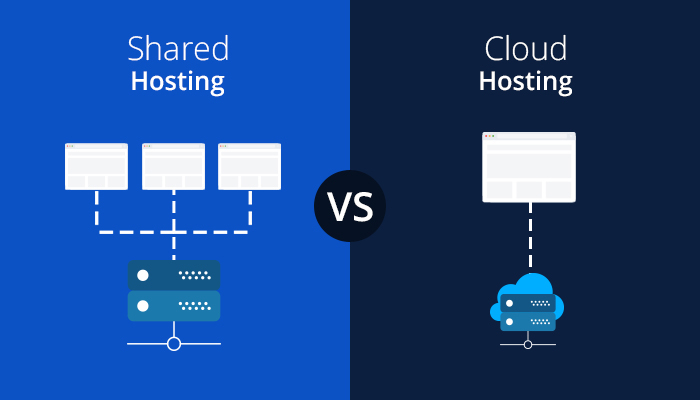
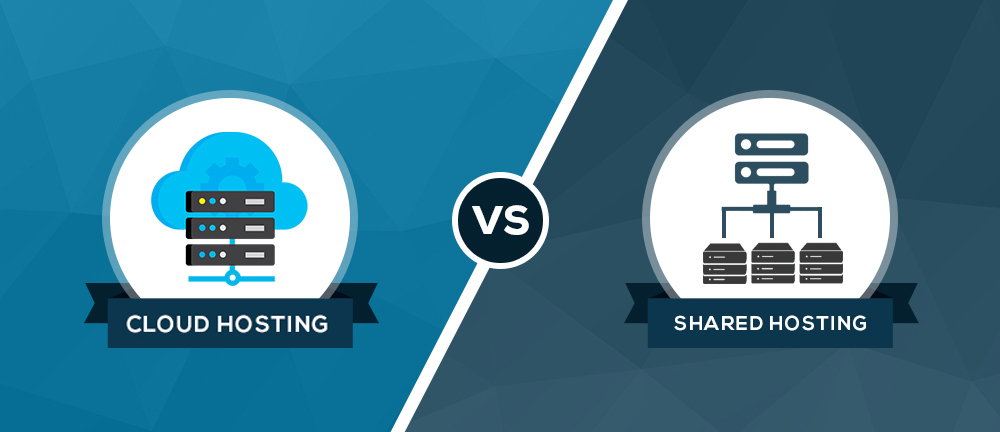
Cloud Shared Hosting uses multiple servers to host websites. Unlike traditional shared hosting, it does not rely on a single server. If one server fails, another takes over. This ensures your website stays online.
Websites on Cloud Shared Hosting share resources. These resources include CPU, RAM, and disk space. This makes it an affordable option. You only pay for what you use.
Why Choose Cloud Shared Hosting?
There are several reasons to choose Cloud Shared Hosting. Here are some key benefits:
- Scalability: Easily upgrade resources as your site grows.
- Reliability: Multiple servers ensure high uptime.
- Cost-Effective: Share resources to reduce costs.
- Performance: Cloud servers offer faster load times.
Below is a table that highlights the main features of Cloud Shared Hosting:
| Feature | Description |
|---|---|
| Scalability | Easily add more resources as needed |
| Reliability | Multiple servers ensure your site stays online |
| Cost-Effective | Share resources to save money |
| Performance | Faster load times with cloud servers |
Cloud Shared Hosting is a great choice for many users. It offers flexibility, reliability, and cost savings. Whether you are starting a blog or running a small business, it meets your needs.
Credit: www.cloudways.com
Benefits Of Cloud Shared Hosting
Cloud shared hosting is a popular choice for many website owners. It offers many benefits that make it an attractive option. Below, we discuss some key benefits of cloud shared hosting.
Scalability
One of the biggest advantages of cloud shared hosting is its scalability. Websites can experience sudden traffic spikes. Traditional hosting struggles with these spikes. Cloud shared hosting scales resources up or down as needed. This flexibility ensures your website runs smoothly. You do not need to worry about downtime during high traffic periods.
Cost-effectiveness
Cloud shared hosting is cost-effective for many reasons. You only pay for the resources you use. This makes it a budget-friendly option for small businesses and startups. There is no need to invest in expensive hardware. Maintenance costs are also low. You do not need to hire a large IT team. The hosting provider takes care of most technical aspects. This allows you to focus on your core business activities.
Here is a table showing some of the cost benefits:
| Benefit | Description |
|---|---|
| Pay-as-you-go | Only pay for what you use |
| No hardware costs | No need to buy or maintain servers |
| Low maintenance | Hosting provider handles technical issues |
These benefits make cloud shared hosting an attractive option. It combines affordability with flexibility.
Key Features
Cloud Shared Hosting offers numerous benefits that make it a popular choice. Understanding its key features will help you make an informed decision.
Performance
Cloud Shared Hosting ensures high performance. It uses multiple servers to distribute load. This means your website runs smoothly. If one server fails, others take over. Your site remains accessible. This setup boosts speed and reliability.
Security
Security is a top priority in Cloud Shared Hosting. It provides advanced security measures. Data encryption keeps your information safe. Regular backups ensure data recovery. Firewalls protect against threats. Your website stays secure and protected.
How Cloud Shared Hosting Works
Cloud shared hosting is a modern approach to web hosting. It leverages the power of cloud technology to provide better performance and reliability. But how does cloud shared hosting actually work?
Resource Allocation
Cloud shared hosting uses a network of servers. These servers work together to distribute resources. Each website gets a portion of these shared resources. This helps maintain consistent performance. If one server gets overloaded, others can share the load.
Data Redundancy
Data redundancy is another key feature. Your website data gets copied across multiple servers. This ensures your site stays online even if one server fails. It also provides better data security. So, your website remains accessible and safe.
Choosing The Right Provider
Choosing the right provider for cloud shared hosting is crucial for your website’s success. It’s important to assess various factors to ensure you get the best service. Let’s dive into key considerations to make an informed decision.
Reputation
The reputation of a hosting provider speaks volumes about their service quality. Research customer reviews and testimonials to gauge the provider’s reliability. Look for feedback on uptime, performance, and customer satisfaction.
Consider the following points when evaluating a provider’s reputation:
- Customer Reviews: Check multiple review sites.
- Industry Recognition: Look for awards or certifications.
- Client Portfolio: Analyze the type of clients they serve.
Support Services
Effective support services are essential for smooth website operations. Ensure the provider offers 24/7 customer support and multiple contact options. Evaluate their response time and problem-solving capabilities.
Here are key support features to consider:
- 24/7 Availability: Support should be available round-the-clock.
- Contact Channels: Ensure they offer live chat, phone, and email support.
- Knowledge Base: A comprehensive knowledge base can be a lifesaver.
| Support Feature | Description |
|---|---|
| Live Chat | Instant support through chat. |
| Phone Support | Direct assistance via phone call. |
| Email Support | Support through email communication. |
| Knowledge Base | Access to FAQs and guides. |
`, `
Migrating To Cloud Shared Hosting
Moving to Cloud Shared Hosting offers cost-effective, scalable solutions for websites. Enjoy enhanced performance, security, and easy management with minimal technical expertise required.
Migrating to cloud shared hosting can seem challenging. But with the right steps, it becomes manageable. This guide will help you understand the process clearly.
Preparation Steps
First, evaluate your current hosting needs. Identify the files and databases to move. Create backups of all important data. Ensure all software and plugins are up-to-date. Check for any compatibility issues.
Next, choose a reliable cloud shared hosting provider. Look for good customer support. Consider their uptime guarantees. Review their pricing plans. Ensure they offer adequate resources.
Finally, inform your users about the migration. Plan it during low-traffic periods. This minimizes the impact on your website’s performance. Prepare a checklist to ensure nothing is missed.
Migration Process
Start by setting up your new cloud shared hosting account. Configure your domain settings. This includes updating the DNS records.
Upload your website files to the new server. Use FTP or a file manager for this. Import your databases into the new hosting account. Verify all files and databases are correctly uploaded.
Test your website on the new server. Check all functionalities. Ensure everything works as expected.
Update your DNS settings. This points your domain to the new server. It may take some time to propagate. Monitor your website during this period.
Finally, inform your users about the successful migration. Keep an eye on your website’s performance. Address any issues promptly.
Migrating to cloud shared hosting can improve your website’s performance. Follow these steps for a smooth transition.
Common Challenges
Cloud shared hosting offers many benefits, but users face several challenges. Understanding these can help you make an informed decision. Let’s explore some common challenges.
Downtime Risks
Downtime is a significant issue in cloud shared hosting. It can affect your website’s availability. This happens because multiple websites share the same server. If one site experiences high traffic, others may slow down. Frequent downtime can hurt your website’s reputation. It can also impact your search engine rankings.
Data Privacy Concerns
Sharing a server with other websites raises data privacy concerns. Your data resides on the same server as others. This increases the risk of unauthorized access. Even though hosting providers offer security measures, risks remain. Data breaches can lead to sensitive information leaks. This can damage your business and customer trust.
Credit: verpex.com
Future Of Cloud Shared Hosting
The future of cloud shared hosting is bright. It promises new technologies and trends. These advancements will shape the web hosting landscape. Let’s explore what lies ahead.
Technological Advancements
Cloud shared hosting is evolving. New technologies are driving this change. Expect faster servers. They will improve website speed. Enhanced security measures will protect data better. Automation will streamline tasks. This means less manual work for users.
- Faster Servers: Improved performance for websites.
- Enhanced Security: Better protection against threats.
- Automation: Reduced manual tasks for users.
Market Trends
The market for cloud shared hosting is growing. More businesses are choosing cloud solutions. This trend shows a shift towards flexibility and scalability. Hosting providers are offering more competitive plans. These plans cater to different needs and budgets.
| Trend | Impact |
|---|---|
| Increased Adoption | More businesses using cloud hosting |
| Competitive Pricing | Affordable plans for various needs |
| Scalability | Easy to scale resources as needed |
These trends indicate a strong future for cloud shared hosting. Businesses can expect better services. Users will benefit from improved technology and competitive pricing.
Credit: www.aspirationhosting.com
Frequently Asked Questions
What Is Cloud Shared Hosting?
Cloud shared hosting is a service where multiple websites share resources on a cloud server. It’s scalable, reliable, and cost-effective.
How Does Cloud Shared Hosting Work?
Cloud shared hosting works by distributing resources across multiple servers. This ensures better performance and uptime for websites.
Is Cloud Shared Hosting Secure?
Yes, cloud shared hosting is secure. It includes built-in security measures like firewalls, encryption, and regular updates.
Who Should Use Cloud Shared Hosting?
Small to medium-sized businesses and personal websites benefit most from cloud shared hosting. It’s affordable and easy to manage.
Conclusion
Cloud shared hosting offers a reliable solution for website needs. It provides scalability, which is great for growing websites. Costs are manageable and often lower than other options. User-friendly interfaces make it easy to manage. Security features ensure data safety.
Ideal for both beginners and small businesses. With cloud shared hosting, you get a balance of performance and affordability. Consider it for your next web project. Your website will benefit greatly.


1 thought on “Cloud Shared Hosting: The Ultimate Solution for Growing Websites”