
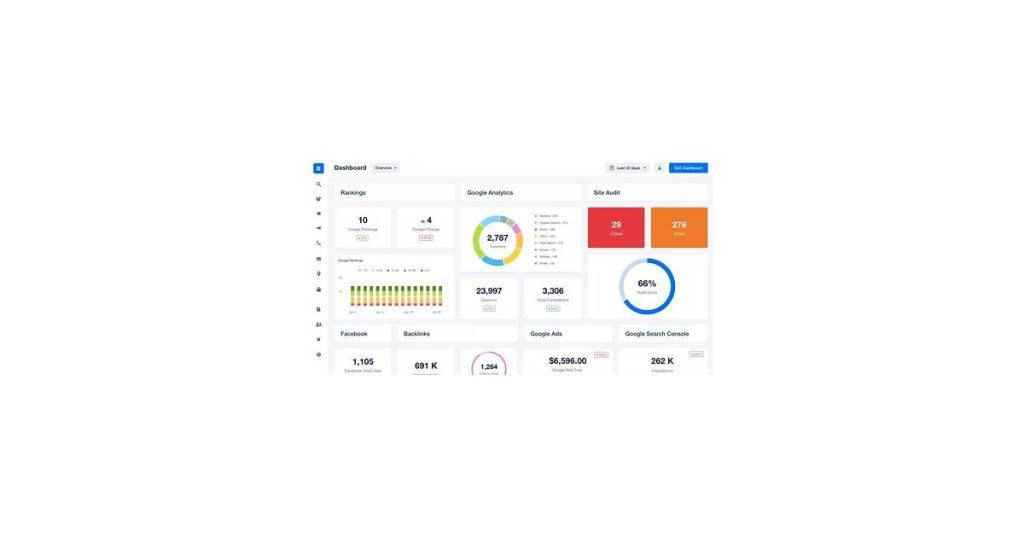
Are you tired of sifting through endless SEO reports that fail to deliver actionable insights? Authority Radar’s reporting features cut through the noise, offering clarity and precision to elevate your search strategy. Whether you’re an SEO manager, content creator, or agency professional, these tools are designed to simplify complex data into clear, actionable steps.
Authority Radar doesn’t just report metrics—it transforms them into insights that drive real results. From seamless integration into your workflow to unparalleled customization, these features are built to help you stay ahead in the competitive SEO landscape. See how Authority Radar changes the way you approach reporting and content strategy.
What Are Authority Radar’s Reporting Features?

Authority Radar’s reporting features provide SEO professionals with actionable data on backlinks, domain authority, and competitor analysis. These tools help track performance, identify opportunities, and benchmark against industry rivals.
The platform offers backlink monitoring, showing new and lost links with metrics like spam score and referring domain quality. This helps you prioritize high-value link-building opportunities while avoiding toxic backlinks. For example, you can filter links by anchor text to assess branding consistency.
Its domain authority tracking compares your metrics against competitors over time, using factors like page rank and referring domains. You’ll see which competitors are gaining ground and which tactics might explain their growth.
Key reports include:
- Competitor overlap analysis: Reveals shared backlinks between you and key rivals
- Link velocity tracking: Flags unnatural spikes that could trigger search engine penalties
- Anchor text distribution: Identifies over-optimization risks in your profile
Customizable dashboards let you focus on the metrics that matter most to your strategy, whether that’s local SEO performance or content gap analysis. Reports can be scheduled for weekly or monthly delivery, ensuring stakeholders stay informed without manual effort.
See also: Authority Radar SEO Tool: Boost Your Search Performance.
Authority Radar Lets You Customize SEO Reports for Any Project
Authority Radar’s reporting features adapt to your exact SEO needs, whether you’re tracking rankings, analyzing competitors, or auditing site health. You control what data appears, how it’s visualized, and who receives the final report.
Key customization options include:
- Metric selection: Choose from 50+ tracked SEO elements like organic traffic, backlink growth, or keyword movement
- Branding controls: Add your logo, color scheme, and custom headers to white-label reports for clients
- Threshold alerts: Set performance boundaries (e.g., “flag if ranking drops below top 5”) to highlight urgent issues
For agency teams, the template library saves report structures for different use cases. A local business audit template might emphasize Google Business Profile metrics, while an ecommerce template focuses on product page rankings. Reports generate in PDF, CSV, or interactive dashboards depending on stakeholder needs.
See also: Authority Radar Backlink Monitoring: The Complete Guide f….
Authority Radar’s Real-Time Data Updates Keep You Ahead
Authority Radar’s reporting features provide real-time SEO data, letting you act on changes immediately rather than waiting for outdated reports. Delays in spotting ranking drops, backlink losses, or technical issues can cost visibility—real-time updates minimize this risk.
For example, if your page loses a key backlink, you’ll see it within hours, not days. This lets you prioritize outreach to regain the link or adjust your content strategy before rankings suffer. Real-time tracking is especially critical for:
- Competitive niches where small ranking shifts impact traffic significantly
- Time-sensitive campaigns like product launches or newsjacking
- Technical monitoring to catch crawl errors or indexation issues early
The tool surfaces changes through customizable alerts, so you’re notified about what matters—whether it’s a competitor surpassing you for a target keyword or sudden traffic drops to high-value pages.
See also: Authority Radar Google Analytics Integration: Step-by-Ste….
How Authority Radar reveals competitor strategies
Authority Radar tracks competitors’ content performance across key metrics like traffic share, ranking keywords, and backlink growth. You’ll see which topics they dominate and where they’re gaining traction—helping you identify gaps in your own strategy.
- Content gaps: Compare your top pages against competitors’ to spot underserved topics they’re ranking for
- Keyword leaks: See competitor terms with high traffic but low difficulty that you could target
- Backlink alerts: Get notified when rivals earn links from high-authority domains you might approach
The tool visualizes trends over time, showing whether competitors are gaining ground through specific content types (like video tutorials versus product comparisons) or partnerships. For example, if a rival’s traffic spikes after publishing case studies, you might prioritize that format.
How Authority Radar Reporting Integrates with Your Workflow
Authority Radar syncs with popular SEO platforms like Google Analytics, Search Console, and third-party rank trackers to centralize reporting. Its API connections pull data automatically, eliminating manual exports or duplicate spreadsheets. For example, linking it to Google Search Console lets you cross-reference ranking changes with backlink alerts in one dashboard.
The tool adapts to your workflow rather than forcing new processes:
- Custom report templates match your agency/client branding and KPIs
- Scheduled exports (PDF/CSV) deliver to your existing project management tools
- Real-time alerts flag issues without requiring constant dashboard checks
For teams using Slack or Microsoft Teams, Authority Radar’s notification integrations push critical updates (like sudden ranking drops or new backlinks) directly to your collaboration channels. This keeps stakeholders informed without switching between apps.
How Authority Radar Expands Google Analytics Insights
Authority Radar layers specialized SEO metrics over standard Google Analytics data, revealing patterns your existing reports might miss. It correlates traffic spikes with backlink growth, tracks how specific referring domains impact engagement metrics, and flags pages losing visibility despite stable session counts.
For example, if a page’s bounce rate improves after gaining links from industry blogs, Authority Radar highlights this connection—where Google Analytics would show the metrics separately. It also segments visitors by referral authority, letting you compare behavior between audiences coming from high-DA sites versus social media.
- Link-driven engagement: See which backlinks send visitors who convert, not just click
- Content decay alerts: Get notified when pages with declining rankings still receive traffic
- Competitor overlap: Identify shared referral sources between your site and rivals
Export polished reports in minutes
Authority Radar lets you export reports as PDF or CSV files with one click, turning raw data into client-ready deliverables. The system preserves your custom date ranges, filtered results, and highlighted metrics exactly as you configured them.
Use PDF exports for presentations—they maintain visual formatting like charts and brand colors. CSV files work best when clients need to analyze the data further in spreadsheets. Both formats include your agency’s logo if uploaded to your account settings.
Tailor reports before sharing
Before exporting, hide columns irrelevant to the client’s goals (like internal tracking metrics) to keep reports focused. Add optional cover pages with project objectives or executive summaries—particularly useful for stakeholders who need high-level insights.
Common use cases for exported reports:
- Monthly performance reviews showing SEO progress
- Competitor gap analyses with side-by-side metrics
- Pre-meeting packets with key findings highlighted
Why Choose Authority Radar for SEO Reporting?
Authority Radar simplifies SEO reporting with intuitive dashboards, actionable insights, and time-saving automation. Unlike generic analytics tools, it focuses specifically on rank tracking, backlink monitoring, and competitor benchmarks—all in one place.
Key advantages include:
- Customizable reports that let you highlight metrics relevant to stakeholders (e.g., executives see traffic trends, while SEO teams drill into keyword movements)
- Automated alerts for ranking drops or backlink losses, so you can address issues before they impact traffic
- Historical data comparisons to spot long-term patterns, like seasonal ranking fluctuations
For example, agencies use Authority Radar to generate white-label client reports in minutes, while in-house teams rely on its competitor gap analysis to prioritize keyword opportunities. The interface avoids overwhelming users with raw data—charts clearly show progress toward goals.
Why Data Accuracy Matters in Authority Radar
Authority Radar’s reporting features rely on precise data to give you actionable SEO insights. Inaccurate metrics—like inflated backlink counts or misattributed traffic sources—could lead you to waste time on ineffective strategies or miss real opportunities.
The tool cross-references multiple data points to verify each metric. For example, it doesn’t just count backlinks; it checks their indexing status and spam scores to filter out noise. This means you’re analyzing signals that actually impact rankings, not chasing vanity metrics.
Three ways Authority Radar ensures reliability:
- Real-time validation: Updates reflect recent algorithm changes, so you’re not optimizing for yesterday’s ranking factors.
- Contextual filtering: Flags anomalies (like sudden traffic spikes from dubious sources) that might skew your analysis.
- Transparent sourcing: Shows where data comes from (Google Search Console, crawl logs, etc.), so you can spot potential gaps.
When tracking competitor performance, this accuracy lets you compare apples to apples—seeing not just what they’re doing, but what’s actually working for them.
Support When You Need It
Authority Radar ensures you’re never left in the dark with its robust support options. Whether you’re troubleshooting an issue or exploring advanced features, help is always accessible.
Users can access detailed documentation directly within the platform, offering step-by-step guides for setup, configuration, and reporting. For more personalized assistance, a dedicated support team is available via email or live chat during business hours.
Additionally, Authority Radar provides a community forum where users can share tips, ask questions, and learn from others’ experiences. This collaborative environment makes it easier to resolve common challenges and discover new ways to maximize the platform’s potential.
How Authority Radar Enhances Your Content Strategy
Authority Radar’s reporting features provide actionable insights to refine your content creation process. By tracking performance metrics and audience engagement, you can identify gaps and opportunities in your strategy.
The platform analyzes key indicators like search visibility and content engagement, helping you understand what resonates with your target audience. For example, if reports show certain topics consistently underperform, you can adjust your editorial calendar accordingly.
Three ways Authority Radar improves content planning:
- Competitor benchmarking – Compare your content performance against industry peers to spot trends
- Topic gap analysis – Discover underserved subjects your competitors aren’t covering
- Performance forecasting – Predict content success based on historical data patterns
For execution, real-time reporting flags content that needs updates or optimization. If an article’s engagement drops suddenly, you’ll know to refresh it before it impacts your overall content performance.
Identifying Content Gaps
Authority Radar helps you uncover areas where your content is falling short by analyzing competitors and identifying untapped opportunities. Its reporting features highlight gaps in your content strategy, allowing you to focus on topics your audience cares about but aren’t currently addressing.
For example, if competitors are ranking for a specific keyword that’s relevant to your niche but your site lacks coverage, Authority Radar flags it as a content gap. This insight ensures you’re not missing out on valuable traffic or engagement. It also evaluates the depth and breadth of your content compared to industry leaders, showing where you can expand or refine existing pages.
By leveraging these insights, you can prioritize content creation or updates that align with audience needs and search trends. Whether it’s a missing blog post, an overlooked FAQ, or an underdeveloped product page, Authority Radar’s gap analysis ensures your content strategy stays competitive and comprehensive.
Track Content Effectiveness with Authority Radar Reporting
Authority Radar provides comprehensive tools to monitor how your content performs across key metrics. Its reporting features let you assess engagement, reach, and audience behavior, giving you actionable insights to refine your strategy.
You can track metrics like page views, bounce rates, and time spent on your content. These indicators help you understand what resonates with your audience and where improvements are needed. For example, if a blog post has high traffic but low engagement, it might suggest the headline is compelling but the content needs tweaking.
The platform also offers detailed breakdowns by audience demographics and traffic sources. This helps you identify which channels—social media, search engines, or email campaigns—are driving the most valuable traffic. With this data, you can allocate resources more effectively and focus on strategies that deliver results.
Authority Radar Reporting vs. Other Tools
Authority Radar stands out for its streamlined reporting features, offering actionable insights without overwhelming users with unnecessary data. Unlike some tools that bury key metrics in complex dashboards, Authority Radar focuses on clarity and ease of use.
For example, while tools like SEMrush and Ahrefs provide exhaustive data sets, they often require significant time to filter and interpret. Authority Radar simplifies this process by prioritizing the most relevant metrics, such as domain authority changes, backlink profiles, and keyword rankings, in a single, intuitive interface.
Another advantage is its customization options. Many tools offer rigid templates, but Authority Radar allows you to tailor reports to specific client needs or campaign goals. This flexibility is particularly useful for agencies managing multiple accounts or businesses with unique reporting requirements.
Finally, Authority Radar’s reporting integrates seamlessly with other tools, reducing the need for manual data imports. This interoperability ensures you can consolidate insights from various platforms without hassle, saving time and improving accuracy.
Authority Radar provides deeper data coverage than most reputation monitoring tools
Authority Radar scans 50+ review platforms, news sites, and social networks—including niche industry forums and local directories that competitors often miss. Instead of just tracking major sites like Google Reviews or Yelp, it detects mentions on professional networks (Glassdoor for employers) and regional business portals.
The platform identifies patterns others overlook by cross-referencing data types. A negative Reddit thread might correlate with a sudden drop in Trustpilot ratings, helping you pinpoint root causes. Unlike tools that only show aggregated scores, Authority Radar preserves context by linking sentiment shifts to specific events.
- Industry-specific sources: Medical practices get monitored on Healthgrades, law firms on Avvo
- Geographically relevant data: Tracks regional platforms like AllAgent (UK real estate) or ProductReview.com.au
- Multilingual detection: Flags non-English mentions on platforms like Trusted Shops (Germany) or Capterra (French/Italian editions)
Authority Radar’s Interface Balances Simplicity and Depth
Authority Radar prioritizes clarity without sacrificing functionality. The dashboard arranges reporting features in logical groupings—traffic metrics, backlink analysis, and content performance—so you navigate data effortlessly. Dropdown menus use plain language (“Top Pages” instead of “Content Asset Performance”), reducing the learning curve for new users.
Key actions like exporting reports or setting alerts require one click, with no hidden submenus. Visual cues like color-coded trend arrows (green for increases, red for declines) help you scan reports quickly. Power users can still access advanced filters and custom date ranges, but these options don’t clutter the default view.
- At-a-glance widgets: Overview cards show metrics like domain authority changes or new backlinks without drilling into full reports
- Contextual tooltips: Hover over any metric for a brief definition (e.g., “Click-through rate: Percentage of users who clicked your page after seeing it in search results”)
- Keyboard shortcuts: Press “F” to jump to the filter bar or “E” to export visible data, speeding up repetitive tasks
Key Takeaways
- Track backlinks with spam scores to prioritize high-value links and avoid toxic ones.
- Compare domain authority against competitors to identify growth tactics.
- Set custom alerts for ranking drops or backlink losses to act quickly.
- Analyze competitor content to spot underserved topics and keyword opportunities.
- Integrate with Google Analytics for combined insights on traffic and backlinks.
- Export white-label reports with branding for professional client presentations.
Frequently Asked Questions
Authority Radar’s reporting features help organizations track compliance, monitor risks, and generate audit-ready documentation. Here are answers to common questions about how these tools work in practice.
What types of reports can Authority Radar generate?
The system creates three core report categories:
- Compliance status reports showing alignment with specific regulations (like GDPR or HIPAA)
- Risk exposure summaries highlighting vulnerabilities with severity ratings
- Change histories documenting policy updates and system modifications
How often are reports updated?
Data refreshes in real-time for most metrics, but scheduled report generation depends on your subscription tier. Basic plans offer weekly snapshots, while enterprise tiers support on-demand reporting with custom intervals.
Can reports be customized for different stakeholders?
Yes – you can create executive summaries with high-level metrics for leadership, while generating detailed technical reports for IT teams. All versions pull from the same verified data sources to maintain consistency.
Limitations to Consider
- May require time to learn advanced features and customization options
- Limited to SEO-specific metrics, not a full marketing analytics tool
Conclusion: Authority Radar reporting features give SEO teams the insights to act decisively
Authority Radar’s reporting tools cut through noise with targeted metrics, letting you focus on what moves rankings. Instead of generic traffic charts, you get backlink velocity tracking, content gap analysis, and competitor SERP movement—all visualized in customizable dashboards.
For example, the platform flags when a competitor gains backlinks from new referring domains, prompting timely outreach to those same sources. Or, its share-of-voice reports reveal whether your blog content is actually converting to rankings for commercial keywords.
Three ways these features create action:
- Prioritization – Reports highlight pressing issues (like toxic backlinks) over vanity metrics.
- Collaboration – White-label exports show clients exactly why you’re recommending specific fixes.
- Momentum – Weekly change tracking proves whether adjustments are working or need pivoting.
This isn’t just data—it’s a roadmap for outmaneuvering competitors in real time.
Affiliate disclosure: This article contains affiliate links. If you buy through them, we may earn a commission at no extra cost to you.


1 thought on “Authority Radar Reporting Features: Insights That Drive SEO Success”