
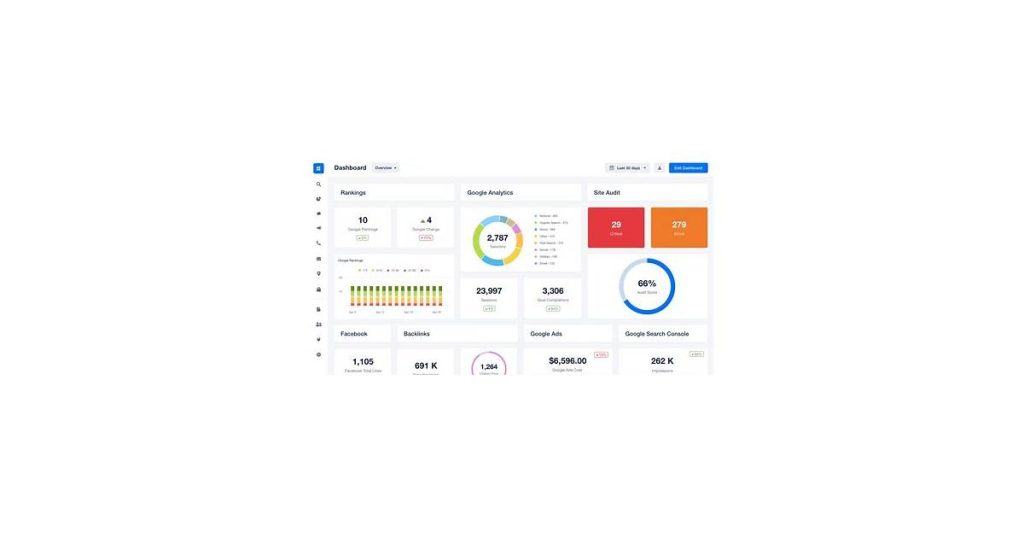
Struggling to keep up with your competitors’ SEO strategies? Authority Radar’s competitor analysis tools give you the edge you need to stay ahead. By uncovering hidden opportunities and identifying gaps in your own approach, these powerful features help you make data-driven decisions that boost your rankings.
Whether you’re a seasoned SEO professional or just starting out, Authority Radar provides actionable insights tailored to your niche. In this guide, we’ll explore how its competitor analysis tools differ from others on the market, how to integrate them with your existing workflow, and how to avoid common mistakes that could derail your progress.
What are the key competitor analysis features in Authority Radar?

Authority Radar excels at backlink tracking, content gap analysis, and ranking comparisons to uncover competitor strategies. Its real-time data and intuitive dashboards make it easy to identify opportunities and threats.
The tool tracks backlink profiles in detail, showing which sites link to competitors but not you. This reveals outreach targets or partnerships you might have missed. For content gaps, it compares your pages against competitors’ top-performing articles, highlighting topics or keywords where you’re falling behind.
Key features include:
- Competitor keyword tracking – See which terms drive traffic to rivals, with position changes over time
- Content overlap analysis – Identifies pages competing for the same search queries
- Traffic share comparisons – Visualizes how competitors divide market share for target keywords
Unlike surface-level tools, Authority Radar shows the context behind rankings. For example, if a competitor’s page ranks well despite fewer backlinks, the tool might reveal they’ve optimized for newer search intent patterns. This helps you adapt rather than just replicate.
See also: Authority Radar Backlink Monitoring: The Complete Guide f….
How Authority Radar delivers real-time competitor tracking
Authority Radar monitors competitor activity continuously, alerting you to changes as they happen. Unlike static reports, its dynamic tracking captures updates to backlink profiles, content strategies, and ranking movements, giving you an immediate edge in reacting to shifts in your niche.
The tool identifies emerging patterns—like a rival suddenly acquiring high-authority backlinks or pivoting their keyword focus—allowing you to adjust tactics before gaps widen. For example, if a competitor’s blog post gains unexpected traction, you’ll see its traffic sources and engagement metrics within hours, not weeks.
- Daily backlink alerts: Spot new partnerships or guest posts your competitors are leveraging
- Content updates: Track when rivals refresh old posts or launch new content clusters
- Ranking fluctuations: Get notified of sudden SERP position changes for shared target keywords
This approach eliminates guesswork in benchmarking. Instead of relying on monthly snapshots, you see real-time trends—like whether a competitor’s recent Google Ads campaign is stealing your click-through rates or if their technical SEO fixes improved crawlability.
See also: Authority Radar SEO Tool: Boost Your Search Performance.
Backlink Gap Analysis to Uncover Missed Opportunities
Authority Radar helps you identify backlink differences between your site and competitors, revealing untapped opportunities. By analyzing the backlink profiles of competing sites, it highlights where they’re earning links that you’re not. This insight allows you to target specific domains or content types that could boost your own link-building strategy.
For example, if a competitor has multiple links from industry blogs or directories you haven’t approached, Authority Radar flags these gaps. You can then prioritize outreach to those sources or create content tailored to attract similar links. This targeted approach ensures your efforts are focused on high-value opportunities rather than random guesswork.
See also: Authority Radar Reporting Features: Insights That Drive S….
How Authority Radar reveals content gaps and opportunities
Authority Radar competitor analysis tools let you benchmark your content against competitors’ top-performing pages. You’ll see which topics drive their traffic, which formats outperform yours (like long-form guides vs. listicles), and where your own content ranks for shared keywords. This highlights immediate opportunities—like updating outdated posts or targeting underserved subtopics.
For example, if a competitor’s “how to clean leather shoes” guide ranks #3 while yours sits on page 2, Authority Radar shows their word count, backlinks, and engagement metrics. This could reveal their version includes a step-by-step video or targets a long-tail keyword like “clean suede shoes without damaging them.”
- Traffic share by topic: Identifies if competitors dominate niches you’ve overlooked (e.g., “vegan leather care” gets 20% of their clicks)
- Content decay alerts: Flags once-popular competitor pages losing rankings—signaling a chance to refresh your version
- Format gaps: Shows if competitors succeed with infographics or FAQs where you only have standard blog posts
How Authority Radar differs from other competitor analysis tools
Authority Radar stands out by focusing specifically on backlink profiles and content gaps, with a streamlined interface that eliminates the data overload common in broader SEO tools. Where platforms like Ahrefs or SEMrush offer comprehensive feature sets, Authority Radar prioritizes actionable competitor insights with minimal setup.
Key differentiators include:
- Link intersection analysis: Identifies backlinks your competitors have that you don’t, sorted by domain authority—unlike tools that show raw lists without prioritization.
- Zero fluff reporting: Skips vanity metrics (e.g., social shares) to highlight concrete opportunities, like underlinked high-traffic pages.
- Content overlap scoring: Flags topics where competitors outperform you by analyzing semantic relevance, not just keyword matches.
For example, while many tools show that a competitor ranks for “best hiking boots,” Authority Radar could reveal they’re also ranking for related long-tail queries you’ve missed, with backlinks from niche outdoor blogs—a gap you can target directly.
Authority Radar integrates directly with major SEO platforms for deeper insights
Authority Radar connects with tools like Google Search Console, SEMrush, and Ahrefs to pull competitor data directly into your workflow. This eliminates manual data exports and reduces errors from switching between platforms.
Key integrations include:
- Rank tracking sync: Compare your rankings against competitors across multiple SEO tools in one dashboard
- Backlink analysis: Combine Authority Radar’s link profiles with third-party index data for complete coverage
- Content gap identification: Cross-reference keyword opportunities from different sources to prioritize high-impact targets
The API allows custom connections with in-house tools or niche platforms. For enterprise teams, this means competitor metrics can feed directly into existing reporting systems without rebuilding dashboards.
Authority Radar lets you build reports focused on your specific competitors and KPIs
Unlike generic competitor analysis tools, Authority Radar offers granular control over what data appears in your reports. You can filter by industry, location, or even specific competitors to exclude irrelevant noise. The dashboard highlights metrics like backlink gaps, content overlaps, and traffic trends—then lets you save these views as reusable templates.
Common use cases include:
- Local SEO audits: Compare only businesses in your city and track location-based keywords
- Content teams: Generate lists of top-performing articles from rivals to guide your editorial calendar
- Pricing pages: Isolate competitor pricing changes over time without sifting through unrelated data
Reports update automatically as new data arrives, but you retain manual control—pause notifications during product launches or set custom date ranges for quarterly reviews.
Authority Radar’s interface is built for speed and simplicity
Unlike cluttered competitor analysis tools, Authority Radar prioritizes a clean, intuitive dashboard that cuts learning time in half. Key metrics like backlink profiles and traffic trends are displayed in visual graphs, avoiding dense spreadsheets. You can compare multiple domains side-by-side with a single click—no digging through nested menus.
The tool uses smart categorization to group data logically. For example, “Link Opportunities” and “Content Gaps” are labeled clearly, so you’re not decoding vague icons. Filters for date ranges or traffic sources stay persistent across reports, so refining your analysis takes seconds.
- One-click exports: Download CSV or PDF reports without configuring columns or formats
- Keyboard shortcuts: Navigate between tabs or zoom graphs without touching the mouse
- Customizable alerts: Get notified only for the competitor movements you care about
Integrating competitor data with other Authority Radar features
Competitor analysis tools in Authority Radar become far more powerful when used alongside its keyword tracking and content gap analysis features. By cross-referencing these datasets, you’ll uncover actionable insights most tools miss.
For example, pairing competitor backlink profiles with your own site’s organic keyword rankings reveals which rival domains are outranking you for target terms—and exactly which links might be fueling their advantage. This lets you prioritize outreach to the same high-value sites.
- Combine top competitor pages with content gap analysis to identify topics they rank for that you haven’t covered
- Overlap competitor domain authority metrics with your ranking difficulty scores to spot “quick win” opportunities
- Sync competitor social shares with your engagement data to benchmark content performance
When reviewing a competitor’s high-traffic page, check Authority Radar’s “Related Keywords” tab. These long-tail variations often represent untapped content angles—ones you know already resonate with your shared audience.
How backlink monitoring enhances competitor analysis
Adding **backlink monitoring** to your competitor analysis reveals gaps in your own link profile while identifying opportunities your rivals may have missed. Instead of just seeing which sites link to competitors, you can track when new links appear, allowing you to react quickly to emerging trends.
For example, if a competitor suddenly gains backlinks from industry blogs, you can investigate whether they launched a new content campaign or partnered with influencers. This real-time data helps you adjust your strategy before falling behind.
Key insights from combined data
- Link velocity trends – Spot whether competitors are actively building links or if their profile grows organically
- Unlinked mentions – Discover websites talking about competitors without linking, then pitch your own content
- Content gaps – Compare which types of content earn competitors the most links that you don’t yet have
How competitor data strengthens SEO reports
Competitor data transforms generic SEO reports into strategic roadmaps by revealing gaps in your strategy and untapped opportunities. Unlike isolated performance metrics, these insights show relative strengths—like which keywords competitors rank for that you don’t, or content formats driving their traffic.
A practical example: if three competitors dominate featured snippets for high-intent keywords in your niche, your report should flag this with specific page suggestions. Or, if their backlink profiles show industry directories you’ve missed, the report can prioritize those acquisitions.
Key competitor metrics to include
- Keyword gaps: Ranking differences for your target terms, especially those with high traffic potential
- Content overlap analysis: Topics competitors cover extensively that your site lacks
- Backlink comparisons: High-authority referring domains they’ve secured that could benefit your site
Tools like Authority Radar could streamline this by generating side-by-side comparisons. Instead of manually exporting data, reports can highlight where you’re underperforming—like showing your blog has 30% fewer how-to guides than top competitors.
Getting started with competitor analysis using Authority Radar
Authority Radar simplifies competitor analysis by providing actionable insights into your rivals’ strategies. To start, create an account and input the domains of competitors you want to monitor. The tool will then gather data on their performance, including traffic sources, keyword rankings, and backlink profiles.
Focus on identifying gaps in your own strategy by comparing metrics like organic search visibility or social media engagement. For example, if a competitor ranks higher for a specific keyword, analyze their content and backlinks to understand why. Authority Radar’s intuitive dashboard makes it easy to filter and export this data for deeper analysis.
Set up regular alerts to track changes in your competitors’ strategies. This allows you to stay ahead by adapting quickly to their moves, whether it’s a new content campaign or a shift in paid advertising tactics.
Setting Up Your Competitor Analysis Dashboard
Configuring your competitor analysis dashboard in Authority Radar begins with defining your key competitors. Input their domains manually or import a list to ensure you’re tracking the right players in your industry. This foundational step ensures your analysis is focused and relevant.
Next, select the metrics that matter most to your strategy. Choose from options like organic traffic, backlink profiles, keyword rankings, and social media performance. Tailoring these metrics allows you to monitor specific areas where competitors excel or lag behind.
Finally, customize the dashboard layout to prioritize the data you frequently review. Drag and drop widgets to organize insights by priority, such as placing keyword rankings at the top if SEO is your primary focus. Regularly update your dashboard to reflect changes in competitor activity or shifts in your own goals.
Interpreting data and making strategic decisions
Competitor analysis tools like Authority Radar provide raw data—the real value comes from interpreting it strategically. Focus on patterns, not isolated metrics, to identify gaps and opportunities in your SEO approach.
Spotting content gaps and opportunities
Compare your top pages against competitors’ highest-traffic content. Look for:
- Themes or topics you haven’t covered
- Content formats (guides, videos, tools) outperforming your own
- Keyword clusters competitors rank for that you don’t
Prioritizing improvements
Not all competitor advantages require equal attention. Focus first on:
- Low-hanging fruit (e.g., pages where you rank just below a competitor)
- High-impact areas (competitor content dominating commercial intent keywords)
- Structural weaknesses (like thin product pages compared to their detailed ones)
Adjusting your strategy
Use backlink data to refine outreach. If competitors earn links from industry directories you’re absent from, prioritize those. Similarly, if their social shares dwarf yours, test their promotion tactics—not just their content.
Common pitfalls to avoid in competitor analysis
Effective competitor analysis requires avoiding several common traps that skew results or waste resources. The biggest mistakes include fixating on surface-level metrics, ignoring smaller competitors, and failing to act on insights.
Vanity metrics obsession: Many teams focus exclusively on follower counts or website traffic while overlooking meaningful engagement indicators like conversion rates or time-on-page. A competitor with half your traffic but triple the repeat customers reveals gaps in retention strategies.
- Solution: Track metrics that directly impact business goals – email signup rates for lead gen, cart abandonment rates for ecommerce
- Example: A SaaS company realized their “larger” competitor’s high traffic came from irrelevant blog topics when analyzing actual trial signups
Underestimating niche players: Startups and regional brands often spot market shifts first. A local coffee chain’s successful loyalty app later became standard for multinationals.
Analysis paralysis: Teams sometimes catalog competitors’ every move without prioritizing actionable insights. One retailer spent months tracking 20 competitors’ Instagram posts before finding only 3 had measurable impact on their shared customer base.
Execution errors to watch
- Copycatting without context: Duplicating a competitor’s discount strategy without understanding their profit margins or supplier deals
- Static snapshots: Analyzing competitors quarterly when market conditions change weekly (use tools like Authority Radar for real-time tracking)
- Isolated data: Viewing competitor pricing in a vacuum without correlating it with their customer service investments or product bundles
Why niche competitors matter in Authority Radar analysis
Niche competitors often fly under the radar in competitor analysis despite directly competing for your target customers. These smaller or specialized businesses may rank for long-tail keywords you’ve overlooked, carving out market share in specific segments.
A local bakery focusing on gluten-free products, for example, might not appear in broad “best bakeries” searches but dominates results for “gluten-free cupcakes near me.” Their content strategy, backlink profile, and review responses reveal tactics that work for audiences similar to yours.
Why raw competitor data isn’t enough
Competitor analysis tools like Authority Radar provide extensive data, but simply collecting metrics won’t improve your strategy. The real value lies in translating numbers into actionable insights—clear steps to outperform rivals.
How to spot gaps in your analysis
Common red flags include:
- Vanity metrics: Tracking follower counts without analyzing engagement rates or content themes.
- Surface-level comparisons: Noting a competitor’s high blog traffic but missing their content refresh schedule.
- One-size-fits-all benchmarks: Comparing your startup’s backlink profile to an established brand’s.
For example, if a tool shows a competitor ranks for 50+ keywords, dig deeper: Are they long-tail terms with low competition? Could you create better content for those queries?
Key Takeaways
- Track competitor backlinks to identify outreach targets and partnerships you missed.
- Compare content gaps to see topics or keywords where competitors outperform you.
- Monitor real-time competitor activity like backlink changes and ranking fluctuations.
- Use backlink gap analysis to find high-authority domains linking to rivals but not you.
- Benchmark content performance against competitors to update outdated posts or target new subtopics.
- Integrate Authority Radar with SEO tools like SEMrush for streamlined competitor data analysis.
How It Works
Authority Radar’s competitor analysis tools operate by continuously monitoring competitor domains and cross-referencing their data with your own. The tool pulls information from multiple sources, including backlink profiles, keyword rankings, and content performance metrics, to create a comprehensive view of your competitive landscape. It then processes this data through its algorithms to identify gaps, overlaps, and emerging trends.
For instance, when tracking backlinks, Authority Radar doesn’t just list domains linking to competitors—it prioritizes high-authority sites and highlights those missing from your profile. Similarly, for content gaps, it analyzes semantic relevance and engagement metrics to pinpoint areas where competitors outperform you. This data is presented in an intuitive dashboard, allowing you to filter, compare, and export insights tailored to your specific goals.
Types and Components
Authority Radar’s competitor analysis tools are built around three core components: backlink tracking, content gap analysis, and ranking comparisons. Each component serves a distinct purpose in uncovering competitor strategies and identifying opportunities for improvement.
- Backlink Tracking: Analyzes competitor backlink profiles to reveal domains linking to them but not you.
- Content Gap Analysis: Compares your content against competitors’ top-performing pages to highlight missing topics or formats.
- Ranking Comparisons: Tracks keyword positions over time to show where competitors outperform you in search results.
Challenges and Limitations
While Authority Radar offers powerful insights, it’s not without limitations. The tool relies on external data sources, which means its accuracy depends on the quality and timeliness of those feeds. For instance, backlink data may lag behind real-time changes due to indexing delays.
Another challenge is data overload. While the interface is streamlined, users may still feel overwhelmed by the volume of insights generated. Without clear prioritization, it’s easy to focus on minor gaps while overlooking high-impact opportunities.
Examples
Imagine you run an e-commerce site selling outdoor gear. Using Authority Radar, you could discover a competitor’s guide on ‘best hiking boots’ ranks #3 for several high-traffic keywords. The tool reveals their page includes a step-by-step video and targets long-tail queries like ‘clean suede shoes without damaging them.’ With this insight, you could update your own guide to include similar features, potentially boosting your rankings.
In another scenario, Authority Radar flags a competitor suddenly gaining backlinks from industry blogs. Investigating further, you find they launched a new content campaign featuring expert interviews. You replicate this strategy, securing links from the same blogs and narrowing the gap in domain authority.
Frequently Asked Questions
Authority Radar competitor analysis tools help you benchmark against rivals, track their content strategies, and identify gaps in your own approach. Here are answers to common questions about how they work.
How accurate is Authority Radar’s competitor data?
The tool aggregates public data like backlinks, keyword rankings, and social shares. While it doesn’t capture private metrics (e.g., a competitor’s internal traffic logs), it provides reliable insights for comparative analysis.
Can I track niche-specific competitors?
Yes. You can manually add smaller or regional competitors even if they aren’t automatically detected, letting you compare performance against businesses of any size.
What’s the best way to use the backlink comparison feature?
Focus on two actions: identifying high-authority sites linking to competitors but not you (outreach opportunities), and spotting spammy links they may have (to avoid similar risks).
Conclusion
Authority Radar’s competitor analysis tools provide actionable insights to refine your SEO strategy and outperform rivals. By uncovering gaps in their approach—whether in backlink profiles, keyword targeting, or content performance—you gain a clear roadmap for improvement.
For example, identifying competitors ranking for high-value keywords you’ve missed lets you adjust your content priorities. Spotting their underperforming pages reveals opportunities to create better resources. These tools turn competitive intelligence into concrete steps.
The advantage isn’t just matching competitors—it’s leapfrogging them. With real-time data on their moves, you can adapt faster, allocate resources smarter, and focus on weaknesses they haven’t addressed. That’s how competitor analysis shifts from reactive to strategic.
Affiliate disclosure: This article contains affiliate links. If you buy through them, we may earn a commission at no extra cost to you.


1 thought on “Authority Radar Competitor Analysis Tools for Better SEO”