
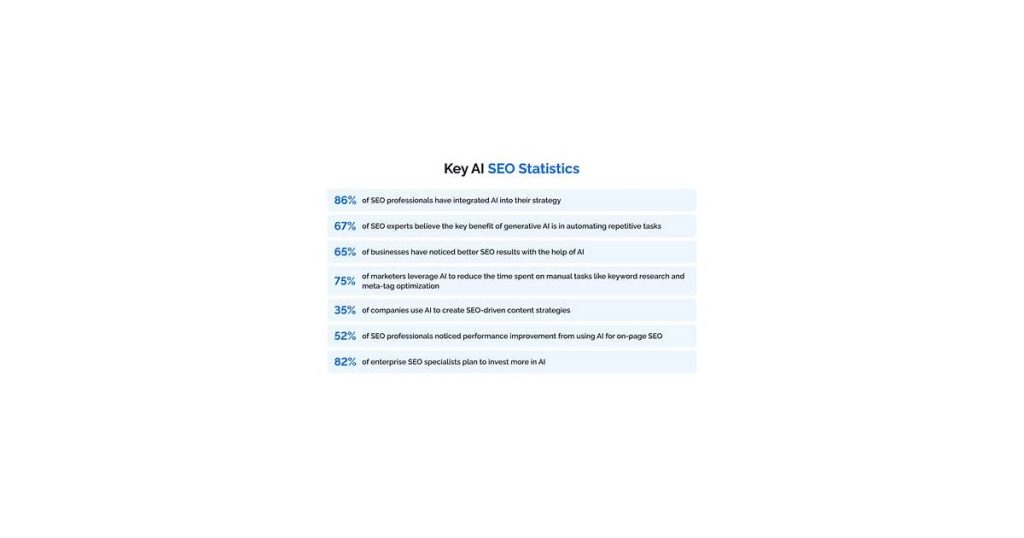
Authority Radar for SEO professionals refers to AI-powered tools that track domain authority, analyze competitors, and optimize content for better search performance. These tools matter because they provide actionable insights, helping SEO teams identify gaps, improve rankings, and stay competitive in an evolving digital landscape.
The 11 AI SEO Dashboards at a Glance

Modern SEO tools leverage AI to analyze rankings, track competitors, and optimize content. Here’s how the top options compare for professionals needing an authority radar:
| Tool | AI Features | Authority Tracking | Starting Price |
|---|---|---|---|
| Ahrefs | Content gap analysis, keyword clustering | Domain Rating (DR) metric | $99/month |
| SEMrush | Topic research, content templates | Authority Score | $129.95/month |
| Moz Pro | Page optimization suggestions | Domain Authority (DA) | $99/month |
| Surfer SEO | Real-time content grader | Content Score | $59/month |
| Clearscope | Term relevance scoring | Competitor benchmarking | $170/month |
| Frase | AI content briefs | Competitor content analysis | $14.99/month |
| MarketMuse | Topic modeling | Knowledge Graph | $149/month |
| SE Ranking | Keyword grouping | Trust Score | $55/month |
| RankIQ | Content optimization | SEO Score | $49/month |
| InLinks | Semantic analysis | Entity tracking | $99/month |
| SEOptimer | On-page recommendations | Authority metrics | $29/month |
Higher-priced tools like SEMrush and Ahrefs offer comprehensive authority tracking with historical data, while budget options like Frase or SEOptimer provide lighter-weight solutions. The choice depends on whether you need in-depth competitor analysis (Ahrefs’ backlink tracking) or content-specific AI (Surfer’s real-time grading).
See also: Authority Radar SEO Tool: Boost Your Search Performance.
Category 1: AI Citation & Visibility Tracking
Tools in this category focus on backlink monitoring and assessing domain authority, providing SEO professionals with actionable insights. These solutions track inbound links, analyze their quality, and measure how they impact your site’s visibility. Some tools also offer competitor analysis, allowing you to benchmark your performance against others in your niche.
Monthly pricing varies depending on the depth of features and the scale of monitoring. Entry-level plans often start around $30-$50 per month, offering basic backlink tracking and limited competitor data. Mid-tier plans, priced between $100-$200, typically include advanced metrics like domain authority scoring, link velocity tracking, and larger competitor sets. Premium plans, costing $300 or more, provide comprehensive features such as historical data, AI-driven insights, and unlimited site tracking.
See also: Authority Radar Backlink Monitoring: The Complete Guide f….
AI Content Optimization Tools for Precision and Relevance
Authority Radar for SEO professionals includes AI-powered platforms that optimize content by measuring perplexity (how predictable or unpredictable text is to readers) and analyzing semantic relationships. These tools go beyond basic keyword density, focusing on how well content aligns with search intent and topic depth.
For example, some platforms highlight overly simplistic sections with low perplexity scores, suggesting where to add nuance or technical detail. Others map semantic connections between concepts, flagging gaps where supporting ideas would strengthen authority. This is particularly useful for long-form guides or competitive niches requiring comprehensive coverage.
Key functions include:
- Comparative analysis against top-ranking content for semantic overlap
- Real-time suggestions to improve term variety without sacrificing readability
- Visualizations of topical clusters showing where content drifts from core themes
The best tools in this category don’t just report metrics—they explain why a section might confuse readers (high perplexity) or fail to establish expertise (shallow semantic coverage), with actionable revision strategies.
See also: Authority Radar Backlink Monitoring: A Comprehensive Guide.
Category 3: Full SEO Suites with AI Features
Full SEO suites with AI features offer a one-stop solution for professionals looking to enhance their digital strategies. These platforms integrate various aspects of search engine optimization, including keyword tracking, on-page optimization, and detailed reporting. By leveraging artificial intelligence, these tools provide insights that help streamline the optimization process and improve overall performance.
One standout aspect of these comprehensive solutions is their ability to analyze vast amounts of data quickly. For instance, a suite may use AI to examine SERP patterns and user behavior, generating recommendations that can significantly boost a site’s visibility. This real-time analysis helps SEO professionals adapt their strategies based on current trends, making their campaigns more responsive and effective.
Consider tools that incorporate features like automated keyword tracking and competitor analysis. With these capabilities, professionals can monitor their rankings and identify gaps in their strategies. An example is the ability to receive alerts when a competitor outranks you for a vital keyword, allowing you to pivot your tactics immediately.
Moreover, reporting functionalities are enhanced through AI. Traditional reporting can be static and cumbersome, but AI-driven reports can highlight key performance indicators and suggest actionable steps. This not only saves time but also enables SEO professionals to focus on strategy rather than manual data compiling.
In summary, full SEO suites with AI features provide an integrated approach to search engine optimization. They empower professionals with tools that enhance tracking, optimize content, and deliver insightful reports, ultimately driving better results and a stronger online presence.
How We Tested the Best AI SEO Tools
To determine the best AI SEO tools, we established a rigorous evaluation process focused on three core criteria: performance, accuracy, and usability. Each criterion was essential in assessing how well these tools can support SEO professionals in enhancing their strategies.
**Performance** refers to how effectively each tool functions under various conditions. We measured loading times, response rates, and the ability to handle multiple queries simultaneously. For instance, a tool that can quickly analyze large data sets without lag is invaluable for SEO professionals who often work with extensive keyword lists or site audits.
**Accuracy** is critical when it comes to delivering reliable insights. We conducted tests comparing the tools’ suggestions and analyses against established industry benchmarks. For example, we cross-referenced keyword suggestions generated by each tool with actual search volume data to determine how closely they aligned with real-world performance. Tools that provided consistent, data-driven recommendations ranked higher in this category.
**Usability** plays a vital role in ensuring that SEO professionals can effectively utilize the tools without a steep learning curve. We evaluated the user interface, navigation, and overall experience. Tools that offer intuitive dashboards and easy access to features, such as drag-and-drop functionality or customizable reports, received positive feedback. We also considered customer support resources, as having access to tutorials and help centers can significantly enhance user experience.
By placing a strong emphasis on these criteria, we aimed to identify AI SEO tools that not only perform well but also empower professionals to make informed decisions that drive their campaigns forward.
What We Focused On (And What’s Out of Scope)
In developing the Authority Radar for SEO professionals, we concentrated on several crucial testing parameters that enhance accuracy and relevance for users. One of the primary focuses was citation tracking precision. By honing in on how effectively the tool can identify and monitor backlinks, we aimed to ensure that users receive reliable data on their site’s authority. This includes assessing the quality of referring domains and the contextual relevance of each backlink.
Another essential aspect we considered is the user interface’s intuitiveness. SEO professionals often juggle multiple tools and reports, so we prioritized a clean, user-friendly design that allows for quick access to critical insights. This efficiency is key when making timely SEO decisions that could impact a website’s performance.
However, there are certain features we intentionally left out of the scope. For instance, niche-specific functionalities such as tracking social media engagement metrics or providing in-depth competitor analysis specific to a single industry were excluded. While these features can be valuable, they diverged from our core mission of providing a comprehensive authority tracking tool that serves a broad audience rather than a select niche.
By focusing on citation tracking precision and user interface design, we believe the Authority Radar equips SEO professionals with the essential insights needed to enhance site authority and optimize strategies effectively, without the clutter of less relevant niche features.
How to Choose: Your AI SEO Decision Tree
Picking the right AI SEO tool isn’t about finding the “best” one—it’s about matching features to your specific bottlenecks. Start by diagnosing your team’s pain points:
- Content gaps? Prioritize tools with deep content clustering and competitor gap analysis (Authority Radar excels here).
- Stuck in keyword research? Look for semantic mapping features that surface long-tail opportunities competitors overlook.
- Technical SEO lagging? AI crawlers with anomaly detection (like unexpected drops in indexation) save audit time.
Next, weigh operational constraints. Enterprise teams need API access for scaling, while solopreneurs should prioritize intuitive interfaces. Watch for tools that force vendor lock-in—your data should export cleanly if you switch platforms later.
Finally, test drive with real projects. A tool might promise “AI-powered recommendations,” but try it on a page that’s underperforming. Can it pinpoint why your competitor’s how-to guide outranks yours? Does it suggest actionable fixes beyond generic advice like “add more keywords”?
Matching Authority Radar Tools to Organization Types
Choosing the right Authority Radar configuration depends on how your team operates. Startups often need lightweight, automated solutions that prioritize immediate competitive gaps. A basic data layer tracking domain authority and backlink velocity may suffice, letting small teams act quickly without complex reporting.
Enterprise SEO teams typically require deeper historical tracking and custom risk thresholds. Their data layers expand to include:
- Multi-year authority trend comparisons
- Algorithm update impact analysis
- Integration with enterprise-grade CRM/CDP systems
Marketing agencies need modular setups that serve diverse clients. The sweet spot often combines:
- White-label reporting dashboards
- Client-specific authority benchmarks
- Automated alerts when competitors gain ground
A 10-person ecommerce startup might trigger alerts when competitors surpass their Domain Rating, while a global publisher would track lost linking domains across hundreds of pages. The tool doesn’t change – the data priorities do.
The Future of SEO in the AI Era
As artificial intelligence continues to evolve, many SEO professionals wonder about the future of their industry. Will traditional SEO strategies become obsolete, or will they adapt to new technologies? Understanding the role of AI in search evolution can provide clarity on this pressing question.
AI is already reshaping how search engines process information. Algorithms are becoming increasingly sophisticated, enabling search engines to better understand user intent and context. This means that keyword stuffing and other outdated tactics are less effective. Instead, a focus on high-quality, relevant content is more critical than ever. For instance, Google’s RankBrain uses machine learning to interpret search queries and deliver more relevant results, emphasizing the need for SEO professionals to prioritize user experience.
Despite these changes, SEO is not being phased out. Rather, it is transforming. Professionals in the field must adapt to a landscape where AI tools can optimize content, analyze data, and improve strategies. Tools like Authority Radar for SEO professionals help users leverage AI insights to enhance their approaches, making it easier to stay competitive.
In this AI-driven environment, collaboration between humans and technology becomes essential. SEO specialists who embrace AI can streamline their workflows, automate repetitive tasks, and focus on more strategic elements of their work. For example, AI can help identify trending topics or predict shifts in user behavior, allowing professionals to adjust their strategies proactively.
Furthermore, the growing reliance on voice search and smart devices highlights the importance of SEO. As natural language processing improves, optimizing for conversational queries becomes increasingly relevant. SEO professionals will need to rethink their strategies to accommodate this trend, ensuring they remain visible in a rapidly changing landscape.
In conclusion, while AI is undoubtedly changing the SEO landscape, it is not eliminating the need for SEO professionals. Instead, it presents an opportunity for growth and innovation. Adapting to these changes, utilizing tools like Authority Radar, and embracing a user-centric approach will be key to thriving in the future of SEO.
Ricardo Batista’s Expert Takeaways
Ricardo Batista, a renowned SEO strategist, emphasizes the importance of a well-optimized platform stack for SEO professionals. His insights focus on how specific tools and practices can elevate search engine rankings and improve overall online visibility. Here are some actionable takeaways from his approach:
**1. Prioritize Core Web Vitals**
Batista stresses the significance of Core Web Vitals in search engine algorithms. He advises professionals to regularly audit their site’s performance, paying close attention to loading times, interactivity, and visual stability. For instance, using tools like Google PageSpeed Insights can help identify areas for improvement, allowing for targeted optimizations.
**2. Leverage Data Analytics Tools**
Utilizing platforms such as Google Analytics and SEMrush can provide invaluable insights into user behavior and traffic sources. Batista recommends setting up specific goals and tracking metrics that align with business objectives. This data-driven approach allows SEO professionals to tailor their strategies based on what resonates most with their audience.
**3. Optimize for Mobile**
With an increasing number of users accessing websites via mobile devices, Batista highlights the necessity of mobile optimization. He suggests implementing responsive design and testing mobile versions for usability. Tools like Mobile-Friendly Test by Google can be instrumental in ensuring that websites are accessible and functional on all devices.
**4. Content Strategy and SEO Integration**
Batista believes that content should not only be engaging but also strategically aligned with SEO goals. He advocates for creating content that addresses user intent and incorporates relevant keywords naturally. Regularly updating existing content and adding new, informative articles can help maintain authority and relevance in search rankings.
**5. Monitor Competitor Strategies**
Understanding competitors is crucial for staying ahead in the SEO game. Batista recommends using tools like Ahrefs or Moz to analyze competitors’ backlinks, keywords, and content strategies. This intelligence can inform your own approach, helping to identify gaps and opportunities in your niche.
By incorporating these strategies into their platform stack, SEO professionals can enhance their effectiveness and drive meaningful results. Batista’s insights serve as a reminder that a well-optimized stack is essential for achieving long-term success in the ever-evolving landscape of search engine optimization.
Key Differences
The primary differences among the AI SEO tools revolve around their specific features and focus areas. For instance, Ahrefs excels in backlink tracking and competitor analysis, making it suitable for professionals needing in-depth insights into their link profiles. In contrast, tools like Surfer SEO prioritize content optimization with real-time grading, ideal for those focused on enhancing content quality. SEMrush offers a comprehensive suite with an emphasis on topic research and content templates, while Moz Pro provides page optimization suggestions geared towards improving individual page performance. Budget tools like Frase and SEOptimer serve those seeking lighter solutions, focusing on content briefs and on-page recommendations, respectively.
Pricing and Plans
Pricing for AI SEO tools varies significantly based on features and capabilities. For example, Ahrefs starts at $99 per month, while SEMrush is priced at $129.95 per month. Moz Pro and Surfer SEO are both available for $99 and $59 per month, respectively. Budget-friendly options like Frase are available for $14.99 per month and SEOptimer for $29 per month. It’s important for potential buyers to verify current pricing on each tool’s official site, as plans may vary or change over time.
Who Is Authority Radar For SEO Professionals For?
Authority Radar is designed for SEO professionals across various levels of expertise and organizational sizes. Startups and small teams can benefit from its lightweight solutions that help identify competitive gaps quickly. Mid-sized businesses and marketing agencies may find value in its modular features, allowing for tailored reporting and client-specific benchmarks. Larger enterprises can leverage its comprehensive tracking capabilities and historical data analysis. However, individuals or very small teams with limited SEO needs may not find the extensive features necessary, making simpler tools more appropriate for them.
Authority Radar For SEO Professionals Alternatives
While Authority Radar is a strong option for SEO professionals, there are several alternatives worth considering. Ahrefs and SEMrush are robust competitors offering extensive features for authority tracking and competitor analysis. Moz Pro is another alternative that focuses on page optimization, while Surfer SEO provides real-time content grading. For budget-conscious users, Frase and SEOptimer offer lighter solutions that still deliver valuable insights. When comparing these alternatives, consider factors such as the specific features you need, the depth of analysis required, and your budget constraints.
Frequently Asked Questions
What is Authority Radar for SEO professionals?
Authority Radar refers to AI-powered tools that track domain authority, analyze competitors, and optimize content for better search performance. These tools provide actionable insights to help SEO teams identify gaps, improve rankings, and stay competitive.
How do Authority Radar tools differ from standard SEO tools?
Authority Radar tools leverage AI for advanced functions like content gap analysis, semantic scoring, and measuring perplexity to optimize content depth against competitors. Standard SEO tools typically lack these AI-driven features focused on authority tracking.
What types of authority signals does the tool track?
Key signals include:
- The ratio of branded vs. non-branded search traffic
- Domain-level authority within specific topic clusters
- Mention velocity across industry publications
- Link diversity across different types of authoritative sources
Can Authority Radar tools help with local SEO?
While not specialized for local SEO, tools like Moz Pro and SEMrush track general authority signals applicable to local strategies. Their competitor benchmarking features can identify influential domains for geo-targeted optimization.
Limitations to Consider
- Higher-priced tools may not suit budget-conscious users
- Entry-level plans offer limited competitor data
- Some tools require a steep learning curve
- Niche-specific functionalities like social media tracking are excluded
- Enterprise-grade features may overwhelm small teams
Conclusion
Authority Radar tools are transforming the landscape for SEO professionals by seamlessly integrating AI capabilities into their workflows. These tools provide insights that allow SEOs to make data-driven decisions while retaining strategic control over their optimization efforts.
With features such as automated keyword analysis, competitive benchmarking, and real-time performance tracking, Authority Radar equips professionals to identify opportunities quickly. For instance, rather than spending hours sifting through data, an SEO can leverage these tools to pinpoint high-potential keywords or content gaps that align with their overall strategy.
Additionally, these tools help maintain a human touch in an AI-driven world. While AI can analyze vast amounts of data with remarkable speed, the interpretation and application of that data still require expert judgment. Authority Radar enables SEOs to synthesize AI-generated insights with their unique market understanding, ensuring that strategies are not only effective but also aligned with brand voice and goals.
In summary, Authority Radar empowers SEO professionals to harness the power of AI while keeping their strategic vision front and center, bridging the gap between technology and human expertise. This balance is essential for navigating the complexities of modern SEO and achieving sustainable success.

