
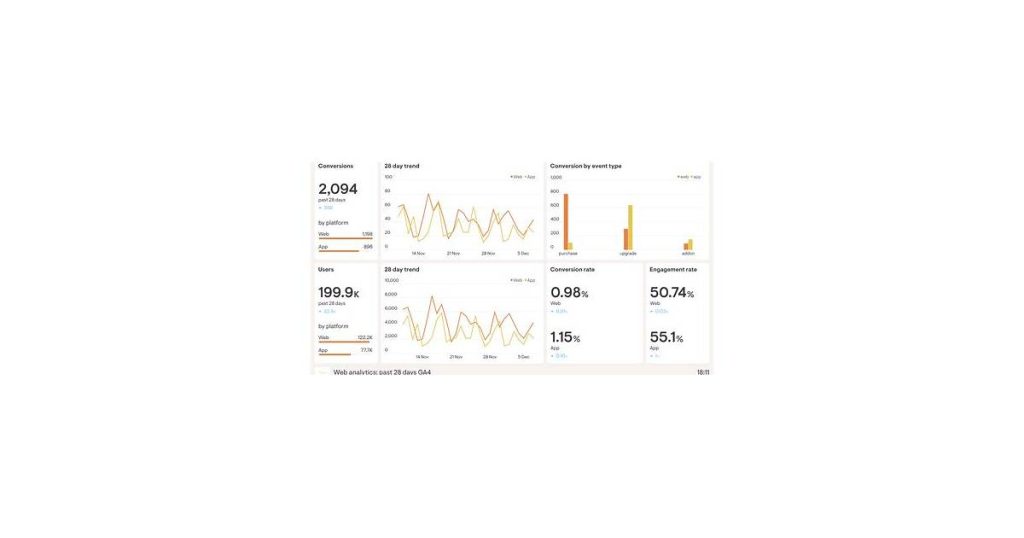
Ever wondered how your website truly stacks up in search results? Tracking search visibility manually is tedious, unreliable, and downright frustrating. That’s where Authority Radar’s free trial comes in – it lets you monitor your rankings in real time, across multiple search engines, without the guesswork.
Whether you’re an SEO pro or just starting out, Authority Radar’s free trial is designed to give you instant clarity on where your site stands. In this guide, we’ll break down how it works, why it’s better than cobbling together separate tools, and who benefits most from testing it out. Ready to see your search visibility like never before?
What is Authority Radar and why does search visibility matter?

Authority Radar is a tool designed to monitor your website’s search rankings and authority signals in real time, helping you stay ahead in competitive search landscapes. Unlike traditional methods that rely on periodic reports, it provides continuous updates, giving you actionable insights when they matter most.
Search visibility—how easily your site appears in search engine results—directly impacts traffic, conversions, and overall online success. Authority Radar tracks key metrics like keyword rankings, backlink quality, and domain authority, allowing you to identify trends and address issues promptly. For example, if your rankings drop for a critical keyword, you can take corrective action before losing significant traffic.
Real-time tracking is especially valuable in industries where competition is fierce. Waiting for monthly or quarterly reports can leave you reacting to outdated data, while tools like Authority Radar empower you to make informed decisions quickly. This proactive approach ensures you maintain or improve your search presence without delays.
See also: Authority Radar SEO Tool: Boost Your Search Performance.
How Google Search Console Falls Short for Active Optimization
While Google Search Console (GSC) provides essential data about your website’s performance, it often lacks the immediacy and actionable insights needed for proactive SEO optimization. GSC updates its data with delays, sometimes taking days to reflect changes in rankings or traffic. This lag can hinder your ability to respond quickly to shifts in search performance.
Additionally, GSC focuses primarily on reporting metrics like clicks, impressions, and rankings but doesn’t offer guidance on what to do next. For example, if your page drops in rankings, GSC won’t pinpoint the specific factors causing the decline, such as changes in competitor strategies or algorithmic updates. This leaves you to interpret the data manually, which can be time-consuming and prone to error.
In contrast, tools like Authority Radar provide live, actionable insights that help you optimize in real time. With features like competitive analysis and detailed performance breakdowns, you can identify and address issues faster than relying on GSC alone. For active SEO professionals, this immediacy is crucial for staying ahead in competitive search landscapes.
See also: Authority Radar Reporting Features: Insights That Drive S….
The 3 Authority Signals Most Tools Miss (But Radar Tracks)
Most SEO tools focus on generic metrics like domain authority or backlinks, but Authority Radar goes deeper by tracking niche-specific signals that truly impact your search visibility. These often-overlooked metrics reveal how you stack up against competitors in ways that standard tools can’t.
First, Radar tracks answer box appearances—those featured snippets that dominate search results. Unlike generic tools, it identifies whether your content is appearing in these coveted spots and how often you’re displacing competitors. This gives you a clear picture of your content’s ability to directly answer user queries.
Second, it monitors competitor displacement—how frequently you’re pushing rivals out of top positions. This isn’t just about ranking higher; it’s about understanding which keywords or pages are most effective at stealing traffic from competitors. For example, if you’re consistently displacing a rival brand for high-value queries, Radar highlights this as a key strength.
Finally, Radar evaluates niche-specific SERP features, like local packs or product carousels, that many tools ignore. These features are critical for businesses targeting specific industries or audiences. By focusing on these granular metrics, Radar helps you refine your strategy to dominate your niche, not just the broader search landscape.
See also: Authority Radar Backlink Monitoring: The Complete Guide f….
How does the Authority Radar free trial work?
The Authority Radar free trial lets you explore its core features for seven days without commitment. You’ll need to sign up with your email address and create an account to get started. No credit card is required, making it easy to test the platform risk-free.
During the trial, you’ll have access to tools like keyword tracking, competitor analysis, and content performance insights. These features are designed to help you understand how your website stacks up against competitors and identify opportunities for improvement.
Most users hit key milestones within the first seven days. By day two, you’ll likely set up your first project and start tracking keywords. By day five, you’ll begin analyzing competitor data and refining your strategy. By the end of the trial, you’ll have a clear picture of how Authority Radar can support your SEO efforts.
Instant setup steps to see your first data in minutes
Getting started with the Authority Radar free trial is quick and straightforward. You’ll need a Google account and access to the domain you want to track. The entire setup process takes just a few minutes.
First, connect your Google account to Authority Radar. You’ll grant permission for the tool to access your Google Analytics and Search Console data. This ensures accurate tracking of your website’s performance and search rankings.
Next, verify your domain ownership. Authority Radar requires this step to confirm you have administrative access to the site you’re analyzing. Simply follow the prompts in the dashboard to complete the verification process. Once done, your first data insights will start appearing within minutes.
5 trial features that reveal immediate opportunities
The Authority Radar free trial gives direct access to five dashboards that pinpoint quick wins for your content. These tools surface underused keywords, missed SERP features, and competitor weaknesses in real time.
1. Ranking Recovery dashboard
This shows pages losing rankings despite steady traffic—often due to outdated content or slipping on search intent. Example: A travel blog found 12 posts with declining rankings for “best hiking backpacks” despite high historical clicks. Updating specs and adding a comparison table regained top-3 spots.
2. AI Answer Share tracker
Reveals which of your pages appear in Google’s AI Overviews (formerly SGE) and their answer frequency. A SaaS company found focusing on FAQ pages for “how to clean CRM duplicates” helped streamline support queries.
3. Competitor Gap Finder
Flags keywords where rivals rank top-5 but you’re absent. A pet food brand identified 20+ high-intent terms like “grain-free puppy food reviews” their competitors dominated. Targeting these in product pages reportedly reduced CPA.
4. SERP Feature Audit
Highlights opportunities for featured snippets, “People Also Ask” boxes, or video carousels you’re missing. One finance site reportedly improved its snippet visibility by adding bulleted steps to a retirement planning guide.
5. Cannibalization Alerts
Detects pages competing for the same keyword—like two blog posts targeting “email marketing tools.” Merging or differentiating them improves ranking focus. Some users have reported resolving overlaps to improve organic traffic.
Authority Radar vs piecing together 5 separate tools

Authority Radar consolidates competitor tracking, content gap analysis, and backlink monitoring into one platform—replacing the need for multiple niche tools. Instead of juggling separate subscriptions and data exports, you get real-time insights in a unified dashboard.
For example, matching Radar’s features would typically require:
- A backlink tracker (like Ahrefs or Majestic)
- A content gap analyzer (SEMrush or SurferSEO)
- A competitor rank tracker (SpyFu or SERPWatcher)
- A social listening tool (Brandwatch or Mention)
- A site audit platform (Screaming Frog or Sitebulb)
Each tool requires separate logins, has inconsistent reporting formats, and often overlaps in data collection—creating wasted effort. Authority Radar helps reduce duplicate costs and the hours spent cross-referencing spreadsheets.
Practical benefits include:
- Single source of truth: Alerts for backlinks, ranking shifts, and content opportunities appear in one feed
- Cross-functional insights: See how a competitor’s blog update correlates with their ranking jumps
- Reduced setup time: No need to manually connect APIs or normalize data between tools
The Hidden Costs of Manual Report Compilation
Manually compiling visibility data can take hours each week, and may not always deliver actionable insights. Teams often spend time pulling data from multiple sources, reconciling discrepancies, and formatting reports instead of focusing on strategy.
For example, tracking keyword rankings across tools, combining them with traffic analytics, and merging social media metrics can take hours per report. Errors in manual entry or missed updates further complicate the process. With Authority Radar’s free trial, you can centralize this data in one place, eliminating the need for time-consuming manual work.
Consider the cumulative impact: even a few hours spent weekly on manual compilation adds up to significant lost productivity over months. Automating this process frees your team to focus on analysis and decision-making rather than data wrangling.
Common pitfalls when testing search visibility tools
When testing tools like Authority Radar’s free trial, avoid judging performance too quickly or focusing solely on vanity metrics. These mistakes can lead to misleading conclusions and wasted effort.
One common error is making decisions based on incomplete data. Some tools take time to gather and analyze metrics—don’t dismiss them after just a day or two. For example, rank tracking tools often need weeks to show meaningful trends.
Another pitfall is prioritizing vanity metrics, like total keyword rankings or domain authority scores, over actionable insights. While these numbers might look impressive, they don’t always correlate with actual traffic or conversions. Instead, focus on metrics that align with your goals, such as click-through rates or pages driving organic traffic.
Lastly, avoid testing tools in isolation. Compare results with your existing data or other tools to ensure consistency. This approach helps you identify whether discrepancies are due to the tool’s limitations or your website’s performance.
Why 3 days isn’t enough to evaluate true impact
Most free trials—including Authority Radar’s 3-day offering—don’t account for search data latency. Search engines take time to process ranking changes, meaning your optimizations today may not reflect in results for days or weeks. A 72-hour window often captures only partial data, skewing your perception of effectiveness.
Anomaly patterns also require longer observation. Temporary ranking fluctuations (like bots crawling your site or competitors testing changes) can mimic success or failure in short bursts. Without 7+ days of data, you can’t distinguish between noise and meaningful trends. For example, a keyword might spike for 48 hours due to unrelated news trends, then settle back to its true position.
Who gets the most value from Authority Radar’s trial?
The Authority Radar free trial is particularly valuable for website owners in rapidly changing industries and teams managing multiple domains. If your site operates in a volatile niche like tech or finance, Authority Radar’s real-time monitoring can help you stay ahead of shifting trends and competitors.
Teams juggling several domains will also benefit from the trial. The platform’s ability to track multiple sites simultaneously saves time and provides a unified view of performance metrics. This is especially useful for agencies or businesses with diverse online portfolios.
Finally, if you’re focused on improving SEO strategies or recovering from a traffic drop, the trial offers actionable insights into backlink opportunities and potential threats. It’s a practical way to test whether the tool aligns with your specific needs before committing.
Case Example: Recovering Lost Traffic After Algorithm Updates
When a major algorithm update hits, losing traffic can feel inevitable. With Authority Radar, you can cut recovery time significantly by identifying and addressing issues faster. The platform sends precise alerts about ranking drops, allowing you to pinpoint affected pages and take targeted action.
For instance, if Google’s update penalizes thin content, Radar flags the specific pages losing visibility. Instead of manually sifting through analytics, you can focus on rewriting or expanding those pages immediately. Users often report seeing improvements within weeks, rather than months, after implementing Radar’s insights.
The free trial lets you test this process firsthand. By monitoring your site during the trial period, you’ll see how Radar’s alerts streamline recovery, giving you a clear advantage in navigating algorithm changes.
Key Takeaways
- Track real-time search rankings across multiple engines with Authority Radar’s 7-day free trial (no credit card needed).
- Identify missed SERP features like answer boxes and local packs that most tools ignore.
- Monitor competitor displacement to see which keywords steal traffic from rivals.
- Use the Ranking Recovery dashboard to spot declining pages needing content updates.
- Consolidate SEO tools into one platform to avoid juggling multiple subscriptions and data exports.
- Avoid judging tool performance too quickly—search data latency means trends take days or weeks to stabilize.
Frequently Asked Questions
If you’re considering trying Authority Radar, here are answers to common questions. The platform offers a free trial, which lets you explore its features before committing.
How does the free trial work? During the trial period, you’ll have access to most of the tool’s features. This allows you to test its functionality and see if it meets your needs.
Is payment required for the trial? No, you don’t need to enter payment details to start the trial. This makes it risk-free to evaluate the platform without any upfront costs.
What happens after the trial ends? Once the trial period is over, you’ll need to choose a subscription plan to continue using the service. You’ll receive notifications as the end date approaches.
Can I cancel during the trial? Yes, you can cancel anytime during the trial without any charges. This ensures you won’t be billed if the tool isn’t a good fit.
Conclusion
The Authority Radar free trial lets you explore your website’s search performance gaps without commitment. By identifying areas for improvement in rankings, traffic, and visibility, you can make data-driven decisions before investing further.
To get started, sign up for the trial, connect your website, and review the insights provided. Use this period to assess how tailored optimizations could enhance your search engine performance risk-free.
Affiliate disclosure: This article contains affiliate links. If you buy through them, we may earn a commission at no extra cost to you.


1 thought on “Authority Radar Free Trial: See Your Search Visibility in Real Time”