

Struggling to grow sales? B2B lead generation helps you attract the right businesses, improve outreach, build trust, and turn prospects into loyal customers.
But it’s not just about collecting contacts—it’s about attracting the right companies that truly need what you offer. You’ll discover simple yet powerful strategies to identify, reach, and engage potential clients effectively. Whether you want to improve your outreach or build lasting relationships, these tips will help you turn prospects into loyal customers.
Keep reading to transform your lead generation game and watch your business thrive.
B2b Lead Generation Basics
B2B lead generation is the process of finding businesses interested in your products or services. It focuses on building relationships with other companies, not individual consumers. Success depends on knowing your market and reaching the right contacts effectively.
Lead generation involves many strategies. These include content marketing, SEO, social media, and direct outreach. Each method aims to attract and capture potential business clients who may turn into loyal customers.
Target Audience In B2b
In B2B, the target audience is other businesses, not consumers. These can be companies that buy products for resale or use them in their operations. Identifying the right companies helps tailor your message and increase lead quality.
Decision-makers vary by industry and company size. They can be managers, executives, or procurement officers. Understanding their needs and challenges improves communication and builds trust.
Common B2b Industries
Several industries rely heavily on B2B lead generation. Software as a Service (SaaS) companies sell tools to other businesses to improve productivity. Manufacturers supply parts or materials to other manufacturers or retailers.
Logistics and supply chain businesses provide shipping and warehousing services. These industries need steady business clients to grow and maintain operations. Tailoring lead generation to these sectors increases chances of success.
Inbound Lead Strategies
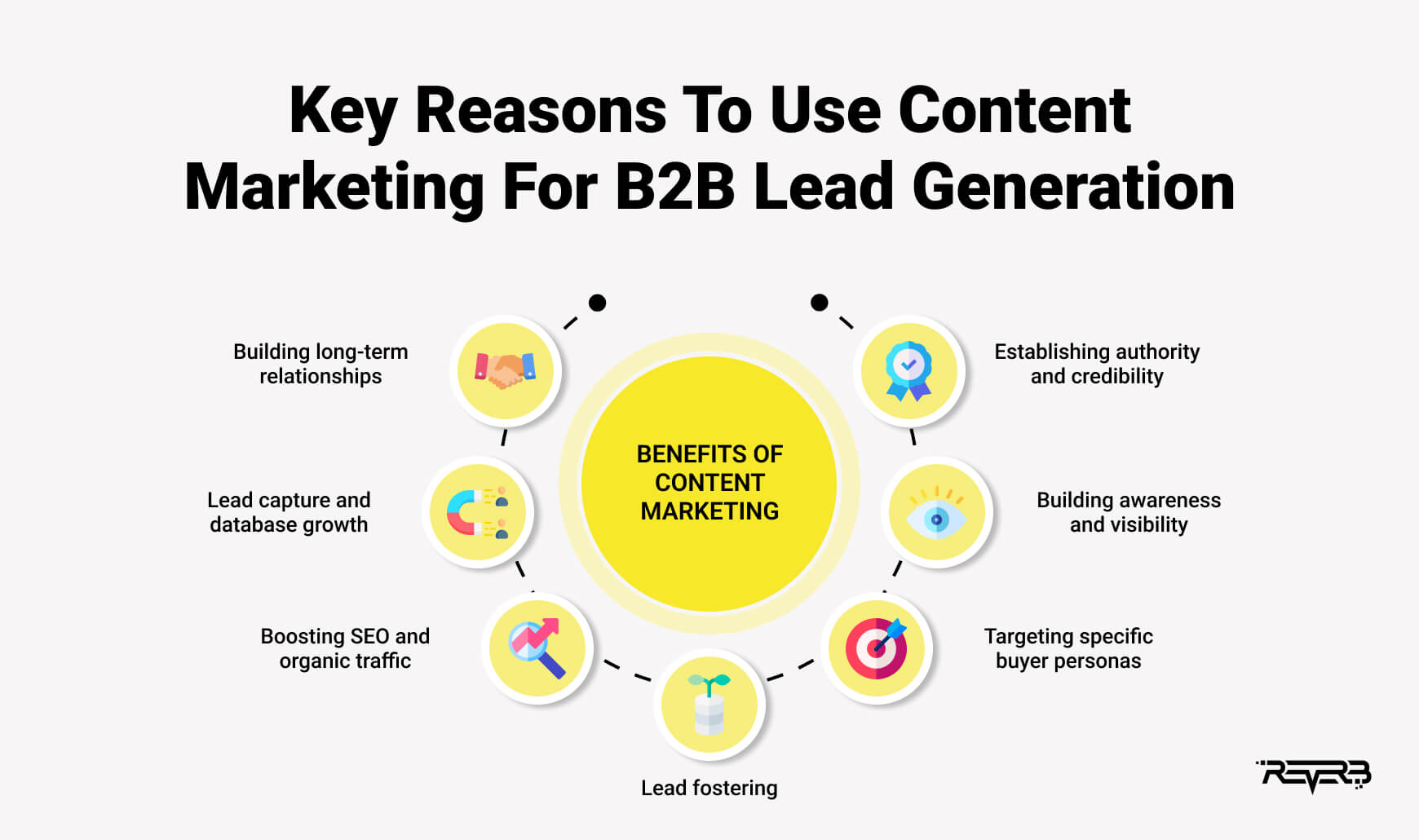
Inbound lead strategies focus on attracting businesses by offering useful information and engaging experiences. These methods pull potential clients toward your brand naturally. The goal is to build trust and provide value before asking for a sale. Effective inbound tactics help generate quality leads with less resistance.
Content Marketing Tactics
Content marketing uses helpful materials to draw interest. Blog posts, whitepapers, ebooks, and webinars teach potential customers about your services. Sharing real solutions builds credibility. Clear, simple language works best for B2B audiences. Regularly updated content keeps visitors coming back. It also positions your company as an expert in your field.
Seo For Lead Growth
SEO improves your website’s visibility in search engines. Use keywords that business buyers often search for. Optimize titles, headings, and meta descriptions to increase clicks. Fast loading times and mobile-friendly design boost rankings. Higher search rankings bring more organic traffic. This traffic converts into leads when your content answers key questions.
Social Media Engagement
Social media platforms like LinkedIn connect you with other businesses. Sharing useful posts encourages interaction and builds relationships. Answer questions and join group discussions to increase trust. Posting regularly keeps your brand visible. Engaged followers are more likely to become leads. Social media also allows targeted ads to reach specific industries.
Website Optimization Tools
Website tools help capture leads directly from visitors. Exit-intent popups offer special content or discounts before visitors leave. Chatbots provide instant answers and guide users to helpful pages. Contact forms with clear calls to action make it easy to request more information. Analyzing visitor behavior helps improve your site’s lead capture success. These tools turn casual visits into potential sales conversations.
Outbound Lead Strategies
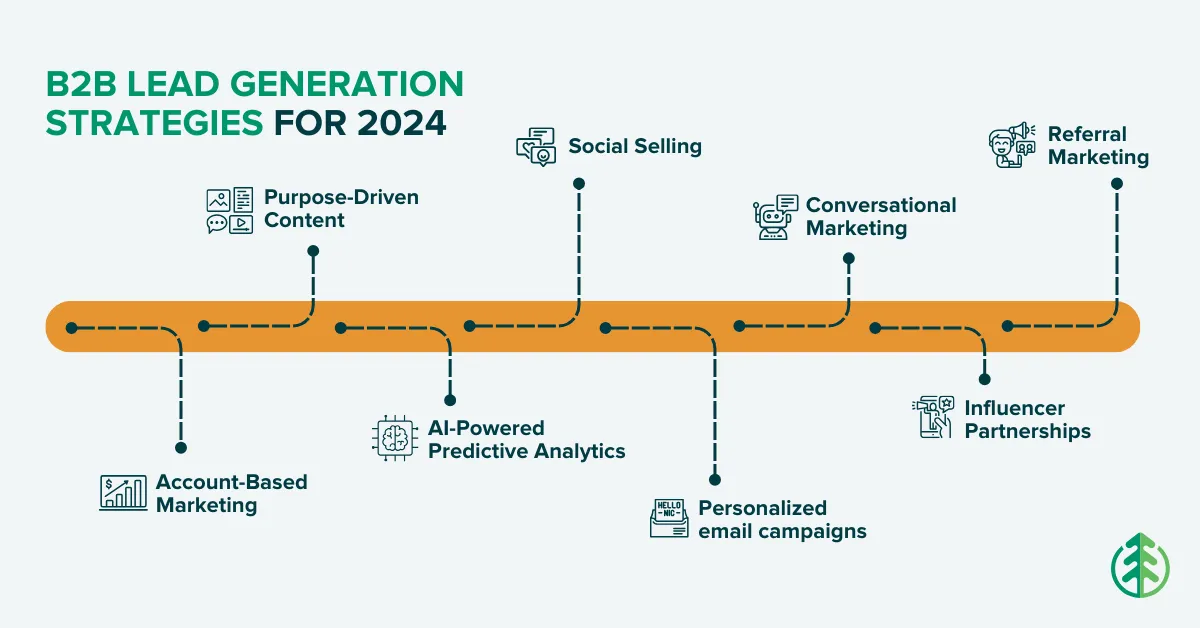
Outbound lead strategies play a crucial role in B2B lead generation. These methods actively reach out to potential clients. They help businesses connect with prospects who may not yet know about their services. Effective outbound tactics can build relationships and open doors to new opportunities. Choosing the right strategies depends on the target audience and business goals.
Cold Calling And Email Outreach
Cold calling remains a direct way to connect with prospects. It allows real-time interaction and immediate feedback. Successful cold calls focus on understanding the client’s needs quickly. Personalizing the conversation increases interest and trust.
Email outreach is another powerful tool. Craft short and clear emails with a strong subject line. Personalize each message to show relevance to the recipient. Follow up consistently but avoid being pushy. Combining calls with emails often yields better results.
Social Selling Techniques
Social selling uses platforms like LinkedIn to build relationships. Sharing useful content and engaging with posts helps establish authority. Connecting with decision-makers increases the chance of meaningful conversations.
Respond to comments and messages promptly. Join industry groups and participate in discussions. This approach creates trust and keeps your brand visible to potential leads.
Networking Opportunities
Networking events allow face-to-face or virtual meetings with prospects. Conferences, trade shows, and workshops offer chances to showcase products. Prepare a clear pitch and listen to attendees’ challenges.
Building genuine connections at these events can lead to referrals. Follow up quickly after meeting to keep the conversation alive. Networking helps create a solid foundation for long-term business relationships.
Referral Programs
Referral programs encourage existing clients to recommend your business. Offering incentives motivates customers to share their positive experiences. This strategy builds credibility through trusted sources.
Make the referral process simple and easy to follow. Track referrals and thank customers promptly. A well-run program can generate high-quality leads with less effort.
Ai And Technology In Lead Generation
Artificial intelligence and technology have changed how businesses find new leads. These tools help companies identify, reach, and engage potential clients faster. They save time and improve the quality of leads. Using AI and tech in lead generation makes the process smarter and more efficient.
Ai Sales Tools For Targeting
AI sales tools analyze data to find the best prospects. They study past behaviors and buying patterns to predict who might buy next. These tools help sales teams focus only on high-potential leads. This reduces wasted effort and increases chances of closing deals.
Web Scraping For Leads
Web scraping collects data from websites automatically. It helps gather contact details and company info without manual work. Businesses use this data to build lead lists quickly. Web scraping finds up-to-date information that improves lead accuracy.
Live Chat And Chatbots
Live chat and chatbots provide instant communication on websites. They answer questions and capture visitor information 24/7. Chatbots can qualify leads before passing them to sales staff. This keeps visitors engaged and increases lead conversion rates.
Paid Lead Generation Methods
Paid lead generation methods offer a direct way to reach potential business clients. These methods use advertising budgets to target specific audiences. They provide quick results and measurable outcomes. Paid strategies complement organic efforts by expanding reach and visibility.
Investing in paid campaigns allows businesses to control their message and timing. It creates opportunities to test different approaches and optimize based on performance. Paid lead generation is essential for companies aiming to grow their B2B sales pipeline efficiently.
Linkedin And Facebook Ads
LinkedIn and Facebook Ads help target professionals and decision-makers. LinkedIn ads focus on job titles, industries, and company sizes. This precision reaches the right business audience. Facebook ads offer broad targeting options and detailed demographics. Both platforms support lead forms to capture information instantly. Using these ads increases brand awareness and drives qualified leads quickly.
Google Ads Campaigns
Google Ads appear when users search for relevant keywords. This intent-driven traffic often converts well. B2B companies bid on terms related to their products or services. Google Ads include search ads, display ads, and remarketing. Each format helps stay visible across the buyer’s journey. Proper keyword research and ad copy boost campaign effectiveness.
Pay-for-performance Models
Pay-for-performance models charge only for actual leads generated. This reduces upfront risk and aligns costs with results. Businesses pay when a lead meets agreed quality criteria. It encourages providers to deliver high-quality prospects. This model works well for companies with tight budgets. It offers clear ROI and better budget control.

Credit: firstpagesage.com
Measuring Lead Generation Success
Measuring lead generation success is vital for B2B businesses. It helps understand the value of your efforts and guides better decisions. Without tracking, you risk wasting time and money on ineffective tactics.
Regular measurement reveals which strategies bring quality leads. It also shows where improvements are needed to boost results. This process ensures your lead generation aligns with your business goals.
Key Metrics To Track
Track the number of leads generated to measure reach. Monitor lead quality by assessing how many leads fit your ideal customer profile. Measure cost per lead to control your budget effectively.
Conversion rate shows the percentage of leads turning into customers. Lead source tracking identifies which channels bring the best leads. Time to conversion reveals how fast leads become paying clients.
Optimizing Conversion Rates
Improving conversion rates increases your return on investment. Start by analyzing lead behavior and engagement levels. Use clear calls-to-action to guide prospects through the sales funnel.
Test different messages and offers to see what resonates best. Simplify forms to reduce friction and increase sign-ups. Follow up quickly and personally to nurture leads effectively.
Case Studies And Examples
Real-life case studies show how B2B lead generation works in different industries. They reveal methods that bring success and highlight challenges to avoid. These examples help businesses understand practical steps to reach the right clients.
Saas Lead Generation
A SaaS company targeted small businesses needing project management tools. They used content marketing and free trials to attract leads. Blogging about common business problems helped them reach decision-makers. Email campaigns nurtured leads, turning interest into sales. This approach increased qualified leads by 40% in six months.
Manufacturing Sector
A manufacturer of industrial parts focused on trade shows and LinkedIn outreach. They showcased product demos to capture attention. The team followed up with personalized emails and phone calls. They also used SEO to improve their website’s visibility. These efforts led to a 30% growth in new customer inquiries.
Logistics And Supply Chain
A logistics company used case studies and client testimonials to build trust. They optimized their website for local search terms to attract nearby businesses. Social media posts shared industry insights and company updates. Cold emailing targeted specific industries with tailored solutions. The strategy resulted in a 25% rise in qualified leads over four months.
Credit: referralrock.com
Credit: www.saasquatch.com
Read More : Email Marketing Consulting: Boost Sales with Expert Strategies
Frequently Asked Questions
What Are The 7 P’s Of B2b?
The 7 P’s of B2B are Product, Price, Place, Promotion, People, Process, and Physical evidence. They guide business marketing strategies.
How To Get A B2b Lead?
Generate B2B leads by creating valuable content, optimizing for SEO, engaging on LinkedIn, using cold outreach, and leveraging referrals.
What Does B2b Mean?
B2B means business-to-business, where companies sell products or services directly to other businesses, not consumers.
What Is The Average Cost Of A B2b Lead?
The average cost of a B2B lead ranges from $30 to $150, depending on industry and lead quality. Higher-quality leads usually cost more.
Conclusion
Effective B2B lead generation drives business growth and builds strong connections. Focus on understanding your target audience’s needs and preferences. Use both inbound and outbound tactics for best results. Keep your messaging clear and helpful to attract quality leads. Regularly analyze your methods to improve performance over time.
Consistency and patience pay off in building lasting business relationships. Start small, track progress, and adjust strategies as you learn. Success in lead generation comes from smart planning and active engagement.

