Email Marketing Consulting: Boost Sales with Expert Strategies
Lead SaaS Analyst & Software Developer at PCSaaS · Software Developer (GitHub @Ratankarmakar) · Google Ads & Analytics Certified · 500+ SaaS Tools Tested · 8+ years in software engineering, B2B SaaS evaluation, AppSumo deal auditing, and performance marketing
Discover how professional email marketing consulting can turn your list into loyal customers, boost engagement, and maximize your business revenue.
Many businesses have great contacts but don’t know how to use email marketing to its full potential. That’s where email marketing consulting comes in. With expert guidance, you can craft messages that grab attention, build trust, and drive real sales.
Imagine transforming your emails from ignored clutter into your most valuable marketing tool. Ready to discover how to make your email campaigns work smarter and deliver measurable results? Keep reading to unlock the secrets of successful email marketing consulting tailored just for you.
Take the first step today by requesting a free email audit — see exactly where your campaigns are leaking revenue.

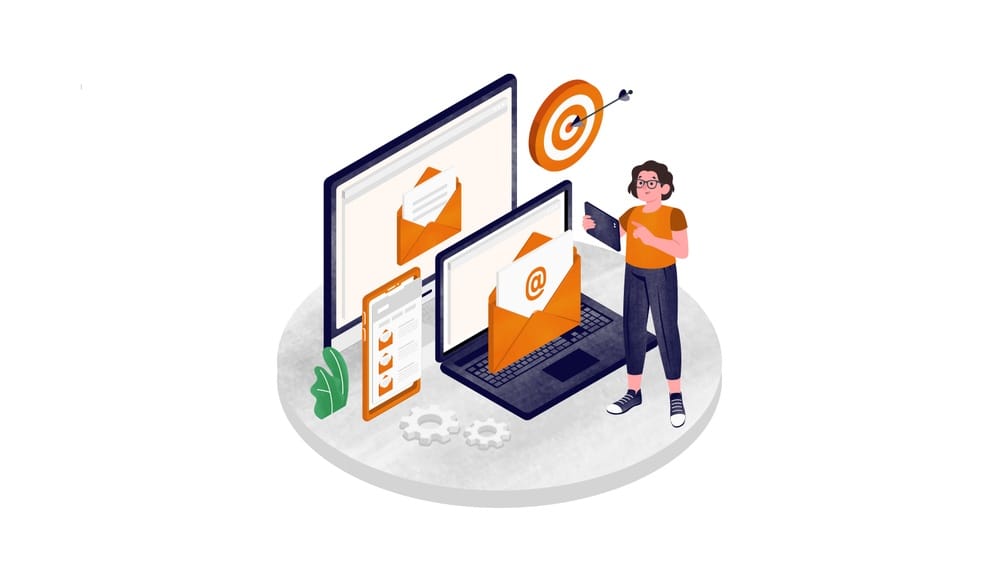
Consultant reviewing email campaign metrics with a client.
Credit: unstuck-agency.com
Benefits Of Email Marketing
Email marketing offers many benefits for businesses of all sizes. It provides a direct way to reach customers and potential clients. With targeted messages, companies can engage audiences more effectively. This form of marketing is cost-effective and measurable, making it a valuable tool. Below are key benefits that show why email marketing remains essential in today’s digital world.
Driving Sales Growth
Email marketing helps increase sales by promoting products and offers directly to customers. Personalized emails encourage recipients to take action quickly. Special discounts and limited-time deals create urgency and boost purchases. Automated email sequences nurture leads until they are ready to buy. This steady flow of communication supports steady revenue growth over time.
A common mistake is overusing discounts — instead, pair urgency with exclusive value, such as early access to a new product or a free resource, to avoid training subscribers to wait for markdowns. This approach builds long-term purchase habits rather than short-term spikes.
Building Customer Relationships
Email allows businesses to build trust and loyalty with customers. Regular updates keep audiences informed about new products or services. Sharing helpful content adds value beyond just selling. Asking for feedback makes customers feel heard and appreciated. Strong relationships lead to repeat business and positive word-of-mouth referrals.
Loyalty programs delivered via email — like points summaries or milestone celebrations — reinforce the emotional connection and give subscribers a reason to stay engaged beyond the next offer.
Enhancing Brand Awareness
Consistent email campaigns keep a brand visible in customers’ minds. Well-designed emails reflect the company’s image and values. Sharing stories or news about the brand deepens connection with the audience. Emails help maintain top-of-mind awareness even in competitive markets. This ongoing presence supports long-term brand recognition and growth.
Use brand storytelling in a dedicated newsletter series — for example, a monthly founder letter or customer success spotlight — to humanize your business and make your emails memorable.
Advanced List Building and Lead Capture
A healthy email list is the foundation of any successful campaign. Passive sign‑up forms alone rarely produce the volume or quality needed. Instead, deploy multi‑touch lead magnets tailored to different buyer stages. For instance, a downloadable checklist works well for top‑of‑funnel visitors, while a free consultation offer attracts warmer leads. Pair these with exit‑intent popups and social media promotions to capture traffic that would otherwise leave. The lead generation process you design can dramatically improve list quality if you align incentives with the searcher’s immediate need. After sign‑up, a double‑opt‑in confirmation builds trust and reduces spam complaints — a trade‑off that lowers list size but raises engagement from the start.
Key Email Marketing Strategies
Email marketing thrives on smart strategies. It requires more than just sending messages. Effective email marketing targets the right audience with the right content at the right time. This section explores key strategies that improve engagement and boost results for businesses.
Segmentation And Targeting
Segmenting your email list divides contacts into groups based on shared traits. This lets you send focused messages that match each group's needs. Targeted emails increase interest and reduce unsubscribes. For example, segment by age, location, or purchase history to send relevant offers.
Go beyond basic demographics with behavioral segmentation — use RFM (recency, frequency, monetary) analysis to identify your most valuable subscribers and send them exclusive VIP offers. This level of precision often lifts click‑through rates by 20–30%.
Personalization Techniques
Personalization goes beyond adding a name. It tailors content to each recipient's preferences or behavior. Use data like past purchases or browsing habits to customize emails. Personalized messages feel more relevant and build stronger connections with subscribers.
Dynamic content blocks — such as product recommendations based on last viewed items or cart‑abandonment reminders — let you serve unique content to each subscriber from a single email template. Testing which blocks perform best is an ongoing optimization discipline.
Automated Campaigns
Automation saves time by sending emails based on triggers or schedules. Welcome emails, birthday greetings, and abandoned cart reminders are common automated campaigns. They keep your brand present without extra effort. Automated emails also deliver timely content that drives action.
A complete lifecycle automation includes not only welcome and cart recovery flows but also post‑purchase cross‑sells, re‑engagement sequences, and win‑back offers. Map out the subscriber journey from first touch to dormant state, and trigger emails at each logical transition.
Optimizing Subject Lines
The subject line is the first thing readers see. A clear, interesting subject increases open rates. Use short, simple words to grab attention quickly. Avoid spammy phrases and focus on benefits or curiosity. Testing different subject lines helps find what works best.
A/B testing subject lines is a low‑risk way to continuously improve opens. Test one variable at a time (e.g., length, personalization, emoji, urgency) and let the winner serve the rest of the segment. Even a 5% lift in open rates can compound into significant revenue gains.
Advanced A/B Testing Frameworks
Beyond subject lines, test every element of your emails: preheader text, hero image, button copy, layout, and send time. Use statistical significance calculators to determine when a winner is reliable, and document results so your team can reference past learnings. For example, you might discover that Tuesday 10 AM outperforms Thursday noon for your B2B audience — a finding that should influence every future campaign. Machine learning software can automate this process by analyzing historical send data and recommending optimal variations, saving hours of manual testing.
Role Of Email Marketing Consultants
Email marketing consultants play a key role in helping businesses reach their audience effectively. They guide companies in creating emails that connect and engage customers. Their expertise ensures email campaigns deliver real results and grow brand loyalty.
These consultants bring knowledge and skills in various areas. They create clear plans, manage campaigns, analyze results, and use technology to improve email marketing efforts. Their work helps businesses save time and avoid costly mistakes.
Strategy Development
Email marketing consultants build tailored strategies to match business goals. They identify the right audience and decide what messages to send. They plan the timing and frequency of emails to maximize impact. Their strategies focus on increasing open rates and customer interaction.
Campaign Management
Consultants handle the day-to-day work of running email campaigns. They design email templates that look good on all devices. They segment email lists to send targeted content to different groups. They also test emails to find what works best before sending.
Performance Analysis
Consultants track key metrics like open rates, click rates, and conversions. They analyze data to see what parts of the campaign perform well. They use insights to improve future emails and fix any problems. This helps businesses get better results over time.
Technology Integration
Email marketing consultants recommend and set up tools for automation and tracking. They connect email platforms with other marketing software for smooth operation. They help businesses use features like personalization and triggered emails. This technology makes campaigns more efficient and effective.

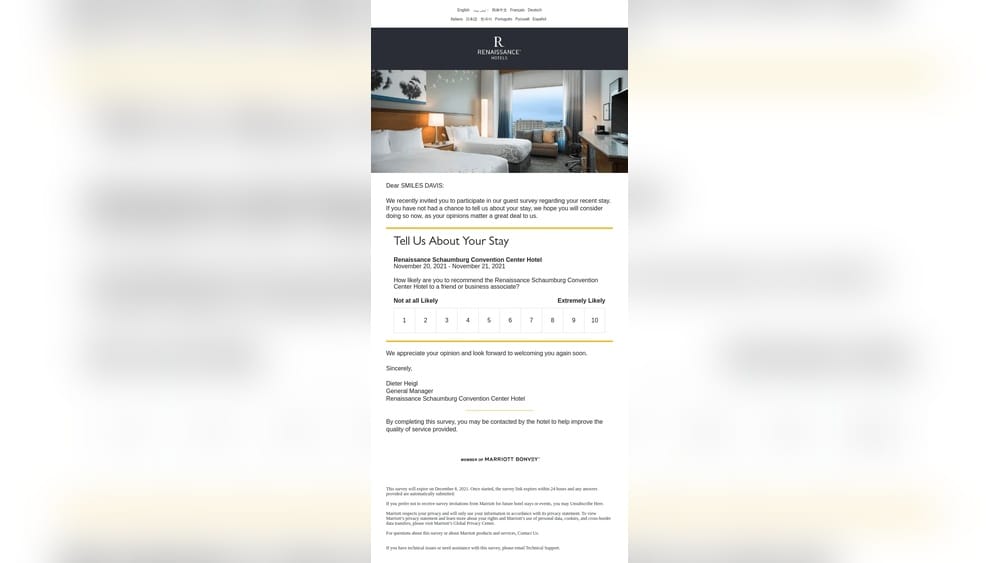
Understanding the consultant’s role in email strategy.
Credit: www.digitalvidya.com
Choosing The Right Consultant
Choosing the right email marketing consultant shapes your business success. The right expert can refine your campaigns, boost engagement, and improve revenue. Selecting wisely saves time and money. Focus on key areas to find the best fit for your needs.
Evaluating Expertise
Check the consultant’s skills in email marketing tools and strategies. Look for knowledge in list building, segmentation, and automation. Ask about their familiarity with popular platforms like Mailchimp or HubSpot. Ensure they understand email laws and best practices.
Assessing Industry Experience
Industry experience matters for tailored strategies. A consultant who knows your market can create relevant content. They understand customer behavior and competition. Experience in your sector leads to better-targeted campaigns and higher ROI.
Reviewing Case Studies
Case studies show real results from past clients. Review examples of campaigns they managed. Focus on metrics like open rates, click rates, and conversions. Case studies prove their ability to deliver success and solve problems.
Setting Clear Objectives
Define what you want to achieve with email marketing. Goals may include increasing sales, growing subscribers, or improving brand awareness. Share these goals with your consultant. Clear objectives guide the strategy and measure progress effectively.
Tools And Technologies
Effective email marketing depends on the right tools and technologies. They help automate tasks, track performance, and manage contacts. Choosing the best tools makes campaigns easier and more successful.
Email Automation Platforms
Email automation platforms send emails automatically based on user actions. They save time and keep your audience engaged. Popular platforms include Mailchimp, HubSpot, and ActiveCampaign. These tools let you schedule emails, create drip campaigns, and personalize messages.
Analytics And Reporting Tools
Analytics tools track how your emails perform. They show open rates, click rates, and conversions. These insights help improve future campaigns. Google Analytics and built-in platform reports are common choices. They help measure what works and what needs change.
List Management Software
List management software organizes and cleans your email contacts. It removes duplicates and handles subscriptions easily. Tools like Constant Contact and AWeber help keep lists updated. Proper list management ensures emails reach the right people without errors.
Measuring Email Marketing Success
Measuring email marketing success is vital for improving campaigns. It helps identify which strategies work best. Tracking performance shows where to focus your efforts. It also justifies the marketing budget and resources. Understanding results leads to better decisions and higher returns.
Key Performance Indicators
Key performance indicators (KPIs) reveal how well emails perform. Open rates show how many people read your message. Click-through rates track how many clicked links inside. Bounce rates indicate undelivered emails. Unsubscribe rates show how many opt out. These KPIs highlight strengths and weaknesses quickly.
Tracking Conversion Rates
Conversion rates measure actions taken after clicking an email. This could be a purchase, signup, or download. Tracking conversions helps see if emails meet goals. It ties the email effort to real customer behavior. Low conversion rates signal a need for changes in offers or content.
Analyzing Revenue Impact
Revenue impact analysis shows how email marketing affects sales. Calculating revenue per email links emails to profits. It helps justify spending on email campaigns. Businesses can compare revenue before and after campaigns. This analysis proves the financial value of email marketing.
Cost And Roi Considerations
Understanding the cost and return on investment (ROI) is crucial for effective email marketing consulting. Every business wants to spend wisely and see clear results. Careful planning helps balance expenses with expected gains. This section breaks down key points to consider for budget, costs, and maximizing ROI.
Budget Planning
Start by setting a clear budget for your email marketing efforts. Know how much you can spend monthly or yearly. Include costs for tools, design, content, and consulting fees. A well-planned budget prevents overspending and ensures resources cover important areas. Keep some funds for testing new ideas or adjusting campaigns.
Estimating Campaign Costs
Calculate the costs for each email campaign to avoid surprises. Factor in software subscriptions, list management, and content creation. Consider costs for automation and analytics tools too. Don’t forget expenses for hiring experts if needed. Estimating costs accurately helps measure the true value of each campaign.
Maximizing Return On Investment
Focus on strategies that increase revenue from every dollar spent. Use targeted lists and personalized content to boost engagement. Track open rates, clicks, and conversions to improve future emails. Test subject lines and sending times for better results. Small improvements can lead to a higher ROI and more successful campaigns.

Analyzing cost and return on investment for email campaigns.
Credit: www.formget.com
Advanced Personalization and Automation
As of 2026, leading email marketers rely on AI‑driven personalization that goes beyond simple name insertion. Machine learning models analyze subscriber interactions across multiple touchpoints — website visits, email opens, previous purchases, and even customer support tickets — to predict the most relevant offer for each individual. For example, a clothing retailer can surface winter coats to subscribers in colder regions while showing swimwear to those in warmer climates, all from the same campaign. Ai tools for small business make this technology accessible to smaller teams by offering affordable predictive scoring and dynamic content modules.
Predictive Send Timing
A common benefit of modern automation is send‑time optimization. Instead of blasting an entire list at 9 AM, the platform learns each subscriber’s habitual open window and delivers the email at that precise moment. In practice, this can lift open rates by up to 15% and click rates by 10% without changing the email’s content.
Multi-Channel Integration
Email no longer works in isolation. A consultant should help you connect your email platform with your CRM, website analytics, and ad networks. This integration enables triggered emails based on real‑world actions — like sending a follow‑up after a subscriber downloads a whitepaper or visits a pricing page multiple times. A unified view of the customer journey improves both relevance and attribution.
Email Deliverability and Compliance Best Practices
Even the most strategic email will fail if it lands in the spam folder. Deliverability is a technical and reputational challenge that requires ongoing attention. The FTC provides clear guidance for commercial email under the CAN‑SPAM Act: include a physical mailing address, a clear opt‑out mechanism, and a truthful subject line. Use FTC business guidance on email marketing to ensure your practices align with federal regulations.
Authentication Protocols
Set up SPF, DKIM, and DMARC records to verify that your sending domain is legitimate. Many email providers now block or mark as suspicious any domain that lacks these authentication steps. A consultant can audit your current DNS settings and recommend fixes.
List Hygiene and Engagement Monitoring
Monitor hard bounces and suppress them immediately. Also review subscriber inactivity after three months — contacts who haven’t opened any email in 90 days should receive a re‑engagement flow before being moved to a suppression list. This protects your sender reputation and keeps your deliverability metrics healthy.
Trends Shaping Email Marketing
Email marketing is evolving rapidly. New technologies and rules shape how businesses connect with customers through email. Staying updated on trends helps improve campaigns and reach the right audience effectively.
Understanding these trends offers a clear edge in creating impactful email marketing strategies. The following sections highlight key trends that are changing the landscape of email marketing today.
Ai And Machine Learning
AI and machine learning help personalize emails more than ever. They analyze customer behavior to send relevant content. This improves open rates and boosts engagement. Automation tools use AI to optimize send times and subject lines. Marketers save time while reaching customers with the right message.
By 2026, predictive models can also forecast which subscribers are about to churn, allowing you to send a preemptive win‑back offer before they go silent. Machine learning business applications like these transform email from a reactive channel into a proactive revenue engine.
Interactive Email Content
Interactive emails invite readers to engage directly inside the email. Elements like polls, quizzes, and clickable menus create a dynamic experience. This keeps subscribers interested and encourages action. Interactive content reduces the need to visit external links. It makes emails more fun and memorable.
Privacy And Compliance
Privacy laws impact how marketers collect and use email data. Regulations like GDPR and CCPA require clear consent from subscribers. Marketers must protect user data and respect privacy preferences. Following these rules builds trust and prevents legal issues. Transparent practices improve brand reputation and customer loyalty.
Common Challenges And Solutions
Email marketing consulting helps businesses reach customers effectively. Yet, many face common challenges that block success. Understanding these hurdles and their solutions improves campaign results.
Addressing these issues boosts open rates, clicks, and conversions. Consultants guide companies through practical steps to avoid problems. This section covers three key challenges and how to solve them.
Avoiding Spam Filters
Emails often get lost in spam folders. This lowers engagement and wastes effort. Using clear subject lines and avoiding spammy words helps. Also, authentic sender addresses build trust with email services. Testing emails before sending reveals spam triggers. Consistent sending schedules improve reputation with inbox providers.
Maintaining List Health
Old or invalid emails hurt campaign performance. Cleaning the list removes inactive or wrong addresses. Regularly updating contacts keeps the list fresh. Using double opt-in confirms valid subscriptions. Segmenting the list targets the right audience. Healthy lists improve delivery and reduce bounce rates.
Engaging Inactive Subscribers
Some subscribers stop opening emails over time. Sending re-engagement campaigns can renew interest. Personalized content makes emails more relevant. Offering incentives motivates readers to act. Tracking responses shows what works best. Removing persistent inactive users keeps the list focused.
Integrating Email with CRM and Sales Funnels
To achieve full ROI, email marketing must connect directly with your customer relationship management (CRM) system. This integration enables sales teams to see which emails a lead has opened or clicked before a call, making the conversation warmer and more informed. A business intelligence architecture that unifies CRM data with email engagement metrics gives you a single source of truth for attribution.
Lead Scoring from Email Behavior
Assign points when subscribers open a demo invitation email, click the pricing link, or attend a webinar invited via email. When a lead crosses a threshold, automatically notify the sales team or trigger a high‑priority email from a senior consultant. This removes guesswork from follow‑up timing.
Closed-Loop Reporting
Feed conversion data back into your email analytics. If a subscriber purchased after clicking a specific email, that email’s campaign should be credited. Without this loop, you risk undervaluing the channel’s contribution to revenue. Use UTM parameters and CRM pipeline stages to build accurate attribution.
Read More : Klaviyo Automation: Boost Your Email Marketing Efficiency Today
Frequently Asked Questions
What Is The 80/20 Rule In Email Marketing?
The 80/20 rule in email marketing means 80% of emails provide value, while 20% promote products or services. This balances engagement and sales.
How Much Is A 10,000 Email List Worth?
A 10,000 email list typically ranges from $500 to $2,000, depending on quality and engagement rates. High-quality, targeted lists fetch higher prices.
How Much Should Email Marketing Cost?
Email marketing costs vary by list size, features, and agency rates. Expect $10 to $1,000+ monthly based on your needs and goals.
What Is Email Marketing Salary?
The average email marketing salary ranges from $50,000 to $80,000 annually. Experience and location impact earnings significantly.
How Often Should I Send Marketing Emails?
Frequency depends on your audience and content value. For most businesses, one to two broadcasts per week plus triggered transactional emails works well. Monitor unsubscribe rates and engagement drops to adjust. A consultant can help you find the sweet spot without overwhelming subscribers.
What Is the Best Way to Grow an Email List Fast?
Lead magnets — ebooks, checklists, webinars, or discount codes — paired with targeted ads and social media posts drive rapid growth. Ensure the offer aligns with your brand promise so you attract qualified subscribers, not just quantity.
Conclusion
Email marketing consulting helps improve your business communication. Experts guide you to create effective email campaigns. This service increases customer engagement and boosts sales. Clear strategies ensure your messages reach the right audience. Small changes can lead to better results over time.
Investing in consulting saves time and reduces costly mistakes. Choose a consultant who understands your business goals. Consistent efforts will grow your email list and brand trust. Start improving your email marketing today and see steady growth.

Similar Posts













[…] collect and to request deletion. For professional guidance on staying compliant, working with an email marketing consultant can help you audit your processes and avoid costly […]