Direct Email Marketing: Boost Sales and Connect with Customers Effectively
Founder & Lead SaaS Analyst at PCSaaS · Google Ads & Analytics Certified · SaaS Stack Architect · 500+ Software Tools Tested · 8+ years in B2B SaaS evaluation, AppSumo lifetime deal curation, performance marketing, and AI workflow automation
Discover direct email marketing techniques that connect with customers, build trust, and boost conversions.
Imagine reaching your audience with offers and content tailored just for them—making your emails not only seen but eagerly opened. You’ll discover how to use direct email marketing to grab attention, build trust, and inspire action. Ready to turn your emails into powerful tools that grow your business?
Keep reading to find out how.
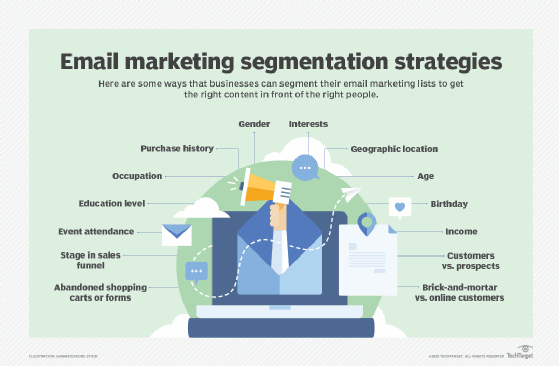
Email segmentation dashboard helps target the right audience.
Credit: www.techtarget.com
Direct Email Marketing Basics
Direct email marketing is a simple way to reach people through their inbox. It allows businesses to send messages straight to a targeted group of customers. This method helps build relationships and encourages people to take action.
Understanding the basics is important for success. It starts with crafting messages that speak directly to the reader. Then, choosing the right audience ensures the message is seen by those who care. Finally, the goal is to inspire a clear response from recipients.
A critical principle underlying all direct email marketing is permission. Recipients who have explicitly opted in are far more likely to engage than those who never agreed to receive your messages. This consent-driven approach not only respects privacy but also improves deliverability and protects your sender reputation. When you combine permission with professional guidance from experienced strategists, your campaigns gain both ethical strength and practical effectiveness.
Personalized Messaging
Personalized messaging makes emails feel special and relevant. Using the recipient’s name and preferences can increase interest. Tailored content shows that the sender knows and values the reader. This approach boosts open rates and encourages clicks.
Targeted Audience Selection
Selecting the right audience is key to effective email marketing. Businesses divide their list based on age, location, or buying habits. This focus helps send the right message to the right people. It reduces wasted effort and improves results.
Driving Direct Responses
Direct email marketing aims to get a clear response. This could be clicking a link, making a purchase, or signing up. Strong calls to action guide readers on what to do next. Tracking these actions helps measure success and refine future campaigns.
Key Benefits
Direct email marketing offers several important advantages for businesses. It allows companies to connect directly with their audience. This targeted approach helps increase engagement and improve results. Understanding the key benefits helps businesses use email marketing more effectively.
Building Customer Relationships
Direct email marketing helps create strong bonds with customers. Personalized messages show customers they are valued. Regular emails keep your brand in their minds. This ongoing contact builds trust over time. Loyal customers often respond positively to relevant offers.
Measuring Campaign Success
Email marketing provides clear data on campaign performance. You can track open rates, clicks, and conversions easily. This information helps improve future emails. Adjusting strategies based on results leads to better outcomes. Knowing what works saves time and money.
Boosting Sales Effectively
Emails can directly encourage purchases with clear calls to action. Targeted offers reach people interested in your products. This focus increases the chances of sales. Timely emails remind customers about deals or new items. The direct approach often leads to quick results.
When executed well, direct email marketing consistently delivers a higher ROI than many other digital channels because of its low cost and high targeting precision. The key is focusing on value rather than volume — a small, engaged list outperforms a large, uninterested one every time.
Crafting Effective Emails
Crafting effective emails is essential for successful direct email marketing. Emails must grab attention quickly and deliver value clearly. Every part of the email plays a role in driving engagement and conversions.
Focus on making each email easy to read and action-oriented. Use simple language and clear structure. This approach helps recipients understand your message and encourages them to respond.
With more than half of all emails now opened on mobile devices, optimizing your design for small screens is no longer optional. Use a single-column layout, large tap-friendly buttons, and concise text that renders well without zooming. A common mistake is crafting a desktop version first and then forcing it to shrink — instead, design mobile-first from the start.
Compelling Subject Lines
Subject lines determine if your email gets opened. Write short and clear lines that spark curiosity or offer value. Avoid using all caps or spammy words. Personalize subject lines when possible to increase interest.
Test different subject lines to see what works best. Use questions, numbers, or urgent language carefully. The goal is to stand out in a crowded inbox without misleading readers.
Engaging Content Creation
Keep the email body focused and relevant. Use short sentences and paragraphs for easy reading. Highlight the main benefits quickly and avoid jargon. Include images or bullet points to break up text.
Write as if you speak directly to the reader. Make the content helpful and interesting. Use a friendly tone to build trust and keep readers engaged throughout the email.
Clear Calls-to-action
Every email needs a clear call-to-action (CTA). Tell the reader exactly what to do next. Use action verbs like “Download,” “Register,” or “Buy now.” Place the CTA button or link where it is easy to find.
Limit the number of CTAs to avoid confusion. Make the CTA stand out with contrasting colors or bold text. A strong CTA boosts response rates and moves readers closer to your goal.
Audience Building Strategies
Building the right audience is key to direct email marketing success. A strong audience means better engagement and higher conversion rates. Focus on gathering contacts who are interested in your content or products. A well-targeted list helps your emails reach people who want to hear from you. This section covers practical strategies to build and maintain a quality email audience.
Collecting Quality Email Lists
Start by collecting emails from people who show genuine interest. Use sign-up forms on your website and social media pages. Avoid buying email lists, as they often lead to low engagement. Quality lists come from real users who trust your brand. Always ask permission before adding someone to your list. This builds trust and keeps your emails out of spam folders.
Modern form builder solutions make it easy to create clean, branded opt-in forms that match your site’s design and capture leads without friction.
Using Incentives And Offers
Encourage sign-ups by offering something valuable. Discounts, free guides, or exclusive content can motivate people. Make your offer clear and easy to claim. People like getting something in return for their email. This method grows your list with engaged subscribers. Keep your promises and deliver what you offer to maintain trust.
Segmenting For Better Targeting
Divide your email list into smaller groups based on interests or behavior. This allows you to send relevant messages to each group. Segmentation improves open rates and click-through rates. Use data like location, purchase history, or preferences to create segments. Personalized emails make your audience feel valued and understood.
You can also apply predictive audience analysis by using behavioural signals to anticipate what each subscriber wants next, making your segmentation even sharper over time.
Implementing Double Opt-In
Double opt-in requires new subscribers to confirm their email address by clicking a verification link after signing up. This extra step ensures that only genuine, interested contacts enter your list. Although it may slow initial list growth, it dramatically reduces bounce rates and spam complaints. Many email platforms reward double opt-in lists with higher deliverability because the consent is explicit.
Automation And Tools
Automation and tools simplify direct email marketing by saving time and improving accuracy. They help send emails to many people quickly while keeping messages personal. Using the right tools makes campaigns more effective and easier to manage.
Choosing The Right Platform
Select a platform that fits your business size and goals. Look for easy-to-use interfaces and good customer support. Check if the platform offers analytics to track email performance. Popular choices include Mailchimp, Constant Contact, and Ortto. The right platform helps you send emails faster and smarter.
As of 2026, many businesses also leverage newer platforms with built-in AI features for smarter segmentation and send-time optimization. Affordable lifetime deal tools can be a cost-effective way to access professional automation without monthly subscription fatigue.
Integrating Sms With Email
Combining SMS with email reaches customers on different devices. SMS messages have high open rates and can remind customers about emails. Use tools that let you send both emails and texts from one place. Integration improves engagement by delivering timely updates and offers.
Scheduling And Personalization Features
Scheduling lets you send emails at the best time for your audience. Personalization uses customer data to create relevant messages. Tools can add names, locations, or purchase history to emails. These features make emails feel more personal and increase response rates.
Integrating with Customer Relationship Management (CRM)
Connecting your email platform with a CRM system allows you to sync customer data seamlessly. When a subscriber makes a purchase, updates their profile, or interacts with support, that behaviour can trigger a targeted email automatically. This integration turns static lists into living relationships — for example, sending a follow-up offer right after a first purchase or a re-engagement sequence after a period of inactivity.
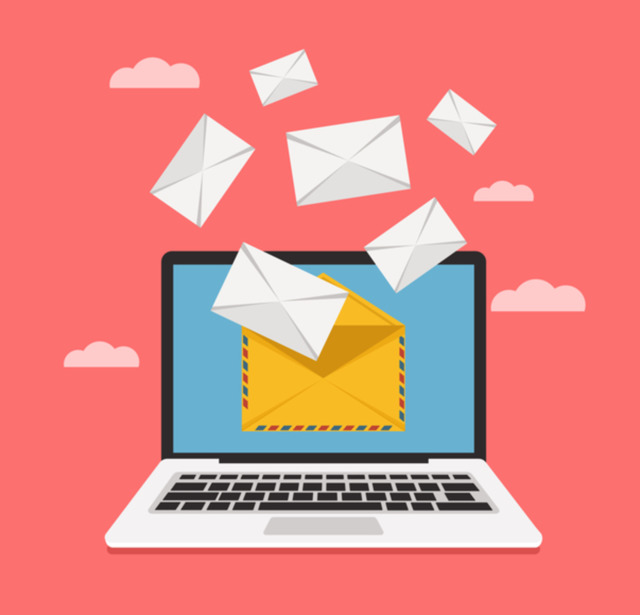
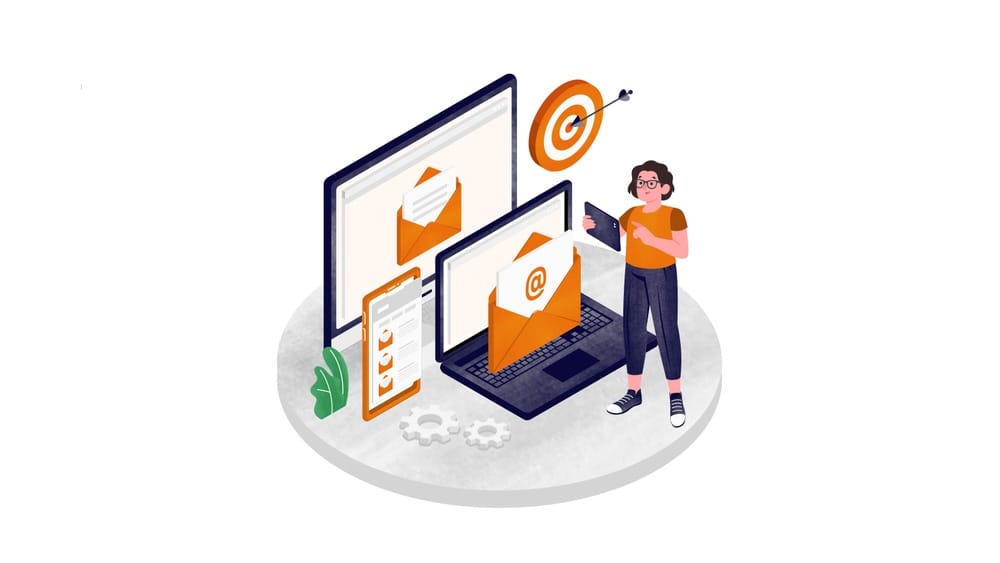
Visual representation of direct email marketing workflow.
Credit: www.meistermedia.com
Optimizing Campaign Performance
Optimizing campaign performance is essential for successful direct email marketing. It helps businesses send better emails that reach the right people and get more responses. Tracking how well your emails perform allows you to make smart changes. This leads to higher engagement and better results from your campaigns.
A/b Testing Emails
A/B testing means sending two versions of an email to small groups. Each version has one change, like a different subject line or image. This helps find out which email works better. Testing often improves open and click rates by showing what your audience likes.
Analyzing Open And Click Rates
Open rates show how many people read your email. Click rates tell how many clicked links inside it. These numbers reveal how interesting your email is. Low rates mean you should improve your subject or content. High rates show your message connects well with readers.
Adjusting Strategies Based On Data
Using data from tests and rates guides your next steps. Change your email design, send time, or audience list to improve results. Keep testing new ideas based on what the data shows. This keeps your campaigns fresh and more effective over time.
Beyond open and click rates, monitor your bounce rate and spam complaint rate. A sudden spike in bounces may indicate that your list needs cleaning, while rising complaints signal that your content or frequency needs adjustment. Regularly reviewing deliverability metrics protects your sender reputation and keeps your emails landing in the inbox.
Compliance And Best Practices
Direct email marketing succeeds through trust and respect. Compliance with laws and best practices ensures your messages reach inboxes safely. Following rules protects recipients and your brand reputation.
Staying compliant means understanding privacy laws and avoiding spam filters. Also, keeping your email list clean improves engagement and delivery rates. These steps create a strong foundation for your campaigns.
Respecting Privacy Regulations
Privacy laws like GDPR and CAN-SPAM protect people’s data. Always get consent before sending emails. Include a clear unsubscribe option in every message. Avoid collecting unnecessary personal information. Be transparent about how you use data. Respecting privacy builds trust with your audience.
For a detailed breakdown of legal requirements, refer to the FTC’s CAN-SPAM compliance guide which outlines the core rules for commercial email.
Avoiding Spam Filters
Spam filters block unwanted emails from inboxes. Use a recognizable sender name and address. Write clear and relevant subject lines. Avoid excessive use of capital letters and special characters. Include both plain text and HTML versions. Test emails before sending to catch filter issues early.
Maintaining List Hygiene
Regularly clean your email list to remove inactive contacts. Remove addresses that bounce or unsubscribe. Segment your list to send targeted messages. Avoid purchasing email lists to prevent low engagement. Good list hygiene improves deliverability and campaign success.
Unsubscribe Management
Every email must include a functioning unsubscribe link that works immediately. Honour opt-out requests within the time frame required by law (usually 10 business days or fewer). Prompt removal reduces spam complaints and keeps your list focused on engaged readers. Some marketers mistakenly hide or complicate the unsubscribe process, which only frustrates recipients and damages your brand reputation.
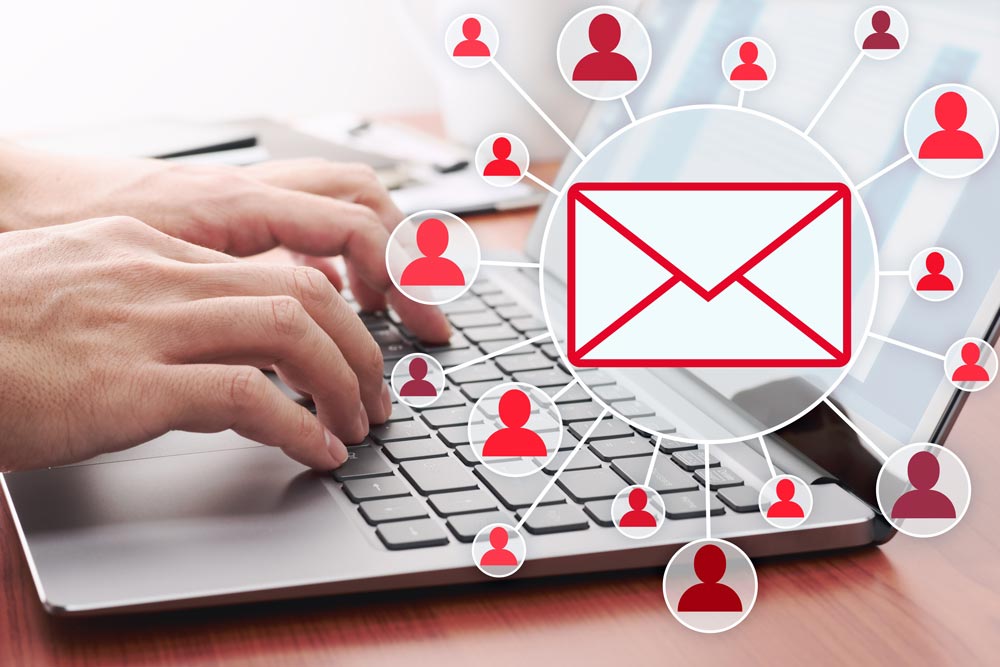
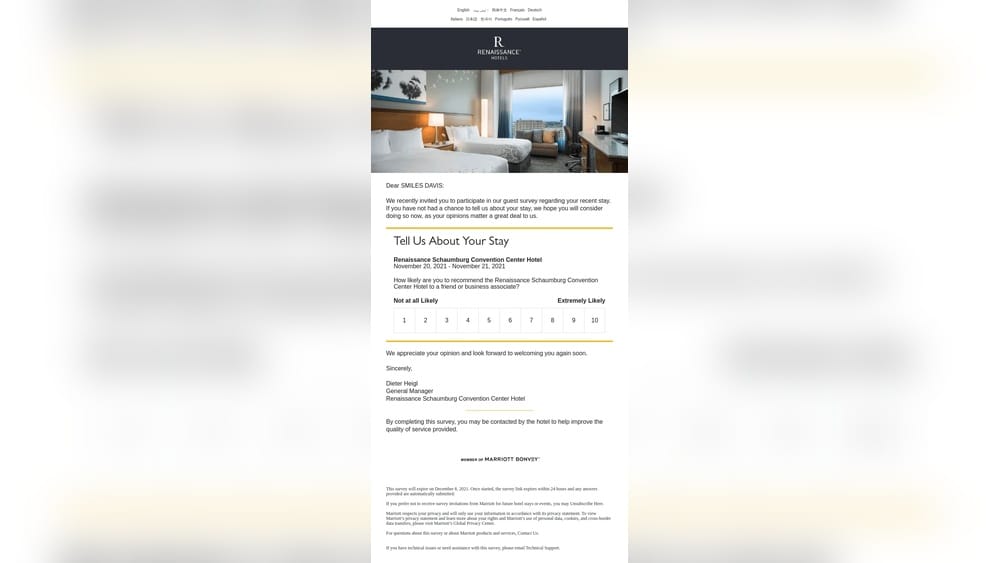
Direct mail campaign blended with digital email strategies.
Credit: www.onetoonemailing.ca
Case Studies And Examples
Examining real-world case studies and examples helps understand direct email marketing better. These stories show how different brands use email campaigns to reach customers and achieve goals. Learning from both successes and failures guides your own strategy.
Case studies reveal patterns that work and those that don’t. They highlight practical tips and common mistakes. Also, they demonstrate how industries tailor their approaches to fit unique customer needs.
Successful Campaigns
Many brands have seen growth by using clear, simple messages in emails. For example, a clothing store sent personalized offers based on past purchases. This increased sales by 25% in just one month. Another company used a welcome email series to engage new subscribers. Their open rates rose by 40% compared to one-time emails.
Key factors in success include strong subject lines, relevant content, and clear calls to action. Timing also matters—sending emails when customers are most active improves results. Small businesses and large companies alike can benefit from these proven tactics.
Common Pitfalls To Avoid
Ignoring subscriber preferences leads to low engagement and high unsubscribe rates. Many marketers make the mistake of sending too many emails or irrelevant offers. Poorly designed emails that don’t display well on mobile devices also reduce effectiveness.
Another pitfall is failing to test emails before sending. Testing helps catch errors and improves layout and content. Avoiding spammy language and respecting privacy rules builds trust with recipients. Learning from these mistakes can save time and money.
Industry-specific Approaches
Different industries require tailored email strategies to meet their audiences’ needs. Retailers focus on promotions and seasonal sales to drive quick purchases. Healthcare providers use emails to send appointment reminders and health tips.
Travel companies highlight special deals and personalized recommendations to inspire bookings. Each industry uses data differently to craft messages that resonate. Understanding these nuances helps create emails that feel relevant and valuable.
Lessons for Small Businesses
Small businesses can achieve big results by starting small. Focus on attracting the first 100 engaged subscribers rather than chasing a huge list. Use a personal tone — sign emails with a real person’s name and reply directly to questions. Attracting new subscribers through your existing website traffic and social channels is often more cost-effective than paid ads. Even a simple weekly newsletter can build a loyal audience over time.
Read More : Newoldstamp Lifetime Deal : Boost Your Email Marketing
Frequently Asked Questions
What Is Direct Email Marketing?
Direct email marketing sends personalized, targeted promotional emails to a selected audience. It aims to engage recipients and drive specific actions like purchases or sign-ups. This strategy builds customer relationships by delivering relevant content with clear calls-to-action.
What Is The 60 40 Rule In Email?
The 60/40 rule in email means 60% valuable content and 40% promotional material to engage and retain subscribers effectively.
How Much Is A 1000 Email List Worth?
A 1000-email list typically values between $200 and $1000, depending on list quality and engagement rates.
What Is The 80 20 Rule In Email Marketing?
The 80/20 rule in email marketing means 80% of emails provide value, while 20% promote products or services. This balance boosts engagement and sales.
How can I improve email deliverability?
Improve deliverability by using a recognized sender domain, authenticating your emails with SPF and DKIM, maintaining a clean list, and avoiding spam-trigger words in subject lines and body text. Regularly monitor your bounce rate and complaint rate to catch problems early.
What is the best time to send marketing emails?
The best send time varies by audience, but data often points to mid-week mornings (Tuesday through Thursday, 9–11 AM local time) as a strong starting point. Run your own A/B tests to find when your specific subscribers are most responsive.
Get Started Today
Now that you understand the fundamentals — from permission-based list building to compliance, testing, and mobile optimization — it’s time to take action. Start with one small campaign: pick a segment of your list, write a single valuable email, and measure the response. Use the insights you gain to iterate and improve. Your first direct email campaign doesn’t need to be perfect; it needs to be sent.
Conclusion
Direct email marketing helps businesses connect with their audience personally. It targets specific groups with clear and relevant messages. This approach improves customer engagement and boosts response rates. Simple, direct emails build trust and encourage action. Using direct email marketing regularly can strengthen your brand’s presence online.
Keep messages clear and focused for best results. This strategy remains a cost-effective way to grow your business. Embrace direct email marketing to maintain strong customer relationships.

Similar Posts











[…] show relevance to the recipient. Follow up consistently but avoid being pushy. Combining calls with proven email campaigns often yields better […]