What Is Email Marketing? Ultimate Guide to Boost Your Sales Fast
Founder & Lead SaaS Analyst at PCSaaS · Google Ads & Analytics Certified · SaaS Stack Architect · 500+ Software Tools Tested · 8+ years in B2B SaaS evaluation, AppSumo lifetime deal curation, performance marketing, and AI workflow automation
What is email marketing? It is a digital strategy that uses email to communicate, promote content, and build relationships with target audiences effectively.
Simply put, email marketing is a powerful strategy where you use emails to communicate with your audience—whether that’s sharing news, promoting products, or building loyalty. When done right, it grabs attention, sparks interest, and encourages action, all while staying personal and direct. Ready to see how this tool can boost your marketing efforts and drive real results? Discover everything you need to know about email marketing and how to start your own successful campaigns. For more on this, see our guide on social media marketing and management.
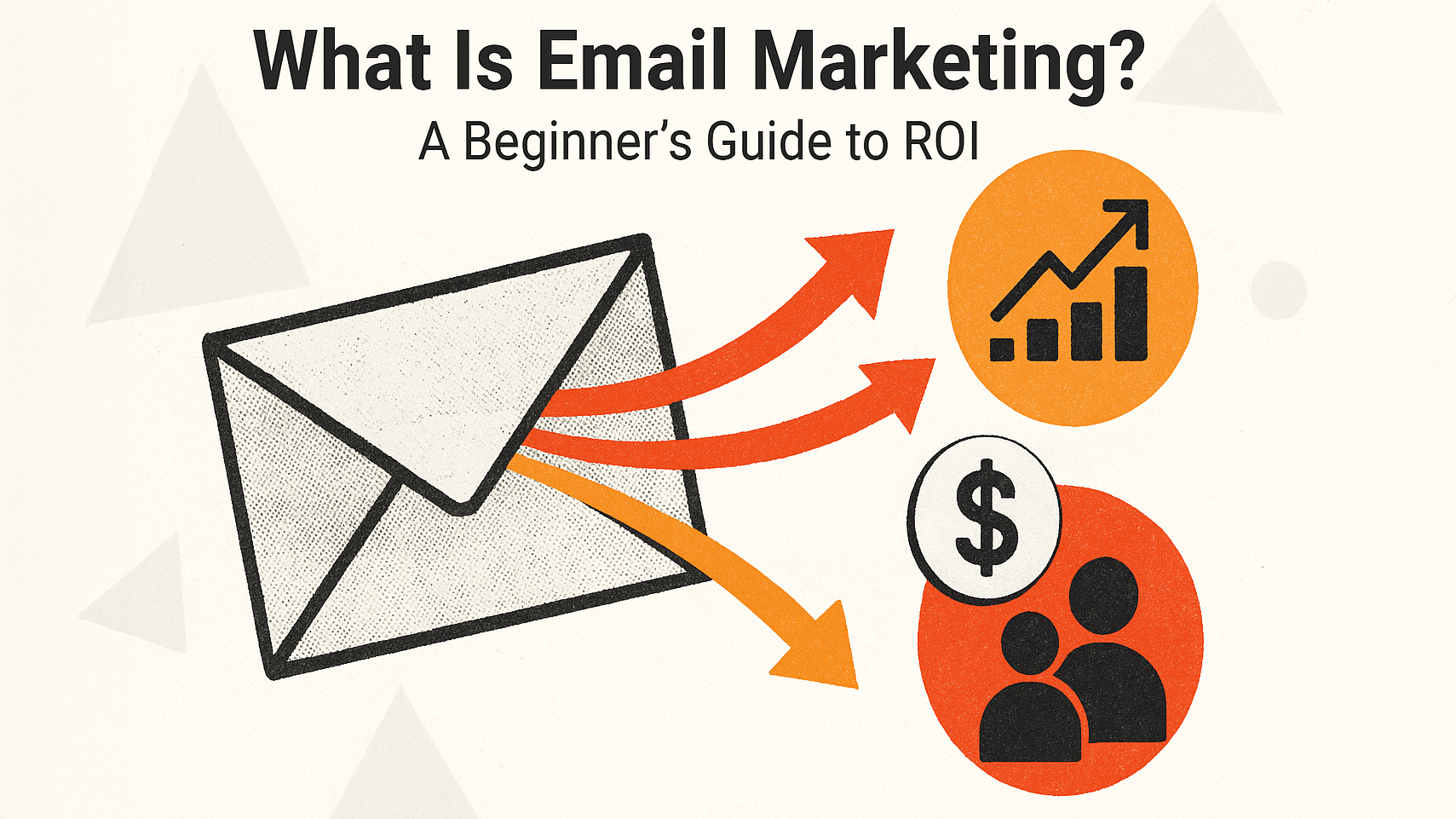
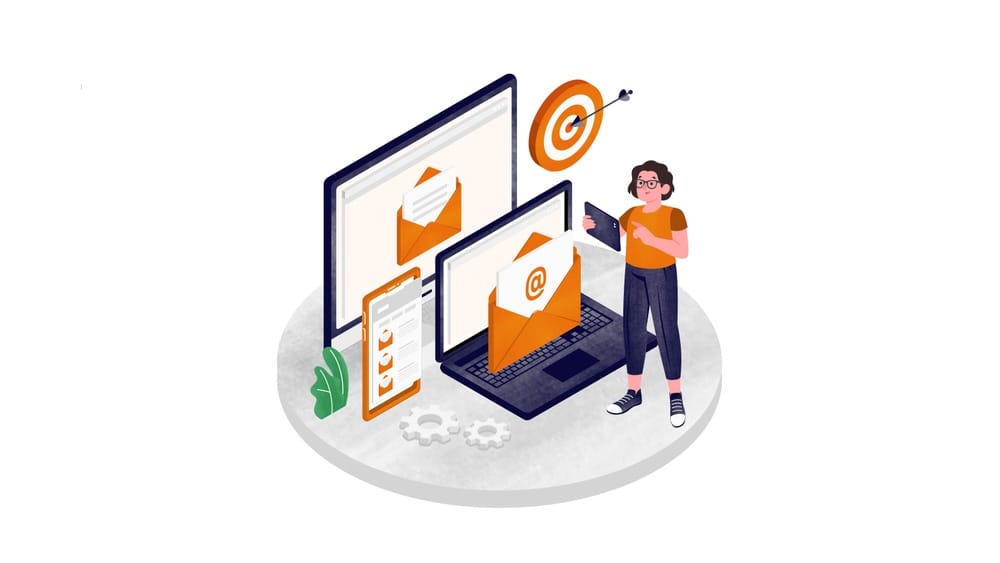
A conceptual illustration of email marketing’s reach and the tools behind it.
Credit: martech.org
What Is Email Marketing? An Introduction
Email marketing is a powerful way to reach people directly through their inbox. It lets businesses send messages that inform, engage, and persuade customers. This strategy helps build strong connections and keeps customers coming back. In today’s digital world, email marketing plays a key role in successful online marketing plans.
Definition And Purpose Of Email Marketing
Email marketing means sending emails to groups of people to promote products, services, or events. Its main goals include:
Increasing brand awareness
Building customer loyalty
Driving sales and leads
Sharing important updates or offers
This method is cost-effective and delivers direct communication, making it a favorite for many businesses.
How Email Marketing Connects Businesses With Customers
Email marketing creates a direct line between businesses and customers. It allows personalized messages that match each customer’s needs and interests. Here’s how it works:
Businesses collect email addresses from interested people.
They send targeted emails with useful content or deals.
Customers receive messages that feel relevant and valuable.
Customers respond by engaging with the brand or buying products.
This connection builds trust and encourages customers to stay loyal.
The Role Of Email Marketing In Modern Digital Strategies
Email marketing is a key part of digital marketing strategies today. It works well with other tools like social media and SEO. Here are some reasons it is important:
Benefit Explanation
Cost-Effective Requires low budget but reaches many people quickly.
Measurable Tracks open rates, clicks, and conversions easily.
Personalized Allows tailored messages based on customer behavior.
Engaging Supports interactive content like videos and surveys.
Scalable Works for small businesses and large enterprises alike.
Many marketers rely on email marketing to keep their digital plans strong and effective.
Key Features That Make Email Marketing Effective
Email marketing stands out for its ability to deliver targeted, personalized messages directly to customers' inboxes. It combines low cost with high impact, making it a vital tool for digital marketing strategies. Several key features contribute to its effectiveness, helping businesses engage customers and boost sales efficiently. For more on this, see our guide on web hosting affiliate marketing.
Segmentation: Delivering Relevant Messages To Targeted Groups
Segmentation splits your email list into smaller groups based on shared traits like age, location, or behavior. This practice ensures emails are highly relevant to each group. It increases the chance that recipients will find the content useful and take action.
Improves open and click rates
Reduces unsubscribes
Enhances customer satisfaction
Personalization: Creating Engaging And Tailored Email Content
Personalization makes emails feel unique and personal to each recipient. Including the recipient’s name or recommending products based on past purchases increases engagement. Personalized content builds stronger relationships and trust. For more on this, see our guide on social media and content marketing.
Automation: Streamlining Campaigns For Efficiency And Timeliness
Email automation sends messages at the right time without manual effort. It triggers emails based on actions like sign-ups or purchases. Automation saves time and keeps communication consistent and timely . Many platforms now offer powerful automation tools that can handle complex workflows, making it easier to nurture leads at scale.
Welcome emails for new subscribers
Abandoned cart reminders
Birthday or anniversary offers
Compelling Subject Lines: Driving Open Rates And Engagement
The subject line is the first thing readers see. A clear, interesting, and concise subject line encourages recipients to open emails. It should create curiosity or offer value quickly. For more on this, see our guide on reoon email verifier lifetime deal.
Good Subject Line Traits Examples
Urgency “Last chance to save 20%”
Personalization “John, your exclusive offer awaits”
Curiosity “You won’t believe what’s inside”
Lead Magnets: Building A High-quality Subscriber List
Lead magnets offer something valuable for free to encourage sign-ups. Examples include eBooks, discounts, or exclusive content. They help build a quality email list filled with interested subscribers.
Increases subscriber numbers
Attracts engaged audiences
Supports long-term marketing success
A/b Testing: Optimizing Campaign Performance Through Data
A/B testing compares two versions of an email to see which performs better. Testing subject lines, content, or images helps identify what resonates most. This data-driven approach improves open rates and conversions over time.
Test different subject lines
Try varied call-to-action buttons
Analyze send times for best engagement
Pricing And Affordability Of Email Marketing Platforms
Email marketing platforms offer various pricing options to fit different budgets. Choosing the right platform depends on your needs and how much you want to invest. Many services provide both free and paid plans. Each plan has different features that impact your marketing efforts.
Understanding the pricing models helps you make a smart choice. Some platforms charge based on the number of subscribers, while others charge by the number of emails sent. This section breaks down popular services, their pricing, and tips on choosing the best platform.
Overview Of Popular Email Marketing Services And Their Pricing Models
Popular email marketing platforms have simple and clear pricing models. Here is a quick overview:
Platform Pricing Model Starting Price Key Features
Mailchimp Number of subscribers Free (up to 500 subscribers) Basic templates, analytics, email automation
Constant Contact Number of subscribers $20/month (up to 500 subscribers) Email templates, reporting, social media tools
Sendinblue Number of emails sent Free (up to 300 emails/day) Email campaigns, SMS marketing, automation
GetResponse Number of subscribers $15/month (up to 1,000 subscribers) Autoresponders, landing pages, webinars
Free Vs. Paid Plans: What Features You Get At Different Levels
Free plans work well for beginners or small lists. They usually limit the number of emails or subscribers. Some features like automation or advanced analytics may not be included.
Send limited emails per month or day
Access to basic email templates
Simple reporting tools
Limited or no customer support
Paid plans unlock more features and higher limits. They support larger subscriber lists and advanced marketing tools.
Unlimited or higher email send limits
Advanced automation workflows
Detailed analytics and reports
Priority customer support
Integration with other marketing apps
How To Choose An Email Marketing Platform Based On Budget And Needs
Start by defining your budget and marketing goals. Consider these steps:
Estimate your subscriber list size and growth rate
Decide which features are essential, like automation or templates
Check if the platform offers a free plan to test
Compare pricing models based on your email volume
Read user reviews to learn about ease of use and support
Choose a platform that fits your current budget but allows growth. Avoid paying for features you won’t use. Many platforms offer scalable plans to grow with your business.
Email Marketing Compliance And Legal Essentials
Running an email marketing campaign without following legal requirements can lead to fines, damage your sender reputation, and cause your emails to be blocked. Every business that sends commercial emails must comply with regulations like the CAN-SPAM Act in the United States and the General Data Protection Regulation (GDPR) in the European Union.
CAN-SPAM: Key Requirements For Commercial Emails
The FTC’s CAN-SPAM compliance guide sets the baseline for commercial email in the US. Key rules include:
Don’t use false or misleading header information – your “From,” “To,” and routing details must be accurate.
Don’t use deceptive subject lines – the subject must reflect the email’s content.
Clearly identify the email as an advertisement – though you don’t have to label it explicitly, the content should make it obvious.
Include a physical postal address – your current street address or a registered P.O. box.
Provide a clear opt-out mechanism – every email must include a way for recipients to unsubscribe, and you must honor requests within 10 business days.
Monitor what others are doing on your behalf – if you hire a third-party service, you are still responsible for compliance.
GDPR: Handling Email Data From European Subscribers
If you collect email addresses from anyone in the EU or EEA, you must comply with GDPR. The core principle is explicit consent. GDPR.eu provides official guidance. Important practices include:
Obtain clear, affirmative consent – pre-checked boxes are not allowed; subscribers must actively tick a box.
Explain exactly what you will send – tell them the type of emails and frequency.
Provide easy access to data deletion – subscribers can request to have their data erased at any time.
Document consent – keep a record of when and how each subscriber opted in.
Why Compliance Matters For Deliverability And Trust
In practice, many businesses overlook these legal requirements and end up in spam folders or facing legal action. A common mistake is buying email lists, which damages sender reputation and violates both CAN-SPAM and GDPR. Honest advice: always use double opt-in to confirm consent. This extra step builds a high-quality list and protects your domain from being blacklisted.
Pros And Cons Of Using Email Marketing
Email marketing offers clear benefits and some challenges. Understanding both helps you use it wisely. Below are key advantages and challenges that affect your email campaigns.
Advantages: Direct Communication, High Roi, And Measurable Results
Direct Communication lets you talk straight to your audience’s inbox. This creates a personal connection and builds trust. You control the message and timing.
High ROI
Measurable Results come with detailed tracking tools. You see open rates, clicks, and conversions. This data helps improve future campaigns and target audience better.
Challenges: Deliverability Issues, List Maintenance, And Spam Risks
Deliverability Issues happen when emails don’t reach inboxes. Filters and strict rules can block your messages. Good content and technical setup reduce this problem.
List Maintenance requires regular cleaning of your email list. Remove inactive or wrong addresses to keep engagement high and costs low. Neglecting list care lowers campaign success.
Spam Risks can hurt your reputation. Sending too many emails or poor content may flag your messages as spam. Always get permission and follow email laws.
Real-world Usage Insights And Common Pitfalls To Avoid
Segment your audience to send relevant content.
Use clear subject lines to boost open rates.
Test emails on different devices for best display.
Avoid buying email lists; build your own instead.
Don’t send emails too frequently to prevent unsubscribes.
Track metrics and adjust your strategy regularly.
Many marketers fail by ignoring analytics or spamming users. Focus on quality over quantity. Respect your audience’s preferences and privacy. Integrating your email efforts with other channels can amplify results – for example, combining email with a solid social media integration strategy helps you reach subscribers where they already spend time.
Email Marketing Trends And Best Practices For 2026
Email marketing continues to evolve, and staying current with best practices is essential for strong performance. Here are the key trends and practical steps to follow in 2026.
Rise Of AI-Powered Personalization
Artificial intelligence now enables hyper-personalized content beyond just using a subscriber’s first name. AI can analyze past purchase behavior, browsing history, and engagement patterns to automatically recommend products, adjust send times, and even write subject lines. A common mistake is relying on static personalization tokens – instead, use dynamic content blocks that change based on individual data.
Interactive Email Elements
Modern email clients support interactive features like embedded surveys, image carousels, and “add to cart” buttons directly in the email. These elements increase click-through rates because they reduce friction. However, always provide a plain-text fallback for subscribers whose email clients don’t support interactivity.
Focus On Privacy And Zero-Party Data
With third-party cookies being phased out, email marketers are turning to zero-party data – information that subscribers intentionally share with you, such as preferences via a quiz or a preference center. This data is more reliable and builds trust. Encourage subscribers to update their preferences regularly using a simple preference center link.
Mobile-First Design Is Non-Negotiable
Over 60% of emails are opened on mobile devices. Use a single-column layout, large fonts (at least 14px for body text), and touch-friendly buttons. Test your emails on both iOS and Android before sending. A practical tip: keep your preheader text compelling, as it appears right after the subject line on mobile.
Consistent List Hygiene
Regularly remove subscribers who have not engaged in the last 6 months. Sending to inactive addresses hurts your sender reputation and deliverability. Use a re-engagement campaign before you delete them – offer an incentive to stay or ask if they still want to receive emails.
Who Should Use Email Marketing And When
Email marketing suits many types of businesses and creators. It helps build relationships, promote products, and boost sales. Knowing who benefits most and best times to use it ensures success.
Ideal Users: Small Businesses, E-commerce, And Content Creators
Small businesses find email marketing cost-effective for reaching local or niche customers. It helps keep clients informed about offers and news.
E-commerce stores use email to promote products, announce sales, and recover abandoned carts. This directly increases online sales.
Content creators like bloggers and YouTubers share updates, new posts, or exclusive content. Email keeps their audience engaged and growing.
Best Scenarios For Email Marketing To Boost Sales Quickly
Product launches: Announce new items to generate excitement and early sales.
Seasonal sales: Promote discounts during holidays or special events.
Abandoned cart reminders: Nudge customers who left items behind.
Exclusive offers: Reward loyal subscribers with special deals.
Event invitations: Drive attendance to webinars, workshops, or store openings.
Tips For Maximizing Results Based On Industry And Audience
Industry Audience Focus Strategy Tips
Small Business Local Customers
Use clear, friendly language.
Send regular newsletters.
Highlight community events.
E-commerce Online Shoppers
Segment lists by buying habits.
Use eye-catching images.
Include strong calls to action.
Content Creators Subscribers & Fans
Share exclusive content.
Ask for feedback and ideas.
Keep emails personal and engaging.
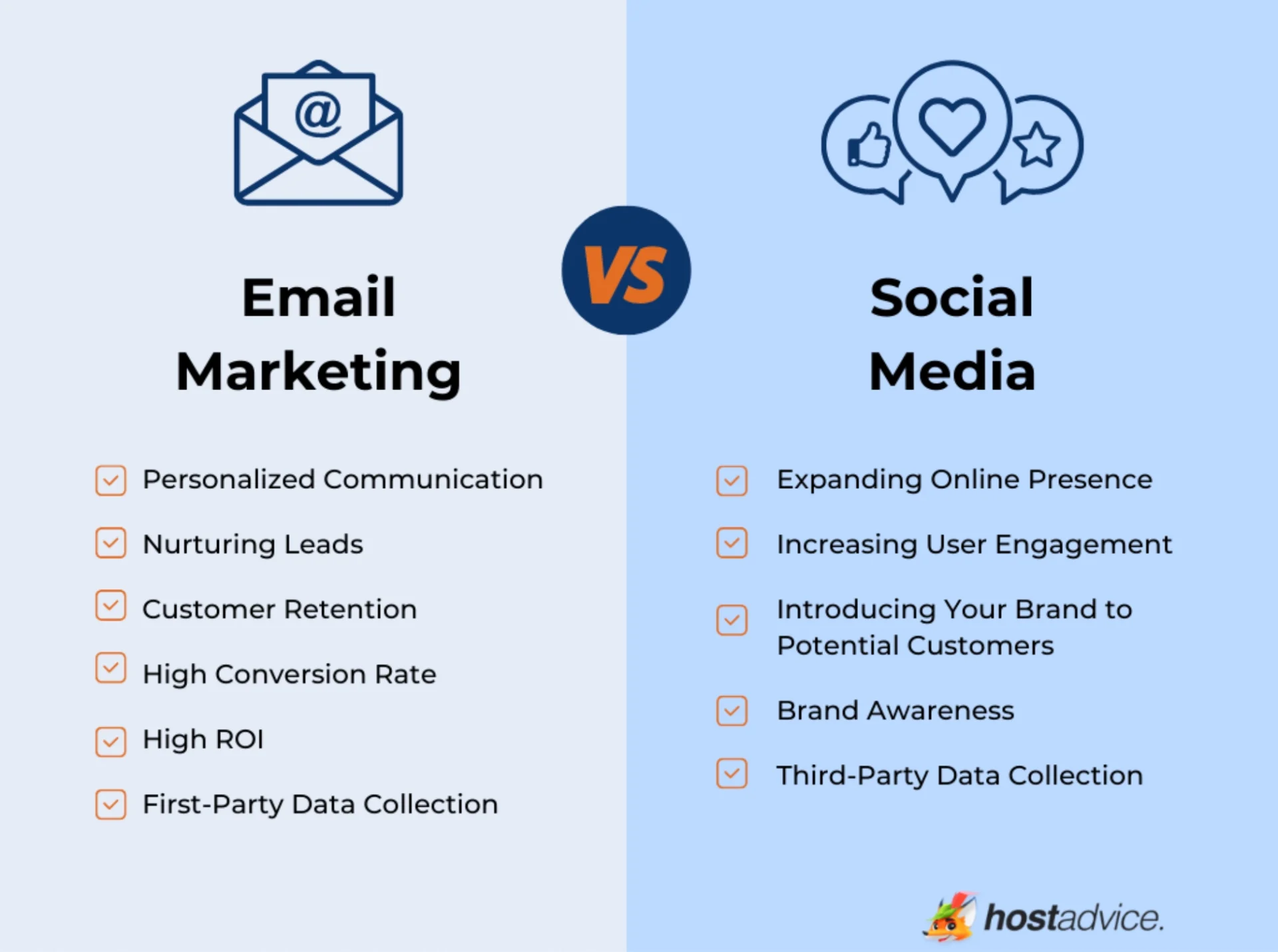
Email marketing consistently outperforms social media in direct engagement and conversion rates.
Credit: landingi.com
Step-by-step Guide To Starting Your Email Marketing Journey
Starting an email marketing journey requires careful planning and action. Each step builds a strong foundation for successful campaigns. Follow this guide to create effective email marketing that connects with your audience and grows your business.
Defining Clear Goals To Drive Your Campaign Strategy
Set clear, specific goals before launching any campaign. Goals guide your decisions and measure success. Examples include:
Increasing website traffic
Boosting product sales
Growing your email subscriber list
Enhancing customer engagement
Clear goals help shape your message and select the right audience. Write down your goals and refer to them often.
Building And Growing Your Email List With Signup Forms And Lead Magnets
Start building your email list using signup forms on your website or social media. Offer lead magnets to encourage signups. Consider using waitlist management tools to capture early interest before a product launch. Lead magnets can be:
Free eBooks or guides
Discount coupons
Exclusive content
Webinars or tutorials
Place signup forms in visible areas like your homepage or blog. Keep forms simple and ask only for essential information.
Segmenting Your Audience For Personalized Communication
Divide your email list into smaller groups based on interests, behavior, or demographics. Segmentation allows you to send targeted messages. Benefits include:
Higher open rates
Better engagement
Increased conversions
Common segments include:
New subscribers
Frequent buyers
Inactive users
Location-based groups
Designing Engaging Email Templates Aligned With Your Brand
Create email templates that reflect your brand’s style and voice. Use consistent colors, fonts, and logos. Keep design clean and mobile-friendly. Tips for effective templates:
Use clear headlines
Include compelling images
Add strong call-to-action buttons
Keep content concise and easy to read
Test your templates on various devices to ensure they look great everywhere.
Setting Up Automated Workflows To Nurture Leads And Retain Customers
Use automation to send emails based on triggers or schedules. Automated workflows save time and keep your audience engaged. Common workflows include:
Welcome series for new subscribers
Abandoned cart reminders
Birthday or anniversary emails
Post-purchase follow-ups
Automation helps build relationships and encourages repeat business.
Tracking Performance Metrics And Refining Your Approach Over Time
Monitor key metrics to understand your campaign’s success. Important metrics include:
Metric What It Shows
Open Rate Percentage of recipients who open your email
Click-Through Rate (CTR) Percentage who click links inside your email
Conversion Rate Percentage who complete a desired action
Unsubscribe Rate Percentage who opt out from your emails
Use this data to improve your content, timing, and targeting. Test different versions to find what works best.
Email Deliverability: Ensuring Your Messages Reach The Inbox
Even the best email campaign is useless if your messages end up in the spam folder. Deliverability depends on your sender reputation, list quality, and technical setup. Here are the essential steps to keep your emails landing in the primary inbox.
Authenticate Your Sending Domain
Set up SPF, DKIM, and DMARC records for your domain. These protocols verify that your emails are genuinely from you and not forged by spammers. Most email marketing platforms provide instructions to add these records through your domain provider. Without authentication, major email providers like Gmail and Outlook are more likely to reject or filter your messages.
Maintain A Clean Sender Reputation
Your sender reputation is a score internet service providers assign to your sending IP address. Factors that affect it include:
Bounce rate: Keep hard bounces (invalid addresses) below 2%. Remove them immediately.
Spam complaints: Aim for a complaint rate well under 0.1%. If subscribers mark your email as spam, investigate the content and frequency.
Engagement metrics: High open and click rates signal that recipients want your emails. Low engagement hurts your reputation.
Warm Up A New Sending Domain
If you are using a new domain or a dedicated IP, start by sending small volumes to your most engaged subscribers. Gradually increase volume over 2–4 weeks. Sending a large blast from a cold domain almost guarantees a spam placement.
Avoid Spam Trigger Words And Poor Formatting
Certain words and formatting patterns can trigger spam filters. Avoid all-caps subject lines, excessive exclamation marks, and phrases like “free money” or “act now.” Also, keep your HTML-to-text ratio balanced – too many images with little text looks suspicious.
Monitor Blacklists
Regularly check if your domain or IP appears on common blacklists (e.g., Spamhaus, Barracuda). If you are listed, follow the removal process immediately. Most blacklists provide a reason, so you can fix the underlying issue.
Apply these practices to see immediate improvement in your campaign performance. Start optimizing your deliverability today to boost your ROI.

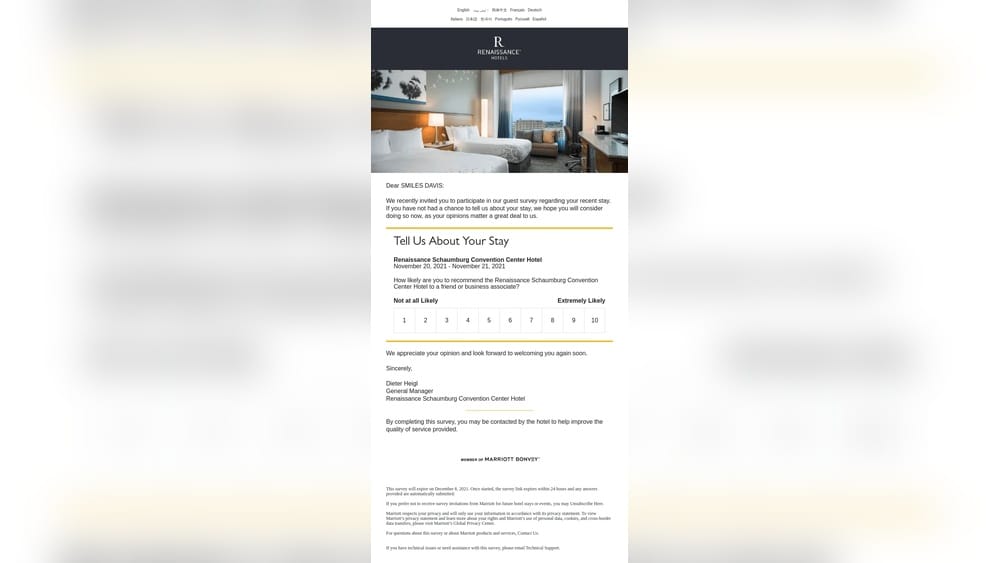
An infographic summarising the primary benefits of email marketing for businesses.
Credit: martech.org
Frequently Asked Questions
What Is Email Marketing In Simple Terms?
Email marketing uses emails to promote products, engage customers, and build loyalty. It connects businesses with audiences directly and personally.
How Do I Start Email Marketing?
Start email marketing by choosing a platform and defining clear goals. Build and segment your email list using signup forms and lead magnets. Create personalized, engaging emails with strong subject lines. Automate campaigns, track results, and continuously optimize your strategy for better performance.
Can You Really Make Money With Email Marketing?
Yes, email marketing can generate real income by promoting products and nurturing customer relationships effectively. Consistent, targeted campaigns boost sales and engagement.
What Are Some Examples Of Email Marketing?
Examples of email marketing include newsletters, promotional offers, welcome emails, event invitations, and abandoned cart reminders. These emails engage customers, promote products, and build brand loyalty effectively.
Frequently Asked Questions (Continued)
How Often Should I Send Emails To My Subscribers?
There is no one-size-fits-all frequency, but a good starting point is once a week for newsletters and up to two promotional emails per month. Monitor your unsubscribe rate and open rate – if unsubscribes spike, reduce frequency. The key is consistency: set a schedule and stick to it so subscribers know when to expect your emails.
What Is The Best Time To Send Email Campaigns?
Optimal send times vary by industry and audience. In general, Tuesday through Thursday between 10 AM and 2 PM in the recipient’s time zone tend to perform well. However, you should test your own list – use A/B testing to compare different send times and days. Many email platforms offer send-time optimization features that automatically choose the best time for each subscriber.
Do I Need A Separate Email Marketing Platform Or Can I Use Gmail?
You should use a dedicated email marketing platform. Gmail and other regular email clients are not designed for bulk sending, and they impose strict limits that can get your account suspended. Platforms like Mailchimp, Sendinblue, or GetResponse provide the tools you need for segmentation, automation, analytics, and deliverability. They also help you stay compliant with anti-spam laws.
Conclusion
Email marketing helps businesses stay connected with customers easily. It raises brand awareness and builds loyalty over time. Sending clear, relevant emails keeps your audience engaged. Simple campaigns can bring strong results without high costs. Start small, learn from each email you send. Use tools like Klaviyo Automation to improve your campaigns. Understanding email marketing opens doors to better communication and growth. Keep your messages honest and focused on the reader. This approach makes email marketing a valuable strategy today.

Similar Posts