
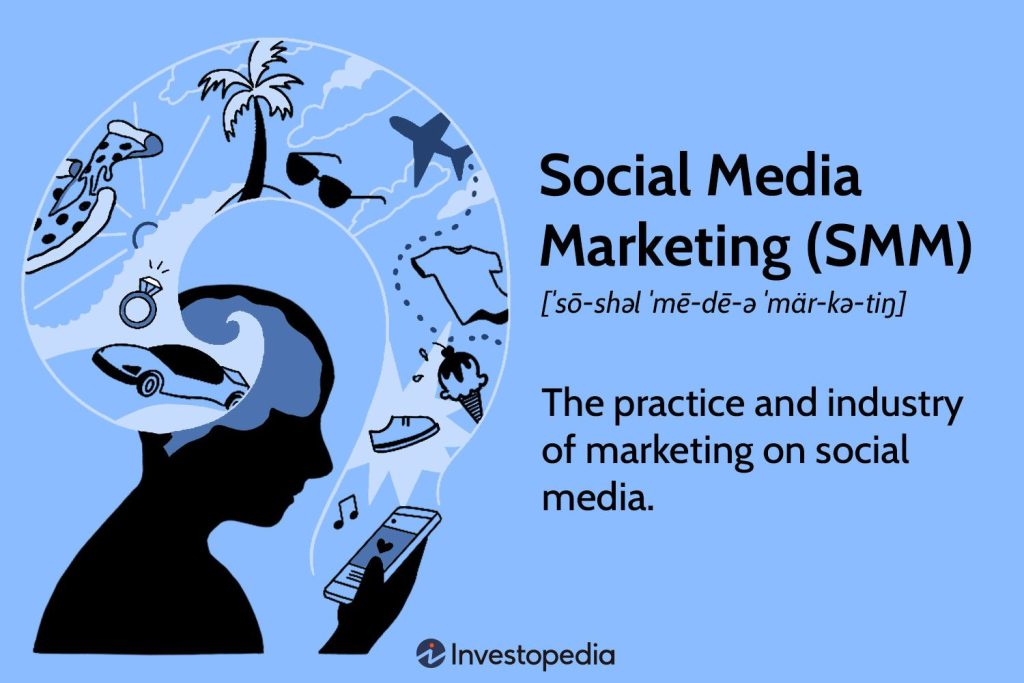
Social media marketing and management is essential for businesses today. It involves creating, publishing, and analyzing content on social platforms.
In the digital age, social media has transformed how businesses interact with their audience. It offers a direct line to customers, allowing brands to build relationships and engage in real-time. Effective social media marketing and management can boost brand awareness, drive traffic, and increase sales.
By understanding the tools and strategies available, businesses can leverage social media to achieve their goals. In this blog, we will explore the key aspects of social media marketing and management, providing insights to help you navigate this dynamic field. Whether you’re a small business owner or a marketing professional, this guide will offer valuable tips to enhance your social media presence.
Introduction To Social Media Marketing
Social Media Marketing (SMM) has transformed how businesses engage with customers. It involves using social media platforms to promote products or services. Effective SMM helps build brand awareness, drive website traffic, and increase sales. It is an essential part of any modern marketing strategy.
Importance Of Online Presence
Having an online presence is crucial for any business today. It allows companies to reach a wider audience. Customers often search online before making a purchase. A strong online presence builds trust and credibility. It helps businesses stay connected with their audience. Engaging content on social media keeps customers interested and informed.
Evolution Of Social Media Platforms
Social media platforms have evolved significantly over the years. Early platforms like MySpace focused on personal networking. Facebook changed the game by introducing business pages. Twitter introduced real-time updates and hashtags. Instagram and Pinterest brought visual content to the forefront. TikTok and Snapchat cater to a younger audience with short videos. Each platform has its unique features and user base. Businesses must adapt their strategies to each platform’s strengths.
Creating A Social Media Strategy
Creating a Social Media Strategy is key to success in digital marketing. Without a plan, your efforts might not yield desired results. A solid strategy guides your actions and helps you measure success.
Setting Goals And Objectives
First, define what you want to achieve. Clear goals give direction. Do you want more followers? Or, do you aim to increase website traffic? Maybe your goal is better engagement. Write specific, measurable, achievable, relevant, and time-bound (SMART) goals. These goals help track progress and adjust tactics.
Identifying Target Audience
Knowing your audience is vital. Who are they? What are their interests? Where do they spend time online? Answering these questions helps create relevant content. Use tools like surveys and analytics to gather data. Build detailed audience profiles or personas. This information guides content creation and posting schedules.
Content Creation And Curation
Social media marketing thrives on engaging content. Content creation and curation form the backbone of an effective strategy. It involves creating original content and sharing relevant third-party content. Both processes help build your brand and connect with your audience.
Types Of Content
Diverse content types keep your audience interested. Here are some common forms:
Images: Visuals grab attention quickly. Use high-quality photos related to your message.
Videos: Short clips or tutorials engage users. They explain complex ideas simply.
Infographics: These present data in a visual format. They are easy to digest and share.
Blogs: Written posts provide in-depth information. They help establish authority in your field.
Memes: Humorous content often goes viral. It adds a fun element to your strategy.
Content Calendar
Consistency is key in social media marketing. A content calendar helps plan and organize posts. It ensures regular updates and avoids last-minute rushes.
Weekly Themes: Assign themes to different days. This keeps your content varied and engaging.
Scheduling Tools: Use tools to schedule posts in advance. This saves time and maintains a steady flow of content.
Special Events: Mark important dates and events. Create content around these to stay relevant.
Analytics Review: Regularly review performance metrics. Adjust your calendar based on what works best.
A well-planned content calendar helps maintain a consistent online presence. It also makes managing social media easier and more effective.

Credit: www.leadwithprimitive.com
Engaging Your Audience
Engaging your audience on social media is crucial for effective marketing. It helps build trust, loyalty, and a sense of community. This section will guide you on how to engage your audience effectively.
Building Relationships
Building relationships with your audience is a key aspect of social media marketing. To do this, focus on the following steps:
- Personal Interaction: Address followers by their names when replying to comments or messages. This personal touch can make a big difference.
- Consistent Posting: Keep a regular posting schedule. This shows that you are active and committed to engaging with your audience.
- Share User-Generated Content: Encourage your followers to create content related to your brand and share it on your profiles.
Responding To Feedback
Feedback from your audience is invaluable. It shows what you are doing right and what needs improvement. Here are ways to handle feedback:
- Prompt Responses: Reply to comments, messages, and reviews as soon as possible. This shows that you value their input.
- Positive Feedback: Thank your audience for their kind words. Show gratitude and appreciation.
- Negative Feedback: Handle negative comments professionally. Apologize if necessary and offer solutions to resolve the issue.
To summarize, engaging your audience requires building relationships and responding to feedback. Follow these steps to create a loyal and interactive community on social media.
Analyzing Performance
Analyzing performance in social media marketing and management helps gauge success. It involves understanding what works and what doesn’t. By analyzing, you can improve strategies and meet goals. This section will guide you through key metrics to track and essential tools for analytics.
Key Metrics To Track
Tracking the right metrics is crucial. These metrics reveal your social media performance. Engagement rate is one of the most important. It shows how actively people interact with your content. Another key metric is reach. Reach tells you how many people see your posts. Impressions count how often your content is displayed. These three metrics give a clear picture of your social media impact.
Other important metrics include follower growth and click-through rate. Follower growth shows how your audience is expanding. Click-through rate measures how many people click on your links. These metrics help you understand your audience better. They also show how effective your content is. Together, they provide a comprehensive view of your social media performance.
Tools For Analytics
Using the right tools can simplify social media analytics. Google Analytics is a powerful tool for tracking traffic. It helps you see where your visitors come from. It also shows how they interact with your site. Hootsuite Analytics offers detailed reports. It covers multiple social media platforms in one place.
Sprout Social is another useful tool. It provides in-depth analytics and reporting. It also offers social listening features. Buffer Analyze helps track engagement and performance. It offers easy-to-understand reports and insights. These tools make it easier to analyze your social media performance. They provide valuable data to refine your strategies.
Social Media Advertising
Social media advertising is a powerful tool for businesses. It helps in reaching a larger audience. With precise targeting, you can connect with potential customers. This section covers how to choose platforms for ads and create effective ad campaigns.
Choosing Platforms For Ads
Choosing the right platform is crucial. Each social media platform has its own unique audience. Here’s a quick comparison:
| Platform | Audience | Best For |
|---|---|---|
| Broad age range | Brand awareness, community building | |
| Younger audience | Visual content, lifestyle | |
| Professionals | B2B, professional services | |
| News seekers | Real-time updates, customer service | |
| Creative audience | DIY, crafts, fashion |
Choose a platform where your audience spends their time. Think about your goals and target audience. For a younger audience, Instagram is a good choice. For professional services, LinkedIn works well.
Creating Effective Ad Campaigns
Creating effective ad campaigns involves several steps. Follow these steps to ensure success:
- Define your goals: Know what you want to achieve. This could be brand awareness, website traffic, or sales.
- Identify your audience: Understand who you are targeting. Use demographics, interests, and behaviors.
- Craft compelling ad copy: Use clear and concise language. Include a strong call-to-action (CTA).
- Use eye-catching visuals: High-quality images or videos grab attention.
- Set a budget: Decide how much you are willing to spend. Monitor spending to ensure it aligns with your goals.
- Analyze performance: Track key metrics like clicks, impressions, and conversions. Adjust your strategy based on the data.
Engage your audience with relevant content. Use different formats such as carousel ads, video ads, and stories. Experiment to see what works best. Remember, the key to success is continuous improvement.
Managing Multiple Accounts
Managing multiple social media accounts can seem overwhelming. Each platform has its own unique features and audience. Juggling between them requires time, effort, and organization. Social media marketing and management is essential for businesses to reach a wider audience.
Tools For Management
Using the right tools can save you a lot of time. Tools like Hootsuite and Buffer allow you to manage multiple accounts from one dashboard. This makes it easier to keep track of your posts and interactions. You can monitor conversations, respond to messages, and measure your performance. These tools often provide analytics to help you understand what works best.
Scheduling Posts
Scheduling posts is another crucial aspect of managing multiple accounts. It ensures that your content goes live when your audience is most active. Tools like Later and Sprout Social offer scheduling features. You can plan and queue posts in advance. This reduces the stress of posting in real-time. Consistent posting can help you stay connected with your audience. It also keeps your brand visible and engaged.
Staying Updated With Trends
Staying updated with trends is crucial in social media marketing. Trends change fast, and your strategy must evolve with them. Understanding what’s current can help boost engagement and reach. Here’s how you can stay ahead in the game.
Following Industry Leaders
Following industry leaders can keep you informed. These experts share valuable insights and latest trends. They often post about new tools and strategies. Consider subscribing to their newsletters or blogs. Regularly check their social media profiles for updates.
| Industry Leader | Platform | Content Type |
|---|---|---|
| Neil Patel | Blog, YouTube | SEO Tips, Marketing Strategies |
| Gary Vaynerchuk | Instagram, LinkedIn | Motivational, Business Advice |
| Ann Handley | Twitter, Blog | Content Marketing, Writing Tips |
Adapting To Changes
Adapting to changes is key in social media marketing. Algorithms and user preferences shift often. Keep an eye on platform updates. Adjust your content strategy to fit new trends.
- Regularly review your analytics.
- Identify what’s working and what’s not.
- Experiment with new content types.
Be flexible and willing to change. This will help you stay relevant and engage your audience effectively.
Case Studies And Success Stories
Social media marketing and management can transform brands. Real-life examples show how effective strategies lead to success. Below, we explore case studies and success stories of brands that have thrived using social media.
Brands With Strong Social Media Presence
Some brands dominate social media. Their strategies are worth examining. Let’s look at a few key examples:
- Starbucks: Starbucks excels in engaging with its audience. They use interactive posts and share customer stories. Their campaigns often go viral.
- Netflix: Netflix uses witty and timely content. They create memes and respond to trends. This keeps their audience entertained and engaged.
- Wendy’s: Wendy’s is known for its bold social media presence. Their humorous and sometimes edgy tweets keep followers entertained.
Lessons Learned
From these brands, we learn several key strategies:
- Engage with Your Audience: Interaction builds loyalty. Respond to comments and share user-generated content.
- Create Timely Content: Stay relevant by addressing current trends. This keeps your brand visible and engaging.
- Use Humor: Humor can make your brand relatable. Use it wisely to connect with your audience.
These strategies are essential for a strong social media presence. By studying successful brands, we can improve our own social media marketing and management efforts.
Credit: brimaronlinemarketing.com
Frequently Asked Questions
What Is Social Media Marketing?
Social media marketing involves using social platforms to promote products or services. It helps businesses connect with their audience, increase brand awareness, and drive website traffic.
How Does Social Media Management Help Businesses?
Social media management helps streamline content creation, scheduling, and engagement. It ensures consistent brand messaging and improves customer interaction, leading to better business growth.
What Are Key Social Media Platforms?
Key social media platforms include Facebook, Instagram, Twitter, LinkedIn, and TikTok. Each platform offers unique features and caters to different audiences.
Why Is Social Media Marketing Important?
Social media marketing is important for reaching a wider audience, increasing brand visibility, and engaging with customers. It also helps in driving website traffic and generating leads.
Conclusion
Social media marketing offers great opportunities for businesses today. Effective management boosts online presence. Engaging content attracts followers. Consistent posting keeps the audience interested. Monitoring analytics helps refine strategies. Businesses can connect directly with customers. Building relationships fosters brand loyalty.
Social media is essential in modern marketing. Embrace it for growth and success. Stay active, stay relevant.

