Social Media Marketing Strategies to Boost Business Growth
Founder & Lead SaaS Analyst at PCSaaS · Google Ads & Analytics Certified · SaaS Stack Architect · 500+ Software Tools Tested · 8+ years in B2B SaaS evaluation, AppSumo lifetime deal curation, performance marketing, and AI workflow automation
Social media marketing involves using platforms to create content and engage audiences, helping businesses build brand awareness and connect with customers effectively.
Imagine connecting directly with your customers, sparking genuine conversations, and turning interactions into powerful recommendations—all while gaining valuable insights through smart data analytics. With over 5 billion social media users worldwide, the chance to grow your business has never been bigger or more exciting. Dive into this guide to discover how social media marketing works, why it’s so effective, and how you can use it to transform your business today. Ready to get started?
Introduction To Social Media Marketing
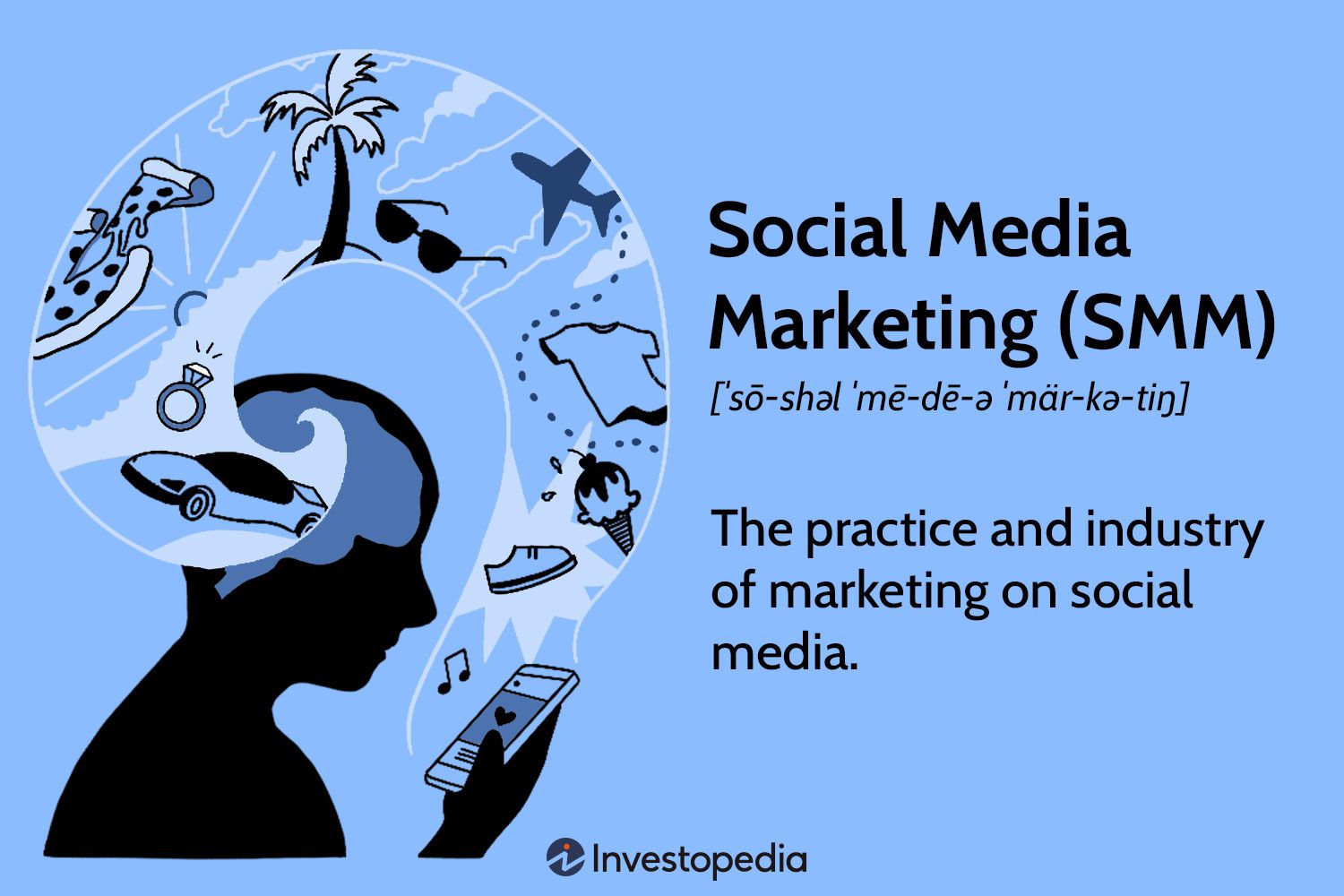
Social Media Marketing (SMM) uses social platforms to promote brands and products. It helps businesses connect with customers and attract new ones. With billions of users worldwide, social media offers vast opportunities for marketing.
Companies can track results and improve strategies using built-in analytics. Social media marketing is essential for modern businesses to grow and engage their audience.
What Is Social Media Marketing And Why It Matters
Social media marketing is the use of platforms like Facebook, Instagram, and X to market products and services. It helps build brand awareness and drives traffic to websites.
SMM allows direct interaction with customers, increasing loyalty and trust. It also provides valuable data to improve marketing efforts.
Connects businesses with billions of users
Enables targeted advertising
Offers real-time feedback from customers
Supports content promotion and engagement
Because social media is widely used, marketing on these platforms is crucial for business success.
How Social Media Marketing Boosts Brand Visibility And Engagement
Social media marketing increases brand visibility by showing content to large audiences. Regular posts and ads keep brands in front of potential customers.
Engagement grows through likes, comments, shares, and direct messages. This interaction builds a loyal community around the brand.
Benefit How It Works
Brand Awareness Content reaches millions on platforms like Instagram and Facebook.
Customer Engagement Users interact by liking, commenting, and sharing posts.
Targeted Reach Ads target specific groups based on interests and behavior.
Real-Time Feedback Businesses receive immediate responses from customers.
Consistent social media marketing keeps brands relevant and connected to their audience.

A social media analytics dashboard helps track key performance indicators.
Credit: nealschaffer.com
Key Features Of Effective Social Media Marketing
Effective social media marketing combines several key features that work together to build brand awareness, engage audiences, and drive sales. Understanding these features helps businesses create campaigns that connect with users and meet clear goals. Each element plays a crucial role in shaping a successful social media presence.
Content Strategy: Balancing Educational, Human, And Promotional Content
A strong content strategy blends three types of posts:
Educational content: Shares tips, facts, and useful information.
Human content: Shows the brand’s personality and values.
Promotional content: Highlights products, offers, and events.
This balance keeps followers interested and builds trust. Too much promotion can feel pushy. Human and educational posts create a connection that encourages loyalty.
In practice, the most effective content strategies also include a fourth category: entertaining content. Memes, relatable stories, and behind-the-scenes clips humanise the brand and generate organic shares. A common mistake is to plan only promotional posts around product launches; instead, aim for a ratio where at least 60% of your content delivers value without a direct sales pitch. Repurposing a single educational blog post into a short video, a carousel, and a quote graphic can extend its reach across multiple platforms without extra creative effort.
Audience Targeting: Defining Goals And Creating Buyer Personas
Clear goals guide social media marketing efforts. Define what the campaign aims to achieve, such as increasing sales or boosting website visits. Creating buyer personas helps target the right audience.
Buyer personas are profiles of ideal customers based on demographics, interests, and behavior. This focus improves message relevance and engagement.
Platform Selection: Choosing The Right Channels For Your Brand
Each social media platform has a unique audience and style. Select platforms that match the brand’s goals and audience preferences.
Platform Best For Audience
Facebook Wide reach, community building All ages, broad interests
Instagram Visual content, lifestyle brands Younger audience, creatives
LinkedIn Professional networking, B2B Professionals, businesses
Twitter (X) News, quick updates General public, influencers
Choosing the right platform saves time and boosts impact.
Engagement Techniques: Building Trust And Encouraging Interaction
Engagement is about more than likes. It means creating conversations and relationships.
Respond to comments and messages promptly.
Ask questions and invite opinions.
Use polls and interactive content.
Show appreciation for followers.
These techniques build trust and make users feel valued. Engaged audiences are more likely to become customers.
One often-overlooked engagement technique is proactive community management. Instead of waiting for users to come to you, search for relevant conversations about your industry or competitors and join them with helpful insights. Setting up a chatbot to handle common queries after hours ensures no message goes unanswered, which can be done with a dedicated chatbot automation tool. Additionally, user-generated content campaigns—where you ask followers to share photos using your product with a branded hashtag—turn customers into advocates and provide authentic social proof.
Analytics And Kpi Monitoring: Refining Strategies Based On Data
Tracking performance with analytics is essential. Use data to measure Key Performance Indicators (KPIs) like:
Reach and impressions
Engagement rate
Click-through rate
Conversion rate
Regularly reviewing these metrics helps adjust strategies for better results. Data-driven decisions improve social media marketing effectiveness over time.
Beyond the standard KPIs, leading marketers also monitor sentiment analysis and share of voice. Sentiment analysis reveals whether comments about your brand are positive, negative, or neutral, giving you early warning of reputation issues. Share of voice compares your brand’s mentions against competitors, helping you gauge market presence. Tools that aggregate data from multiple platforms, such as a comprehensive social media management tool, make it easy to spot trends without switching between dashboards. A weekly 15-minute review of these metrics can prevent small problems from escalating and highlight content that deserves a paid boost.
Pricing And Affordability Of Social Media Marketing Services
Social media marketing services vary widely in price and affordability. Businesses must understand costs before investing. Pricing depends on the service type, scope, and goals. Knowing these details helps you choose the best fit for your budget.
Understanding Different Pricing Models: Agency Vs. Diy Tools
Two main pricing models exist: hiring an agency or using DIY tools.
Agency Services: Agencies offer full management, strategy, and content creation. They charge monthly retainers or project-based fees.
DIY Tools: These are software platforms for scheduling posts and analyzing data. They charge monthly or annual subscription fees.
Agencies provide expert guidance but cost more. DIY tools are cheaper but need more time and skill.
Cost Factors: Content Creation, Advertising Budgets, And Management Fees
Several factors affect the total cost of social media marketing:
Cost Factor Description Typical Price Range
Content Creation Designing posts, videos, and graphics. $300 – $2,000 per month
Advertising Budgets Paid ads on platforms like Facebook or Instagram. $200 – $5,000+ per month
Management Fees Agency or freelancer fees for managing accounts. $500 – $3,000 per month
Costs vary by business size and campaign goals. Small businesses usually spend less than large enterprises.
Evaluating Roi: Measuring The Value Of Your Investment
Return on investment (ROI) shows how well your spending performs.
Use these methods to evaluate ROI:
Track engagement rates like likes, comments, and shares.
Measure website traffic from social media posts.
Monitor sales or leads generated via social platforms.
Compare costs against results for clear value understanding.
Regular ROI checks ensure budgets focus on effective strategies.

Planning a coordinated social media strategy improves campaign outcomes.
Credit: www.clickreturn.co.uk
Pros And Cons Of Social Media Marketing
Social media marketing offers powerful tools for brands to connect with people. It builds brand presence, boosts sales, and grows customer loyalty. Yet, it also comes with challenges that can slow progress or reduce impact.
Understanding the advantages and challenges helps businesses plan better. It also highlights common pitfalls and ways to avoid them for success.
Advantages: Increased Brand Awareness, Customer Loyalty, And Sales Growth
Social media marketing raises brand visibility to millions worldwide. Platforms like Facebook, Instagram, and X reach billions of users daily. This reach helps brands become familiar and trusted.
Increased Brand Awareness: Regular posts and ads expose your brand to new audiences.
Customer Loyalty: Engaging content and direct communication build strong customer relationships.
Sales Growth: Targeted ads and promotions drive traffic and increase purchases.
Analytics tools track engagement and sales, allowing smart adjustments. This keeps campaigns effective and aligned with business goals.
Challenges: Time Investment, Algorithm Changes, And Content Saturation
Social media marketing demands consistent effort and time. Creating quality content and interacting with followers is ongoing work.
Challenge Description
Time Investment Frequent posting and engagement require daily attention.
Algorithm Changes Platforms regularly update rules affecting content visibility.
Content Saturation High competition makes standing out difficult.
Marketers must adapt quickly to changes and maintain creativity to stay relevant.
Common Pitfalls And How To Avoid Them
Ignoring Analytics: Skipping data review leads to wasted effort. Use insights to refine strategies.
Inconsistent Posting: Irregular updates lose audience interest. Maintain a steady schedule.
Over-Promotion: Constant sales pitches can annoy followers. Balance content with value and engagement.
Neglecting Engagement: Not responding to comments harms trust. Reply promptly to build loyalty.
Copying Competitors: Lack of originality reduces brand uniqueness. Create authentic content.
Focus on clear goals, track results, and listen to your audience. This helps avoid errors and improves outcomes.
Recommendations For Ideal Users And Scenarios
Social media marketing suits various business types and goals. It helps brands connect, engage, and grow effectively. Choosing the right approach depends on the business size, industry, and target audience. Below are ideal users and scenarios where social media marketing delivers strong results.
Small Businesses And Startups: Leveraging Social Media For Growth
Small businesses and startups benefit from social media’s wide reach and low cost. It offers a platform to build brand awareness quickly.
Build a community: Connect with local or niche audiences.
Showcase products or services: Use images and videos to attract attention.
Engage directly: Respond to comments and messages to build trust.
Run low-budget ads: Target specific demographics to maximize impact.
Social media marketing helps startups compete with bigger brands by leveling the playing field.
Established Brands: Enhancing Customer Relationships And Loyalty
Established brands use social media to deepen relationships with customers. It builds loyalty and encourages repeat business.
Share exclusive content: Behind-the-scenes or special offers.
Encourage user-generated content: Customers sharing their experiences.
Handle customer service: Quick responses to questions or issues.
Monitor brand sentiment: Use analytics to understand customer opinions.
This approach keeps customers engaged and strengthens brand reputation over time.
E-commerce: Driving Traffic And Conversions Through Targeted Campaigns
E-commerce businesses rely on social media to boost sales and website visits.
Use targeted ads: Focus on users with high purchase intent.
Promote limited-time offers: Create urgency and increase sales.
Leverage influencers: Expand reach through trusted voices.
Show product demos: Videos to explain features and benefits.
Tracking conversions helps optimize campaigns and improve return on investment.
Service Providers: Building Authority And Trust With Educational Content
Service providers gain trust by sharing useful, educational content on social media.
Publish how-to guides: Help potential clients solve problems.
Host live Q&A sessions: Engage directly with your audience.
Share success stories: Showcase client results and testimonials.
Post industry insights: Position yourself as an expert.
Consistent, valuable content builds authority and encourages client loyalty.
Advanced Strategies for Social Media Growth in 2026
Staying competitive in 2026 requires going beyond the basics. Platforms continue to evolve their algorithms, and audience expectations shift toward more authentic, interactive experiences. Below are three high-impact tactics that successful brands are using to stand out.
Leveraging Influencer and User-Generated Content
Influencer marketing remains a powerful way to build trust, but the focus has shifted from mega-celebrities to micro-influencers (1,000–50,000 followers) who have highly engaged niche audiences. Partnering with creators who genuinely use your product leads to more authentic endorsements. At the same time, encouraging customers to share their own experiences—through reviews, unboxing videos, or social shout-outs—creates a steady stream of social proof. Running a simple hashtag contest can generate hundreds of pieces of user-generated content without a large budget. For brands that want to manage these campaigns efficiently, a platform that handles lead generation tactics alongside social listening can centralise the outreach and follow-up process.
Social Listening and Reputation Management
Social listening goes beyond monitoring mentions; it involves analysing the sentiment and context behind conversations about your brand, competitors, and industry. Tools that track keywords in real time allow you to identify emerging trends, spot customer pain points before they escalate, and even discover new product ideas. For example, a restaurant chain might notice a recurring complaint about wait times on Twitter and then proactively address it with a new reservation system. According to data from the Pew Research Center, a majority of adults now use social media to stay informed about brands and current events, making reputation management a critical business function. A dedicated social listening dashboard helps you respond to both praise and criticism within minutes, turning potential crises into opportunities for demonstrated care.
Video Content and Live Streaming
Video continues to dominate social feeds, with short-form content (Reels, TikTok, YouTube Shorts) driving the highest engagement rates. However, live streaming—whether on Instagram Live, Facebook Live, or LinkedIn Live—offers an even deeper connection because it allows real-time interaction. Brands can host Q&A sessions, product launches, or behind-the-scenes tours, and the unedited nature of live video builds trust. To repurpose this content, clip highlights into shorter posts and create a library of evergreen tutorials. Using a reliable video editing software can speed up the production of polished clips without requiring a full production team.
Getting Started With Social Media Marketing
Social media marketing helps businesses connect with customers and grow sales. It uses platforms like Facebook, Instagram, and X to share content and build a brand. Millions of users spend time daily on these sites. This makes social media a powerful tool for marketing.
Starting social media marketing needs clear planning. Knowing your goals and audience is key. Next, create profiles that look professional and consistent. Then, plan your posts with a calendar. Using automation tools can save time and improve results.
Setting Clear Business Goals And Identifying Your Audience
Start by defining what your business wants to achieve. Common goals include:
Increasing brand awareness
Driving website traffic
Boosting product sales
Engaging with customers
Next, identify who your audience is. Consider their:
Age group
Interests
Location
Social media habits
This helps create content that your audience will like and share.
Creating Complete And Consistent Profiles Across Platforms
Make sure your business profiles are fully filled out on all platforms. Include:
Business name
Logo and cover images
Contact information
Clear description of your business
Website link
Use the same photos, colors, and style on each platform. This builds trust and makes your brand easier to recognize.
Planning And Scheduling Content With A Calendar
Organize your posts ahead using a content calendar. This helps you:
Keep a steady flow of posts
Plan special campaigns or events
Mix different types of content like images, videos, and text
Track important dates and holidays
Example of a simple weekly calendar:
Day Content Type Platform Goal
Monday Product photo Instagram Brand awareness
Wednesday Customer story Facebook Engagement
Friday Blog link Twitter (X) Website traffic
Using Tools To Automate And Optimize Your Marketing Efforts
Automation tools save time and improve results. They allow you to:
Schedule posts in advance
Monitor social media activity
Analyze audience engagement
Respond quickly to comments and messages
Popular tools include:
Hootsuite – Manage multiple platforms
Buffer – Schedule and analyze posts
Sprout Social – Track engagement and customer data
Use these tools to keep your social media marketing efficient and consistent.

Current social media usage statistics inform targeting and content decisions.
Credit: www.dreamgrow.com
Frequently Asked Questions
What Does Social Media Marketing Do?
Social media marketing connects brands with audiences on platforms to build awareness, increase sales, and drive website traffic. It creates engaging content, fosters trust, and encourages interaction, ultimately boosting conversions and business growth.
What Is The 50/30/20 Rule For Social Media?
The 50/30/20 rule for social media means 50% value-driven content, 30% brand personality, and 20% promotional posts. This balance builds trust, engagement, and drives sales effectively.
What Does A Social Media Marketer Get Paid?
Social media marketers earn between $40,000 and $70,000 annually, depending on experience and location. Entry-level roles pay less.
How To Start Social Media Marketing As A Beginner?
Define clear goals and identify your target audience. Choose suitable social media platforms. Create and schedule engaging content regularly. Interact actively with followers. Track performance metrics and adjust your strategy for better results.
Conclusion
Social media marketing helps businesses connect directly with their audience. It allows brands to share content and build trust quickly. Using social media, companies can reach many people without high costs. Tracking results is easy, making campaigns smarter over time. Consistent effort is key for lasting success online. Explore tools that support your marketing goals. Learn more about effective strategies at Social media marketing. Start improving your presence and engaging customers today.

Similar Posts

















[…] Machine learning groups customers based on shared traits. It looks at demographics, interests, and buying patterns. Marketers can then tailor messages to each group. This boosts engagement and makes campaigns more efficient. For more on this, see our guide on social media marketing. […]
[…] explore resources about what project management looks like in an AI-enhanced environment or how social media marketing strategies evolve with automation […]