Social Media Analytics Tools: Boost Your Marketing Strategy
Lead SaaS Analyst & Software Developer at PCSaaS · Software Developer (GitHub @Ratankarmakar) · Google Ads & Analytics Certified · 500+ SaaS Tools Tested · 8+ years in software engineering, B2B SaaS evaluation, AppSumo deal auditing, and performance marketing
Social media analytics tools help you understand your audience better. They provide insights to improve your content strategy.
In today's digital age, businesses thrive on data. Social media platforms generate vast amounts of information daily. To make sense of this data, you need the right tools. Social media analytics tools are essential for tracking engagement, measuring performance, and understanding trends.
Unlock your potential with analytics today!
As we move through 2026, the importance of social media analytics has only grown. With platforms continuously updating their algorithms and introducing new features, staying on top of your data is more critical than ever. Businesses that leverage real-time analytics and AI-driven insights are gaining a significant competitive advantage.
They help you make informed decisions and optimize your social media efforts. Whether you are a small business or a large corporation, leveraging these tools can give you a competitive edge. Stay tuned as we explore the best social media analytics tools that can elevate your online presence and drive success.
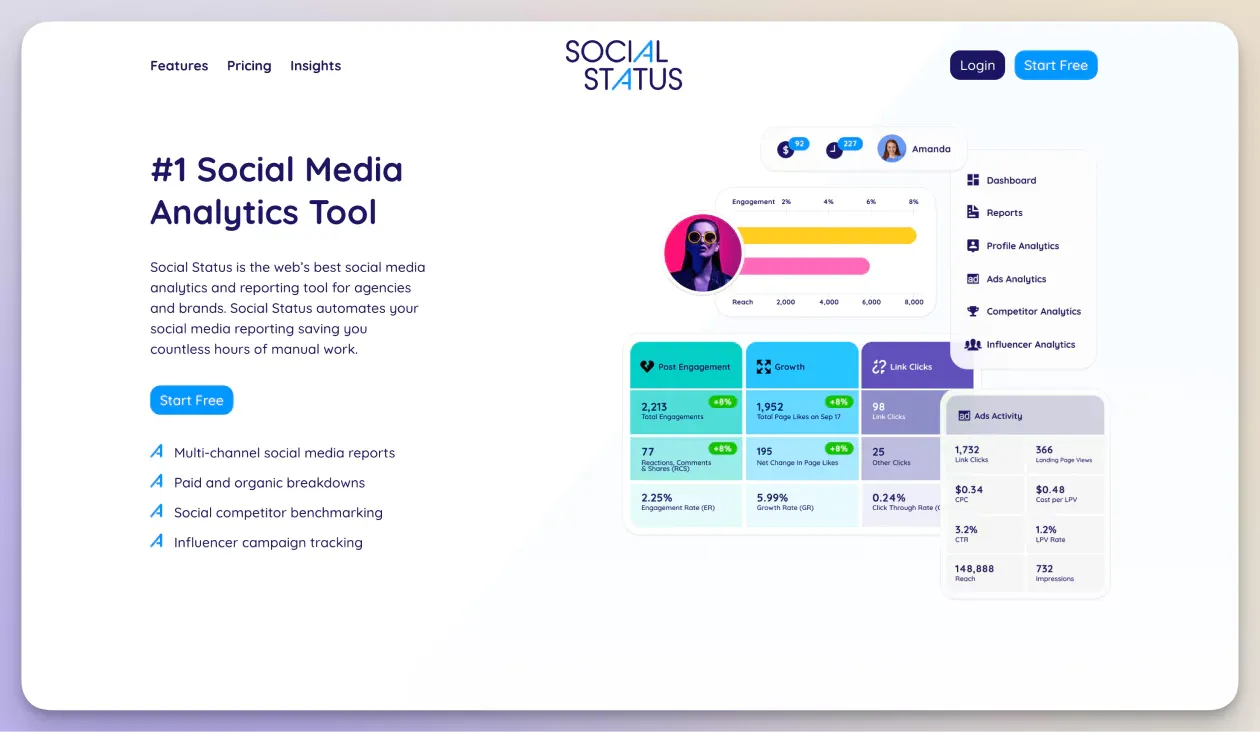
Credit: www.socialinsider.io
Example of a social media analytics dashboard with key performance indicators for tracking audience interaction.
Importance Of Social Media Analytics
Understanding the importance of social media analytics is crucial for anyone involved in digital marketing. These tools allow you to measure the effectiveness of your campaigns, understand your audience, and ultimately make smarter business decisions. But why is social media analytics so vital?
Impact On Marketing
Social media analytics directly impacts your marketing efforts. Imagine you are running a campaign on multiple platforms like Facebook, Instagram, and Twitter. Without analytics, you would have no idea which platform is performing best. Analytics provide you with clear metrics on engagement, reach, and conversion rates.
Knowing which posts get the most likes, shares, or comments helps you refine your strategy. You can focus on what works and discard what doesn’t. This targeted approach not only saves time but also ensures a higher return on investment (ROI).
Data-driven Decisions
Making decisions based on data rather than guesses is a game-changer. Social media analytics tools offer insights into user behavior, preferences, and trends. This data helps you create content that resonates with your audience.
For instance, if you notice that videos get more engagement than images, you can adjust your content strategy accordingly. You can also track the performance of different campaigns in real time, allowing you to pivot quickly if something isn’t working.
Have you ever wondered if your marketing budget is being used effectively? Analytics can help answer this question. By identifying the most effective channels and content types, you can allocate your resources more efficiently.
By harnessing the power of social media analytics, you can transform your marketing strategy, making it more effective and focused. Are you ready to make your marketing efforts more data-driven?
A common mistake businesses make is focusing only on vanity metrics like likes and followers. True data-driven decisions come from deeper metrics such as conversion rates, customer lifetime value, and attribution modeling. By integrating analytics with your CRM software, you can connect social media activities directly to revenue and measure the true impact of your campaigns.
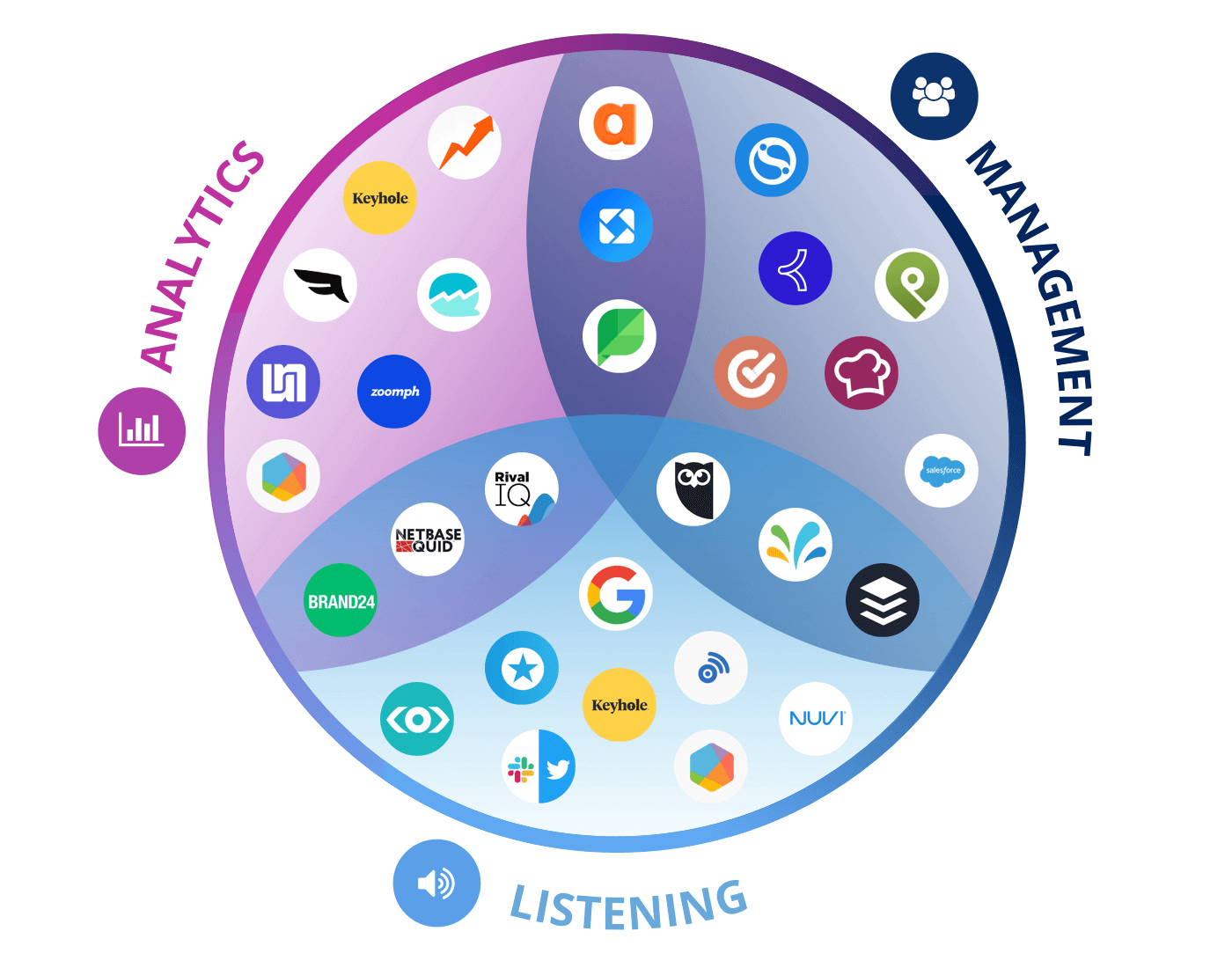
Credit: www.rivaliq.com
Visual breakdown of audience, content, and platform measurement dimensions for a complete analytics view.
Key Metrics To Track
When it comes to leveraging social media analytics tools, understanding the key metrics to track can significantly enhance your strategy. These metrics provide valuable insights into your audience's behavior and the overall effectiveness of your campaigns. Let's dive into two essential metrics: engagement rates and audience demographics.
Engagement Rates
Engagement rates measure how actively your audience interacts with your content. This includes likes, comments, shares, and clicks. Monitoring these rates helps you identify what content resonates most with your audience.
Imagine you posted a video and it received triple the comments compared to your usual posts. This signals strong engagement and suggests you should create more video content. Always track these interactions to refine your content strategy.
High engagement rates typically indicate that your content is relevant and interesting to your audience. If you notice a drop, it might be time to tweak your content style or topics. Always ask yourself: What can I do to boost engagement next time?
Audience Demographics
Understanding your audience demographics is crucial. This data tells you about your followers' age, gender, location, and interests. Tailoring your content to match these demographics can improve your campaign's effectiveness.
For instance, if you discover that a significant portion of your audience is from a specific region, you can create region-specific content. This personalized approach can make your audience feel more connected to your brand.
Regularly reviewing audience demographics ensures that your content remains relevant. It also helps you identify new potential markets. Are you reaching the audience you intended? If not, consider adjusting your targeting strategies.
Conversion Rates
Conversion rates measure how many social media interactions lead to desired actions such as purchases, sign-ups, or downloads. This metric directly ties your social media efforts to business outcomes. By tracking conversion rates, you can identify which posts, ads, or campaigns drive actual revenue. Pairing this data with your CRM helps attribute sales to specific social channels.
Tracking these key metrics gives you actionable insights to improve your social media strategy. Start paying attention to engagement rates and audience demographics today to see a significant impact on your social media success.
https://www.youtube.com/watch?v=qMxT9O1WAFE
Popular Analytics Tools
Understanding how your social media posts perform is crucial. Social media analytics tools help you track engagement, analyze trends, and optimize your content strategy. Let's dive into some popular tools that can help you get the most out of your social media efforts.
Hootsuite Features
Hootsuite offers comprehensive insights into your social media performance. You can track metrics like likes, shares, comments, and follower growth. This helps you understand what content resonates with your audience.
It also provides detailed demographic data. Knowing the age, location, and interests of your followers can help tailor your content more effectively.
One standout feature is sentiment analysis. This allows you to gauge how positively or negatively your audience feels about your posts, helping you adjust your strategy accordingly.
Buffer Features
Buffer is known for its user-friendly interface. You don't need to be a tech expert to navigate through the various features and reports it offers.
It excels in hashtag tracking. You can see which hashtags are driving the most engagement and adjust your hashtag strategy for better reach.
The reporting feature is particularly valuable. You can generate customizable reports to present your social media performance to stakeholders or team members.
Have you ever wondered how much time you spend analyzing your social media data? These tools can significantly reduce that time and make your analysis more effective.
So, which tool will you choose to elevate your social media strategy?
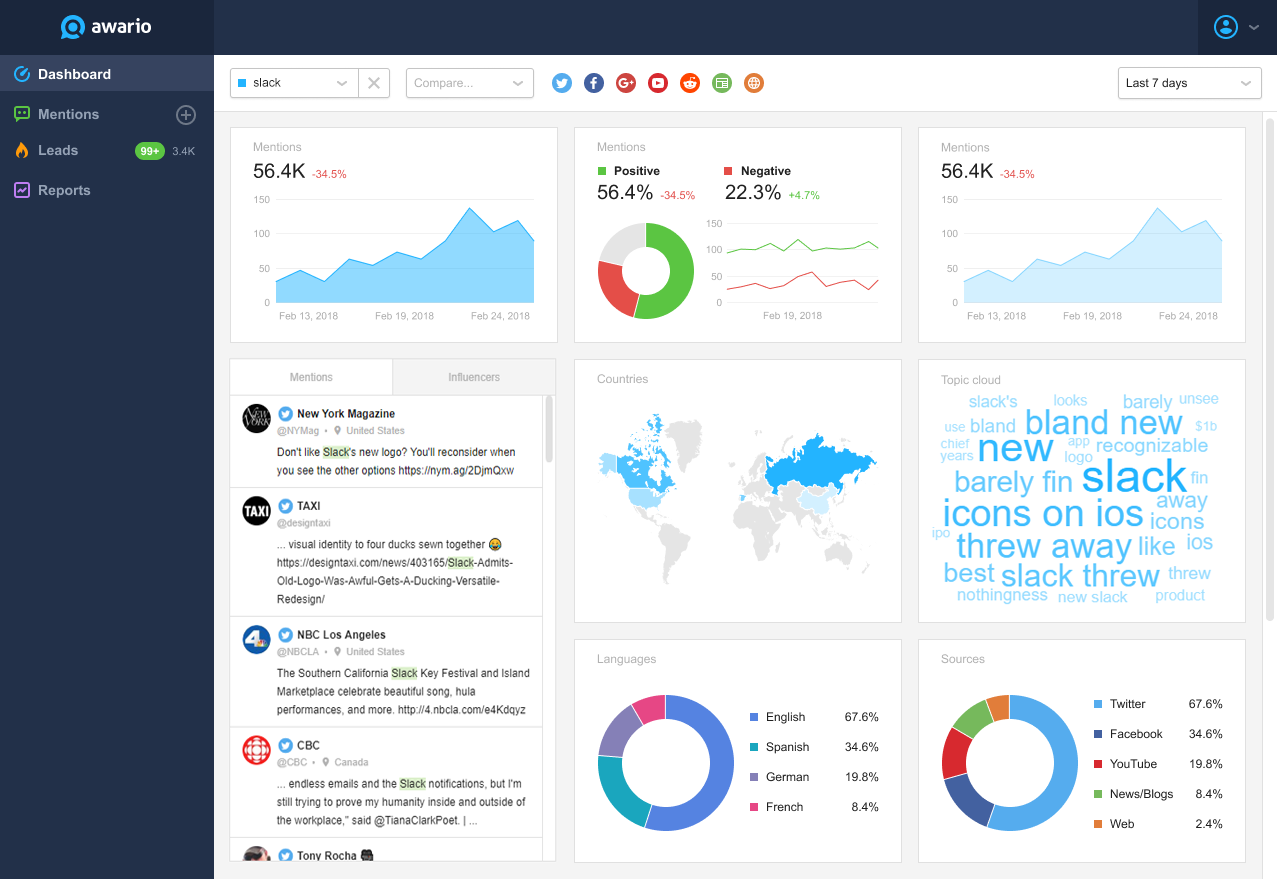
Credit: www.socialmediatoday.com
Comparative analysis of hashtag engagement across platforms, helping refine your tagging strategy.
Comparing Analytics Tools
In today’s digital age, social media analytics tools are essential. They help businesses understand their audience, track performance, and improve strategy. There are many tools available, each with unique features and benefits. This section focuses on comparing these tools based on two critical factors: pricing models and user interface.
Pricing Models
Pricing is a key factor when choosing an analytics tool. Some tools offer free basic plans with limited features. These are great for small businesses or beginners. Paid plans usually provide more in-depth analytics and advanced features.
Subscription models vary. Some tools charge monthly fees, while others offer annual subscriptions at a discount. There are also pay-as-you-go options. This flexibility allows businesses to choose a plan that fits their budget and needs.
User Interface
The user interface (UI) of an analytics tool is crucial. It should be intuitive and easy to navigate. A good UI helps users find information quickly and efficiently. This is important, especially for those who are not tech-savvy.
Look for tools that offer customizable dashboards. This feature allows users to tailor the interface to their preferences. Interactive charts and graphs can make data easier to understand. A clean, well-organized UI can save time and reduce frustration.
Transform your strategy with analytics today!
Choosing the Right Tool for Your Business
Selecting the best analytics tool depends on your specific goals, team size, and budget. Start by listing the platforms you use most—some tools specialize in Instagram and TikTok, while others cover Facebook and LinkedIn better. Consider whether you need social listening, competitor benchmarking, or automated reporting.
For small businesses on a tight budget, free tiers from tools like Google Analytics or Buffer can provide solid baseline insights. If you’re exploring cost-effective options, browsing social media marketing tools on deal platforms can uncover discounted lifetime licenses. Mid-sized teams often benefit from all-in-one suites like Hootsuite or Sprout Social that include scheduling and analytics in one package.
Enterprise users should look for tools with API access, custom dashboards, and team collaboration features. Many platforms offer free trials, so test two or three before committing. A common mistake is choosing a tool with too many features that you never use—focus on the metrics that directly impact your ROI.
Setting Up Analytics
Understanding your social media performance starts with setting up analytics tools. Proper setup ensures you collect accurate data. This helps you make informed decisions. Here's how you can get started with initial configuration and creating a custom dashboard.
Initial Configuration
First, choose the right social media analytics tool. Popular options include Google Analytics, Hootsuite, and Sprout Social. Create an account and log in. Link your social media accounts to the tool. This step is crucial for data collection.
Next, set up tracking codes. Place these codes on your website. This will help track social media traffic. Follow the instructions provided by your chosen tool. Make sure to test the tracking codes. Ensure they are working correctly.
For comprehensive website analytics, Google Analytics remains an essential free tool that integrates with social media platforms to track referral traffic and conversion paths.
Custom Dashboard
A custom dashboard helps you see important metrics at a glance. Start by selecting key performance indicators (KPIs). Common KPIs include engagement rate, follower growth, and click-through rate. Customize your dashboard to display these metrics.
Arrange the widgets in a logical order. Place the most important metrics at the top. This makes it easier to monitor performance. Save your custom dashboard. Access it regularly to track your social media success.
Regularly update your dashboard settings. Add new widgets if needed. Remove any that are no longer relevant. This keeps your dashboard clean and useful.
If you manage multiple client accounts, consider using tools obtained through lifetime memberships that allow unlimited workspace switching without recurring fees.
Integrating Analytics with Your Marketing Stack
Social media analytics becomes most powerful when it connects to your other marketing systems. Link your analytics tool with your CRM to track leads from social channels through the sales funnel. Many platforms offer native integrations with email marketing software, ad managers, and e-commerce platforms.
For a unified view, set up data pipelines that pull social metrics into a central dashboard alongside website analytics and email performance. This cross-channel approach helps you identify which social campaigns drive the highest quality traffic. Companies that integrate analytics with their business growth strategy often see improved attribution and better budget allocation.
Interpreting Data
Interpreting data is crucial in social media analytics. It helps to understand patterns, sentiments, and trends. This analysis transforms raw data into actionable insights.
Trend Analysis
Trend analysis identifies shifts in social media activity. It highlights popular topics and hashtags over time. This can reveal what resonates with your audience.
Analyzing trends allows you to adapt your content strategy. It helps to stay relevant and engage your followers effectively. Knowing what is trending can boost your social media presence.
Sentiment Analysis
Sentiment analysis evaluates the emotions behind social media posts. It categorizes them as positive, negative, or neutral. This helps to understand public perception of your brand.
Positive sentiment indicates good engagement. Negative sentiment may point to issues needing attention. Neutral sentiment might show areas for improvement.
Using sentiment analysis, you can gauge audience reactions. It assists in refining your communication and resolving potential problems. This fosters a better relationship with your followers.
Case Studies
Social media analytics tools have become essential for businesses looking to measure their online performance. Case studies provide real-world examples of how these tools can drive success. By examining specific success stories, you gain valuable insights that you can apply to your own strategies.
Success Story 1
A small local bakery used social media analytics tools to boost its online presence. Initially, their social media engagement was low. They started by analyzing their posts' performance using analytics tools.
They noticed that posts with pictures of their freshly baked goods received higher engagement. They adjusted their content strategy to focus on these types of posts. Within a month, their social media following increased by 30%.
This rise in engagement translated into a 15% increase in sales. The bakery's story shows the power of understanding what content resonates with your audience. What type of posts could you focus on to engage your followers more effectively?
Success Story 2
An online clothing retailer faced declining sales. They decided to leverage social media analytics tools to understand their customers better. They discovered that their audience was more active during weekends.
They started scheduling posts for peak times identified by the analytics. They also used the tools to track which products were mentioned most frequently. This led them to promote those items more aggressively.
The result was a 25% increase in weekend sales. Their experience emphasizes the importance of timing and product focus in your social media strategy. Have you considered when your audience is most active?
These case studies highlight the practical benefits of using social media analytics tools. By understanding your audience and tailoring your strategy accordingly, you can achieve significant improvements in engagement and sales. What insights have you gained from your own social media analytics?
Advanced Features: Predictive Analytics and Social Listening
Beyond basic metrics, modern tools offer predictive analytics that forecast future engagement trends based on historical data. This allows you to plan content calendars around expected peak periods. AI-powered recommendations can suggest optimal posting times and content formats that are likely to perform well.
Social listening goes a step further by monitoring mentions of your brand, competitors, and industry keywords across the web. This helps you spot emerging issues, identify influencer opportunities, and measure share of voice. Tools like Sprout Social and Brandwatch provide dedicated listening modules.
When evaluating these advanced features, HubSpot’s social media marketing platform offers a unified approach that combines listening, analytics, and CRM integration in one system. For teams looking for budget-friendly alternatives, exploring appsumo alternatives can uncover niche tools with specific listening capabilities.
Get started with a free analytics trial and see the difference. Unlock your social media potential now!
Future Trends
As the world of social media continues to evolve at a rapid pace, so do the tools we use to analyze it. Understanding future trends in social media analytics is crucial for staying ahead of the curve. Let's take a look at some of the most exciting developments on the horizon.
Ai In Analytics
AI is becoming an integral part of social media analytics. It helps in identifying patterns and trends that humans might miss. For instance, AI can sift through massive datasets to find insights quickly and accurately.
Imagine being able to predict which content will go viral based on past performance. AI makes this possible by analyzing engagement metrics and user behavior. This allows you to tailor your content strategy effectively.
AI also enhances sentiment analysis. It can understand nuances in language and context better than traditional methods. This leads to more accurate insights into how your audience feels about your brand.
Real-time Monitoring
Real-time monitoring is another game-changer. It provides instant feedback on your social media campaigns. This means you can make adjustments on the fly, optimizing your strategy for better results.
Consider a scenario where you launch a new product. Real-time monitoring lets you see immediate reactions from your audience. If something isn't working, you can pivot quickly, avoiding potential pitfalls.
Another advantage is crisis management. With real-time data, you can address negative feedback or PR issues promptly. This helps in maintaining your brand’s reputation and trustworthiness.
Are you ready to leverage these future trends in social media analytics? How do you think AI and real-time monitoring will shape your social media strategy? Share your thoughts below!
Frequently Asked Questions
What Are Social Media Analytical Tools?
Social media analytical tools track, measure, and analyze social media performance. They provide insights into engagement, reach, and audience behavior.
What Are 7 Layers Of Social Media Analytics?
The 7 layers of social media analytics are: 1. Social listening, 2. Sentiment analysis, 3. Audience segmentation, 4. Influencer identification, 5. Content performance, 6. Competitor benchmarking, 7. ROI measurement.
What Is The Best Free Social Media Analytics Tool?
The best free social media analytics tool is Google Analytics. It offers detailed insights and tracks social media performance efficiently.
What Are The Four Types Of Social Media Analytics?
The four types of social media analytics are descriptive, diagnostic, predictive, and prescriptive. Descriptive analytics summarize data, diagnostic analytics explore reasons behind trends, predictive analytics forecast future outcomes, and prescriptive analytics provide actionable recommendations.
How Often Should I Review My Analytics Data?
For active social media accounts, review your core metrics at least weekly. Look for sudden changes in engagement or follower growth. Monthly deep dives should analyze trend shifts and compare performance against previous periods. Quarterly reviews include competitor benchmarking and strategy adjustments.
Can Small Businesses Afford Premium Analytics Tools?
Yes. Many premium tools offer affordable entry-level plans for small teams. Additionally, lifetime deal platforms provide one-time purchases that eliminate monthly fees. Evaluating social media marketing tools through deal aggregators can help small businesses access enterprise features at startup prices.
Conclusion
Choosing the right social media analytics tool boosts your online presence. These tools help track performance, understand audience behavior, and improve strategies. Stay ahead by analyzing data and making informed decisions. Effective tools simplify your social media management and enhance engagement.
Keep experimenting with features to find what works best for your needs. Remember, continuous learning and adaptation are key to success in the digital world. Embrace the power of analytics and watch your social media efforts thrive.

Similar Posts