
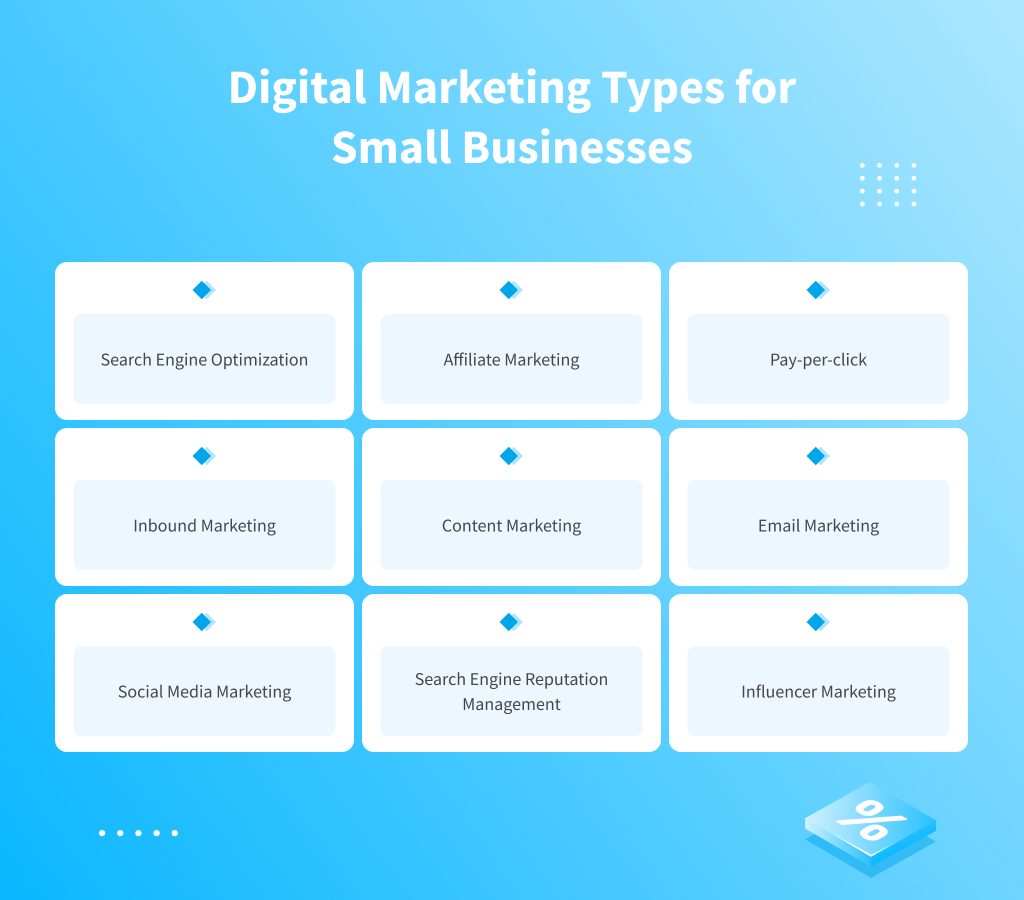
Digital marketing for Small Business can transform small businesses. It's an essential strategy today.
Small businesses often face tight budgets and limited resources. Digital marketing offers cost-effective solutions to reach a wider audience. From social media to email campaigns, the digital landscape provides various tools to connect with potential customers. It's crucial for small business owners to understand these strategies.
With the right approach, you can increase visibility and drive growth. This blog will explore key digital marketing techniques tailored for small businesses. Learn how to leverage online platforms to boost your brand. Let's dive into the world of digital marketing and unlock the potential for your small business. For more on this, see our guide on best web hosting services for small business.
Introduction To Digital Marketing
Digital marketing is crucial for small businesses in today's online world. It helps them reach potential customers through the internet. Small businesses can compete with larger companies using digital marketing. But what exactly is digital marketing? And why is it important for small businesses? Let's dive in.
What Is Digital Marketing?
Digital marketing involves promoting products or services using digital channels. These channels include websites, social media, email, and search engines. It also involves using online tools and strategies to attract and engage customers. Digital marketing is different from traditional marketing methods like print ads or TV commercials. It allows businesses to connect with a global audience at a lower cost. For more on this, see our guide on lightweight laptop for small business owners.
Some key components of digital marketing are:
Search Engine Optimization (SEO) – Improving website visibility on search engines
Social Media Marketing – Using platforms like Facebook and Instagram to reach customers
Email Marketing – Sending promotional emails to potential customers
Content Marketing – Creating valuable content to attract and engage an audience
Pay-Per-Click (PPC) Advertising – Paying for ads that appear on search engines or social media
Importance For Small Businesses
Digital marketing is vital for small businesses for several reasons. First, it helps them reach a larger audience. Most people use the internet to find products and services. Having an online presence means more visibility.
Second, digital marketing is cost-effective. Traditional marketing methods can be expensive. Digital marketing allows small businesses to advertise with a smaller budget. They can target specific audiences and measure the success of their campaigns easily. For more on this, see our guide on ai tools for small business.
Third, digital marketing builds brand loyalty. Engaging with customers on social media helps create a loyal customer base. Customers are more likely to trust and support businesses they interact with online.
Here are some key benefits of digital marketing for small businesses:
Benefit Explanation
Increased Visibility Reaching a larger audience online
Cost-Effective Lower advertising costs compared to traditional methods
Targeted Marketing Reaching specific audiences with tailored messages
Measurable Results Tracking and analyzing campaign performance
Brand Loyalty Building trust and engagement with customers
In summary, digital marketing helps small businesses grow. It connects them with their audience and promotes their products effectively.
Building An Online Presence
Building an online presence is crucial for small businesses. It helps reach more customers and grow your brand. A strong online presence can set you apart from competitors. Let's explore some key strategies to build an online presence.
Creating A Professional Website
A professional website is the cornerstone of your online presence. It acts as your digital storefront. Ensure your website looks clean and modern. Use high-quality images and easy-to-read fonts. Make navigation simple for users. Your website should load quickly. Slow websites can deter potential customers.
Include clear calls to action. These guide visitors on what to do next. Examples are "Buy Now" or "Contact Us." Ensure your website is mobile-friendly. Many users access websites on their phones. A mobile-friendly site provides a better user experience. Regularly update your content. Fresh content attracts repeat visitors.
In practice, your website is often the first impression a potential customer gets of your business, so it deserves as much attention as your physical storefront would. A common mistake small business owners make is treating their website as a static brochure rather than an active sales tool. Beyond the basics, make sure your contact information is prominently displayed on every page, your loading speed is optimized for mobile connections, and your checkout process (if you sell online) takes no more than a few clicks. If you're just getting started and want a reliable foundation without overspending, budget-friendly hosting options can keep your site fast without eating into your marketing budget.
Leveraging Social Media
Social media platforms are powerful tools for small businesses. They allow direct interaction with your audience. Choose the platforms where your customers spend time. Facebook, Instagram, and Twitter are popular options. Post regularly to keep your audience engaged.
Share valuable content. This includes tips, news, and behind-the-scenes looks at your business. Respond to comments and messages quickly. This shows you value customer engagement. Use social media to drive traffic to your website. Share links to your latest blog posts or products. Track your performance with analytics. This helps you understand what works and what doesn't.
One practical tip: don't try to be everywhere at once. Pick one or two platforms where your ideal customers actually spend their time, and go deep there before expanding. Consistency matters more than frequency — posting three times a week on one platform beats posting sporadically across five. You can also repurpose a single piece of content (like a blog post) into multiple social media updates, saving yourself hours of creative energy while keeping your feeds active.
Content Marketing Strategies
Content marketing is crucial for small businesses. It helps attract and engage customers. Effective content marketing strategies can boost your brand's visibility. It also builds trust and drives more conversions.
Blogging For Engagement
Blogging is a powerful tool for engagement. It allows you to share valuable information with your audience. Regular blog posts can keep your audience informed and interested. Ensure your content is relevant and useful.
Here are some tips for effective blogging:
Identify your target audience and their interests.
Use keywords that your audience is searching for.
Keep your posts short and to the point.
Include images and infographics to make your posts visually appealing.
Encourage comments and interaction from your readers.
A strategic approach to blogging goes beyond just writing — it involves mapping each post to a stage of the customer journey. Top-of-funnel posts answer general questions your audience has. Middle-of-funnel posts compare solutions or dive into specific problems. Bottom-of-funnel posts showcase case studies, testimonials, or detailed product guides. When you align your content this way, every blog post has a job to do, and readers naturally progress toward becoming customers. Also, consider repurposing your most popular posts into email newsletters or downloadable guides to extend their lifespan.
Video Content
Video content is becoming increasingly popular. It can be a great way to engage your audience. Videos are more engaging than text and can convey information quickly.
Consider these video content ideas:
Product demonstrations and tutorials.
Customer testimonials and reviews.
Behind-the-scenes looks at your business.
Live Q&A sessions and webinars.
Ensure your videos are of high quality. Use good lighting and clear audio. Keep your videos short and engaging.
You don't need expensive equipment to produce effective video content — modern smartphones can capture high-quality footage when you pay attention to lighting and framing. A simple lapel microphone can dramatically improve audio quality, which viewers notice more than visual polish. For small businesses, short-form vertical videos (under 60 seconds) perform especially well on platforms like Instagram Reels and TikTok, and you can often shoot a week's worth of content in a single session by batching your filming.

This overview shows the core digital channels that work together to grow small business visibility.
Credit: engaiodigital.com
Search Engine Optimization (seo)
Search Engine Optimization (SEO) is crucial for small businesses. It helps to improve your website's visibility on search engines like Google. A well-optimized site can attract more visitors, leading to increased sales and growth.
Keyword Research
Keyword research is the foundation of any successful SEO strategy. It involves identifying the words and phrases potential customers use when searching online. Use tools like Google Keyword Planner or SEMrush to find relevant keywords.
Here are some tips for effective keyword research:
Focus on keywords with low competition.
Use long-tail keywords for better targeting.
Analyze your competitors' keywords.
Consider local keywords if you have a physical store.
On-page And Off-page Seo
On-page SEO refers to the optimizations made directly on your website. This includes:
Using relevant keywords in titles and headings.
Optimizing meta descriptions and image alt texts.
Creating high-quality, valuable content.
Ensuring your site is mobile-friendly and fast.
Off-page SEO involves activities outside your website to improve its ranking. This includes:
Building high-quality backlinks.
Engaging in social media marketing.
Guest posting on reputable blogs.
Encouraging customer reviews and testimonials.
On-Page SEO Off-Page SEO
Keyword Optimization Backlink Building
Meta Descriptions Social Media Engagement
Quality Content Guest Posting
Mobile-Friendly Design Customer Reviews
Both on-page and off-page SEO are essential. They work together to improve your website's search engine rankings. By focusing on both, small businesses can achieve better online visibility and growth.
One area that trips up many small business owners is technical SEO — the behind-the-scenes details that search engines use to crawl and index your site. These include having a clear site structure, using descriptive URLs, submitting an XML sitemap, and ensuring your pages load quickly on mobile devices. The good news is that most website builders and content management systems handle these basics automatically, so you don't need to be a programmer to get them right. However, it's worth running a free site audit (many tools, including Google's own Search Console, offer this) at least every few months to catch any errors that could be holding back your rankings.
https://www.youtube.com/watch?v=RX0Y2JbS9K4
Pay-per-click Advertising (ppc)
Pay-Per-Click Advertising (PPC) is a powerful digital marketing tool for small businesses. It allows you to reach your target audience effectively and efficiently. Unlike traditional advertising, PPC ensures you only pay when someone clicks on your ad. This makes it a cost-effective method for driving traffic and generating leads. Below are two key platforms to consider for your PPC campaigns: Google Ads and Social Media Advertising.
Google Ads
Google Ads is a popular PPC platform. It allows businesses to display ads on Google's search engine and other Google properties. You can target specific keywords relevant to your business. This ensures your ads appear when potential customers search for those terms. Google Ads offers various ad formats. These include search ads, display ads, and video ads. Each format has unique benefits. Search ads appear on the search results page. Display ads appear on websites within Google's network. Video ads appear on YouTube and other video platforms. Google Ads also provides detailed analytics. This helps you track the performance of your campaigns and make data-driven decisions.
Social Media Advertising
Social Media Advertising is another effective PPC strategy. Platforms like Facebook, Instagram, and LinkedIn offer robust advertising options. These platforms allow precise targeting based on demographics, interests, and behaviors. This ensures your ads reach the right audience. Social media ads come in various formats. These include image ads, video ads, carousel ads, and sponsored posts. Each format allows you to engage users in different ways. Social media advertising also provides valuable insights. You can track engagement, clicks, and conversions. This helps you optimize your campaigns for better results.
A practical consideration for small business budgets: start small and scale what works. Rather than spreading a small budget across every available platform, begin with one channel and experiment with a modest daily spend. Once you identify which keywords or audience segments produce the best return, you can allocate more budget there with confidence. Many small business owners find that a combination of Google Ads for high-intent search traffic and a social platform for brand awareness gives them the best balance of immediate results and long-term growth.
Key digital marketing channels and how they connect to support small business growth.
Credit: rockcontent.com
Email Marketing Campaigns
Email marketing campaigns can greatly benefit small businesses. They provide a direct way to connect with customers. This method is cost-effective and can drive sales. Small businesses can build relationships with their audience through email marketing.
Building A Subscriber List
Creating a subscriber list is the first step. Start by adding a signup form on your website. Make sure it's easy to find. Offer incentives for people to join your list. This could be a discount or a free eBook.
Use social media to promote your signup form. Share the link on your profiles. Encourage followers to join your list. Partner with other businesses to reach a wider audience. Guest blog posts can also help attract subscribers.
Ensure you comply with email marketing laws. Obtain permission before adding someone to your list. Unsolicited emails can harm your reputation.
Crafting Effective Emails
Writing effective emails is key to success. Personalize your emails. Use the recipient's name in the subject line. This increases the open rate.
Keep your emails short and to the point . Avoid long paragraphs. Use bullet points to list important information. This makes it easier to read.
Use a clear call to action . Tell the reader what you want them to do next. This could be to visit your website or make a purchase.
Include high-quality images . They make your emails more engaging. But don't overdo it. Too many images can slow down load times.
Test different email formats . See what works best for your audience. Track open rates and click-through rates. Use this data to improve future emails.
Element Best Practice
Subject Line Keep it short and relevant.
Email Body Be clear and concise.
Call to Action Make it clear and compelling.
Images Use sparingly and ensure high quality.
Email marketing campaigns can help small businesses grow. Start by building a strong subscriber list. Then, craft effective emails that engage your audience.
One email strategy that works particularly well for small businesses is the welcome sequence — a series of 3-5 emails automatically sent to new subscribers over their first couple of weeks. Your first email can simply thank them for subscribing and set expectations for what they'll receive. The second might share your most popular content or a customer success story. The third can introduce your products or services with a special offer. This approach builds familiarity and trust gradually rather than pushing for a sale in the first message, which tends to lead to higher conversion rates over time.
Analytics And Performance Tracking
Analytics and performance tracking are crucial for small businesses in digital marketing. They provide insights into customer behavior and campaign effectiveness. Understanding these metrics can help businesses make informed decisions and optimize their strategies.
Using Google Analytics
Google Analytics is a powerful tool for tracking website performance. It provides detailed reports on visitor behavior, traffic sources, and conversion rates. By setting up Google Analytics, small businesses can monitor their online presence effectively. The setup process is straightforward and involves adding a tracking code to your website.
Once set up, you can access a wealth of data. This includes the number of visitors, average session duration, and bounce rate. You can also see which pages are most popular and how users navigate your site. This information helps identify strengths and weaknesses in your digital marketing efforts.
Interpreting Data
Interpreting data from Google Analytics may seem daunting at first. Start by focusing on key metrics. Look at the number of visitors to understand your website's reach. Check the bounce rate to see if visitors find your content engaging. A high bounce rate may indicate that users leave your site quickly, suggesting a need for improvement.
Analyze traffic sources to see where your visitors come from. This can help you understand which marketing channels are most effective. For example, if most traffic comes from social media, investing more in that area could be beneficial. Also, track conversion rates to measure the success of your goals. This could be newsletter signups, purchases, or any other desired action.
Regularly reviewing and interpreting this data helps refine your digital marketing strategy. It allows you to make data-driven decisions, ensuring your efforts are efficient and effective.
When you're just starting out, it's easy to feel overwhelmed by the sheer volume of data available. Focus on just three to five key performance indicators (KPIs) that actually matter for your business goals. If your goal is lead generation, track the number of form submissions. If it's e-commerce sales, track conversion rate and average order value. Don't get distracted by vanity metrics like raw page views if they don't correlate with business outcomes. A monthly check-in where you review these core numbers and compare them to the previous month is usually enough to spot trends and adjust course.
Tips For Budget-friendly Marketing
Small businesses can thrive with budget-friendly digital marketing. Focus on social media, email campaigns, and content creation. Use free tools like Google Analytics to track progress.
Small businesses often have limited funds for marketing. But that doesn't mean they can't compete. With a few smart strategies, you can market effectively without breaking the bank. Here are some tips to get you started.
Utilizing Free Tools
Several free tools can boost your marketing efforts. Google My Business helps local businesses get noticed. It's free and easy to set up. Social media platforms like Facebook and Instagram offer free business accounts. Use these to connect with your audience.
Canva is a free design tool that's simple to use. Create professional-looking graphics without hiring a designer. Mailchimp offers free email marketing services for small lists. Keep your customers updated without spending a dime.
Collaborating With Influencers
Influencers can be powerful allies. Look for local influencers who align with your brand. They often have loyal followers who trust their opinions. Collaborating with them can increase your reach.
Offer them free products or services in exchange for promotion. This way, you gain exposure without spending too much. Micro-influencers, with smaller but engaged audiences, can be very effective. They are often more affordable than big-name influencers.
Another budget-friendly tactic that often gets overlooked is content repurposing. Turn one blog post into a social media carousel, an email newsletter, a short video script, and a podcast talking point. This approach stretches a single piece of creative work across multiple channels and extends its lifespan significantly. Additionally, consider setting up simple automated workflows — like a welcome email that triggers when someone subscribes to your list — so your marketing keeps running even when you're focused on other parts of the business.
## Local SEO And Google Business Profile

 Local SEO is one of the most powerful tools a small business with a physical location can use. When nearby customers search for products or services you offer, local SEO helps you appear in the map results and local search listings that sit at the top of Google's search page. This is different from general SEO because it focuses on geographic relevance — Google uses your business address, customer reviews, and local citations to determine which businesses show up for searches like "coffee shop near me" or "plumber in [your town]."

 Setting up and optimizing your Google Business Profile is the first and most important step. Claim your listing if you haven't already, then fill out every section completely: your hours of operation, phone number, website link, services offered, and high-quality photos of your business. Encourage satisfied customers to leave reviews, and always respond to them — both positive and negative. In practice, businesses that actively manage their Google Business Profile see significantly more foot traffic and phone calls than those that don't. This is also one of the rare marketing tasks that's completely free, making it an excellent starting point if you're working with a tight budget.

## Mobile Marketing Essentials

 More than half of all web traffic today comes from mobile devices, and that number continues to grow. If your website, emails, and ads aren't optimized for smartphones and tablets, you're likely losing customers who simply can't navigate your content. Mobile optimization isn't just about making text readable on a small screen — it's about ensuring the entire user experience works smoothly on a phone.

 Key elements of mobile marketing include having a responsive website design (one that automatically adjusts to fit any screen size), ensuring your forms are easy to fill out on a smartphone, and keeping your page load speed under a few seconds. Use Google's free mobile-friendly test to check how your site performs on mobile devices. Also, consider whether you need to offer text messaging or SMS marketing — many small businesses find that text updates about appointments, order status, and promotions get higher open rates than email because customers check their phones constantly throughout the day.

## Frequently Asked Questions

### What Is Digital Marketing For Small Businesses?

 Digital marketing involves promoting small businesses online. This includes social media, search engines, email, and websites. It helps reach a broader audience.

### Why Is Digital Marketing Important For Small Businesses?

 Digital marketing is crucial for small businesses. It increases online visibility, attracts customers, and boosts sales. It's also cost-effective.

### How Can Small Businesses Start Digital Marketing?

 Small businesses can start by creating a website. They should use social media, email marketing, and SEO. Consistent content is key.

### What Are The Best Digital Marketing Strategies?

 Effective strategies include SEO, social media marketing, and email campaigns. Content marketing and PPC are also beneficial.

### How Much Should A Small Business Spend On Digital Marketing?

A common rule of thumb is to allocate roughly 5-10% of your revenue to marketing, though this varies by industry and business stage. Start smaller if you're just beginning — even a few hundred dollars per month can cover website hosting, email marketing software, and a modest advertising budget. The key is to track what each dollar brings in and scale up the channels that deliver results.

### How Long Does It Take To See Results From Digital Marketing?

It depends on the strategy. Paid advertising (PPC) can produce results within days or even hours. Social media engagement can grow in a few weeks. SEO and content marketing typically take three to six months to show meaningful results. Email marketing often delivers steady returns from the start. Be patient — sustainable growth compounds over time.

### Do Small Businesses Need To Hire A Marketing Agency?

Not necessarily. Many small businesses successfully manage their own digital marketing using free tools and a consistent effort. As your business grows, you might hire freelancers for specific tasks like graphic design or copywriting. A full-service agency makes sense when you need an integrated strategy across multiple channels and have the budget to support it.

## Conclusion

 Digital marketing offers many benefits for small businesses. It boosts visibility and attracts customers. Small steps like using social media and SEO can make a difference. Consistent effort brings results over time. Keep learning and adapting to trends. Stay patient and persistent.

 Success in digital marketing is achievable. With dedication, your small business can thrive online. Make the most of the tools available. Digital marketing can help you grow and reach new heights. Embrace the digital world and watch your business flourish.


1 thought on “Digital Marketing for Small Business: Boost Your Growth Today”