
Automotive email marketing helps you reach customers with timely, personalized messages that drive sales, increase loyalty, and grow your brand.
Automotive email marketing lets you do just that by sending personalized, timely emails that guide your customers through every step of their car ownership journey. Ready to discover how simple, smart emails can drive more sales and build lasting loyalty for your dealership or repair shop?
Keep reading to unlock proven strategies that will transform your marketing efforts.
Email Marketing Basics
Email marketing is a key tool for automotive businesses. It helps connect with customers directly through their inbox. Understanding the basics can improve campaign success. Simple, clear emails reach the right audience and encourage action.
Effective email marketing focuses on sending relevant messages. It builds trust and keeps customers informed. From promotions to service reminders, emails maintain ongoing communication. Knowing how to craft these messages is essential.
In practice, many dealerships underestimate how much a single well-timed email can influence a purchase decision. A customer researching a specific SUV who receives a curated comparison guide by email is far more likely to book a test drive than one who gets a generic monthly newsletter. The fundamentals matter because every follow-up builds or erodes trust.
Targeted Messaging
Targeted messaging means sending emails to specific groups. It avoids generic messages that many ignore. Automotive businesses can segment customers by interests, location, or purchase history. This approach increases the chance customers will read and respond.
For example, send new car deals to buyers interested in that model. Service reminders go to customers with recent purchases. This way, each message feels personal and useful, not random.
Personalization Techniques
Personalization makes emails more engaging. Using the customer's name is a simple start. Adding details like their car model or last service date adds value. These small touches show the business knows the customer well.
Personalized subject lines and content increase email open rates. Customers feel valued and pay more attention. This can lead to more visits, inquiries, and sales.
A common mistake is personalizing only the subject line while the body remains generic. True personalization extends to recommended services based on mileage intervals or suggested trade-in value based on the vehicle's age. When done correctly, customers perceive the email as a helpful advisory rather than a broadcast.
Customer Journey Stages
Understanding customer journey stages helps tailor emails. Different messages suit prospects, new buyers, or loyal customers. Early emails may introduce the brand and benefits. Later emails focus on service offers or upgrades.
Sending the right message at each stage guides customers smoothly. It builds relationships and encourages repeat business. Mapping emails to the journey improves marketing results.
Effective email marketing teams map at least five distinct phases: awareness, consideration, purchase, ownership, and advocacy. Each phase requires a different balance of educational content, promotional offers, and service reminders. Missing a stage — for example, skipping the ownership phase — often causes customers to drift toward competitors for their first service appointment.
Key Strategies
Email marketing remains one of the most effective tools in the automotive industry. It helps build strong connections and keeps customers informed. Using the right strategies makes emails more engaging and useful. These tactics increase customer retention and boost sales.
Here are some key strategies that automotive businesses use to enhance their email marketing efforts.
Welcome Emails
Welcome emails create a positive first impression. They greet new subscribers and introduce the brand. These emails can include special offers or useful information. A warm welcome helps build trust and encourages future engagement.
Service Reminders
Service reminders keep customers on track with their vehicle maintenance. They notify owners about oil changes, inspections, or tire rotations. Timely reminders show care and help maintain customer loyalty. These emails often increase service appointments and visits.
Promotional Offers
Promotional offers attract customers with discounts and deals. They highlight sales on cars, parts, or services. Clear and simple offers encourage quick action. Well-timed promotions help clear inventory and boost revenue.
Seasonal Campaigns
Seasonal campaigns connect with customers during holidays or weather changes. They suggest relevant services, like winter tire installation or summer checkups. These emails feel timely and relevant. Seasonal content drives customer interest and appointments.
Educational Content
Educational content informs customers about car care and new technology. Tips on maintenance and safety help build authority. Simple guides and how-tos make customers feel valued. Sharing knowledge strengthens the relationship and encourages loyalty.
Re-engagement Campaigns
Re-engagement campaigns target subscribers who have not opened emails or visited the dealership in several months. These campaigns typically offer a strong incentive — such as a complimentary multi-point inspection or a discount on parts — to rekindle interest. A simple "We miss you" message with a clear benefit often recovers a portion of dormant leads.
This strategy works especially well for seasonal transitions. Sending a re-engagement email before winter with a tire storage offer, for example, can bring back customers who have not visited since the previous year. When combined with behavioral data from your CRM, the process can help identify which contacts are still worth pursuing.
Customer Segmentation
Customer segmentation divides your email list into smaller groups. This helps send relevant messages to each group. It increases engagement and boosts campaign success. Automotive businesses gain by targeting customers based on specific traits.
Segmentation makes emails feel personal. Customers get offers matching their needs. This reduces unsubscribes and grows loyalty. Understanding your customers is key to effective email marketing.
By Vehicle Details
Segment customers by the type of vehicle they own. Include make, model, and year in your data. Send emails about parts, upgrades, or recalls specific to their car. This approach shows you know their vehicle well.
For example, owners of SUVs might get off-road accessories offers. Sedan drivers could receive fuel efficiency tips. Tailoring messages by vehicle type makes emails helpful and interesting.
By Service History
Use customers' past service records for segmentation. Send reminders for oil changes, tire rotations, or inspections. Customers appreciate timely service alerts that keep their car running.
Offer discounts based on their last visit. Loyal customers might get exclusive deals on maintenance packages. This builds trust and encourages repeat visits to your shop.
Behavior-based Groups
Track how customers interact with your emails and website. Group them by actions like opening emails, clicking links, or browsing inventory. Send follow-ups based on their behavior to increase conversions.
For instance, customers who clicked on a new car model can get a special offer. Those who ignored emails might receive different content or fewer messages. Behavior-based groups improve the relevance of your emails.
Lifecycle Stage Segmentation
Lifecycle stage segmentation divides your audience by where they stand in the ownership lifecycle: in-market shoppers, recent buyers, long-term owners approaching trade-in timing, and past customers who have not returned in over two years. Each group requires a distinct messaging approach.
In-market shoppers respond best to inventory alerts and financing calculators. Recent buyers benefit from onboarding sequences that introduce service scheduling and warranty details. Long-term owners nearing trade-in windows are ideal candidates for equity-building content and pre-owned inventory previews. Applying this framework is a practical way to use the business intelligence reporting tools you may already have in place.
Automation Tools
Automation tools simplify automotive email marketing by saving time and increasing reach. They handle repetitive tasks and deliver timely emails to customers. These tools help car dealerships stay connected with leads and buyers without extra effort.
Using automation tools, businesses can send personalized messages based on customer behavior. This improves engagement and boosts sales. Choosing the right tools and setting them up correctly is essential for success.
Choosing Platforms
Select platforms that fit your business size and needs. Look for user-friendly interfaces and strong support. Popular options include Mailchimp, ActiveCampaign, and Brevo. Check if they offer automotive-specific features like vehicle inventory integration.
Setting Workflows
Workflows automate the sequence of emails sent to customers. Create workflows for welcome messages, follow-ups, and service reminders. Use triggers like website visits or email opens to start these flows. This keeps communication timely and relevant.
Template Creation
Templates save time by standardizing email design and content. Design clean, simple templates with clear calls to action. Include images of cars, special offers, and contact details. Make sure templates work well on mobile devices.
Monitoring Performance
Track open rates, click-through rates, and conversions regularly. Use platform analytics to understand what works best. Adjust your emails based on this data to improve results. Consistent monitoring helps maintain effective campaigns.
Trigger-based Email Sequences
Beyond basic workflows, trigger-based sequences respond to specific customer actions in real time. A customer who abandons a vehicle configurator on your website can receive a follow-up email within an hour showing that exact configuration with a limited-time incentive. A service customer who schedules an appointment online could get a confirmation, a pre-visit checklist, and a post-service satisfaction survey — all automated.
These sequences require thoughtful planning but deliver higher engagement than scheduled broadcasts. Integrating these with a cloud business intelligence platform can help you identify which triggers produce the highest conversion lift.
Crm Integration
Integrating Customer Relationship Management (CRM) systems with automotive email marketing creates a powerful tool. It helps dealerships manage contacts and communicate effectively. This integration ensures that every email campaign is targeted and timely.
CRM integration streamlines data collection and organization. It allows marketers to send personalized messages that match customer needs. This approach increases customer satisfaction and boosts sales opportunities.
Data Management
CRM integration centralizes customer information in one place. It tracks leads, purchases, and service history effortlessly. This data helps automotive marketers segment their audience accurately. Segmentation improves the relevance of email campaigns. It also reduces the risk of sending irrelevant content.
Customer Insights
With CRM, dealerships gain clear insights into buyer behavior. They can identify which customers are ready to buy or service their vehicle. These insights allow for tailored email content based on interests and past interactions. Personalized emails create a stronger connection with recipients.
Enhancing Engagement
CRM tools enable automated and triggered email campaigns. These emails reach customers at the right time with the right message. Engagement rises when emails reflect customer preferences and needs. Regular, meaningful communication builds loyalty and trust. It keeps customers returning for future purchases and services.
Data Hygiene and List Health
A CRM-email integration is only as effective as the data feeding it. Duplicate records, outdated contact information, and unengaged addresses degrade deliverability and skew campaign metrics. Schedule quarterly list cleaning to remove hard bounces, merge duplicate profiles, and suppress addresses that have not opened an email in over six months.
Maintain a preference center where customers can update their vehicle details, communication frequency, and topic interests. This reduces spam complaints and keeps your list responsive. Some CRMs offer built-in tools for this — investing time in data quality pays off in higher open rates and fewer unsubscribes.
Content Ideas
Creating valuable content is key to successful automotive email marketing. Engaging emails keep customers interested and encourage action. Below are effective content ideas to include in your campaigns. Each type adds value and builds trust with your audience.
Maintenance Tips
Share simple car care advice that customers can follow. Tips about oil changes, tire pressure, and brake checks help readers maintain their vehicles. Short, clear instructions make emails useful and easy to read. This content positions your brand as helpful and knowledgeable.
Industry News
Send updates on the latest trends and changes in the automotive world. New model releases, safety regulations, and technology advancements catch readers' attention. Keeping customers informed shows your business stays current and reliable. Use plain language to explain complex topics clearly.
Exclusive Deals
Offer special discounts and promotions only available through email. Deals on services, parts, or new cars create excitement and urgency. Highlight limited-time offers to encourage quick responses. Exclusive content rewards subscribers and increases customer loyalty.
Customer Success Stories
Featuring real customer experiences builds social proof and trust. Short testimonials or case studies highlighting how your dealership resolved a unique issue or provided exceptional service resonate with readers considering their next purchase or service appointment.
Keep these stories brief — two to three sentences plus a photo of the vehicle or the customer (with permission). Include a specific result, such as "saved $400 on the repair" or "found the exact model they wanted in three days." Stories grounded in real outcomes outperform generic praise.
Measuring Success
Measuring success in automotive email marketing helps understand campaign impact. Tracking results shows what works and what needs change. Clear measurement guides smarter decisions for future emails.
Key Metrics
Open rate shows how many people read your email. Click-through rate reveals how many clicked on links. Conversion rate tracks how many took action, like booking a test drive. Bounce rate tells if emails failed to deliver. Monitoring these metrics keeps your campaign on track.
A/b Testing
A/B testing compares two email versions to see which performs better. Test subject lines, images, or call-to-action buttons. Send each version to a small group and check results. Use the winner for the full audience. This method improves email effectiveness step by step.
Optimizing Campaigns
Use collected data to refine your email campaigns. Adjust content, timing, and frequency based on results. Segment your audience for more personalized messages. Continuous optimization increases engagement and sales. Small changes lead to better overall performance.
Revenue Attribution
Connecting email engagement to actual revenue is the most telling measure of success. Use UTM parameters and CRM reporting to track which email campaigns drive test drives, service bookings, and parts purchases. Assign a dollar value to each conversion type so you can calculate return on investment.
Segment your revenue reports by campaign type — welcome sequences versus promotional blasts versus service reminders — to see which category generates the highest per-email revenue. Over several months, this data reveals where to increase investment and which tactics need revision. The insights from this analysis can also feed into your machine learning marketing efforts for predictive targeting.
 Dashboard example highlighting key email performance indicators for an automotive campaign
Credit: email.uplers.com
Best Practices
Automotive email marketing works best when following clear best practices. These practices help build trust and keep customers engaged. They also improve email performance and avoid common pitfalls.
Applying these methods ensures your messages reach the right audience. It also protects your brand's reputation and boosts sales opportunities. Focus on compliance, frequency, and mobile experience for better results.
Compliance And Consent
Always get permission before sending emails. Use clear signup forms to collect consent. Respect privacy laws like GDPR and CAN-SPAM. Provide easy ways to unsubscribe. This builds trust and keeps your list healthy.
Frequency Management
Send emails regularly but avoid overloading your audience. Find a balance between staying relevant and not annoying readers. Test different sending intervals to see what works best. Too many emails cause unsubscribes. Too few lose interest.
Mobile Optimization
Most users read emails on phones. Design emails to look good on small screens. Use large fonts, clear images, and simple layouts. Make buttons easy to tap. Fast loading emails improve user experience and engagement.
Subject Line Best Practices
The subject line is the first thing a recipient sees, and it often determines whether the email gets opened or ignored. Keep subject lines under 50 characters for full display on mobile devices. Avoid all-caps words and excessive punctuation, which can trigger spam filters.
Personalization in the subject line — such as including the customer's first name or vehicle model — increases open rates by 20–30% in many automotive campaigns. A/B test different subject line styles (question-based, urgency-driven, benefit-focused) to find what your specific audience responds to. Simple tweaks here can lift overall campaign performance without changing the email body.
Boosting Sales
Email marketing is a powerful tool for automotive businesses. It helps increase sales by keeping customers engaged and informed. Effective email campaigns build trust and encourage buyers to take action. Targeted messages can guide customers through their buying journey smoothly.
Using email marketing to boost sales focuses on three key strategies. Lead nurturing, cross-selling, and loyalty programs each play a vital role. These methods help turn prospects into buyers and keep existing customers returning.
Lead Nurturing
Lead nurturing means sending helpful emails to potential buyers over time. It builds a relationship with customers before they make a purchase. Sharing useful information about vehicles, financing, and service options keeps interest alive. Personalized emails based on customer behavior improve engagement and trust.
Cross-selling Techniques
Cross-selling introduces customers to related products or services. For example, offering accessories or maintenance packages after a vehicle sale. Suggesting upgrades or extended warranties can increase overall sales. Email campaigns highlighting these options encourage buyers to spend more.
Loyalty Programs
Loyalty programs reward customers for repeat business. Sending exclusive offers and discounts via email builds long-term loyalty. Points, special events, or early access to sales make customers feel valued. These programs boost customer retention and promote positive word-of-mouth.
Referral Email Campaigns
Referral campaigns turn satisfied customers into a source of new leads. Send an email asking happy customers to refer friends or family, offering a tangible reward such as a discount on their next service or a gift card for each successful referral.
Keep the referral process simple: include a shareable link or a one-click forward option. Track referral sources through your CRM so you can measure the campaign's direct contribution to new customer acquisition. This approach leverages existing trust and often yields higher conversion rates than cold outreach.
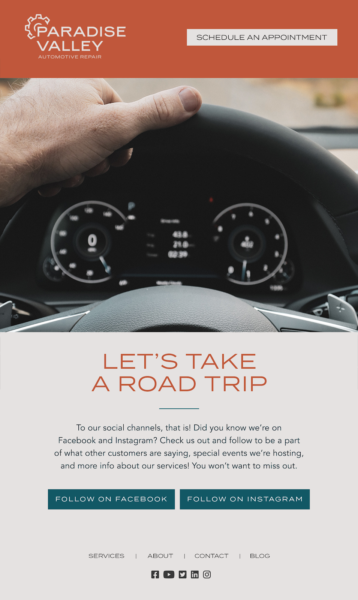 Mobile view of an exclusive loyalty offer sent via email to a dealership customer
Credit: www.constantcontact.com
Raed More : Newoldstamp Lifetime Deal : Boost Your Email Marketing
Frequently Asked Questions
What Is The Best Auto Responder Software For Email Marketing?
The best autoresponder software includes ActiveCampaign for automation, Mailchimp for marketing, Brevo for affordability, and MailBluster for reliability. Choose based on your business size, budget, and automation needs.
Which Industry Is Best For Email Marketing?
Retail, e-commerce, and automotive industries excel in email marketing. They use personalized campaigns to boost sales, engagement, and customer loyalty.
How To Promote An Automotive Business?
Promote an automotive business by building trust with reviews, optimizing Google rankings, targeting the right audience, and running timely campaigns. Use competitor keywords and adjust budgets based on car-buying trends to maximize reach and sales.
How To Send Automated Marketing Emails?
Choose a reliable email marketing tool and build a segmented list. Create workflows with personalized templates. Automate sending based on triggers. Monitor performance and optimize regularly for best results.
What Is A Good Open Rate For Automotive Emails?
Automotive email open rates typically average between 15% and 25%, depending on list quality and campaign type. Service reminder emails often achieve higher open rates than promotional blasts because they contain time-sensitive practical information. Compare your metrics against your own historical averages rather than industry benchmarks alone.
How Often Should I Email My Customer Database?
For most automotive businesses, a weekly or bi-weekly cadence works well for general audiences. Service customers may receive more frequent maintenance reminders without causing fatigue. Test a monthly schedule versus a bi-weekly schedule for three months and compare unsubscribe rates and engagement metrics to find your optimal frequency.
Should I Include Pricing In Promotional Emails?
Yes, include clear pricing or a specific discount amount whenever possible. Vague offers like "great deals available" generate less urgency than "save $45 on your next oil change" or "0.9% APR financing for 60 months." Specific numbers give recipients a concrete reason to click through.
Conclusion
Automotive email marketing helps build strong customer relationships. Sending timely, personalized emails keeps your audience engaged. Use clear messages that highlight offers and services. Segment your list to reach the right people. Track results to improve future campaigns. Simple, consistent emails can increase customer loyalty and sales.
Stay focused on customer needs and preferences. This approach supports long-term success for your automotive business. Consider speaking with specialists in email marketing consulting to refine your strategy further. Start with one campaign — a service reminder sequence or a welcome flow — measure the results, and iterate from there. Even small, deliberate steps compound into measurable growth over time.