Restaurant Email Marketing: Boost Sales with Proven Strategies
Lead SaaS Analyst at PCSaaS · Software Developer · 500+ Tools Tested · Google Ads & Analytics Certified · 8+ Years Experience
Are you looking for a simple yet powerful way to bring more diners through your doors and keep them coming back? Restaurant email marketing could be the secret ingredient you’re missing.
Restaurant email marketing uses targeted emails to bring more diners through the door and keep them coming back. It promotes special offers, events, and new menu items, builds loyalty, and drives repeat visits with personalized messages, automation, and segmentation, while mobile-friendly design and clear calls to action turn subscribers into regulars.
By reaching your customers directly in their inbox, you have the chance to share special offers, announce new menu items, and build a real connection that turns one-time guests into loyal regulars.
You’ll discover how to craft emails that grab attention, create excitement, and boost your restaurant’s success—without overwhelming your customers or your schedule.
Ready to see how email marketing can transform your restaurant’s growth? Keep reading to unlock strategies that really work.
Benefits Of Email Marketing For Restaurants
Email marketing offers many benefits for restaurants. It allows direct communication with customers. Restaurants can share news, offers, and events easily. This method builds a strong bond with diners. It helps keep your restaurant top of mind. Consistent messaging encourages customers to choose your place again.
Using email marketing also brings cost savings. It reaches many people without high spending. Tracking results is simple. You can see what works and improve your campaigns. This approach supports long-term growth and customer retention.
Many restaurants find that investing in professional email marketing guidance helps them optimize spending further, especially when starting out.
In practice, independent dining establishments face tightening operating margins and aggressive competition from aggregators. According to industry data published by the National Restaurant Association, retaining existing diners costs substantially less than acquiring brand-new ones through paid ads. Email creates an owned communication asset where you control the relationship rather than renting it from third-party delivery platforms.
Increasing Customer Loyalty
Emails help create a personal connection with customers. Sending special offers and updates makes diners feel valued. Loyal customers return more often and recommend your restaurant. Loyalty programs shared via email reward repeat visits. Personalized messages keep your restaurant in customers’ thoughts.
A common mistake is treating loyalty emails merely as discount blasts. Instead, high-performing operators use loyalty communications to provide insider perks, such as early reservations for holiday seatings, invitations to chef-led tastings, or complimentary drink pairings on a diner’s fifth visit. When guests recognize that your emails unlock genuine hospitality rather than generic markdowns, their perceived affinity for your brand strengthens considerably.
Driving Repeat Business
Regular emails remind customers to visit again. Sharing new menu items or events sparks interest. Limited-time discounts encourage quick action. Emails can target past visitors with tailored deals. This boosts reservations and sales steadily over time.
Win-back campaigns specifically targeting diners who have not visited within 45 to 60 days produce substantial lift. Pairing an appetizing visual teaser of a seasonal dish with a specific mid-week dining incentive—such as a complimentary dessert on a Tuesday evening—fills dining room tables during historically slow shifts without eroding weekend revenue.
Cost-effective Promotion
Email marketing costs less than print or ads. There is no need for expensive materials or placements. You can send messages to many people at once. Campaigns can be adjusted quickly based on results. This makes email a smart choice for restaurants with budgets.
Relying heavily on third-party marketplace apps often forces restaurants to surrender 20% to 30% of each ticket in processing and commission fees. By shifting those recurring customers onto direct reservations and pick-up orders through an owned email list, you instantly protect your unit-level profit margins while retaining full access to guest data.
Building A Quality Email List
Building a quality email list is the foundation of successful restaurant email marketing. A strong list lets you reach diners who want to hear from you. It improves open rates and drives more visits to your restaurant. Focus on gathering emails from people truly interested in your offers and updates.
Quality means active and engaged subscribers. Avoid buying email lists or adding random contacts. Instead, collect emails in ways that make diners feel welcomed and valued. A genuine connection starts here. Use simple, clear methods to grow your list step by step.
Collecting Emails In-person And Online
Collect emails directly at your restaurant. Place sign-up sheets at the counter or on tables. Train staff to ask guests politely for their email addresses. Use tablets or QR codes to make sign-ups easy and fast.
Online collection is also vital. Add sign-up forms to your website and social media pages. Keep forms short—only ask for the email address and name. The easier it is, the more people will join. Using simple form builder tools at the counter can streamline sign-ups even further.
Another high-converting physical method is deploying a guest Wi-Fi captive portal. When guests connect to your dining room Wi-Fi network, present a single opt-in prompt requesting their email address in exchange for high-speed internet access. Because diners actively want seamless connectivity, this method consistently generates dozens of qualified contacts every week without placing extra administrative burdens on floor staff.
Using Sign-up Incentives
Offer incentives to encourage sign-ups. Discounts on the next meal or free appetizers work well. Small rewards make customers more willing to share their email.
Be clear about what subscribers will get. Mention exclusive deals, event news, or special menus. This helps set the right expectations and keeps them interested over time.
Be cautious about relying solely on heavy percentage discounts as your primary incentive. Doing so can attract bargain seekers who unsubscribe the moment they redeem their coupon. Experiential incentives—such as “secret menu” previews, an invitation to a quarterly wine pairing, or a complimentary house-made appetizer on their next visit—cultivate higher-ticket diners who are genuinely invested in your culinary concept.
Segmenting Your Audience
Divide your email list into groups based on interests or behaviors. Separate regular customers from first-timers. Group people by favorite dishes or visit frequency.
Segmentation allows you to send targeted emails. More relevant messages lead to higher open and click rates. Tailored content keeps diners engaged and coming back.
For advanced segmentation, consider grouping subscribers based on their dining behavior—frequency of visits, average spend, or preferred meal times. Restaurants that apply behavioral segmentation often achieve 30% higher engagement rates compared to blanket sends. In 2026, many email platforms offer built-in segmentation rules that update in real time, making it easier to target the right diner at the right moment. Data-driven audience grouping can be enhanced with machine learning techniques to uncover patterns you might miss manually.
Practical segments every dining establishment should establish include:
- Weekday Lunch Patrons: Working professionals prioritizing speed, lunch specials, and takeaway convenience.
- Weekend Dinner Diners: Guests booking date nights and group dinners who respond to wine lists, tasting menus, and ambiance.
- High-Value Spenders: Regulars who reserve private dining rooms, purchase high-end bottles, and book holiday tasting seatings.
- Family Diners: Guests who dine early, appreciate kids’ menus, and seek family bundle packages.
Crafting Engaging Email Content
Crafting engaging email content is key for successful restaurant email marketing. It helps capture attention and encourages readers to act. Emails must feel personal, clear, and inviting. Each message should connect with the reader’s interests and needs. Quality content builds trust and keeps customers coming back.
Sensory copywriting plays a massive role in hospitality messaging. Rather than simply stating you have a new steak dish, describe the sear, the compound herb butter melting over the crust, and the locally harvested root vegetables accompanying it. Vivid, descriptive language stimulates appetite and primes the subscriber to book a table before they finish reading.
Personalized Messages
Personalized emails make customers feel valued. Use their names and mention past visits or favorite dishes. Tailor offers based on their preferences. This approach increases the chance readers will open and read the email. Personal touches create a stronger bond with your restaurant.
Dynamic content blocks allow you to swap menu images or offers based on the subscriber’s location or past orders. For instance, a customer who frequently orders pasta could receive a preview of your new pasta dish with a personal note. This level of personalization builds a deeper connection and increases conversion rates. Insights from business intelligence services can reveal customer preferences for tailoring offers more precisely.
Compelling Subject Lines
The subject line is the first thing readers see. Make it short, clear, and interesting. Use words that spark curiosity or show value. Avoid spammy or vague phrases. A good subject line boosts open rates and invites customers to learn more.
A/B testing subject lines is a proven way to improve open rates. Test variations like emoji vs. no emoji, urgency vs. curiosity, or personalization vs. generic. Even a 1–2% lift in open rate can translate into significant additional revenue over the course of a year. Use your email platform’s built-in testing feature to run experiments before sending to your full list.
High-performing restaurant subject line formulas include:
- Time-sensitive intrigue:“Your Friday table is waiting (plus a chef’s treat)”
- Sensory-led preview:“Truffle gnocchi is back on the stove this weekend”
- Exclusive loyalty perk:“VIP access: reserve your Mother’s Day table before the public”
- Direct benefit:“Free dessert with tonight’s dinner reservation”
Clear Calls To Action
Every email needs a clear call to action (CTA). Tell readers exactly what to do next. Examples include “Book a table,” “Order now,” or “Claim your discount.” Place the CTA button where it stands out. Clear CTAs guide readers and increase response rates.
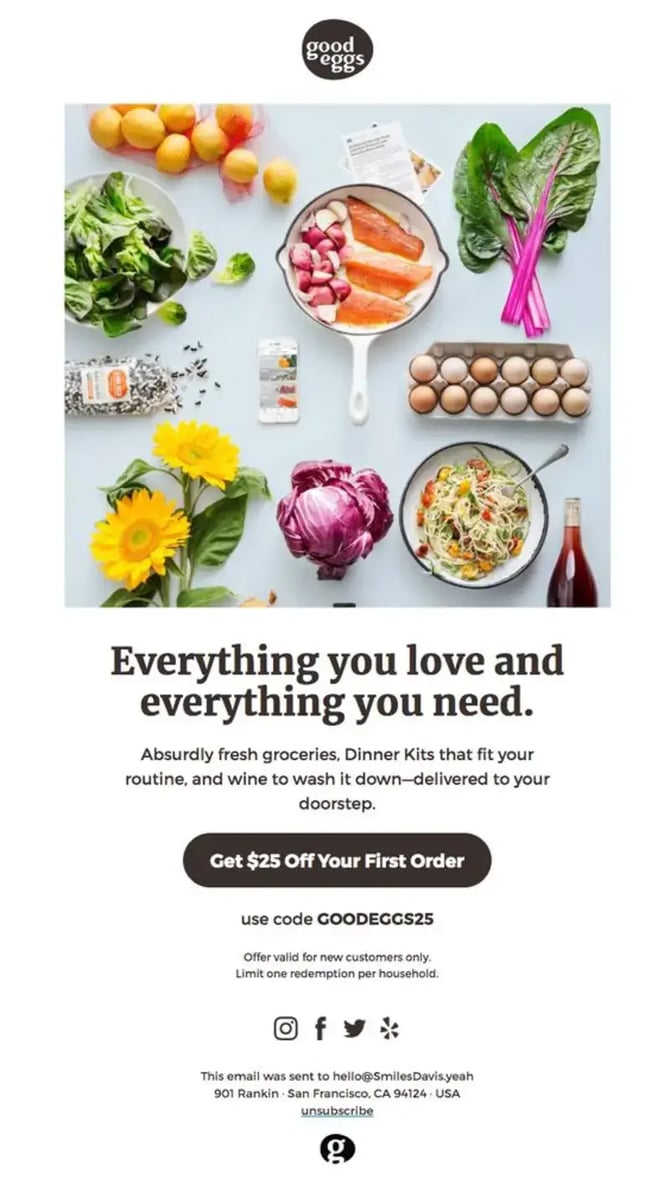 A typical promotional email offering a discount on the first order to encourage sign-ups.
Credit: restaurant.eatapp.co
Ensure every CTA button links directly to a frictionless landing page—such as your direct OpenTable widget or native online ordering gateway—rather than your generic homepage where users must hunt for the reservation button.
Types Of Emails To Send
Emails are a great way to keep your restaurant connected with customers. Sending the right type of email helps build loyalty and drives more visits. Different emails serve different purposes. Some encourage customers to try new dishes, while others invite them to special events. Choosing the right emails makes your marketing more effective. Below are key types of emails to send for restaurant marketing.
Promotional Offers And Discounts
Send emails with special deals to attract customers. Limited-time discounts create urgency and boost visits. Highlight popular dishes or combo offers. Clear calls to action encourage customers to redeem offers. Keep the message simple and focused. Use vibrant images to catch attention. These emails help increase sales during slow days or special occasions.
Event Invitations
Invite customers to events like live music, wine tastings, or holiday dinners. Events create excitement and bring people in. Share all important details: date, time, and location. Encourage early RSVPs to plan better. Personalize invitations to make customers feel valued. These emails build a sense of community around your restaurant.
New Menu Announcements
Tell customers about new dishes or seasonal menus. Highlight fresh ingredients and unique flavors. Use mouth-watering photos to spark interest. Explain why the new menu is special. This type of email encourages customers to visit and try something different. It keeps your restaurant’s offerings fresh in their minds.
Incorporating short video previews of dish preparation can lift click-through rates dramatically. Teams optimizing promotional video assets often find that animated GIFs and short teaser clips embedded inside new menu emails generate higher engagement than static photography alone.
Customer Feedback Requests
Ask customers to share their dining experience. Feedback helps improve your service and food quality. Keep surveys short and easy to complete. Thank customers for their time and opinions. Show that you value their input and care about their experience. These emails build trust and encourage repeat visits.
Corporate Catering And Private Dining Pitches
Large group bookings and business catering orders generate some of the highest profit margins in hospitality. Build a dedicated B2B campaign segment targeted toward local corporate offices, wedding planners, and medical practices within a five-mile radius. Highlight preset platters, delivery logistics, and dedicated event coordinator contacts. Outreach teams utilizing social workflow automation software can streamline the initial gathering of local business contacts before organizing them into targeted corporate email nurturing funnels.
Behind-the-Scenes Chef Spotlights and Origin Stories
Modern diners crave authenticity and love knowing where their food comes from. Send periodic narrative emails that profile your executive chef, highlight local farms where you source ingredients, or detail the 48-hour process behind your sourdough crust. These storytelling emails break up routine promotional blasts, humanize your brand, and turn casual guests into passionate brand advocates.
Design Tips For Restaurant Emails
Design plays a crucial role in restaurant email marketing. A well-designed email grabs attention and invites customers to explore your offers. Clear layouts and attractive visuals help deliver your message effectively. Simple and clean design keeps readers focused on what matters most.
Here are some key design tips that can enhance your restaurant emails and encourage more engagement.
Mobile-friendly Layouts
Most people check emails on their phones. A mobile-friendly layout ensures your email looks good on any device. Use a single-column design for easy reading. Keep buttons large and easy to tap. Avoid small fonts and crowded text. Test emails on different screen sizes before sending.
Beyond button sizes, ensure phone numbers and physical addresses are tappable links. A mobile user on the street should be able to tap your address to open Google Maps directly or tap your phone number to ring the host stand with a single click.
Using High-quality Images
Images make your email more inviting. Use high-quality photos of your dishes and restaurant ambiance. Bright and clear images increase appetite appeal. Avoid blurry or pixelated pictures. Optimize images for fast loading to keep readers engaged. A great photo can make customers crave your food.
Keep image file sizes below 200 KB to avoid slow load times or email clipping in major inbox providers. If a subscriber’s mobile connection is sluggish, an uncompressed multi-megabyte photo will display as a blank box, causing them to abandon the message before seeing your food.
Consistent Branding
Brand consistency builds trust and recognition. Use your restaurant’s colors, fonts, and logo in every email. Maintain a uniform style for headlines and buttons. Consistent branding helps customers quickly identify your emails. It also creates a professional and polished look.
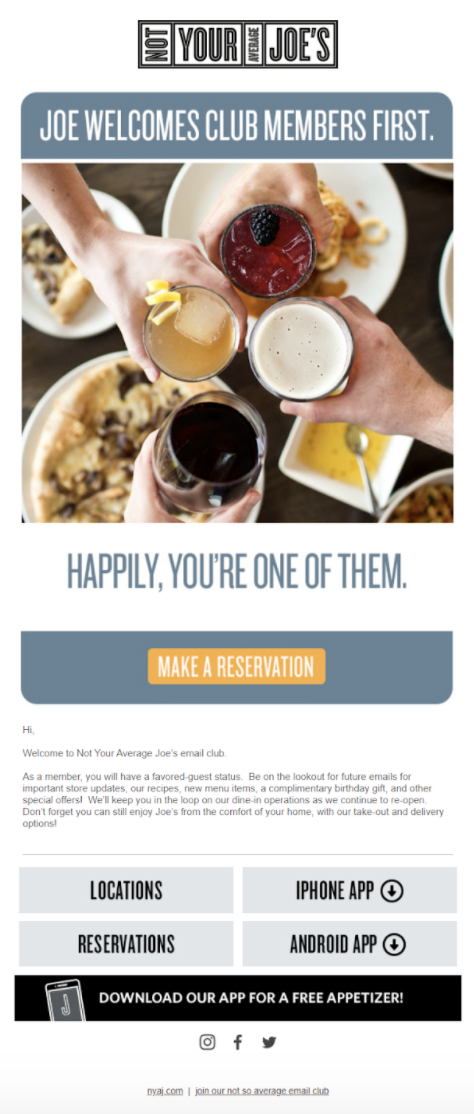 Branded restaurant email example featuring seasonal menu items.
Credit: pos.toasttab.com
Direct Ordering and Menu Accessibility
When promoting takeout or delivery, link your call-to-action button directly into your digital menu. If your restaurant runs its own online commerce portal, using platforms designed for custom online menu storefronts allows diners to add featured dishes directly to their cart straight from the email click, cutting down drop-off rates between inbox discovery and checkout completion.
Automating Email Campaigns
Automating email campaigns saves time and keeps your restaurant connected with customers. Automation sends messages at the right moments without manual work. This helps build strong relationships and encourages repeat visits. Smart automation targets specific customer actions and special dates. It creates a smooth, personal experience for diners.
Welcome Series
Start with a welcome series to greet new subscribers. Send a warm introduction to your restaurant and menu. Share your story and what makes you unique. Include a special offer to invite first-time diners. This series builds trust and excitement from the start. Automated welcome emails make new customers feel valued instantly.
Birthday And Anniversary Emails
Celebrate special days like birthdays and anniversaries with personalized emails. Offer a discount, free dessert, or small gift. These emails make customers feel appreciated and remembered. Automation ensures these messages go out on time every year. This personal touch often turns celebrations into dining occasions at your restaurant.
An effective practice is sending birthday emails 7 to 10 days before the actual date. Guests rarely pick a celebratory dinner venue on the day of their birthday; giving them a week of lead time ensures your restaurant is top of mind when they finalize their weekend party reservations.
Re-engagement Campaigns
Re-engagement campaigns bring back inactive customers. Send gentle reminders or exclusive deals to spark interest. Ask for feedback or offer a reason to visit again. Automation tracks customer inactivity and triggers these emails automatically. These campaigns help maintain a loyal customer base and reduce lost diners.
Post-Visit Follow-Up Sequences
A post-visit email sent within 24 hours of a dine-in or delivery order thanks the customer and encourages them to leave a review. Include a link to your online review platforms and a gentle nudge to book their next visit. Automated follow-ups show you value their patronage and help gather valuable feedback. Intelligent automation in operations can schedule these sequences without manual effort, ensuring consistency.
Optimal Send Times and Frequency for Dining Campaigns
Determining when to deliver messages makes a measurable difference in restaurant conversions. Because dining decisions are deeply tied to hunger cues and schedule planning, delivery timing must align with dining intent:
- Weekend Dinner Reservations (Send Thursday 2:00 PM – 4:30 PM): Diners organize their Friday and Saturday evening social schedules toward the end of the working week. An email arriving late Thursday afternoon catches them right as weekend plans are being formed.
- Mid-Week Dining Push (Send Tuesday 9:30 AM – 11:00 AM): Tuesday mornings are prime opportunities to highlight slow-night promotions like half-price wine nights or prix-fixe menus for Tuesday and Wednesday evenings.
- Weekend Brunch (Send Friday 10:00 AM – 1:00 PM): Catch subscribers thinking about Saturday and Sunday morning leisure plans before brunch reservations fill up.
- Corporate Catering (Send Monday or Tuesday 8:30 AM): Office managers and executive assistants review upcoming weekly luncheon schedules early in the work week.
Regarding frequency, sending one to two well-crafted emails per week strikes the ideal balance for most restaurants. Sending more than twice weekly frequently spikes unsubscribe rates, while sending less than once a month leads to list decay and forgotten brand awareness.
Comparing Restaurant Email Campaign Types
The table below outlines common restaurant email campaigns, their optimal timing, and expected performance benchmarks:
| Campaign Type | Optimal Send Timing | Target Audience | Primary Goal | Conversion Window |
|---|---|---|---|---|
| Welcome Series | Instant (within 5 minutes of sign-up) | First-time subscribers | First dine-in or online order | 7 to 14 days |
| Weekend Teaser | Thursday 2:00 PM – 4:00 PM | Engaged local diners | Table reservations for Fri/Sat | 24 to 48 hours |
| Mid-Week Boost | Tuesday 10:00 AM | Lapsed & weekday regulars | Slow-night dining room fill | Same evening |
| Birthday / Anniversary | 7–10 days before celebration | Known birthday contacts | High-ticket celebration party | 1 to 2 weeks |
| Seasonal Menu Launch | First week of seasonal shift | All active subscribers | Menu curiosity & foot traffic | 1 to 3 weeks |
| Win-Back Campaign | Triggered after 45 days of absence | Inactive past diners | Reactivating dormant guests | 7 to 10 days |
| Corporate Catering Pitch | Monday 8:30 AM | B2B / Office contacts | Large-group meal orders | 2 to 4 weeks |
Measuring Campaign Success
Measuring campaign success is vital for every restaurant email marketing effort. It shows which messages connect with your diners. Tracking results helps improve future emails and grow your customer base.
Tracking key metrics reveals how well your emails perform. This data guides smart choices and ensures your marketing budget works hard. Let’s explore how to measure your campaign success clearly and simply.
Tracking Open And Click Rates
Open rates tell how many people read your email. A high open rate means your subject line grabs attention. Click rates show how many clicked links inside your email. These clicks indicate interest in your offers or menu.
Both rates help identify what content works best. Low numbers suggest changing your subject or call-to-action. Regularly checking these stats keeps your emails effective and engaging. Detailed reporting dashboards help visualize trends over time, making it easier to spot what’s working.
Note that since Apple introduced Mail Privacy Protection, reported open rates across iOS devices can be artificially inflated. Focus more heavily on your click-to-open rate (CTOR) and actual link clicks, which provide a significantly more accurate measure of genuine subscriber engagement.
Analyzing Conversion Metrics
Conversion metrics track actions taken after clicking your email. Examples include making a reservation or ordering online. These numbers show if your email drives real results for your restaurant.
Measure sales or bookings linked to your campaigns. This data confirms if your message turns readers into customers. Focus on conversions to see the true impact of your emails.
Adjusting Strategies Based On Data
Use the data you collect to improve your emails. Test different subject lines, images, and offers. See which versions get better results and keep those.
Adjust sending times and frequency based on reader behavior. Small changes can increase engagement and conversions. Always learn from your results to refine your email marketing.
Avoiding Common Pitfalls
Email marketing offers great chances to connect with restaurant guests. Avoiding common pitfalls keeps campaigns effective and customers happy. Mistakes can hurt your reputation and reduce email success. Focus on key areas to keep your email list healthy and engaging.
Preventing Spam Complaints
Spam complaints damage your sender reputation fast. Always get permission before sending emails. Use clear subject lines to set expectations. Make unsubscribe options easy to find and use. Avoid using all caps or excessive punctuation in emails. Keep content useful and relevant to your subscribers.
Familiarise yourself with email compliance regulations from the Federal Trade Commission to ensure your practices stay lawful.
Maintaining List Hygiene
Regularly clean your email list to remove inactive addresses. Bounce rates drop when you remove invalid emails. Segment your list based on customer behavior and preferences. This helps send targeted and personalized messages. Use double opt-in to ensure real subscribers join your list. Healthy lists improve open rates and deliverability.
Balancing Frequency And Relevance
Too many emails can annoy subscribers and cause unsubscribes. Too few emails may lose customer interest. Find a balance by sending emails on a consistent schedule. Focus on content that matters to your audience. Promotions, events, and updates keep diners engaged. Test and adjust frequency to match customer preferences.
Integrating Email With Other Marketing Channels
Integrating email marketing with other channels strengthens your restaurant’s overall reach. It creates a seamless experience for customers across platforms. Combining email with social media, in-restaurant signage, and loyalty programs builds a unified message. This approach keeps your restaurant top of mind and encourages repeat visits.
Social Media Cross-promotion
Use email campaigns to promote your social media profiles. Invite subscribers to follow you for daily updates and special offers. Share exclusive email content on your social channels to boost engagement. Cross-promotion helps grow both your email list and social followers. It creates multiple touchpoints for customers to connect with your brand.
When running influencer dinner tastings or partnering with local food bloggers, feature user-generated content from their reels directly inside your weekly emails. Identifying and finding local food creators who have high engagement within your neighborhood provides a steady stream of authentic visuals and endorsements that validate your restaurant’s food and atmosphere to your subscriber list.
In-restaurant Signage
Place signs in your restaurant encouraging guests to join your email list. Use QR codes for easy sign-up on mobile devices. Promote upcoming email-only deals and events on these signs. In-restaurant signage turns diners into subscribers in real time. This method captures attention when customers are already engaged with your brand.
Loyalty Programs
Link your email marketing with your loyalty program. Send personalized emails with rewards, points updates, and special discounts. Encourage members to check their loyalty status via email. This integration boosts customer retention and increases spending. Email keeps your loyalty program visible and valuable to diners.
Unified data from cloud business intelligence platforms can connect email activity with social media and POS systems, giving you a single view of each customer.
Read More : CRM With Email Marketing: Boost Sales and Skyrocket Engagement
POS and Reservation System Integration
Connecting your email marketing tool with your point-of-sale (POS) terminal—such as Toast, Square, Clover, or Lightspeed—bridges the gap between online engagement and in-person ticket spend. Modern hospitality integrations automatically tag guest profiles with their exact order history, tipping habits, and visit frequency.
When this data flows seamlessly into your email software, you can trigger hyper-targeted automation. For instance, you can automatically send a craft beer pairing invitation only to guests who frequently order craft beers on tap, or invite guests who spent over $150 on their last visit to your next sommelier dinner. For operators maintaining custom data pipelines or running self-hosted marketing applications, configuring private hosting environments provides dedicated performance and full control over guest data security.
Advanced Email Marketing Strategies for 2026
As email technology evolves, restaurants are adopting machine learning to predict customer preferences and send times. Tools that analyze purchase history can automatically recommend dishes or offer personalized discounts without manual segmentation. Additionally, integrating email with your point-of-sale (POS) system allows real-time data to trigger campaigns — for example, sending a “we miss you” offer to a guest who hasn’t visited in 30 days. Start small by enabling one automated trigger and expand as you see results. Following industry best practices from the American Marketing Association can help you refine your approach as you scale.
In addition to machine learning, dynamic countdown timers embedded in reservation emails create visual urgency for high-demand holiday seatings (such as Valentine’s Day or New Year’s Eve). Interactive AMP emails also allow guests to browse menu categories or submit dietary preferences directly within the email interface without loading an external browser tab.
Frequently Asked Questions
What Is Restaurant Email Marketing?
Restaurant email marketing uses emails to promote offers, events, and updates. It builds customer loyalty and drives repeat visits by engaging diners directly.
How Can Email Marketing Increase Restaurant Sales?
Emails deliver targeted promotions and special deals. This encourages diners to visit more often, boosting sales and improving customer retention.
What Content Works Best In Restaurant Emails?
Personalized offers, new menu items, event invitations, and exclusive discounts perform well. Clear, concise messages with appealing visuals attract more attention.
How Do I Grow My Restaurant Email List?
Collect emails via website sign-ups, in-restaurant tablets, and social media. Offer incentives like discounts or freebies to encourage sign-ups.
What Is a Good Open Rate for Restaurant Emails?
An average open rate for restaurant emails typically ranges between 20% and 30% across the industry. However, a well-segmented list with strong subject lines can push that figure higher. Track your own baseline and aim for gradual improvement rather than chasing arbitrary benchmarks.
How Often Should a Restaurant Send Marketing Emails?
Most restaurants see the best results sending between one and two emails per week. Sending once a week maintains steady top-of-mind awareness without cluttering customer inboxes. If you run multiple distinct segments (such as corporate catering vs. weekend brunch), each individual subscriber should still receive no more than two communications per week.
Can Restaurants Combine SMS Marketing With Email?
Yes, SMS and email complement each other when used thoughtfully. Use email for visually rich storytelling, menu rollouts, private event invitations, and newsletters. Reserve SMS for high-urgency, short-fuse alerts such as last-minute table openings on a fully booked Friday night, flash discounts during inclement weather, or immediate order delivery confirmations.
How Can Restaurants Use Email to Collect More Google Reviews?
Set up an automated post-dining email triggered 12 to 24 hours after a customer pays their bill or completes an online order. Keep the message concise, thank them warmly for dining, and include a direct link to your Google Business Profile review screen. Guests who had a positive experience are far more likely to leave a five-star review while the meal is fresh in their memory.
Conclusion
Email marketing helps restaurants build strong connections with diners. Simple, clear messages keep customers interested and coming back. Personal offers make emails feel friendly and special. Regular updates remind guests about new dishes and events. Testing different ideas shows what works best for your audience.
Consistent emails can grow your restaurant’s loyal customer base. Use email marketing as a steady tool to boost your business. Small efforts often lead to lasting results. Keep your messages easy, honest, and helpful for readers.
Begin your email marketing journey by collecting just one email per day—compound growth makes a difference. Start building your list today with a simple sign-up form at your front counter to increase reservations and protect your profit margins.

Similar Posts