
Discover how email marketing insurance tactics can build trust, nurture leads, and drive more policy sales with simple, proven strategies.
That’s exactly what effective email marketing for insurance can do for you. Whether you want to nurture leads, keep current customers informed, or remind policyholders about renewals, mastering this tool puts you ahead of the competition. Keep reading to discover simple, proven strategies that will help you connect with your audience, stand out in their inbox, and turn emails into real results for your insurance agency.
Email Marketing Basics For Insurance
Email marketing for insurance is a powerful tool to reach potential clients. It helps insurance agents connect directly with their audience. Understanding the basics is essential to create effective campaigns. This section covers key strategies for insurance email marketing success.
Targeted Messaging
Targeted messaging means sending emails that fit the recipient's needs. Segment your list by age, location, or insurance type. Personalize content to match each group’s interests. This increases the chance they will read and act on your emails. Clear and simple language works best for all audiences.
Building Customer Relationships
Email marketing helps build trust with customers over time. Send helpful tips about insurance policies and claims. Offer answers to common questions to show expertise. Regular emails keep your brand in the customer’s mind. A friendly tone encourages replies and ongoing communication.
Lead Generation Techniques
Use emails to attract new leads by offering value first. Share free guides or checklists about insurance topics. Include easy calls-to-action to request a quote or schedule a call. Follow up quickly with interested prospects. Consistent effort turns leads into loyal customers.
In practice, the most effective lead generation emails combine a high-value resource with a friction-free next step. A common mistake is asking for too much information too soon. Instead, offer a downloadable checklist or a short quiz — then prompt them to book a brief discovery call. Pair this with a structured follow-up sequence that aligns with your overall lead generation process.
Key Elements To Boost Engagement
Email marketing insurance campaigns need strong elements to keep readers interested. Engagement drives trust and encourages clients to act. Focus on key strategies that make emails stand out and connect with the audience. These tactics help insurance agents build better relationships and increase response rates.
Personalization Strategies
Personalization makes emails feel tailored and relevant. Use the recipient's name in greetings and subject lines. Segment your audience by age, location, or policy type. Send content that matches their needs or past interactions. Personal touches show care and improve open rates.
Go one step further by using dynamic content blocks that change based on the recipient’s policy type or behaviour. For example, if a client recently viewed a term life insurance page on your website, your next email can open with a paragraph about term life benefits. This level of relevance turns a generic broadcast into a one-to-one conversation.
Crafting Compelling Subject Lines
The subject line is the first thing people see. Keep it short and clear. Use words that spark curiosity or highlight benefits. Avoid spammy phrases that trigger filters. A good subject line encourages readers to open the email right away.
Effective Calls To Action
Calls to action (CTAs) guide readers on what to do next. Use direct and simple language like "Get a Quote" or "Learn More." Place CTAs prominently and make them easy to click. Clear CTAs increase clicks and help convert readers into customers.
Audience Segmentation Tactics
Audience segmentation is a powerful tactic in email marketing for insurance. It helps send relevant messages to the right people. Segmentation increases engagement and improves customer experience. Breaking down your audience into smaller groups lets you focus on specific needs. This section explores effective ways to segment your email list.
Grouping By Customer Needs
Group your contacts based on their insurance needs. Some customers want life insurance, while others seek auto coverage. Segmenting by product interest makes your emails more relevant. You can also group by customer stage, such as new leads or loyal clients. Understanding these needs improves the chances of a positive response.
Tailoring Content For Each Segment
Create email content that matches each group's interests. For example, send safety tips to auto insurance clients. Offer retirement planning advice to life insurance customers. Personalize messages to solve specific problems or questions. Tailored emails feel more helpful and build trust. This approach leads to higher open and click rates.
Content That Builds Trust
Building trust through email marketing is essential for insurance agents. Trust makes prospects feel safe and valued. It encourages them to open emails and consider your offers. Content that educates and helps creates this trust. Clear, honest messages show you care about customers’ needs. Consistent and useful content builds a strong bond over time.
Providing Helpful Resources
Share information that solves common insurance questions. Guides on policy types and claim processes work well. Use simple language to explain complex topics. Helpful resources show your expertise and willingness to assist. Customers appreciate when you offer real value, not just sales pitches.
Balancing Sales And Value
Keep your emails focused on customer benefits, not just selling. Mix promotional messages with educational content. Offer tips for saving money or staying protected. This balance prevents your emails from feeling pushy. When customers see value, they trust your brand more.
Consistent Communication Schedules
Send emails regularly but not too often. A steady schedule keeps you in customers’ minds. Avoid flooding inboxes to reduce unsubscribe rates. Consistency shows professionalism and respect for recipients’ time. Plan your emails around key dates like policy renewals or seasonal needs.
To maintain consistency without overloading your team, set up an automated editorial calendar using a marketing automation tool. Map out a monthly theme — such as “Summer Auto Safety” or “Open Enrollment Prep” — and schedule a series of pre‑written emails to go out on the same days each week. This approach ensures you stay top‑of‑mind without manual effort.
Types Of Insurance Marketing Emails
Email marketing for insurance uses different types of emails to engage clients. Each type serves a unique purpose to strengthen relationships and encourage actions. Understanding these email types helps design effective campaigns.
Welcome Messages
Welcome messages greet new subscribers or clients. They introduce your insurance services clearly and warmly. These emails set the tone and build initial trust. A strong welcome email encourages recipients to explore more.
Educational Updates
Educational updates share useful information about insurance topics. They help clients understand policies and coverage options. These emails position your agency as a helpful resource. Clear, simple tips increase customer confidence.
Renewal Reminders
Renewal reminders notify customers about upcoming policy expirations. They prompt timely renewals and reduce lapses in coverage. These emails often include easy steps to renew online. Friendly reminders keep clients loyal and informed.
Cross-selling And Upselling
Cross-selling and upselling emails suggest related or upgraded insurance products. They match offers to client needs and past purchases. These messages increase sales while adding value. Personalized recommendations improve client satisfaction.
Review And Referral Requests
Review and referral requests ask clients to share feedback or recommend your agency. Positive reviews boost credibility and attract new customers. Referral requests encourage word-of-mouth growth. Clear, polite calls-to-action increase responses.
Automated Drip Campaigns for Lead Nurturing
While one‑off emails address immediate needs, automated drip campaigns build momentum over time. A drip campaign is a series of pre‑written emails triggered by a specific action — such as downloading a guide or requesting a quote.
For an insurance agency, a typical nurture sequence might include:
- Day 1: Thank‑you email with the promised resource and a soft ask to schedule a 15‑minute consultation.
- Day 5: Educational email answering a common objection (e.g., “Is life insurance really necessary at 30?”).
- Day 12: Case study or testimonial showing how you helped a similar client.
- Day 20: Final call‑to‑action with a limited‑time incentive (e.g., “Book by Friday and receive a free policy review”).
Automated drip campaigns keep your agency front‑of‑mind while respecting the prospect’s timeline. Pair them with machine learning marketing techniques to predict the best send times and content topics for each lead.
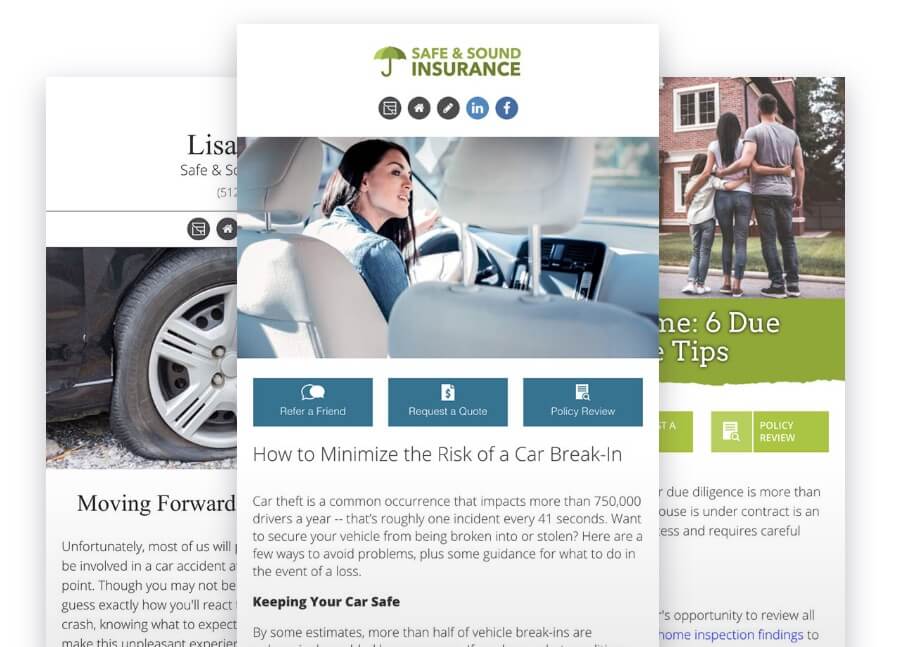 Email marketing dashboard showing open and click metrics for an insurance campaign
Credit: www.outboundengine.com
Compliance And Legal Guidelines
Email marketing for insurance requires strict compliance with legal rules. These rules protect recipients and ensure your messages remain trustworthy. Following compliance and legal guidelines reduces risks of penalties and builds customer confidence.
Understanding the laws helps insurance agents send emails that respect privacy and consent. Clear rules guide how to present offers and handle opt-outs. Staying informed about these guidelines is crucial for every marketer in insurance.
Can-spam Law Basics
The CAN-SPAM Act sets standards for commercial emails in the United States. It requires marketers to avoid deceptive subject lines and header information. Every email must include a valid physical address of the sender. Recipients must see a clear option to unsubscribe from future emails. Marketers must honor opt-out requests within 10 business days. The law applies to all commercial messages, not just promotions. Following CAN-SPAM protects your reputation and avoids fines.
In addition to federal CAN-SPAM rules, state‑level privacy laws (such as the California Consumer Privacy Act and Virginia’s Consumer Data Protection Act) may impose stricter consent requirements. For full guidance, consult theFTC’s CAN‑SPAM compliance guideand review your state’s regulations before launching campaigns that use behavioral tracking.
Disclosure Best Practices
Disclosing your identity builds trust in email marketing. Clearly state the sender's name or business in the "From" field. Indicate if the email contains advertisements or promotions. Avoid hidden or misleading content about your business. Make your contact details easy to find in every message. Transparency helps recipients understand who you are and why you email them. Honest disclosures reduce complaints and increase engagement.
Measuring Email Campaign Success
Measuring the success of your email marketing campaigns is essential to improve results. Tracking key metrics helps understand what works and what needs change. This data guides better decisions and increases return on investment.
Open And Click Rates
Open rates show how many people open your emails. A high open rate means your subject line and sender name attract attention. Click rates measure how many recipients click links inside the email. This reflects interest in your content or offer.
Monitoring these rates helps identify engaging messages and those that miss the mark. Low open rates may require testing new subject lines. Low click rates suggest improving call-to-action buttons or links.
Conversion Tracking
Conversion tracking follows actions after clicking the email link. It measures goals like form submissions, purchases, or sign-ups. This metric reveals if the email drives real business results.
Use tools like Google Analytics or email software for conversion tracking. Assign unique codes or URLs to each campaign. This method shows which emails lead to desired outcomes and revenue.
For deeper insights, connect your email platform with a business intelligence reporting tool. This allows you to see how email conversions correlate with policy types, agent performance, and seasonal trends — giving you a data‑driven basis for campaign adjustments.
Adjusting Strategies Based On Data
Use data insights to refine your email marketing plan. Test different subject lines, sending times, and content formats. Compare results to find the best approach.
Regularly review your metrics to stay aligned with audience preferences. Small changes can improve engagement and increase conversions. Data-driven adjustments keep your campaigns effective and relevant.
 Sample insurance emails highlighting personalized subject lines and clear calls to action
Credit: www.joinstratosphere.com
Tools And Technologies
Effective email marketing for insurance relies heavily on the right tools and technologies. These tools simplify the process, improve targeting, and boost engagement. They help insurance agents manage large contact lists, create professional emails, and track campaign results.
Choosing the right technology can save time and increase the success of your email marketing efforts. It allows for better communication with clients and prospects. Below are key tools that support email marketing in the insurance field.
Email Marketing Platforms
Email marketing platforms provide the foundation for sending, managing, and analyzing campaigns. They offer user-friendly interfaces with drag-and-drop editors to design emails without coding. Many platforms include templates tailored for insurance agents to match industry needs.
These platforms also help manage subscriber lists, segment contacts, and schedule emails for optimal timing. Popular platforms include Mailchimp, Constant Contact, and Sendinblue. They offer tracking features to monitor open rates, clicks, and conversions, helping improve future campaigns.
Automation And Personalization Tools
Automation tools save time by sending emails automatically based on triggers like sign-ups or policy renewals. They nurture leads with timely, relevant messages without manual effort. Personalization tools tailor email content to each recipient, making messages more engaging.
These tools use data such as name, policy type, or previous interactions to customize emails. Personalization increases trust and response rates in insurance marketing. Examples include automated drip campaigns and dynamic content blocks that change based on subscriber data.
When evaluating tools, look for platforms that offer affordable options without sacrificing advanced features. Many insurance agencies start with a budget‑friendly plan — check our roundup ofaffordable SEO tools to see how you can get similar value for your email stack.
Read More : Encharge Lifetime Deal – Automate Email Marketing $109
Leveraging AI and Machine Learning for Deeper Engagement
Modern email marketing for insurance goes beyond basic segmentation. Artificial intelligence and machine learning models can analyze past client behaviour to predict which offers, send times, and content formats will perform best.
For example, a model trained on historical open and click data might reveal that homeowners insurance prospects respond best to emails sent on Tuesday mornings with subject lines containing the word “safety”. You can then build a strategy around those insights without guesswork.
Common applications in insurance email marketing include:
- Predictive lead scoring – Prioritise prospects who are most likely to convert based on their email engagement patterns.
- Send‑time optimisation – Automatically deliver each email when that specific recipient is most likely to open it.
- Content recommendation – Suggest blog posts or policy pages based on what similar clients have read.
These techniques fall under machine learning business applications, and they require clean data and a willingness to test. Start small — use one predictive model for your welcome drip campaign and measure the lift in conversions over 90 days.
Frequently Asked Questions
What Are The 7 Ps Of Marketing In Insurance?
The 7 Ps of marketing in insurance are Product, Price, Place, Promotion, People, Process, and Physical Evidence. They help tailor strategies and improve customer experience.
Is Email Marketing Still Worth It?
Email marketing remains highly effective for building customer trust and driving sales. Personalization, clear CTAs, and valuable content boost engagement and growth.
How Much Does Insurance Marketing Pay?
Insurance marketing salaries average $46 to $50 per hour, with annual pay around $95,000, depending on location and experience.
Is It Legal To Send Marketing Emails?
Sending marketing emails is legal if you comply with laws like CAN-SPAM, which require clear identification and opt-out options.
How often should I send insurance marketing emails?
Strike a balance between staying top-of-mind and inbox fatigue. For most agencies, one weekly or bi-weekly email works well. If you run a seasonal campaign (e.g., hurricane preparedness), you may increase frequency to two per week for a short period. Always monitor unsubscribe rates — a spike signals it is time to reduce frequency.
What is the best time to send insurance emails?
Industry data shows Tuesday through Thursday mornings (9–11 AM local time) typically yield the highest open rates. However, test your own audience using A/B splits, because your clients’ habits may differ. Your email platform’s reporting tools can reveal which time slot works best for your specific list.
Conclusion
Email marketing plays a vital role in the insurance industry. It helps agents connect with clients and build trust. Personalized messages keep customers interested and informed. Clear subject lines encourage more people to open emails. Regular, valuable content strengthens relationships and boosts sales.
Always follow legal rules to maintain credibility. Simple, honest communication works best for lasting success. Consistency and care make email marketing a useful tool. Keep these points in mind to improve your insurance campaigns.
Ready to put these strategies to work? Talk to our team of email marketing experts about a custom campaign plan for your agency. Start small, stay consistent, and let the data guide your next move. The agencies that see the fastest results are the ones that send their first campaign this week — pick one segment, write one helpful email, and include one clear call to action. You can build it on your own, or work with a dedicated growth partner to accelerate the process.