
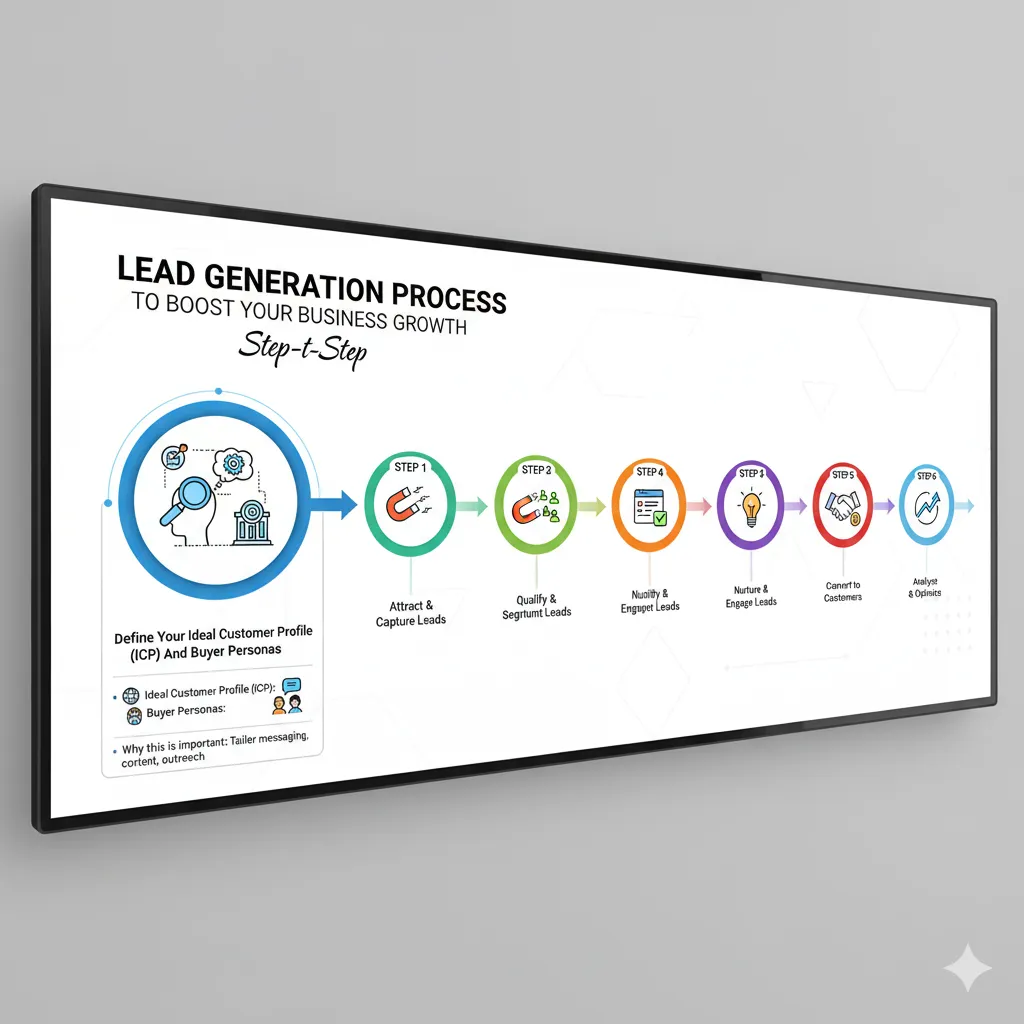
Learn the lead generation process that turns prospects into loyal customers and maximizes your business growth today.
It’s not just about collecting names or emails—it’s about attracting the right people, capturing their interest, and turning that interest into real sales. You’ll discover the simple yet powerful steps that make lead generation work smoothly. By mastering these, you’ll save time, boost your results, and watch your business thrive.
Ready to unlock the secrets of an effective lead generation process? Let’s dive in.
Lead Generation Basics
Understanding the basics of lead generation is essential for any business. It involves attracting potential customers and turning their interest into sales. This process helps companies find new clients and grow their revenue.
Lead generation is not just about collecting contacts. It requires clear steps and strategies to be effective. Let’s explore what lead generation really means and why it matters for sales growth.
What Is Lead Generation
Lead generation is the process of attracting potential buyers to your products or services. It starts by identifying people who might be interested. Then, businesses gather their contact details through various methods. This can include forms, sign-ups, or offers that catch attention. The goal is to build a list of prospects who can become customers.
Lead generation uses marketing tools like email campaigns, social media, and content offers. These tools help create awareness and interest. The process moves prospects closer to making a purchase decision.
Importance For Sales Growth
Lead generation plays a key role in increasing sales. More leads mean more chances to sell products or services. Without a steady flow of leads, businesses struggle to grow and stay competitive.
It also helps focus sales efforts on interested buyers. This saves time and resources. Quality leads often convert faster, improving sales efficiency. A strong lead generation process supports long-term business success by creating a steady pipeline of potential customers.

Credit: www.slidekit.com
Four Key Steps
The lead generation process is essential for any business aiming to grow its customer base. It consists of four key steps that help attract, evaluate, and convert prospects into loyal customers. Understanding these steps improves efficiency and boosts sales results.
Each step builds on the previous one, creating a smooth path from initial interest to final purchase. Let’s explore these four important steps in detail.
Lead Capture Techniques
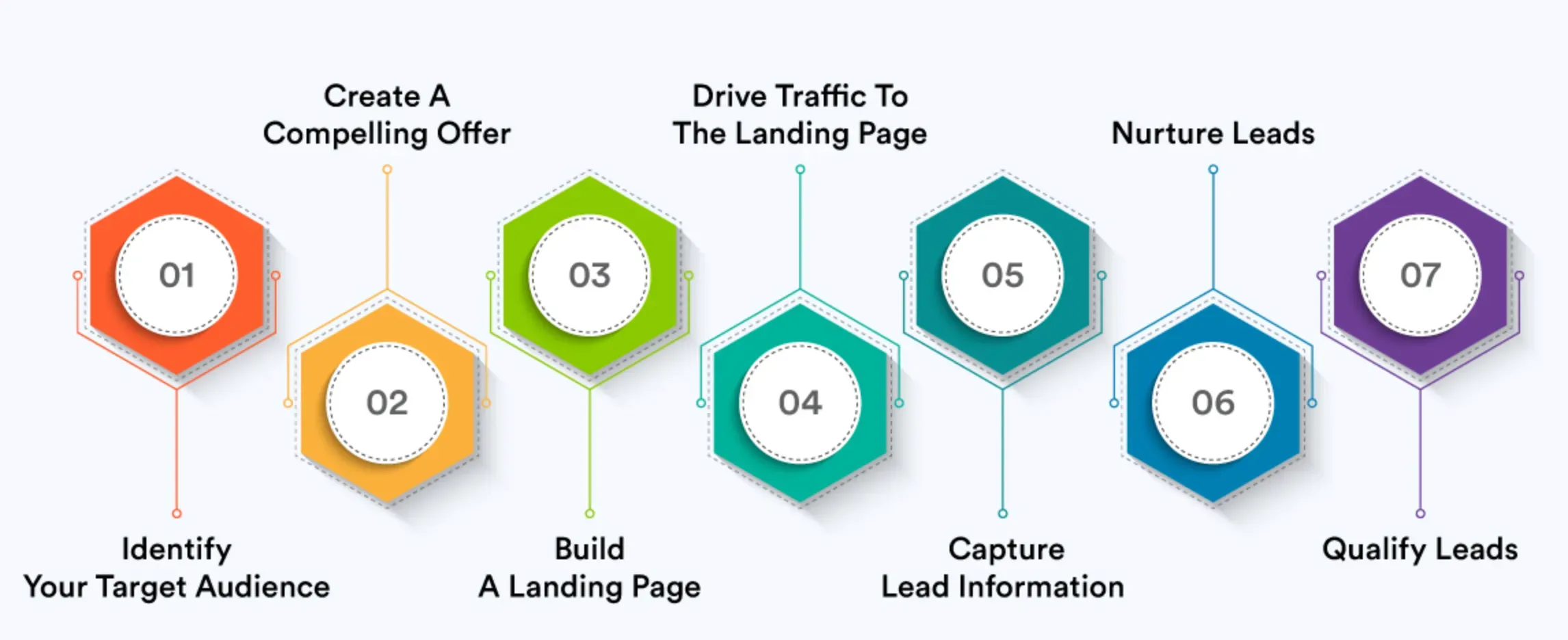
Capturing leads means collecting contact information from potential customers. Common methods include using forms on websites, landing pages, and sign-up offers. Lead magnets like free guides or discounts encourage visitors to share their details. The goal is to gather accurate information to start communication.
Qualifying Prospects
Not every lead is ready to buy. Qualifying helps identify which leads have real interest and fit your ideal customer profile. This can be done through surveys, questionnaires, or analyzing their behavior. Qualifying saves time by focusing on prospects with higher chances of conversion.
Lead Nurturing Tactics
After capturing and qualifying leads, nurturing builds a relationship with them. This step includes sending useful content, personalized emails, and follow-up messages. Nurturing educates leads and keeps your brand in their mind until they are ready to make a purchase.
Measuring And Optimizing
Tracking the performance of your lead generation efforts is crucial. Use analytics tools to measure conversion rates, source effectiveness, and engagement. Optimizing involves making changes based on data to improve results. Continuous testing and adjusting lead generation tactics lead to better outcomes.
Effective Lead Sources
Effective lead sources are essential for a strong lead generation process. They bring potential customers to your business. Knowing which sources work best saves time and money. It helps you focus on channels that deliver real results.
Different lead sources attract different audiences. Choosing the right mix grows your leads steadily. Quality leads improve your chance of sales. Here are some key lead sources that often produce great outcomes.
Organic Channels
Organic channels include search engines, social media, and content marketing. They do not require direct payment. Creating helpful blog posts or videos draws visitors naturally. Optimizing for search engines increases your visibility. Social media posts engage your audience and build trust. These channels create long-term traffic and steady leads.
Paid Advertising
Paid advertising delivers quick results by targeting specific groups. Ads appear on search engines, social media, or websites. You control the budget and who sees your ads. This method helps reach new audiences fast. Testing different ads improves performance over time. Paid ads complement organic efforts and boost lead numbers.
Referral Networks
Referral networks rely on recommendations from current customers or partners. People trust referrals more than ads. Building strong relationships encourages others to share your brand. Offering incentives can motivate referrals. This source often brings high-quality leads. It helps expand your reach through word of mouth.
Event Marketing
Event marketing includes webinars, trade shows, and workshops. These events allow personal interaction with potential leads. You can demonstrate your product or service live. Events help build credibility and answer questions directly. Collecting contact information at events grows your lead list. Follow-up after events turns interest into sales.
Credit: botpenguin.com
Lead Magnets That Convert
Lead magnets are essential tools in the lead generation process. They attract potential customers by offering value in exchange for contact details. Effective lead magnets increase conversion rates and build trust with your audience. Crafting the right offer can make visitors eager to share their information.
Types Of Lead Magnets
There are many types of lead magnets to choose from. Ebooks provide detailed information on a topic. Checklists help users follow steps easily. Templates save time by offering ready-to-use formats. Webinars allow live interaction and learning. Free trials let users test a product before buying. Each type suits different goals and audiences.
Creating Irresistible Offers
The key to a good lead magnet is value. Solve a problem your audience faces. Keep the offer simple and clear. Use strong headlines that catch attention. Make sure the content is easy to use. Offer something unique that stands out. Test different offers to find what works best.
Using Landing Pages Effectively
A landing page focuses on one goal: capturing leads. Remove distractions and keep the design clean. Use a strong call-to-action that tells visitors what to do. Include benefits of the lead magnet clearly. Add social proof like testimonials or reviews. Make the form short to avoid losing interest. Optimize the page for mobile devices and fast loading.
Lead Scoring Strategies
Lead scoring strategies help businesses identify which leads are most likely to buy. This process assigns values to leads based on their actions and characteristics. It allows sales teams to focus on high-quality leads and improve conversion rates. Effective lead scoring saves time and boosts marketing efforts.
Criteria For Scoring
Lead scoring uses different criteria to rank leads. Common factors include demographic data, such as age, location, and job title. Behavioral data, like website visits, email opens, and downloads, also play a key role. The more a lead interacts with your brand, the higher their score. Scores help prioritize leads for follow-up and nurturing.
Automating Lead Qualification
Automation speeds up the lead qualification process. Software tools track lead behavior and update scores in real time. This reduces manual work and ensures no lead is missed. Automated systems can send alerts to sales teams when a lead reaches a certain score. Automation helps maintain consistent and accurate lead evaluation.
Aligning Sales And Marketing
Sales and marketing teams must agree on lead scoring rules. Clear communication ensures both sides understand what makes a lead valuable. Collaboration leads to better lead nurturing and faster sales cycles. When both teams share data and insights, the scoring system becomes more effective. Alignment improves overall business growth and customer experience.
Pricing Models For Lead Generation
Choosing the right pricing model is essential in lead generation. It affects your budget and how you measure success. Different models suit different business goals and industries. Understanding each can help you pick the best fit for your needs.
Pay-per-lead
Pay-per-lead means paying for each lead delivered. This model offers clear cost control. You only pay when you get a potential customer’s contact. It works well for businesses with strong sales teams. They can quickly follow up and convert leads.
Commission-based
Commission-based pricing pays a percentage of sales made from leads. This model aligns costs with actual revenue. It reduces risk because payment depends on results. It suits businesses with high-value products or services. Salespeople have strong motivation to close deals.
Subscription And Hybrid Models
Subscription models charge a fixed fee for lead access over time. This allows predictable monthly expenses. Hybrid models combine subscriptions with pay-per-lead or commissions. They offer flexibility and balance risk and reward. These models fit businesses with steady lead flow needs.
Read More : Klaviyo Salesforce Integration: Boost Your Sales & Automation!
Tools And Technologies
Effective lead generation relies heavily on the right tools and technologies. These tools streamline tasks and improve results. They help capture, track, and nurture leads efficiently. Using advanced technology allows businesses to save time and increase accuracy. Choosing the right tools is essential for a smooth lead generation process.
Crm Systems
CRM systems organize customer information in one place. They track interactions and manage leads through the sales funnel. These systems help sales teams follow up promptly and personalize communication. CRM tools improve customer relationships and increase conversion rates. Popular CRM platforms offer easy integration with other marketing tools.
Marketing Automation
Marketing automation tools simplify repetitive tasks like sending emails and posting on social media. They nurture leads by delivering timely, relevant content. Automation helps segment audiences based on behavior and preferences. These platforms increase engagement and keep leads moving through the funnel. Automation saves time and ensures consistent communication.
Analytics Platforms
Analytics platforms provide insights into lead generation performance. They track website traffic, user behavior, and campaign results. These tools identify which strategies work best and where improvements are needed. Analytics help optimize marketing efforts to increase lead quality and quantity. Clear data supports better decision-making and higher ROI.
Common Challenges
The lead generation process often faces several obstacles that slow progress and reduce effectiveness. Understanding these common challenges helps businesses improve their strategies and results. Addressing these issues early saves time and resources.
Lead Quality Issues
Not all leads have the same value. Poor-quality leads waste effort and lower conversion rates. Sometimes leads come from sources that do not match the target audience. Without proper filtering, sales teams spend time on unlikely prospects. Lead scoring and qualification methods help identify high-value leads. Regularly reviewing lead sources improves overall quality.
Conversion Bottlenecks
Many leads fail to move through the sales funnel smoothly. Bottlenecks happen when leads stall at certain stages. This causes delays and lost opportunities. Common causes include unclear messaging or weak follow-up. Streamlining the process and using automation can reduce these delays. Clear calls to action guide leads toward conversion.
Cross-team Coordination
Lead generation requires teamwork across marketing, sales, and customer service. Poor communication creates confusion and slows response times. Teams may have different goals or use incompatible tools. Aligning goals and sharing data improve cooperation. Regular meetings and clear role definitions keep everyone on track.
Tips To Boost Sales Fast
Boosting sales quickly requires clear actions and smart strategies. Focus on improving how you handle leads to see fast results. Small changes in your process can lead to more closed deals and better customer relationships.
Optimizing Lead Workflows
Streamline your lead workflows to save time and reduce errors. Use simple tools to track leads from first contact to sale. Set clear steps for your team to follow. This helps avoid losing leads and speeds up the sales cycle. Regularly review your workflow to find and fix bottlenecks.
Personalizing Communication
Talk to leads like you know them. Use their name and mention their needs. Tailor your messages based on what you learn about each lead. Personal communication builds trust and makes leads more likely to buy. Avoid generic emails and calls. Show that you care about their problems and goals.
Leveraging Data Insights
Use data to understand your leads better. Look at which sources bring the best leads. Track how leads interact with your content and offers. Data helps you focus on high-potential prospects. Adjust your sales approach based on what the numbers tell you. This makes your efforts more effective and faster.
Frequently Asked Questions
What Are The Four Steps Of Lead Generation?
The four steps of lead generation are: identify target audience, attract prospects, capture lead information, and nurture leads to convert sales.
What Is The Proper Workflow Order For Lead Gen?
The proper lead generation workflow starts by defining goals, identifying lead sources, capturing and qualifying leads. Then, nurture leads and measure results for optimization.
How Do Lead Generators Get Paid?
Lead generators earn money through pay-per-lead, commission-based, subscription, or hybrid pricing models. Payment depends on lead quality and conversion.
What Are The Four Ls Of Lead Generation?
The four Ls of lead generation are Lead Capture, Lead Magnets, Landing Pages, and Lead Scoring. These steps attract, engage, and qualify potential customers effectively.
Conclusion
A clear lead generation process helps attract and keep potential customers. Focus on capturing leads, offering value, and nurturing relationships. Track your results to improve strategies over time. Consistency and patience bring steady growth. Keep the process simple and customer-focused.
This approach builds trust and increases sales chances.


1 thought on “Lead Generation Process to Boost Your Business Growth Step-by-Step”
Great article! I really appreciate the clear insights you shared – it shows true expertise. As someone working in this field, I see the importance of strong web presence every day. That’s exactly what I do at https://webdesignfreelancerhamburg.de/ where I help businesses in Hamburg with modern, conversion-focused web design. Thanks for the valuable content!