

Email Marketing for Restaurants helps you drive repeat diners with irresistible offers, exclusive deals, and engaging updates sent directly to customer inboxes.
That’s the power of email marketing for restaurants—it’s affordable, personal, and proven to boost repeat visits and loyalty. You’ll discover simple yet effective ways to create emails that grab attention, build relationships, and turn one-time diners into regulars. Ready to fill more seats and grow your restaurant’s success?
Keep reading to unlock the strategies that work.
Benefits Of Email Marketing
Email marketing offers many benefits for restaurants. It helps build a direct connection with customers. Emails reach the inbox of people who already like your brand. This method is personal and allows you to share news quickly. Regular emails keep your restaurant in customers’ minds. This increases the chance they will visit again.
Using email also lets you control the message. You can tailor offers based on customer preferences. Tracking tools show what works best for your audience. This helps improve future campaigns. Overall, email marketing is a smart tool for restaurant growth.
Cost-effective Customer Reach
Email marketing is one of the cheapest ways to contact customers. There are no printing or postage costs. You only pay for the email service. You can reach hundreds or thousands at once. This saves money compared to flyers or ads. It is ideal for small restaurants with limited budgets. The return on investment is often very high. You get more customers without spending a lot.
Promoting Specials And Events
Emails are perfect to share daily specials or upcoming events. You can send menus for holidays or themed nights. Customers love knowing about discounts or new dishes first. This creates excitement and encourages them to visit. Events like live music or tasting nights get more attention. You control the timing and content easily. This direct promotion drives more bookings and buzz.
Increasing Repeat Visits
Regular emails remind customers about your restaurant. Personalized messages make people feel valued. You can offer loyalty rewards or special deals. This encourages customers to come back more often. Sharing stories or behind-the-scenes content builds trust. The more often customers visit, the higher your sales. Email keeps your restaurant part of their routine.
Boosting Direct Orders
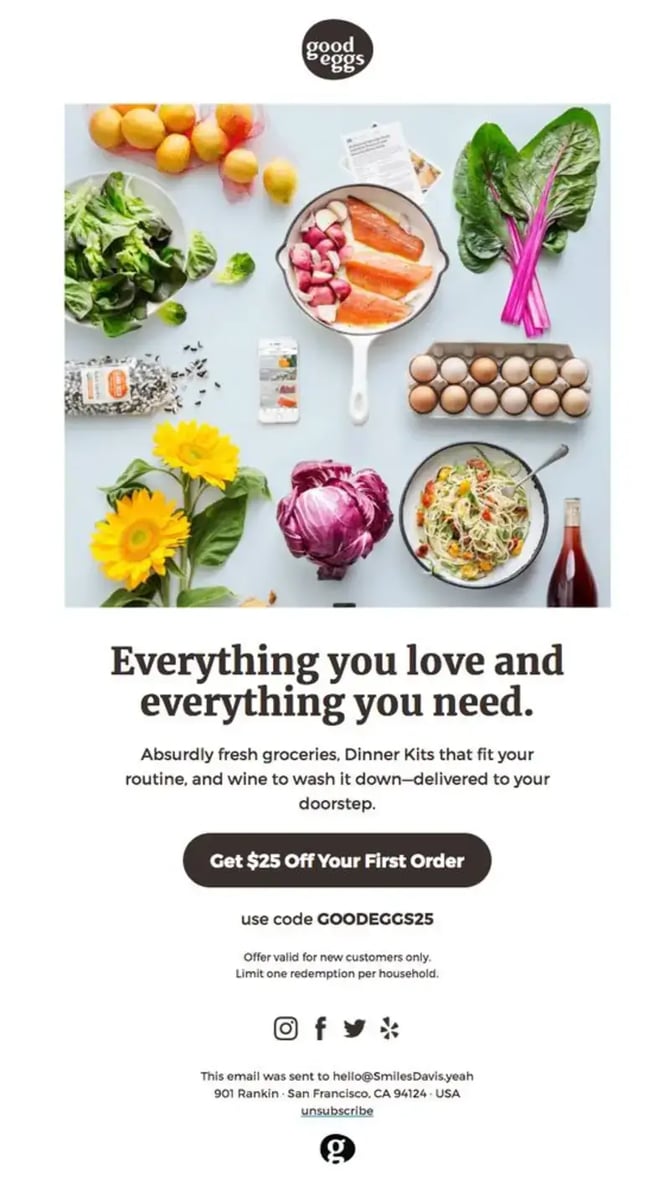
Emails help increase orders placed directly with your restaurant. You can include links to your online menu or ordering system. This avoids paying fees to delivery apps. Direct orders improve your profit margins. Customers appreciate easy, fast ways to order food. Sending exclusive offers for online orders drives more sales. Email marketing builds a loyal base that orders straight from you.
Credit: restaurant.eatapp.co
Building An Email List
Building an email list is the first step to effective email marketing for your restaurant. A strong list helps you reach real customers who want to hear from you. Focus on collecting emails in ways that feel natural and easy for your guests. The goal is to gather contacts who are interested in your food and offers.
Use multiple channels to grow your list. Each method adds value and attracts different types of diners. Keep your approach simple and clear to encourage signups. Below are some ways to start building your email list.
Collecting Emails In-person
Ask guests for their email during visits. Train your staff to mention it at checkout or while serving. Use a tablet or paper sign-up sheet to make it quick. Explain that subscribers get special deals or news about your restaurant.
Place signup forms near the register or waiting area. Keep the form short—just name and email address. Friendly and polite requests work best. Guests feel appreciated when you ask directly.
Using Website Signups
Add an email signup form to your website. Position it on the homepage or reservation page. Use clear, inviting text to encourage visitors to subscribe.
Make sure the form is easy to find and simple to complete. Avoid asking for too much information. Test the form to ensure it works well on phones and computers.
Leveraging Social Media
Promote your email list on social media platforms. Share posts about exclusive offers only for subscribers. Use call-to-action buttons linking to your signup form.
Run small contests or polls that require an email to join. Engage with your followers by responding to comments and messages. This builds trust and interest in joining your list.
Incentives For Subscriptions
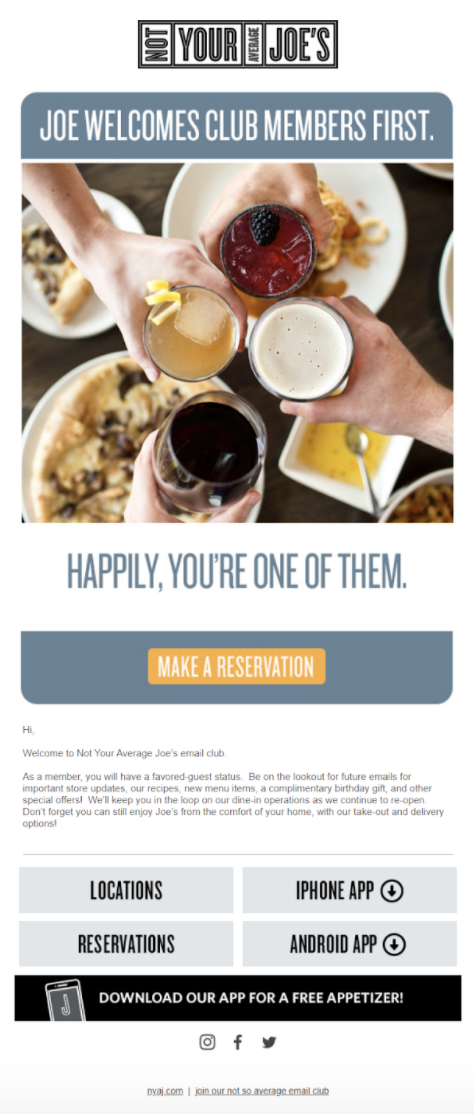
Offer rewards to encourage signups. Discounts, free appetizers, or special event invitations work well. Clearly state the benefits of joining your list.
Keep incentives simple and relevant to your restaurant. Make sure subscribers know what to expect from your emails. This builds a loyal and engaged audience.
Crafting Effective Emails
Crafting effective emails is essential for restaurant marketing success. Clear, engaging messages keep readers interested and encourage them to visit your restaurant. Every email should grab attention quickly and deliver value. Simple, direct emails work best for all audiences.
Compelling Subject Lines
The subject line is the first thing customers see. Make it short and interesting. Use words that spark curiosity or offer benefits. Avoid spammy or vague phrases. A strong subject line increases the chance of opening the email.
Personalized Content
Emails should feel personal and relevant. Use the customer’s name and tailor content to their preferences. Share offers based on past visits or favorite dishes. Personalized emails build trust and encourage repeat visits.
Clear Calls To Action
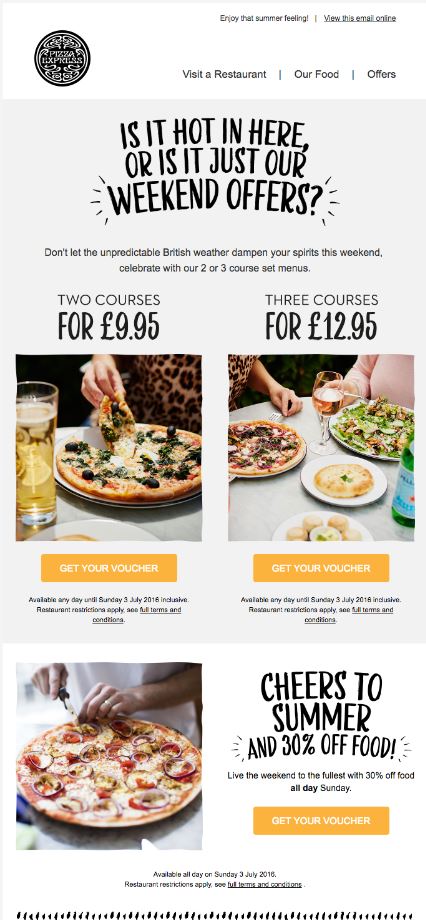
Each email needs a clear call to action (CTA). Tell readers exactly what to do next. Examples include “Book a table,” “Order now,” or “Claim your discount.” A strong CTA guides customers and boosts response rates.
Mobile-friendly Design
Most people check emails on phones. Use simple layouts that look good on small screens. Large buttons and readable fonts improve user experience. A mobile-friendly design helps readers act quickly without frustration.
Credit: www.omnisend.com
Types Of Email Campaigns
Email marketing offers various ways to connect with restaurant customers. Different types of email campaigns serve unique purposes. Choosing the right type helps boost engagement and sales. Below are common email campaigns restaurants use.
Promotional Offers
Promotional emails share special deals and discounts. These offers attract new diners and bring back regulars. Clear and simple messages work best. Limited-time promotions create urgency and encourage fast action.
Event Invitations
Invite customers to special events like wine tastings or live music nights. Event emails build excitement and increase attendance. Include all important details such as date, time, and location. Personal invitations make guests feel valued.
Loyalty Rewards
Reward loyal customers with exclusive perks through email. Loyalty programs encourage repeat visits and build trust. Send updates on points, rewards, or member-only deals. Keep messages friendly and focused on customer benefits.
Seasonal Menus
Seasonal menu emails highlight new dishes tied to holidays or local produce. These emails spark interest with fresh flavors and timely themes. Use appetizing descriptions and vibrant images. Seasonal updates keep your restaurant top of mind.
Segmenting Your Audience
Segmenting your audience helps send the right message to the right people. It makes your email marketing more personal and effective. This way, your restaurant can build stronger connections with customers. Tailored emails increase interest and encourage more visits.
Based On Dining Preferences
Group customers by their favorite dishes or meal types. Some may prefer vegan options, others might love seafood. Sending emails with menu items they like boosts engagement. It shows you understand their tastes and care about their experience.
Frequency Of Visits
Separate frequent diners from occasional visitors. Reward regular customers with exclusive deals or loyalty programs. Encourage less frequent visitors with special offers or reminders. This approach helps keep your restaurant top of mind for everyone.
Special Occasions
Identify customers’ birthdays, anniversaries, or holidays. Send personalized greetings or special discounts on these dates. Such messages make customers feel valued and appreciated. It increases the chance they will celebrate with you.
Geographic Location
Group customers by their location or neighborhood. Promote events or specials relevant to their area. Local offers feel more relevant and inviting. It can bring more people from nearby to your restaurant.
Integrating Email With Other Channels
Integrating email marketing with other channels strengthens your restaurant’s overall reach. It creates a seamless experience for your customers. Combining email with social media, your website, loyalty programs, and influencers builds a consistent brand message. This approach helps attract new diners and keeps regulars coming back.
Social Media Synergy
Link your email campaigns with social media posts. Share email-exclusive deals on platforms like Instagram and Facebook. Encourage followers to sign up for your newsletter. Use social media to showcase your menu and events. This back-and-forth connection increases engagement and grows your audience.
Website And Online Ordering
Embed email sign-up forms prominently on your website. Promote online ordering through email blasts with clear calls to action. Send order confirmation and follow-up emails to enhance customer service. Ensure your website is mobile-friendly for easy browsing and ordering. This integration boosts direct sales and customer satisfaction.
Loyalty Programs
Use email to promote your restaurant’s loyalty program. Send personalized rewards and points updates. Remind customers of special offers and exclusive perks. Email keeps loyalty members informed and motivated to visit more often. This channel helps turn occasional diners into loyal patrons.
Influencer Collaborations
Partner with local food influencers and share their content via email. Announce influencer events and special menus in your newsletters. Encourage influencers to collect email sign-ups during visits. Their endorsement builds trust and attracts new customers. Emails amplify influencer reach and create buzz around your restaurant.
Measuring Email Marketing Success
Measuring email marketing success is vital for restaurants to understand their impact. Tracking key metrics reveals what works and what needs change. It ensures marketing efforts bring more guests and repeat visits.
Open And Click Rates
Open rates show how many people read your emails. A higher rate means your subject lines attract attention. Click rates track how many click links inside the email. This shows interest in your offers or menu items. Both numbers help gauge email engagement.
Conversion Tracking
Conversion tracking measures actions after an email is opened. It could be a reservation, order, or special offer use. Tracking conversions links email campaigns to actual sales. This data helps find which emails drive revenue for the restaurant.
Customer Feedback
Feedback from customers gives insight beyond numbers. Surveys or reply emails reveal opinions on promotions or content. Positive feedback confirms your message connects well. Negative feedback points to areas needing improvement. This helps create better email content.
Adjusting Strategies
Use data from open rates, clicks, conversions, and feedback to adjust. Change email frequency, subject lines, or content based on results. Testing different offers can increase interest and sales. Continuous improvement keeps email marketing effective for restaurants.
Common Email Marketing Mistakes
Email marketing offers restaurants a direct way to reach customers and boost sales. Many restaurants make avoidable mistakes that reduce the impact of their email campaigns. Knowing these common errors helps improve engagement and results.
Simple changes can make emails more effective. Avoiding these pitfalls will help build a loyal audience that looks forward to each message.
Overloading Subscribers
Sending too many emails annoys customers. Frequent emails can feel like spam and lead to unsubscribes. Quality matters more than quantity. Choose the best times and limit emails to special offers or updates. Respect your subscribers’ inboxes.
Ignoring Mobile Users
Most people read emails on phones. Emails that don’t display well on mobile lose readers quickly. Use responsive designs that adjust to screen sizes. Keep content short and easy to read on small screens. Test emails on various devices before sending.
Lack Of Personalization
Generic emails feel impersonal and easy to ignore. Personalizing messages with names or past orders grabs attention. Tailor offers based on customer preferences or visit history. This creates a connection and encourages repeat visits.
Neglecting Analytics
Skipping email performance tracking wastes valuable data. Metrics like open rates and click rates show what works and what doesn’t. Use this data to improve subject lines, content, and send times. Regularly reviewing analytics sharpens your email marketing strategy.
Tools And Platforms
Choosing the right tools and platforms is key to effective email marketing for restaurants. These tools help create, send, and track email campaigns that bring diners back. They save time and increase efficiency while keeping communication personal and engaging.
Email Marketing Software
Email marketing software allows restaurants to design attractive emails easily. Many options offer drag-and-drop editors and ready-made templates tailored for food businesses. These tools help build mailing lists and manage subscriber preferences. Common choices include Mailchimp, Constant Contact, and Sendinblue.
Automation Features
Automation features send emails automatically based on customer actions or schedules. This includes welcome messages, birthday offers, and reminders for upcoming events. Automation saves time and ensures timely communication without manual effort. It keeps customers engaged with relevant content.
Integration With Pos Systems
Integrating email tools with POS systems connects sales data to marketing efforts. This helps target customers based on their purchase history. Integration allows sending personalized offers and tracking which campaigns lead to sales. It creates a seamless experience between ordering and marketing.
Analytics And Reporting
Analytics show how email campaigns perform through open rates, clicks, and conversions. Reporting tools help restaurants understand customer behavior and preferences. This data guides future emails to improve engagement and results. Clear reports make it easier to measure marketing success.
Credit: pos.toasttab.com
Read More : Shopify Email Marketing: Boost Sales with Proven Strategies
Frequently Asked Questions
Do Restaurants Use Email Marketing?
Yes, restaurants use email marketing to promote specials, increase repeat visits, and boost direct orders effectively. It helps build customer loyalty and drives revenue.
What Is The 80/20 Rule In Email Marketing?
The 80/20 rule in email marketing means sending 80% valuable content and 20% promotional offers. This boosts engagement and sales effectively.
What Are The 4 P’s Of Restaurant Marketing?
The 4 P’s of restaurant marketing are Product, Price, Place, and Promotion. They guide menu, pricing, location, and advertising strategies.
What Is The Best Marketing Strategy For Restaurants?
The best marketing strategy for restaurants includes strong online presence, professional food photos, active social media, Google listings, email marketing, loyalty programs, influencer partnerships, and community events. These tactics boost visibility, customer engagement, and repeat visits effectively.
Conclusion
Email marketing helps restaurants stay connected with their customers easily. Sending updates, specials, and offers by email keeps guests interested. Personalized messages make customers feel valued and encourage repeat visits. This approach saves money while reaching many people directly. Restaurants can build loyalty and increase sales with simple, regular emails.
Start small, track results, and adjust your emails for best impact. Consistency matters most in growing your restaurant’s success through email marketing.

