
Choosing the right SEO tool can feel overwhelming, especially when comparing options like Authority Radar and Ahrefs Brand Radar. Both tools promise to elevate your backlink monitoring and competitor analysis, but they cater to different needs and budgets. Understanding their strengths and limitations can help you make a more informed decision.
In this comparison, we’ll break down the features, costs, and use cases for Authority Radar vs Ahrefs Brand Radar. By the end, you’ll know which tool delivers better value, where each excels, and whether using both together could supercharge your SEO strategy.
What are Authority Radar and Ahrefs Brand Radar?

Authority Radar and Ahrefs Brand Radar are tools designed to monitor brand mentions and online presence, but they cater to slightly different needs. Authority Radar focuses on tracking brand mentions across various platforms, helping users understand their visibility and reputation. Ahrefs Brand Radar, on the other hand, is part of the broader Ahrefs suite, offering deeper insights into backlinks, keyword rankings, and competitor analysis.
Typical users of Authority Radar include small to medium-sized businesses looking for straightforward brand monitoring. Ahrefs Brand Radar is often favored by SEO professionals and marketers who need comprehensive data to refine their strategies and stay ahead of competitors.
See also: Authority Radar SEO Tool: Boost Your Search Performance.
Authority Radar’s Focus on Content and Visibility Tracking
Authority Radar specializes in monitoring content performance and visibility metrics, making it a strong choice for marketers focused on these areas. Unlike tools that emphasize backlink analysis, it provides detailed insights into how your content is performing across search engines and other platforms.
With visibility tracking, you can monitor how your pages rank for specific keywords over time. This helps you identify trends, spot opportunities, and adjust your strategy as needed. For example, if a blog post suddenly drops in rankings, Authority Radar can alert you early, allowing you to troubleshoot and recover your position.
The tool also excels at content performance analysis, offering metrics like click-through rates, impressions, and engagement. These insights are invaluable for understanding which pieces of content resonate with your audience and which need improvement. Whether you’re managing a blog, e-commerce site, or news platform, Authority Radar’s focus on visibility and content performance makes it a practical choice for optimizing your online presence.
See also: Authority Radar Backlink Monitoring: The Complete Guide f….
Ahrefs Brand Radar’s Backlink and Domain Authority Focus
Ahrefs centers its tools around comprehensive backlink analysis and domain authority metrics, making it a go-to for SEO professionals focused on link-building and competitive research. Its Brand Radar feature monitors mentions and backlinks in real time, allowing you to track how your domain or keywords are being referenced across the web.
The platform’s Domain Rating (DR) metric is a standout, evaluating a website’s authority based on the quality and quantity of its backlinks. This helps you gauge your site’s strength compared to competitors. Ahrefs also provides detailed insights into individual backlinks, showing anchor texts, referring domains, and link growth over time.
For example, if you’re trying to improve your site’s authority, Ahrefs lets you identify high-quality linking opportunities by analyzing competitor backlinks. Its robust database and actionable data make it particularly useful for strategizing link-building campaigns and monitoring your site’s performance.
See also: Authority Radar for SEO Professionals: Top AI Tools Compared.
Key differences between Authority Radar and Ahrefs
Authority Radar and Ahrefs both provide backlink and SEO analysis, but their methodologies and outputs differ significantly. With AI-driven insights and predictive scoring, Authority Radar stands apart, while Ahrefs prioritizes comprehensive data aggregation with historical tracking.
Using machine learning to assess link quality and future ranking potential, Authority Radar offers a proprietary “Authority Score” that predicts page performance. Ahrefs, in contrast, emphasizes raw data volume—its index includes trillions of links with detailed historical snapshots, ideal for tracking long-term trends.
Data collection and freshness
- Authority Radar: Prioritizes real-time crawling of high-authority domains, updating key metrics hourly for select sites
- Ahrefs: Maintains a massive web-wide crawl with daily updates for most domains, weekly for others
Reporting interfaces
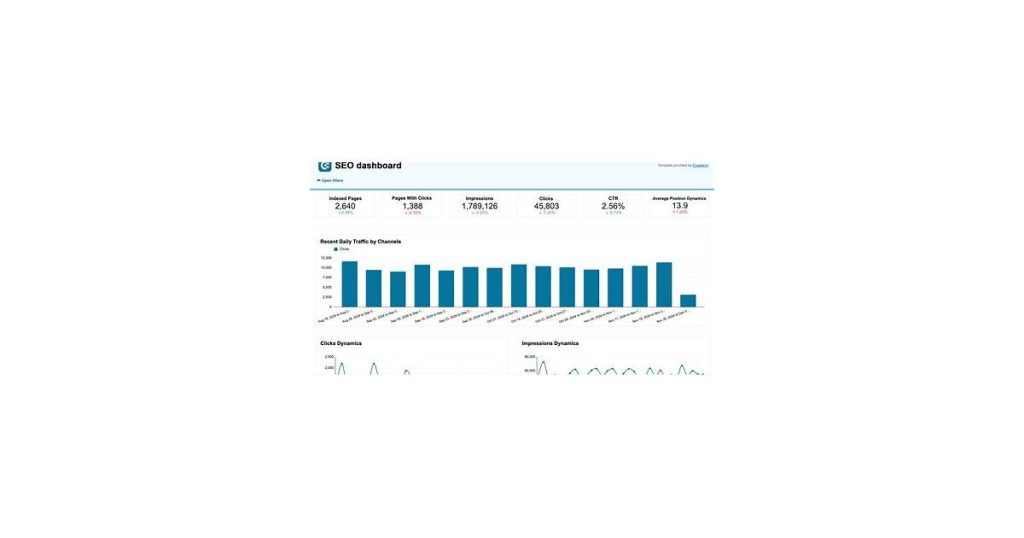
Ahrefs provides dense, spreadsheet-style reports with extensive filtering options, catering to hands-on SEO professionals. Authority Radar delivers visual dashboards with simplified risk/reward assessments, better suited for quick strategic decisions.
For technical audits, Ahrefs offers deeper diagnostic tools like HTTP header inspectors and crawl error reports. Authority Radar excels at competitive gap analysis, highlighting content opportunities through semantic clustering of top-performing pages.
How Authority Radar and Ahrefs collect and verify data
Authority Radar relies heavily on crawling a subset of high-authority websites, prioritizing depth over breadth. It focuses on sites with strong backlink profiles and frequent content updates, using proprietary algorithms to filter out spam or low-quality data. This approach helps maintain accuracy but may miss smaller or newer sites.
Ahrefs crawls the web more aggressively, updating its index multiple times per hour. Its extensive link database comes from constantly scanning both established and emerging websites. While this broad approach captures more data overall, occasional inaccuracies can slip through from poorly structured or spammy pages.
Key differences in their verification methods:
- Authority Radar cross-references data with manual audits of top-tier domains
- Ahrefs uses automated spam detection supplemented by user feedback mechanisms
- Both tools exclude obviously manipulated links but apply different thresholds for what counts as “suspicious”
User interface and ease of use
Authority Radar offers a streamlined dashboard with fewer nested menus, prioritizing quick access to core metrics like domain authority and backlinks. The interface leans toward simplicity, making it easier for beginners to navigate without overwhelming data visualizations.
Ahrefs provides a more feature-dense layout, with tabs for Site Explorer, Keywords Explorer, and Content Explorer prominently displayed. The learning curve is steeper, but advanced users appreciate the granular control over metrics like URL rating and referring domains.
- Authority Radar: Clean, minimal tabs; focuses on essential SEO metrics with fewer customization options.
- Ahrefs: Detailed sidebar navigation; allows deeper filtering but requires familiarity with terminology like “DR” (Domain Rating).
For example, checking competitor backlinks in Authority Radar takes two clicks from the dashboard, while Ahrefs may require selecting specific report types. Both tools offer search bars, but Ahrefs’ autocomplete suggests more complex query syntax for power users.
Authority Radar vs Ahrefs: Reporting capabilities and customization
Both Authority Radar and Ahrefs provide customizable reports, but they cater to different workflows. Authority Radar focuses on automated, visually streamlined reports for quick insights, while Ahrefs offers deeper granularity with manual filtering options for advanced users.
Authority Radar excels in pre-built report templates, ideal for agencies or teams sharing standardized client updates. Its dashboards prioritize clarity—think one-click exports for SEO health scores or backlink summaries. Ahrefs requires more setup but lets you drill into specifics, like filtering backlinks by domain rating or excluding specific URLs before generating reports.
- Authority Radar: Automated trend reports (e.g., monthly ranking changes) with minimal configuration.
- Ahrefs: Custom date ranges, competitor comparisons, and white-labeling for detailed audits.
For white-label reporting, Authority Radar includes branding by default, whereas Ahrefs restricts this to higher-tier plans. Ahrefs’ strength lies in raw data access—export CSV files for further analysis in spreadsheets or BI tools, a feature Authority Radar limits in favor of polished visualizations.
Authority Radar vs Ahrefs: Which tool offers better value for money?
Ahrefs generally provides more comprehensive features but at a higher price, while Authority Radar is a budget-friendly alternative with strong core functionality. The right choice depends on your budget and the depth of SEO data you need.
Ahrefs pricing tiers
Ahrefs offers multiple paid plans, with pricing starting at higher tiers.
- Lite (pricing varies): Includes keyword research and reporting features
- Standard: Includes site audit tools and increased limits
- Advanced: Includes competitor analysis and historical data
- Enterprise: Higher-tier plan with expanded limits and API access
Authority Radar pricing
Authority Radar has a simpler pricing structure with three tiers:
- Starter ($29/month): Basic rank tracking and keyword monitoring
- Professional: Includes competitor tracking and other features
- Agency ($199/month)
For solopreneurs or small agencies, Authority Radar’s entry-level plan offers compelling value with essential SEO tools at one-third the cost of Ahrefs’ cheapest option. However, larger teams needing deep backlink analysis or content gap tools may find Ahrefs’ premium features justify the higher investment.
Free Trial Options and Limitations
Both Authority Radar and Ahrefs offer trial versions, but their structures and limitations differ significantly. Authority Radar provides a free plan with access to basic features like domain analysis and keyword tracking, though advanced tools like competitor research and detailed backlink reports are restricted. Ahrefs, on the other hand, offers a 7-day trial for a nominal fee, granting full access to its suite of tools, including Site Explorer, Keywords Explorer, and Content Explorer.
One key limitation of Authority Radar’s free tier is the cap on the number of searches and reports you can generate daily. Ahrefs’ trial, while more comprehensive, restricts data exports and limits the number of rows you can view in reports, which can be a bottleneck for in-depth analysis.
If you’re testing these tools for the first time, consider your immediate needs. Authority Radar’s free plan is ideal for casual users exploring basic SEO metrics, while Ahrefs’ trial suits professionals seeking a hands-on experience with its robust features before committing to a subscription.
Authority Radar vs. Ahrefs: Which subscription fits your business?
Authority Radar targets solopreneurs and small teams with straightforward pricing and core SEO features like backlink tracking and keyword research. Its entry-level plan is significantly cheaper than Ahrefs’, making it accessible for those with limited budgets. For example, their basic tier includes enough searches for smaller websites without overwhelming data.
Ahrefs scales for agencies and enterprises, offering deeper data sets and advanced tools like content gap analysis and rank tracking across thousands of keywords. Higher-tier plans include features like historical data access, which larger operations rely on for competitive research. The cost reflects this depth—higher-tier plans are generally more expensive than Authority Radar’s comparable tiers.
Key considerations when choosing:
- Team size: Authority Radar may suit smaller teams, while Ahrefs offers shared access for larger groups.
- Data needs: Basic backlink checks? Authority Radar suffices. Enterprise-level SERP tracking? Ahrefs delivers.
- Growth plans: Ahrefs’ steep pricing jumps may deter small businesses, while Authority Radar allows gradual upgrades.
Where Authority Radar Outperforms Ahrefs
Authority Radar excels in providing hyper-focused insights into niche markets and emerging trends, making it a stronger choice for businesses targeting specific audiences. While Ahrefs offers broad SEO tools, Authority Radar’s ability to track and analyze smaller, specialized industries gives it an edge in precision and relevance.
One key advantage is its trend detection capabilities. Authority Radar identifies rising keywords and content opportunities faster, often before they become saturated. This is particularly useful for brands looking to dominate untapped markets or pivot quickly based on new consumer interests.
Additionally, Authority Radar’s competitor analysis is more granular. It not only tracks competitors’ SEO strategies but also provides deeper insights into their content performance, audience engagement, and backlink profiles tailored to your niche. This level of detail helps you craft more targeted campaigns.
For businesses prioritizing content ideation, Authority Radar offers a streamlined workflow. Its content gap analysis and topic suggestions are highly specific, reducing the time spent sifting through irrelevant data compared to Ahrefs’ broader approach.
Content Performance Tracking Capabilities
Authority Radar excels in delivering detailed insights into content performance, offering features that go beyond traditional metrics. Unlike Ahrefs, which focuses heavily on backlinks and keyword rankings, Authority Radar provides a comprehensive view of how your content resonates with your audience. This includes metrics like engagement time, social shares, and user interactions, giving you a clearer picture of what’s working.
One standout feature is its ability to track content performance across multiple platforms. Whether your content is published on a blog, social media, or even third-party sites, Authority Radar consolidates the data into a single dashboard. This eliminates the need to switch between tools, saving you time and effort.
Additionally, Authority Radar offers predictive analytics, helping you identify which pieces of content are likely to perform well in the future. This proactive approach allows you to focus your efforts on high-potential content, optimizing your strategy before publishing.
Visibility metrics and search presence tracking
Authority Radar specializes in tracking how often your pages appear in search results, even if they don’t rank in the top positions. Unlike Ahrefs, which focuses heavily on ranking positions, this tool surfaces visibility metrics for pages ranking anywhere in the top 100 or beyond. It answers a critical question: “Is my content getting any search traction at all?”
The platform tracks three key visibility metrics:
- Impression share – Percentage of total possible impressions your page receives for a keyword
- Search presence – How frequently your domain appears across all tracked queries
- Long-tail visibility – Detection of rankings beyond the first page where Ahrefs typically stops tracking
For example, a blog post ranking #47 for a niche query would be invisible in Ahrefs’ reports, but Authority Radar shows its gradual climb from position #82 to #51 over months. This helps identify content with untapped potential that might benefit from light optimization rather than being abandoned.
Where Ahrefs Brand Radar Still Dominates
Ahrefs remains the better choice when you need comprehensive backlink analysis and competitor monitoring. Its database is larger and more frequently updated, making it ideal for tracking detailed link-building efforts and identifying new opportunities.
For example, Ahrefs excels at pinpointing exact pages on competitor sites that are gaining traction. This granular insight helps you replicate successful strategies faster. Its keyword difficulty metric is also more nuanced, providing a clearer picture of how competitive a term truly is.
Additionally, Ahrefs offers superior historical data, allowing you to track changes in rankings, backlinks, and traffic over time. This is invaluable for long-term SEO planning and auditing. If your focus is on deep competitor analysis or detailed link-building campaigns, Ahrefs is still the go-to tool.
Backlink Analysis and Competitor Research
In backlink analysis, Ahrefs stands out with its comprehensive tools and expansive database. Unlike Authority Radar, Ahrefs provides detailed insights into your site’s backlink profile, including the number of referring domains, anchor text distribution, and link quality metrics. This allows you to identify both valuable links and potential spammy connections.
Ahrefs excels in competitor research, enabling you to analyze competitors’ backlink strategies with precision. You can see which sites link to them, their top-performing content, and even track new links they acquire. This level of detail helps you uncover opportunities to replicate their success or find gaps in their strategy.
Additionally, Ahrefs offers features like the Site Explorer and Content Gap, which let you compare your backlink profile directly against competitors. These tools highlight areas where you can improve and provide actionable insights to strengthen your SEO efforts. Authority Radar, while useful, lacks the depth and granularity that Ahrefs brings to the table.
Historical data and trend analysis
Ahrefs maintains one of the most extensive historical databases in the SEO tool market, with detailed records spanning years of backlink and ranking changes. While Authority Radar provides current snapshots of domain performance, Ahrefs lets you track how metrics like backlink profiles and keyword rankings evolve over time.
For example, Ahrefs’ Historical Index stores monthly snapshots of URLs, letting you see when a competitor gained or lost links. This is invaluable for identifying patterns—like spotting a sudden backlink spike from a successful PR campaign or diagnosing ranking drops caused by algorithm updates.
- Compare domain ratings across multiple years to assess long-term growth
- Track individual pages to see which content maintains traction versus fading quickly
- Identify seasonal trends in keyword rankings for better campaign timing
Can you use both Authority Radar and Ahrefs together effectively?

Yes, combining Authority Radar and Ahrefs can give you a more comprehensive SEO toolkit. Each platform excels in different areas—Authority Radar is laser-focused on link-building opportunities, while Ahrefs offers broader keyword research and competitive analysis.
How to integrate them strategically
- Start with Authority Radar for prospecting high-authority backlink targets, then use Ahrefs to analyze those domains’ traffic and keyword rankings.
- Cross-check Ahrefs’ “lost links” reports with Authority Radar’s outreach tools to reclaim broken backlinks more efficiently.
- Use Ahrefs’ Content Gap tool to find untapped keywords, then filter those opportunities through Authority Radar’s domain authority metrics.
For example: If Ahrefs reveals a competitor ranks for “sustainable packaging solutions,” Authority Radar can identify which industry publications linked to that content—giving you both the keyword target and outreach list.
How to integrate Authority Radar and Ahrefs in your SEO workflow
Combine Authority Radar’s niche-specific insights with Ahrefs’ broad backlink data to create a layered competitive analysis. Start with Authority Radar to identify rising challengers in your niche, then use Ahrefs to dissect their link-building tactics. For example, if Authority Radar flags a competitor gaining traction in “vegan skincare,” plug their domain into Ahrefs to analyze their referring domains and anchor text distribution.
Use each tool at different workflow stages:
- Discovery: Authority Radar surfaces emerging competitors, Ahrefs validates their backlink profile strength
- Gap analysis: Cross-reference Authority Radar’s content gaps with Ahrefs’ keyword difficulty scores
- Outreach: Authority Radar finds link opportunities from topical authorities, Ahrefs checks their domain rating
For content planning, layer Authority Radar’s topical authority metrics over Ahrefs’ keyword data. A blog post might target lower-volume keywords where Authority Radar shows you have stronger topical relevance than competitors.
How to use Authority Radar and Ahrefs cost-effectively
Pairing Authority Radar and Ahrefs doesn’t require full subscriptions to both. Start with Ahrefs for backlink analysis and keyword research, then use Authority Radar’s free tier for real-time rank tracking and basic competitor insights. This avoids overlapping costs while covering core needs.
Focus each tool on its strengths: Ahrefs excels at historical data and backlink profiling, while Authority Radar provides faster updates on ranking shifts. For example, use Ahrefs to identify high-potential keywords, then monitor daily movements with Authority Radar’s lightweight tracker.
- Split responsibilities: Let Ahrefs handle deep backlink audits (monthly) and Authority Radar track rankings (daily/weekly)
- Leverage free tiers: Authority Radar’s free plan covers 5 projects; Ahrefs’ free tools like “Backlink Checker” supplement paid features
- Targeted upgrades: Only pay for Ahrefs’ “Lite” plan if you need occasional reports, not continuous monitoring
Key Takeaways
- Authority Radar focuses on content performance and visibility tracking, ideal for marketers prioritizing these metrics.
- Ahrefs Brand Radar specializes in backlink analysis and domain authority, preferred by SEO professionals for competitive research.
- Authority Radar offers AI-driven predictive scoring, while Ahrefs provides extensive historical data and raw metrics.
- Authority Radar’s interface is streamlined for beginners, whereas Ahrefs has a steeper learning curve but more granular controls.
- Authority Radar is budget-friendly for small teams, while Ahrefs suits larger agencies with its comprehensive, higher-cost plans.
- Free trials differ: Authority Radar has a basic free plan, Ahrefs offers a 7-day paid trial with full feature access.
What Is Authority Radar?
Authority Radar is an AI-driven SEO tool designed to help businesses monitor their online presence and optimize content performance. Unlike traditional tools that focus solely on backlinks, it tracks brand mentions, visibility metrics, and content engagement across platforms. This makes it particularly useful for marketers who prioritize real-time insights over historical data aggregation.
The tool addresses the challenge of staying ahead in niche markets by identifying emerging trends and content gaps faster than broader platforms. Its predictive scoring system, called ‘Authority Score,’ forecasts page performance, helping users allocate resources to high-potential content. For small teams or solopreneurs, this means fewer manual analyses and more actionable insights.
Side-by-Side Comparison
- Focus: Authority Radar emphasizes content visibility and trend detection; Ahrefs specializes in backlink analysis and domain authority.
- Data Freshness: Authority Radar updates high-priority domains hourly; Ahrefs refreshes most data daily or weekly.
- Interface: Authority Radar offers simplified dashboards; Ahrefs provides granular controls for advanced users.
- Pricing: Authority Radar’s entry-level plan starts at a lower cost than Ahrefs’ Lite plan.
- Ideal For: Authority Radar suits niche marketers and small teams; Ahrefs caters to agencies needing comprehensive historical data.
Key Features of Authority Radar
- Visibility Tracking: Monitors keyword rankings and alerts to sudden drops.
- Content Performance Analysis: Measures click-through rates, impressions, and engagement.
- Competitive Gap Analysis: Highlights content opportunities through semantic clustering.
- Authority Score: AI-driven metric predicting page performance.
- Automated Reporting: Pre-built templates for quick client updates.
These features are optimized for speed, allowing users to identify and act on trends without sifting through extensive raw data. For instance, a blogger can quickly pinpoint underperforming posts and revise them before rankings deteriorate further.
Who Is Authority Radar For?
Authority Radar is ideal for solopreneurs, small marketing teams, and niche businesses that need affordable, focused SEO insights. Its intuitive interface and automated reports reduce the learning curve for beginners, while its predictive analytics offer value to time-strapped professionals.
It’s less suited for enterprises requiring deep historical data or large-scale backlink audits. Agencies managing hundreds of client sites might find its limits restrictive compared to Ahrefs’ expansive database. However, for those prioritizing content optimization over technical SEO, Authority Radar delivers precision at a lower cost.
Frequently Asked Questions
Who are Ahrefs’ main competitors beyond Authority Radar?
Ahrefs’ main competitors beyond Authority Radar include SEMrush, Moz, and Majestic. SEMrush offers comprehensive SEO and PPC tools, while Moz focuses on keyword research and link building with its Domain Authority metric. Majestic specializes in backlink analysis with its Trust Flow and Citation Flow metrics. Each tool has unique strengths, catering to different SEO needs.
What are the main limitations of Ahrefs Brand Radar?
Ahrefs Brand Radar lacks real-time monitoring, which can delay alerts for brand mentions or changes. It also doesn’t offer sentiment analysis, limiting insights into how audiences perceive your brand. Additionally, the tool focuses primarily on backlinks and mentions, missing broader social media or offline brand tracking capabilities.
Is there a completely free version of either tool?
Neither Authority Radar nor Ahrefs offers a completely free version. Authority Radar provides a free trial, but full access requires a paid subscription. Ahrefs offers a trial period for a nominal fee, with many features requiring a paid subscription.
How do these tools compare to SEMrush?
Authority Radar and Ahrefs both compete with SEMrush as comprehensive SEO tools. While SEMrush excels in keyword research and competitive analysis, Authority Radar focuses on backlink monitoring and domain authority tracking. Ahrefs, like SEMrush, offers robust keyword and backlink tools but is particularly known for its extensive backlink database and site audit features. Each tool has unique strengths, making them suitable for different SEO needs.
Conclusion: Authority Radar vs Ahrefs
Choosing between Authority Radar and Ahrefs depends on your budget, feature priorities, and SEO goals. If you need comprehensive backlink analysis and competitor research, Ahrefs is the industry standard—but comes with a higher price tag. Authority Radar offers a more affordable alternative for basic rank tracking and domain monitoring.
When to choose Authority Radar
- Small budgets – More cost-effective for startups or solo marketers
- Basic tracking needs – If you mainly monitor rankings and domain authority
- Simpler workflows – Less complex interface than Ahrefs’ advanced toolset
When to choose Ahrefs
- In-depth SEO analysis – Superior backlink explorer and content gap tools
- Agency or enterprise use – Robust features justify the higher cost for teams
- Competitive research – Best-in-class data for analyzing rivals’ strategies
Start with a free trial of both platforms to test which interface and data presentation works best for your workflow. Most users will benefit from Ahrefs if the budget allows, while Authority Radar serves as a capable budget-friendly alternative for core tracking needs.
Affiliate disclosure: This article contains affiliate links. If you buy through them, we may earn a commission at no extra cost to you.

