
Unlock your potential with an Artificial Intelligence Roadmap that guides you from basics to advanced skills, offering clear steps, real projects, and career-boosting insights.
This guide will walk you through every step you need to take—from foundational skills to advanced techniques—so you never feel lost or overwhelmed. Stay with me, and you’ll discover practical advice, real project ideas, and opportunities to sharpen your expertise.
Your journey to becoming confident in AI starts right here. Let’s dive in!
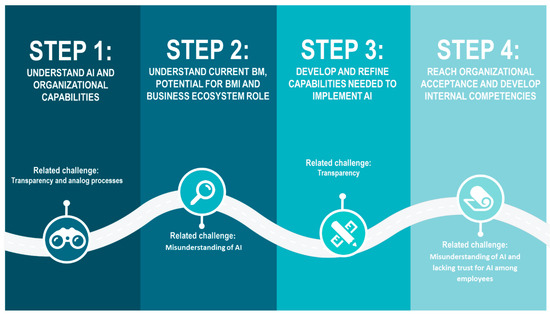
Credit: www.mdpi.com
Ai Evolution
Artificial Intelligence has grown from simple concepts to complex systems. Its evolution shows progress in technology and human understanding. This journey reveals how AI shapes industries and daily life. Learning about AI’s past and future helps grasp its impact.
Early Milestones
The roots of AI date back to the 1950s. Scientists created programs to mimic human reasoning. The Turing Test emerged to measure machine intelligence. Early AI focused on problem-solving and game playing. Despite limited computing power, these steps laid a strong foundation.
Current Trends
Today, AI uses deep learning and neural networks. Machines learn from vast data to make decisions. Natural language processing lets computers understand human speech. AI powers voice assistants, recommendation systems, and autonomous cars. Industries adopt AI for efficiency and innovation.
Future Prospects
AI will become more adaptive and human-like. Researchers explore ethical AI and explainable models. AI may improve healthcare, education, and environment monitoring. Collaboration between humans and AI will grow stronger. The future holds many possibilities for AI development.
Core Ai Technologies
Core AI technologies form the foundation of modern artificial intelligence systems. They enable machines to learn, understand, and respond to complex data. These technologies power applications across industries, from healthcare to finance.
Understanding these core areas helps grasp how AI evolves and improves. Each technology has unique methods and uses that contribute to AI’s growth.
Machine Learning Basics
Machine learning teaches computers to learn from data without explicit programming. Algorithms identify patterns and make decisions based on input. This allows systems to improve over time with more data.
Common types include supervised, unsupervised, and reinforcement learning. Each type suits different problems, from image recognition to recommendation systems.
Deep Learning Advances
Deep learning uses neural networks with many layers to model complex data. It excels at tasks like speech and image recognition. These networks mimic the human brain’s structure.
Advances in deep learning have led to better accuracy and faster processing. This technology drives innovations in autonomous vehicles and virtual assistants.
Natural Language Processing
Natural language processing (NLP) enables machines to understand and generate human language. It powers chatbots, translation tools, and voice assistants. NLP breaks down sentences to grasp meaning and context.
Techniques include tokenization, sentiment analysis, and language modeling. These help AI interact naturally with users.
Computer Vision
Computer vision allows machines to interpret and analyze visual data. It supports facial recognition, object detection, and medical image analysis. Cameras and sensors capture images for processing.
AI models identify shapes, colors, and movements to understand scenes. This technology enhances security, retail, and manufacturing sectors.
Building Ai Skills
Building AI skills is the first step to work effectively in artificial intelligence. It requires learning various concepts, tools, and techniques. Developing these skills helps you solve real-world problems using AI technologies. This section outlines essential areas to focus on while building AI skills.
Foundational Knowledge
Start with understanding the basics of AI and machine learning. Learn about different types of AI like supervised, unsupervised, and reinforcement learning. Study how AI systems make decisions and improve over time. Gain knowledge of common AI applications such as natural language processing and computer vision.
Programming Languages
Programming is vital in AI development. Python is the most popular language due to its simplicity and vast libraries. Other useful languages include R, Java, and C++. Practice writing code to implement AI models and algorithms. Familiarity with scripting helps automate tasks and handle data efficiently.
Key Tools And Frameworks
Use AI frameworks to build and train models faster. TensorFlow and PyTorch are widely used for deep learning projects. Scikit-learn supports traditional machine learning algorithms. Learn to use Jupyter notebooks for interactive coding and visualization. These tools simplify complex AI tasks and speed up development.
Mathematics For Ai
Math forms the core of AI. Focus on linear algebra, calculus, and probability theory. Understand matrices, vectors, derivatives, and integrals. Study statistics to analyze data and model uncertainty. Strong math skills improve your ability to design and optimize AI algorithms.

Credit: www.geeksforgeeks.org
Project Ideas
Exploring project ideas is a key step in learning artificial intelligence. Projects help you apply theory to practice and build skills. They also make your learning journey more enjoyable and clear. This section presents project ideas for all skill levels.
Beginner Projects
Start with simple projects to understand AI basics. Create a chatbot that answers simple questions. Build a spam email detector using basic machine learning. Try image recognition for common objects using pre-trained models. These projects use easy tools and require little coding. They help you grasp core AI concepts clearly.
Intermediate Challenges
Move on to projects that involve more data and coding. Develop a recommendation system for movies or books. Work on sentiment analysis of social media posts. Build a simple voice assistant with speech recognition. These projects need more understanding of algorithms and data handling. They improve your problem-solving skills in AI.
Advanced Applications
Advanced projects push your AI knowledge further. Create a self-driving car simulation using reinforcement learning. Develop a neural network for medical image diagnosis. Work on natural language processing for text summarization. These projects require deep learning skills and strong programming. They prepare you for real-world AI challenges and innovation.
Learning Pathways
Learning pathways guide you through the steps to build AI skills. They offer clear routes for beginners and experienced learners. Structured pathways help avoid confusion and wasted time. Choose options that fit your pace and style.
Online Courses
Online courses provide flexible access to AI knowledge. Platforms like Coursera, edX, and Udacity offer beginner to advanced classes. You can learn topics such as machine learning, neural networks, and natural language processing. Many courses include hands-on projects to practice skills. Study at your own pace from anywhere in the world.
Certifications
Certifications prove your AI skills to employers. They focus on specific technologies or concepts. Examples include Google’s TensorFlow Developer Certificate and Microsoft’s AI Engineer certification. Earning a certificate requires passing exams or completing projects. Certifications boost your resume and open job opportunities.
Bootcamps And Workshops
Bootcamps and workshops offer intense, focused AI training. They usually last from a few days to several weeks. These programs emphasize practical skills and teamwork. You get direct mentorship and feedback from experts. Bootcamps help build real-world projects quickly and prepare for job roles.
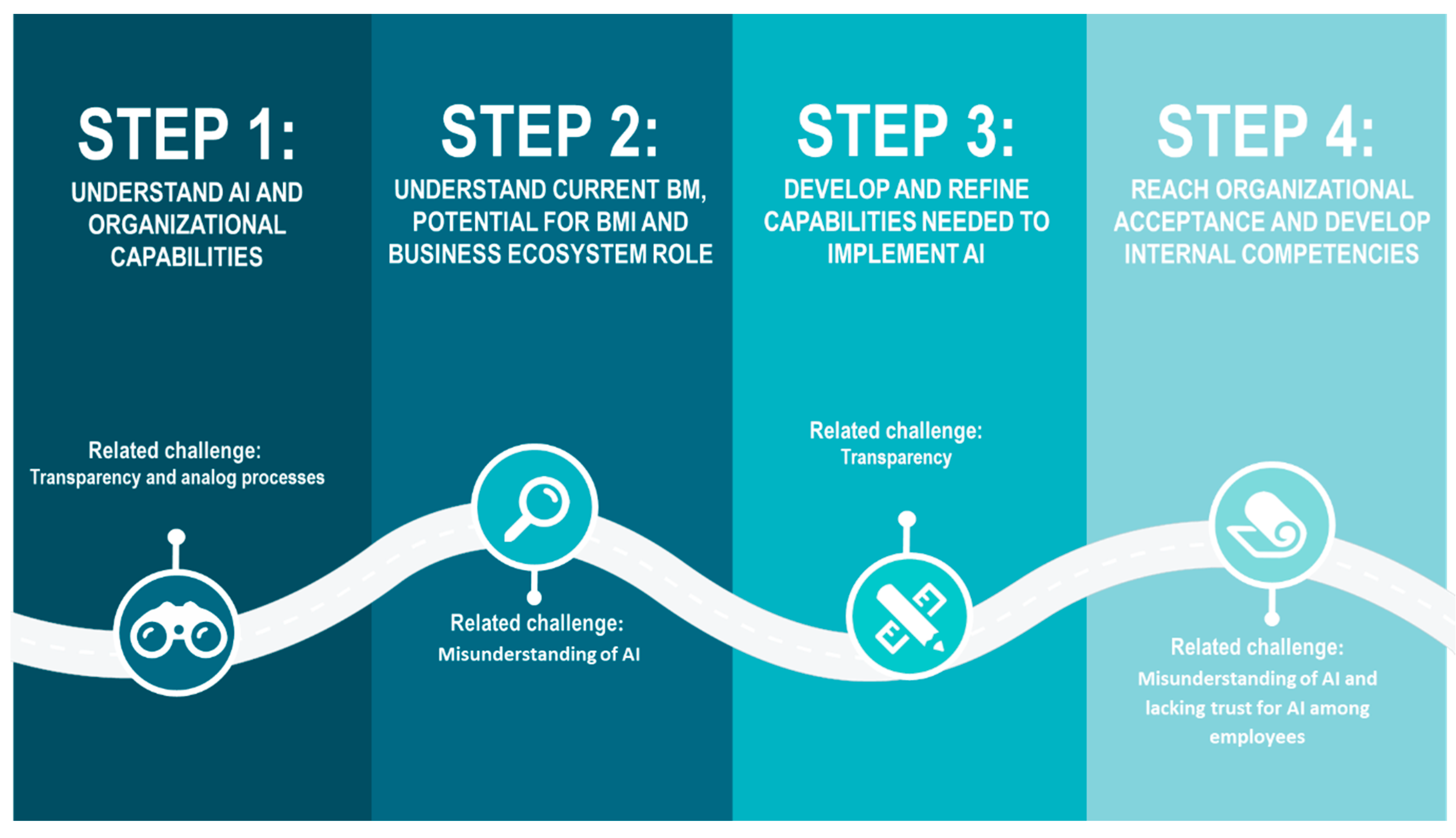
Credit: www.mdpi.com
Career Opportunities
Artificial Intelligence offers many career paths in technology and beyond. The AI field grows fast, creating a strong demand for skilled workers. Jobs vary from technical roles to strategic and creative positions. Understanding the key roles, gaining hands-on experience, and building a strong portfolio help you enter this exciting industry.
Roles In Ai Industry
AI roles include data scientist, machine learning engineer, and AI researcher. Data scientists analyze data to find useful patterns. Machine learning engineers build models that help computers learn. AI researchers work on new techniques and ideas. Other roles involve AI ethics, product management, and AI software development. Each role requires specific skills and knowledge in math, programming, and domain expertise.
Internships And Hackathons
Internships provide real-world experience and industry exposure. They help you understand AI projects and teamwork. Hackathons are short events where you solve AI challenges. They boost creativity and coding skills. Participating in both increases your chances of getting hired. Employers value candidates who show practical skills through such experiences.
Building A Portfolio
A portfolio showcases your AI projects and skills. Include code samples, data analysis, and model results. Share projects on platforms like GitHub. Work on diverse tasks, such as image recognition or natural language processing. A strong portfolio proves your ability to apply AI knowledge. It helps recruiters see your potential clearly and quickly.
Ethics And Challenges
Ethics and challenges form a crucial part of any Artificial Intelligence (AI) roadmap. They guide the responsible development and deployment of AI technologies. Addressing these concerns early helps build trust and ensures AI benefits society fairly and safely. This section explores key ethical issues and challenges faced by AI developers and users.
Bias And Fairness
AI systems often learn from data that reflects human biases. These biases can lead to unfair decisions affecting people’s lives. For example, biased AI might favor certain groups over others in hiring or lending. Developers must detect and reduce bias to promote fairness. Testing AI with diverse data sets helps uncover hidden biases. Fair AI treats all users equally and respects human dignity.
Privacy Concerns
AI frequently uses large amounts of personal data. Protecting this data is essential to maintain user privacy. Poor data handling can lead to breaches and misuse. AI systems should collect only necessary information and keep it secure. Transparency about data use builds user confidence. Privacy-friendly design limits data exposure while still enabling AI functions.
Regulatory Landscape
Governments worldwide create rules to govern AI use. These regulations aim to ensure safety, fairness, and accountability. Laws vary by country, creating complexity for AI developers. Staying informed about legal requirements is vital. Compliance helps avoid penalties and supports ethical AI adoption. Clear regulations encourage innovation while protecting public interests.
Future Technologies
The future of artificial intelligence is full of exciting technologies. These advancements will change how we live and work. Many industries will benefit from smarter, faster AI systems. Understanding these future technologies helps us prepare for the coming changes. Let’s explore some key areas driving AI forward.
Autonomous Systems
Autonomous systems operate without human control. These include self-driving cars, drones, and robots. They use AI to sense their environment and make decisions. These systems improve safety and efficiency in many tasks. Development focuses on better sensors, faster processing, and reliable AI models. Autonomous systems will reshape transport, logistics, and manufacturing.
Ai In Healthcare
AI is transforming healthcare by aiding diagnosis and treatment. It analyzes medical images and patient data quickly. AI helps doctors detect diseases early and choose better treatments. It also supports personalized medicine tailored to each patient. Future AI tools will improve patient care and reduce costs. This technology can save lives and enhance health services.
Ai And Iot Integration
The Internet of Things (IoT) connects everyday devices to the internet. AI combined with IoT creates smart environments and systems. This integration allows devices to learn and adapt to user needs. Examples include smart homes, cities, and industrial monitoring. AI improves IoT data analysis and decision making. Together, they enable more efficient and responsive technology.
Building Ai Roadmaps
Building an AI roadmap is essential for guiding your AI projects. It helps organize ideas, tasks, and goals clearly. A well-structured roadmap keeps teams focused and aligned. It also simplifies decision-making throughout the AI journey.
Creating this roadmap requires careful planning, monitoring, and flexibility. This section explains key steps to build an effective AI roadmap.
Setting Goals
Define clear and achievable goals for your AI initiatives. Goals should be specific and measurable. Focus on solving real problems that add value. Align goals with business needs and technical capabilities. Setting strong goals guides your team and resources efficiently.
Tracking Progress
Monitor progress regularly to stay on course. Use simple tools to track milestones and deliverables. Measure results against your set goals. Tracking helps identify issues early and adjust plans promptly. It keeps everyone accountable and motivated throughout the project.
Adapting To Change
AI projects often face unexpected challenges and shifts. Stay flexible and open to new information or technologies. Update your roadmap based on feedback and market trends. Adapting quickly ensures your AI efforts remain relevant and effective. Embrace change as a natural part of the AI journey.
Read More : Machine Learning and Programming: The Future of Intelligent Tech
Frequently Asked Questions
What Is The Roadmap For Artificial Intelligence?
The AI roadmap includes mastering basics, exploring machine learning, deep learning, and natural language processing. Next, build projects, join hackathons, and pursue internships. Stay updated with research and ethical AI practices to advance in the field effectively.
What Is The 30% Rule In Ai?
The 30% rule in AI states that at least 30% of a project’s components should involve human oversight to ensure accuracy and ethics.
What Is The $900,000 Ai Job?
The $900,000 AI job refers to a highly paid role in artificial intelligence, often involving leadership or specialized skills. These positions demand advanced expertise in AI development, machine learning, or data science, typically at top tech companies or startups.
What Are The 7 C’s Of Artificial Intelligence?
The 7 C’s of artificial intelligence are: Connection, Cognition, Content, Context, Customization, Collaboration, and Creativity. They guide AI development and application.
Conclusion
Artificial intelligence continues to shape our world every day. Following a clear roadmap helps navigate this fast-changing field. Start with basics, build your skills step by step. Practice with real projects to gain experience. Stay curious and keep learning new tools and methods.
This path opens many doors in technology and business. Embrace challenges and enjoy your AI journey ahead.


1 thought on “Artificial Intelligence Roadmap: Your Step-by-Step Guide to Mastering AI Skills”
\Koszulka Inter Miami – to nie tylko strój, to symbol miamińskiej energii i futbolowej legendy! Ikoniczny różowo-czarny wzór z herbem z dwoma czapelnicami (The Herons) – oddaje niepowtarzalny charakter klubu i bogactwo kulturowe miasta. Na grzbiecie możesz mieć numer 10 Messiego – znak najwyższego mistrzostwa, który podnosi drużynę do szczytów MLS Inter Miami CF.