

Deal flow management software organizes and tracks investment opportunities, streamlining the evaluation process for venture capital and private equity firms.
That’s where deal flow management software steps in. It helps you organize, evaluate, and accelerate promising deals while filtering out the noise. Imagine having a clear, streamlined pipeline that saves you time and sharpens your focus on the opportunities that truly matter. For more on this, see our guide on subeasy ai lifetime deal.
You’ll discover how the right software can transform your deal-making process and give you an edge over the competition. Ready to take control of your deal flow? Let’s dive in.

Typical deal flow pipeline view showing deal stages from sourcing to closing.
Credit: www.4degrees.ai
What Deal Flow Management Means
Deal flow management is the process of organizing and tracking potential investment opportunities. It helps investors and firms sort through many deals quickly. The goal is to find promising deals and move them forward efficiently. This process saves time and improves decision-making. For more on this, see our guide on illustrations ai lifetime deal.
Using deal flow management software makes this process easier. The software helps manage large volumes of deals. It keeps everything in one place and updates information in real time. This ensures teams do not miss important opportunities or deadlines.
Key Concepts In Deal Flow
Deal flow refers to the number and quality of investment opportunities available. Managing deal flow means screening these opportunities carefully. It involves identifying which deals are worth pursuing and which to drop early. Tracking progress through each stage is essential to stay organized. Communication between team members is also a key part. The process aims to speed up deal evaluation and closing. For more on this, see our guide on feedspace lifetime deal.
In practice, teams often struggle with pipeline bloat — holding on to too many low-probability deals. A disciplined approach, supported by software that enforces stage-based gates, prevents wasted time. The National Venture Capital Association (NVCA) offers best-practice frameworks for venture firms that align well with this structured screening process. Many experienced investors set a fixed number of deals per partner per quarter to maintain focus on quality over quantity.
Importance In Investment Processes
Efficient deal flow management improves the chances of successful investments. It reduces the risk of missing good deals due to poor organization. Investors can focus on high-potential opportunities faster. Teams stay aligned, sharing updates and feedback easily. This leads to better use of resources and time. Overall, it supports a more structured and effective investment process.
Without a solid system, even strong opportunities can slip through the cracks — for example, a promising startup may get lost in an overflowing inbox or a forgotten spreadsheet. Deal flow software mitigates this by centralising every interaction and deadline. Firms that adopt it early often see a measurable lift in conversion rates because they can commit resources to the right deals at the right moment.
Read More : Top Project Management Tools: Boost Your Team’s Productivity
Core Features Of Deal Flow Software
Deal flow management software helps businesses track and manage investment opportunities. It organizes deals from start to finish, making the process clear and efficient. The core features focus on pipeline visibility, automation, and teamwork. These tools save time and reduce errors.
Pipeline Tracking Tools
Pipeline tracking tools show all deals in one place. Users can see each deal’s stage and progress easily. This helps prioritize important opportunities and avoid missing deadlines. Visual boards and reports give clear updates on the deal status. It keeps the team focused and organized.
A common mistake is relying on static spreadsheets that require manual updates — these quickly become outdated and unreliable. In contrast, a visual pipeline with drag-and-drop stage progression keeps the data live. Many platforms also allow custom fields, so you can tag deals by industry, check size, or source, making it easy to filter and compare opportunities at a glance.
Automation And Workflow Management
Automation reduces manual tasks like data entry and follow-ups. Workflow management creates step-by-step processes for each deal. This ensures consistency and speeds up deal closing. Alerts notify the team about key actions and deadlines. Automation improves accuracy and saves valuable time.
For example, automated email sequences can remind deal owners to upload due diligence documents or schedule partner calls without anyone lifting a finger. Rule-based routing can assign incoming leads to the right team member based on deal size or region. This kind of structured automation, much like effective email workflows used in marketing, prevents bottlenecks and keeps the pipeline flowing smoothly.
Collaboration And Communication Features
These features allow teams to share notes and documents quickly. Real-time messaging keeps everyone updated on deal changes. Users can assign tasks and track who is responsible. Collaboration tools help teams work smoothly and avoid misunderstandings. They improve decision-making and keep deals moving forward.
Beyond basic chat, advanced platforms offer @mentions and comment threads directly on deal records, so context stays attached to the opportunity rather than scattered across email chains. When a junior analyst flags a risk in due diligence, the senior partner can respond instantly — no meetings required. This tight feedback loop is especially valuable in fast-moving M&A environments where every hour counts.
Benefits Of Using Deal Flow Software
Deal flow management software offers clear advantages for businesses and investors. It helps organize and track potential deals from start to finish. This software simplifies complex processes and improves overall performance.
Using deal flow software leads to faster deal closures, better efficiency, and smarter decisions. These benefits can boost your success rate and save valuable time.
Faster Deal Closures
Deal flow software speeds up the sales process. It keeps all deal information in one place. Teams can quickly access updates and required documents. This reduces delays and miscommunication. Faster responses help close deals sooner than usual.
Quantitatively, firms that adopt dedicated deal flow software often report shortening their average deal cycle by 20–30% because critical approvals no longer get stuck waiting for a single stakeholder’s manual input. The time saved compounds across the entire portfolio, allowing teams to evaluate more opportunities each quarter.
Improved Efficiency
Managing many deals manually wastes time and effort. Deal flow software automates repetitive tasks and reminders. It tracks deadlines and progress automatically. This reduces errors and frees staff for higher-value work. Workflows become smoother and more predictable.
A practical example: a mid-market private equity firm using manual spreadsheets might spend two full days per week re-entering deal status updates. After switching to an automated system, that time drops to a single hour of exception handling. The freed capacity can be redirected to sourcing new leads or conducting deeper market analysis.
Enhanced Decision Making
The software provides clear insights into each deal’s status. Users can analyze data easily to compare opportunities. Visual dashboards help identify the best deals quickly. Better information leads to smarter choices and less risk.
Modern platforms also include customisable scoring models so you can rank deals by criteria like revenue growth, team experience, or market size. This data-driven approach reduces reliance on gut feel and brings consistency to investment committee discussions. For early-stage investors, AI‑powered pattern recognition can flag deals that share characteristics with past winners.
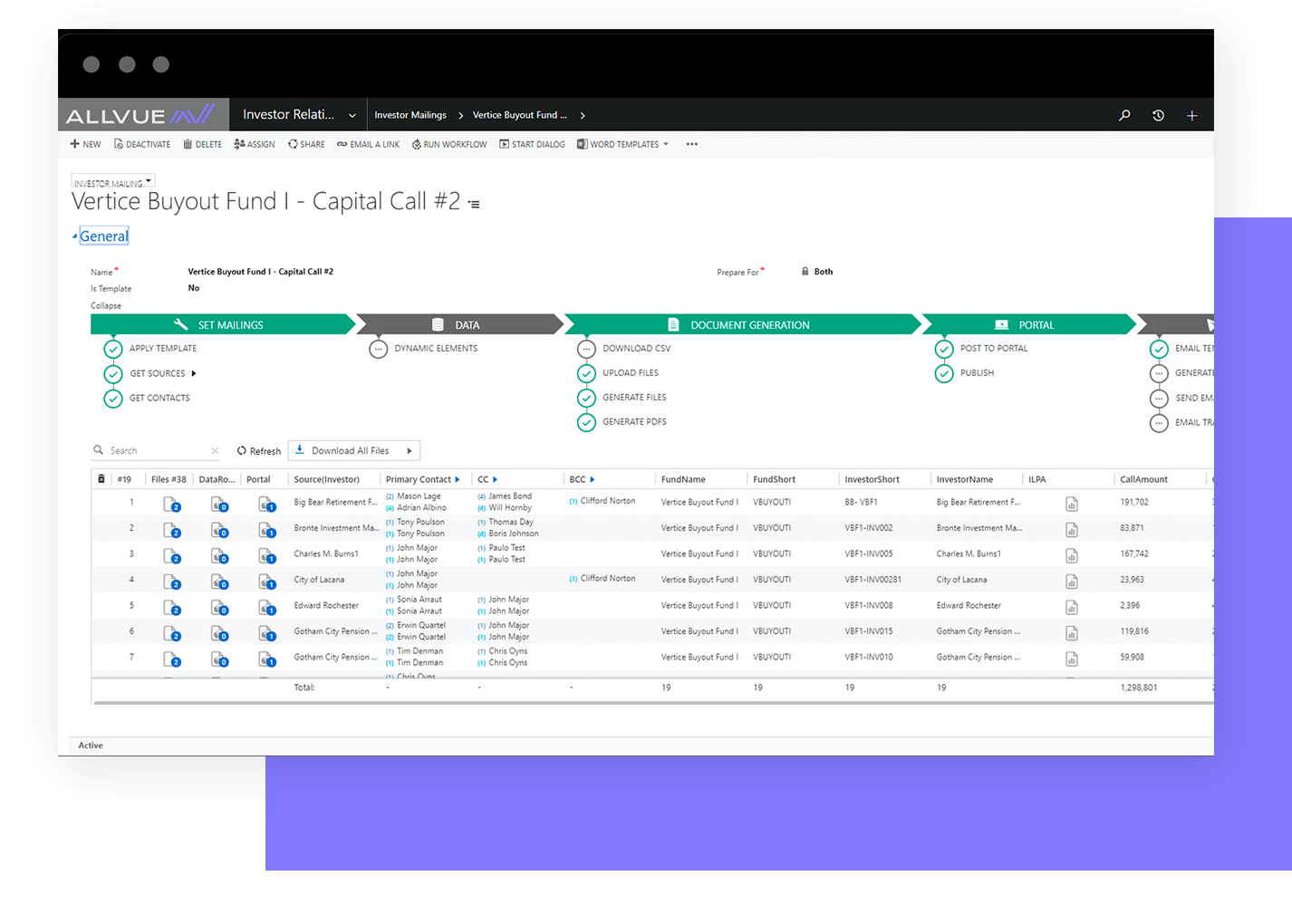
Dashboard showing deal distribution across stages and projected close values.
Credit: www.allvuesystems.com
Choosing The Right Deal Flow Software
Choosing the right deal flow management software is crucial for efficient investment tracking. The right tool saves time and improves decision-making. It must fit your team’s needs and work well with other systems.
Evaluating Crm Integration
Check if the software connects smoothly with your CRM system. Integration helps keep all data in one place. It reduces manual entry and avoids errors. Good integration means faster updates on deal status. It supports better communication within your team.
Seamless CRM integration is often the make-or-break factor. If your firm already relies on a platform like Salesforce or HubSpot, ensure the deal flow software can bi‑directionally sync contact records and deal stages. Tools that offer native connectors or open APIs tend to be more future‑proof. For deeper CRM capabilities, a dedicated approach can complement your existing stack well.
User Interface And Experience
Look for software with a simple and clear interface. Easy navigation boosts productivity and reduces training time. The software should display important information quickly. A clean design helps users focus on tasks. Good user experience encourages frequent and correct use.
When evaluating demos, have your most junior team member test the tool first — if they can navigate it without a manual, adoption will be high across the firm. Beware of platforms that overload screens with dozens of fields; the best tools surface the 20% of data you actually need 80% of the time.
Scalability And Customization
Choose software that grows with your business needs. It should handle more deals as your pipeline expands. Customization options let you adjust the tool to your workflow. Tailored features improve efficiency and reduce clutter. Scalability and customization ensure long-term value.
For firms planning to grow from 50 deals per year to 500, per‑deal pricing models can become cost‑prohibitive. Look for platforms that offer tiered plans or flat‑fee unlimited deals. Also verify that the vendor supports custom pipelines, because a venture capital workflow looks very different from a real estate syndication workflow. Cloud-based platforms offer the easiest path to scale without infrastructure headaches.
Top Deal Flow Software Solutions
Top deal flow software solutions help investors and firms manage potential opportunities efficiently. These tools organize, track, and prioritize deals to improve decision-making. They save time by automating routine tasks and provide clear visibility into the deal pipeline. Different investment areas have unique needs, so specialized software fits best.
Tools For Venture Capital
Venture capital firms require software that handles many startups and early-stage companies. These tools offer easy deal tracking and quick access to company data. Features include pipeline management, collaboration, and analytics. The software helps venture capitalists screen deals and focus on the most promising ones.
Platforms For Private Equity
Private equity firms deal with complex transactions and longer timelines. Their software solutions support detailed due diligence and portfolio management. These platforms offer secure data rooms and customizable workflows. Private equity teams gain insight into deal progress and can manage multiple deals at once.
Solutions For M&a Teams
Mergers and acquisitions teams need software that streamlines communication and document sharing. These solutions track deal stages and automate reminders for tasks. They improve coordination among legal, financial, and operational teams. M&A software enhances transparency and helps close deals faster.

Example of a virtual data room with document folders and permission settings.
Credit: www.youtube.com
Implementing Deal Flow Software
Implementing deal flow management software can improve how your team tracks and handles investment opportunities. This software organizes each stage of a deal, making the process smoother and faster. A clear plan helps avoid confusion and delays during adoption. Focus on key steps for a successful rollout.
Onboarding And Training
Start with simple and clear training sessions for all users. Explain how the software fits into daily tasks. Use practical examples to show benefits. Encourage questions to ensure everyone understands. Provide guides and videos for easy reference. Continuous support keeps users confident and engaged.
One proven pattern is to run a two‑week “champion pilot” where one partner and one analyst use the software on a handful of live deals. Their feedback shapes the roll‑out to the rest of the team. This reduces resistance because the system is already tuned to your actual workflow before it goes firm‑wide.
Data Migration Strategies
Plan data transfer carefully to avoid loss or errors. Clean old data before moving it to the new system. Map old data fields to new ones accurately. Test the migration process on a small sample first. Fix issues before full-scale migration. Backup all data to protect against unexpected problems.
In practice, the biggest time sink is cleaning stale records — duplicate companies, outdated contact emails, and half‑abandoned deals from years ago. Dedicate a full week to data hygiene before migration. Many vendors offer professional services for migration, but even with their help, you’ll want a point person on your team who understands the original data structure.
Measuring Success And Roi
Track key performance indicators after implementation. Monitor deal closure rates and time saved. Collect user feedback to identify challenges. Compare costs of software and training to efficiency gains. Use data to adjust processes and improve use. Regular reviews ensure the software meets business goals.
Common KPIs include average days per stage, number of deals per partner per quarter, and percentage of deals that advance beyond initial screening. A straightforward ROI calculation: (hours saved per week × hourly rate × 52) minus annual software cost. If that number is positive within six months, the implementation is on track.
Future Trends In Deal Flow Management
The future of deal flow management is evolving rapidly with new technologies. These advancements help investors and firms handle deals more efficiently. Software tools will soon offer smarter, faster ways to manage opportunities. Staying updated with these trends will improve decision-making and save valuable time.
Ai And Machine Learning Integration
Artificial intelligence (AI) and machine learning are shaping deal flow management. These technologies analyze large data sets to spot trends and risks. They help prioritize deals by predicting success rates. Automation reduces manual tasks, allowing teams to focus on strategy. AI also improves deal sourcing by identifying hidden opportunities quickly.
In 2026, AI is moving beyond simple scoring into natural‑language processing that can read pitch decks and highlight key terms, financial projections, and even sentiment signals from founder language. For example, an AI assistant might flag that a company’s revenue growth rate is misaligned with its stated timeline. This kind of insight would have taken an analyst hours to uncover just a few years ago. Many firms now pair AI‑sourcing tools with AI‑powered video interactions to assess founder communication before scheduling meetings.
Enhanced Analytics And Reporting
Advanced analytics provide deeper insights into deal performance. Customizable reports show detailed pipeline status and forecast outcomes. Visual dashboards highlight key metrics for quick understanding. This data supports better negotiation and risk assessment. Real-time updates keep teams informed on every deal stage.
The trend is toward “what‑if” scenario modelling — for instance, how would your portfolio’s IRR shift if you invested in a particular sector at a slightly higher valuation? Modern deal flow platforms embed this kind of simulation directly into the reporting layer, turning the pipeline into a strategic planning tool rather than just a log of opportunities.
Cloud-based And Saas Developments
Cloud computing and Software-as-a-Service (SaaS) platforms make deal flow software more accessible. Teams can work from anywhere with secure, centralized data storage. Cloud solutions offer easy scalability and regular updates without downtime. SaaS models reduce upfront costs and simplify software management. Collaboration improves as multiple users access deals simultaneously.
A 2026 nuance is the rise of multi‑cloud architectures where deal data resides in one environment for security while analytics run in a separate environment for performance. This separation is particularly important for firms handling sensitive regulatory filings. Understanding the fundamentals of underlying cloud infrastructure helps firms evaluate vendor security certifications.
Deal Sourcing And Inbound Management
Effective deal flow doesn’t start when a pitch deck lands in your inbox — it starts with how you attract and capture opportunities. Deal sourcing features let you create custom intake forms on your website, integrate with startup databases like Crunchbase, and even scrape email submissions automatically.
One often‑overlooked capability is lead routing: software can assign incoming deals to the appropriate partner based on industry tags or geography, ensuring every opportunity gets a prompt response. Firms that combine sourcing with automated acknowledgment emails see significantly higher founder satisfaction scores.
Additionally, many platforms now offer a “warm introduction” workflow that tracks referral sources and automates thank‑you notes, strengthening your network for future deal flow.
Due Diligence And Document Management
Once a deal moves past initial screening, due diligence becomes the heaviest lift. Deal flow software can host a virtual data room where both sides upload NDAs, financial statements, legal contracts, and market research. Granular permission settings let you control who sees what.
A best practice is to create a standardised diligence checklist per deal type (e.g., Series A vs. growth equity) and attach it as a template. The software then tracks each item’s completion status, sends reminders for overdue documents, and flags missing items before the investment committee meeting.
Integration with e‑signature tools like DocuSign further accelerates the final stages, letting you sign term sheets and closing documents directly from the deal record.
Metrics And KPIs To Track
Beyond raw deal count, a handful of metrics separate high‑performing teams from the rest:
- Pipeline Velocity – the speed at which deals move from one stage to the next.
- Conversion Rate per Stage – which gates cause the most drop‑off.
- Average Time to Close – benchmarked against past cycles.
- Deal Source Performance – which channels (intro, outbound, conference) yield the best quality.
- Partner Capacity Utilization – are your top deal‑makers overloaded or underutilised?
Setting up a dashboard that refreshes weekly gives leadership an early warning system — for example, if conversion rates dip at the due diligence stage, you may need to allocate more legal resources.
Frequently Asked Questions
What Is Deal Flow Management?
Deal flow management tracks and evaluates potential investment opportunities. It helps prioritize promising deals and speeds up decision-making.
What Is The Best Crm For Deal Sourcing?
The best CRM for deal sourcing offers streamlined pipeline management, fast deal tracking, and enhanced collaboration. Popular choices include DealRoom, Edda, and Allvue. These platforms help investors manage opportunities efficiently and close deals faster. Choose based on your specific workflow and integration needs.
What Is Deal Management Software?
Deal management software helps businesses track, organize, and monitor deals through each sales pipeline stage efficiently.
How Much Is Deal Flow?
Deal flow refers to the volume and quality of investment opportunities available to investors or firms at a given time.
How Does Deal Flow Software Integrate With Existing Tools?
Most modern deal flow platforms offer out‑of‑the‑box integrations with popular CRM systems, email clients, and cloud storage providers. Look for support via REST APIs if you have a custom tech stack. A solid CRM integration avoids duplicate data entry and ensures your sales and investment teams are working from the same records.
Can Small Firms Or Solo Investors Benefit From Deal Flow Software?
Absolutely. Even solo angel investors handling 20–50 deals a year gain from having a centralised record of conversations, terms, and follow‑ups. Many vendors offer lite or starter plans priced for smaller pipelines, and cloud‑based delivery means no IT overhead.
What Security Features Should I Look For?
Given the sensitive nature of deal data, prioritise software with SOC 2 Type II certification, end‑to‑end encryption at rest and in transit, role‑based access controls, and audit logs. Some platforms also offer multi‑factor authentication and IP whitelisting. Reviewing the vendor’s security whitepaper should be a standard step before signing.
Conclusion
Deal flow management software helps investors track and organize deals easily. It saves time by filtering out less promising opportunities fast. Teams can focus on the best investments without missing key details. Clear visibility into each deal stage improves decision-making and speeds up processes.
Using this software leads to smoother workflows and better results. Choosing the right tool supports growth and keeps your pipeline strong. Managing deals becomes simpler and more effective with the proper system in place.
If your firm hasn’t yet adopted a dedicated deal flow platform, start by trialling one on your top five active deals — you’ll see the difference in clarity and speed within a week.


2 thoughts on “Deal Flow Management Software: Boost Efficiency and Close Deals Faster”