
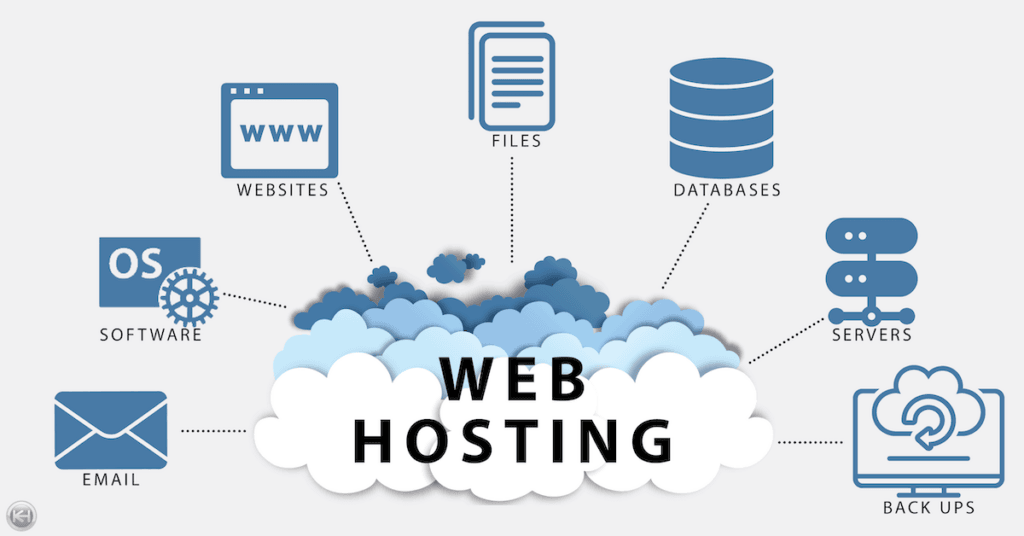
Choosing the right domain hosting provider is crucial for your website's success. The right provider ensures your site runs smoothly and remains accessible.
In today's digital age, your website's performance hinges on reliable hosting. A good domain hosting provider offers security, speed, and support. With countless options available, picking the right one can be overwhelming. This guide will help you understand what to look for in a hosting provider.
We'll discuss key factors like uptime, customer service, and pricing. By the end, you'll be equipped to make an informed decision that suits your website's needs. Ready to find the perfect domain hosting provider? Let's dive in!
 A help desk agent ready to answer your hosting questions.
Credit: whitelabelitsolutions.com
Introduction To Domain Hosting
Choosing the right domain hosting provider is crucial for your website. This guide will help you understand the basics and importance of domain hosting. By the end, you will know how to select the best provider for your needs.
Importance Of Domain Hosting
Domain hosting is essential for your online presence. It ensures your website is accessible to users around the world. A reliable domain host provides uptime, speed, and security. This means your site is always available and loads quickly, keeping users happy.
Good domain hosting also offers customer support. If you face any issues, you can get help quickly. This support is vital for maintaining your website's performance.
In summary, a dependable domain hosting provider can make or break your online success.
Basic Concepts
Here are some basic concepts to understand:
Domain Name: This is your website's address, like www.example.com.
Web Hosting: This is where your website's files are stored.
DNS (Domain Name System): This system translates domain names into IP addresses.
Bandwidth: This measures the amount of data your site can transfer to users.
Storage: This is the space available for your website's files.
To better understand these concepts, here's a simple table:
Term Definition
Domain Name Your website's address (e.g., www.example.com)
Web Hosting Storage for your website's files
DNS Translates domain names into IP addresses
Bandwidth Data transfer capacity
Storage Space for your website's files
Understanding these basic concepts helps you make informed decisions. You can now choose a domain hosting provider that meets your needs.
 A data centre packed with servers that power websites around the globe.
Credit: tedigitalmarketing.com
Types Of Domain Hosting
Understanding the different types of domain hosting is crucial for your website. Each type offers unique features and benefits. Choosing the right one depends on your needs. Here, we will explore the most common types of domain hosting.
Shared Hosting
Shared hosting is a cost-effective option. Multiple websites share the same server. This makes it affordable for beginners. It's perfect for small websites with low traffic. The downside is limited resources. High traffic on one site can affect others.
Vps Hosting
VPS stands for Virtual Private Server. It offers more control than shared hosting. Your site shares a server but has dedicated resources. This ensures better performance and security. VPS hosting suits medium-sized websites. It allows for growth and more traffic.
Dedicated Hosting
Dedicated hosting means you get an entire server for your site. No sharing with others. This offers high performance and security. It's best for large websites with high traffic. The cost is higher, but the benefits are significant. You have full control over the server.
Cloud Hosting
Cloud hosting uses multiple servers to host your site. This provides excellent reliability. If one server fails, another takes over. This hosting type scales easily. It's great for websites with unpredictable traffic. You pay only for the resources you use.
Choosing The Right Provider
Choosing the right domain hosting provider is crucial for your website's success. The right provider ensures your site runs smoothly and remains accessible. It can impact your site's speed, uptime, and security. Making the right choice can feel overwhelming. But, breaking it down into key factors helps simplify the process.
Factors To Consider
There are several factors to consider when choosing a domain hosting provider. Reliability and uptime are essential. A provider with a 99.9% uptime guarantee ensures your site is always available. Speed is another critical factor. Faster load times improve user experience. They also positively impact SEO. Security features are vital. Look for providers offering SSL certificates and regular backups. Customer support is also important. Choose a provider with 24/7 support. This ensures help is available whenever you need it. Lastly, consider the cost. Ensure you get value for your money. Compare the features each provider offers. This helps you make an informed decision.
Comparing Providers
Comparing providers can seem daunting. Start by listing your needs. Then, research providers based on those needs. Look for reviews from other users. This provides insight into their experiences. Check the provider's uptime record. A higher uptime percentage is better. Evaluate their speed performance. Tools like GTmetrix can help. Assess the security features they offer. Ensure they provide SSL certificates and regular backups. Review their customer support options. 24/7 support is ideal. Finally, compare the pricing plans. Ensure they fit your budget. Don't just go for the cheapest option. Balance cost with the features provided. Making an informed choice leads to a successful website.
Key Features To Look For
Choosing the right domain hosting provider is crucial for your website's success. There are several key features to consider to ensure your website runs smoothly and securely.
Uptime Guarantee
One of the most important features is the uptime guarantee. This refers to the percentage of time your website will be up and running. Look for providers that offer at least a 99.9% uptime guarantee. This ensures your website is accessible to visitors most of the time.
Customer Support
Reliable customer support is another essential feature. Issues can arise anytime, and you need quick resolutions. Choose a provider with 24/7 support through various channels like chat, phone, and email. Check if they offer a knowledge base or community forums for self-help.
Security Features
Security is critical to protect your website and data. Look for providers that offer SSL certificates, daily backups, and malware scanning. A good hosting provider will also offer firewalls and DDoS protection. These features help safeguard your website from attacks and data breaches.
Setting Up Your Domain
Setting up your domain is an important step for any website. This process involves several key steps. Each step ensures your domain is functional and accessible. Here, we will guide you through the main steps.
Registration Process
The first step is registering your domain. Choose a domain name that reflects your brand or purpose. Use a domain registrar for this process. Most hosting providers offer domain registration services. Search for your desired domain name. If it's available, proceed to register it. Fill in the required details. Complete the payment process. Your domain is now registered.
Dns Configuration
After registering your domain, configure your DNS settings. DNS stands for Domain Name System. It translates your domain name to an IP address. Access your hosting provider's control panel. Locate the DNS settings section. Here, you will add DNS records. These records include A, CNAME, MX, and TXT records. Each record serves a specific purpose. For instance, the A record points your domain to your website's IP address. Ensure you save the changes.
Common Mistakes to Avoid When Setting Up Your Domain
Many newcomers overlook a few critical steps during the setup process. One frequent error is not enabling domain privacy (WHOIS protection), leaving your personal contact information publicly visible. Most providers include this for free — if yours charges extra, consider switching to a package that offers it as standard.
Another mistake is failing to verify email deliverability after configuring MX records. If you set up custom email with your domain, send a test message to confirm incoming and outgoing mail work properly. You can check using tools like MXToolbox.
Also, avoid leaving default DNS records active if they point to placeholder pages. Stale records can cause confusion during propagation and may even expose your site to security risks. Audit your DNS entries after every change.
A business owner comparing hosting plan features before making a decision.
Credit: rockcontent.com
Managing Your Domain
Managing your domain is crucial for maintaining a strong online presence. This process involves various aspects, ensuring your website runs smoothly. Understanding how to manage your domain helps avoid issues and keeps everything in check. Let's explore some essential parts of managing your domain.
Renewals And Transfers
Keeping your domain active requires regular renewals . Missing a renewal can lead to losing your domain. Set up automatic renewals to avoid this risk. Most domain hosting providers offer this feature.
Transferring your domain to another provider is also common. This process involves moving your domain from one registrar to another. Ensure you have the authorization code from your current provider. This code is necessary for the transfer.
Here’s a brief checklist for domain transfers:
Unlock your domain
Get the authorization code
Initiate the transfer with the new provider
Confirm the transfer via email
Follow these steps to ensure a smooth transfer.
Managing Subdomains
Subdomains help you organize your website better. They create separate sections under your main domain. For example, blog.yourwebsite.com is a subdomain of yourwebsite.com.
Creating subdomains is simple. Log in to your domain hosting provider's control panel. Look for the subdomain section and enter the name you want. Save the changes and your subdomain is ready.
Subdomains are useful for:
Creating different sections like blogs or stores
Testing new features without affecting the main site
Improving SEO by targeting specific keywords
Manage your subdomains to enhance your website's structure.
Common Issues And Solutions
Choosing a reliable domain hosting provider is crucial. Yet, users often face common issues. Understanding these problems and their solutions can save time and stress. This section explores some typical challenges and offers practical fixes.
Troubleshooting Downtime
Downtime can harm your website's reputation. It can also affect search engine rankings. Here are steps to troubleshoot:
Check Server Status: Use tools like UptimeRobot or Pingdom to monitor your server's availability.
Review Error Logs: Logs can provide insights into what went wrong.
Contact Support: Reach out to your hosting provider for help.
Resolving Dns Issues
DNS issues can cause your site to be unreachable. Here’s how to resolve them:
Verify DNS Settings: Ensure your DNS records are correct.
Flush DNS Cache: Clear your DNS cache to remove outdated information.
Check Propagation: DNS changes can take time to propagate. Wait and monitor.
Common DNS Problems and Fixes:
Problem Solution
Incorrect Nameserver Update to the correct nameserver provided by your host.
Expired Domain Renew your domain registration promptly.
Propagation Delay Wait 24-48 hours for DNS changes to take effect.
How to Evaluate Hosting Performance Before Committing
Choosing a provider based on advertised specs alone can lead to surprises. In practice, a common mistake is signing up for a plan that looks great on paper but fails under real traffic. You can avoid this by testing performance in three concrete ways:
Run a hosting trial with a test site. Many providers offer a 30‑day money‑back guarantee. Use that window to upload a simple WordPress installation and run it through a load-testing tool like Locust. See how the server responds when you simulate 50 concurrent visitors.
Review real uptime data from independent monitoring services. Services like Uptime.com provide historical uptime reports for major hosting brands. A provider that claims 99.9% uptime may actually fall short during peak hours.
Check the server response time (TTFB) from multiple geographic locations. The first byte delay should stay under 200 ms for most users. Use a free tool like Geekflare to test from New York, London, and Singapore. If the provider uses only one data centre, performance outside its region can drop noticeably.
For a deeper look at how a specific provider performs under sustained load, consult detailed hosting assessments that benchmark speed and reliability over several months.
Future Trends In Domain Hosting
The future of domain hosting is evolving rapidly. As technology advances, domain hosting providers adapt to meet new demands. They focus on security, efficiency, and flexibility. This section explores the key trends shaping the future of domain hosting.
Increased Security Measures
Security is a top priority for domain hosting providers. Cyber threats are rising. Providers implement advanced security protocols. These include SSL certificates and DDoS protection. Regular security updates are essential. They safeguard websites from potential attacks. Users can expect more robust security measures. For a comprehensive approach, consider layering antivirus solutions such as those reviewed in the Malwarebytes Premium review, which can catch threats at the application level. Pairing host-level security with endpoint protection gives you defence in depth.
Growth Of Cloud Hosting
Cloud hosting is gaining popularity. It offers scalability and flexibility. Users can scale resources as needed. This is cost-effective and efficient. Cloud hosting also ensures better uptime. Data is stored across multiple servers. This reduces downtime and enhances performance. Many businesses are moving to cloud hosting solutions.
Frequently Asked Questions
What Is A Domain Hosting Provider?
A domain hosting provider offers services to host your website on the internet. They manage servers, storage, and support.
How Do I Choose A Domain Hosting Provider?
Consider factors like uptime, customer support, pricing, and features. Read reviews and compare different providers.
Can I Transfer My Domain To Another Host?
Yes, you can transfer your domain to another host. Check with both providers for specific transfer instructions.
What Is The Difference Between Domain And Hosting?
A domain is your website's address. Hosting is the service that stores your site's files and makes it accessible online.
Can I host multiple websites on a single hosting account?
Yes, most hosting providers allow you to host several domains on one account through add‑on domains. The limit depends on your plan — shared hosting typically supports 5–20 sites, while VPS and dedicated plans allow many more. Keep in mind that all sites share the same server resources, so heavy traffic on one can slow others. If you run multiple projects, a VPS plan with dedicated resources gives you better isolation.
Should I buy my domain and hosting from the same company?
Buying both from one provider simplifies management — you handle renewals, DNS, and support through a single dashboard. However, separating them gives you more flexibility to switch hosts without moving your domain. First‑time website owners often prefer the convenience of an all‑in‑one bundle. If you do bundle, make sure the registrar offers competitive renewal prices and easy domain transfers later.
How can I check my hosting speed before signing a long contract?
Many providers offer a 30‑day free trial or money‑back guarantee. During that period, install a monitoring tool like Pingdom and track the response time over a week. Also test from different geographical locations — a provider with only one data centre may be slow for international visitors. Look for hosting brands that include a content delivery network (CDN) to speed up global delivery.
What is the role of a domain registrar compared to a hosting provider?
A domain registrar is accredited by ICANN to sell and manage domain names — it handles registration, renewals, and transfers. A hosting provider stores your website files and serves them to visitors. While many companies offer both, they are legally separate services. The official ICANN guidelines clarify that registrars must follow specific transfer policies, so if you ever move your domain, you need to unlock it and obtain an authorisation code from the registrar side, not the hosting side.
Take Action Today
Now that you understand what to look for in a domain hosting provider, put that knowledge to work. Start by listing your top three candidates, then sign up for their free trials or money‑back periods. During that test window, run the performance checks we covered — check uptime, speed, and support response times. Once you’re satisfied, lock in your choice with a plan that fits your budget and launch your online presence. For even more savings, explore budget-friendly hosting options found in times with discount marketplaces that occasionally feature special deals on hosting plans.
Conclusion
Choosing the right domain hosting provider is crucial. It affects your website's speed and security. Always research and compare options. Look for good customer support. Reliability and uptime matter a lot. A well-chosen provider saves you time and stress. Make your decision wisely for long-term success.
Happy hosting!
https://www.youtube.com/watch?v=BfNJo3zA92A
Choosing the Right Email Hosting for Your Domain
Many domain hosting providers now bundle email hosting with their plans. If you run a business, having email at your domain (e.g., you@yourbusiness.com) builds trust with customers. Some providers include free email accounts with limited storage, while others charge extra for professional tiers like Microsoft 365 or Google Workspace integration.
Before committing, check whether the provider supports:
- POP3/IMAP access – essential for using desktop clients like Outlook or Apple Mail
- Webmail interface – useful when you're away from your main device
- Spam filtering – reduces junk mail reaching your inbox
- Email forwarding – lets you redirect messages to another address
A common mistake is overlooking mailbox storage limits. A plan advertising "free email" might cap each inbox at 1 GB, which fills quickly with attachments. If you anticipate heavy email usage, confirm the storage allowance and whether archiving tools are available.
Performance Benchmarks You Can Run Yourself
Rather than relying solely on marketing claims, you can gather objective data about a host's performance using free tools. Here are three tests worth running during your trial period:
| Test | Tool | What to Look For |
|---|---|---|
| Page load speed | Google PageSpeed Insights | Score of 80+ on mobile and desktop |
| Server response time | GTmetrix | TTFB under 300 ms |
| Uptime monitoring | UptimeRobot | 100% over a 7-day test window |
Remember that these metrics vary by the data centre location you choose. If your audience is in Europe, select a host with servers in London or Frankfurt. For a global audience, a provider that integrates with a content delivery network (CDN) like Cloudflare will reduce latency worldwide.
When to Upgrade from Shared Hosting
You started with shared hosting because it was affordable and simple. At some point, however, you may outgrow it. Signs that it's time to upgrade include:
- Pages load slowly even after optimising images and caching
- You receive "resource limit reached" errors during traffic spikes
- You need root access or custom server configurations
- Your site processes sensitive data that requires stricter isolation
When that moment arrives, a managed WordPress hosting plan or a VPS solution gives you more breathing room without demanding advanced server administration skills. Many providers offer seamless migration assistance, so you don't have to rebuild your site from scratch.
Final Thoughts
Your domain hosting provider is the foundation of your entire online presence. Taking a few extra hours to compare options, run tests, and read independent reviews will pay off every time a visitor clicks onto your site. Prioritise reliability, transparency, and support over the lowest introductory price. A host that grows with you saves you the headache of unexpected migrations down the road.











One comment
[…] This guide is designed just for you. You’ll discover simple, clear steps to find, register, and secure your ideal domain name with confidence. Whether you’re starting a blog, launching a business, or protecting your brand, learning how to buy a domain name the right way will save you time, money, and headaches. For more on this, see our guide on domain hosting provider. […]