Best Cloud Hosting for Small Business: Top 5 Reliable Providers
Founder & Lead SaaS Analyst at PCSaaS · Google Ads & Analytics Certified · SaaS Stack Architect · 500+ Software Tools Tested · 8+ years in B2B SaaS evaluation, AppSumo lifetime deal curation, performance marketing, and AI workflow automation
Running a Best Cloud Hosting for small business today means staying connected. Cloud hosting is a key tool for this.
It offers flexibility and reliability, vital for growth and efficiency. Many small businesses struggle to find the best cloud hosting. With so many options, it's easy to get overwhelmed. Each promises speed, security, and support. But which ones truly deliver?
In this blog post, we'll explore top cloud hosting choices for small businesses. We'll look at features, benefits, and pricing. Our aim is to help you make an informed decision, saving you time and money. Stay tuned to find the best fit for your business needs. For more on this, see our guide on most reliable cloud hosting solutions.
Introduction To Cloud Hosting
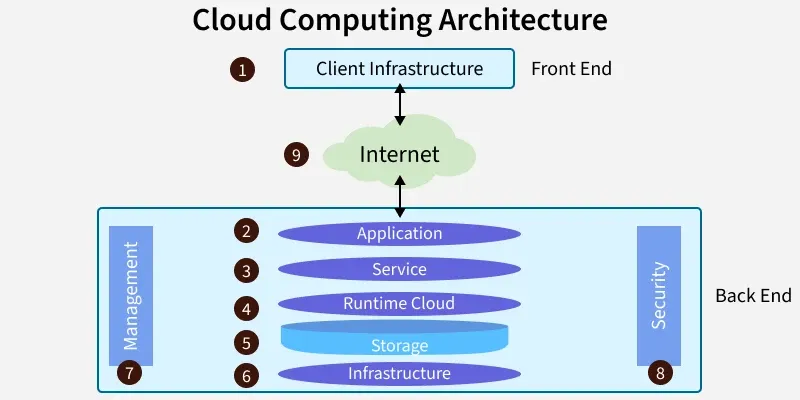
Cloud hosting is a powerful tool for small businesses. It allows businesses to store data and run applications on remote servers. These servers are accessed via the internet. This offers more flexibility and efficiency compared to traditional hosting.
In cloud hosting, resources are spread across multiple servers. This reduces the risk of downtime or data loss. Businesses can scale their resources up or down as needed. This is especially useful for growing businesses with changing needs. For more on this, see our guide on best web hosting services for small business.
As of 2026, cloud hosting has become the default choice for most small businesses, particularly those with remote teams or plans to expand geographically. The ability to spin up new instances in minutes and pay only for what you use means you can test new products or seasonal campaigns without committing to long-term hardware costs.
Why Cloud Hosting Matters
Cloud hosting is important for several reasons. It provides better reliability than traditional hosting. If one server fails, another takes over. This ensures your website stays online.
It also offers greater flexibility. You can access your data from anywhere, at any time. This is crucial for businesses with remote employees or multiple locations. For more on this, see our guide on which tax software is best for small business.
Benefits For Small Businesses
Cloud hosting offers many benefits to small businesses. First, it is cost-effective. You only pay for the resources you use. This helps manage your budget more effectively.
Second, it provides scalability. As your business grows, you can easily increase your resources. There is no need to invest in expensive hardware.
Third, it improves performance. Cloud hosting uses load balancing to distribute traffic. This ensures your website runs smoothly, even during traffic spikes.
Fourth, it enhances security. Cloud providers offer advanced security measures. These include encryption and regular backups. This helps protect your data from cyber threats.
Beyond these basics, cloud hosting also supports remote collaboration and integration with other business tools, such as customer relationship management and accounting software. Many small businesses find that moving to the cloud simplifies their IT management and frees up time to focus on growing their online presence.
A practical observation: business owners who migrate to the cloud often report spending less time on server maintenance and more time on their actual product or service. The key is choosing a provider that matches your technical comfort level — some offer fully managed environments, while others require you to configure the infrastructure yourself.
Key Features To Consider
When selecting the best cloud hosting for your small business, there are several key features to consider. These features can affect your business performance, security, and budget. Let’s dive into the essential aspects that you should keep in mind.
Scalability
Scalability is crucial for small businesses. As your business grows, you’ll need more resources. Cloud hosting offers flexible plans. You can easily upgrade or downgrade your services. This ensures you always have the right amount of resources.
Elastic resources : Adjust resources based on demand.
Auto-scaling : Automatically scale resources up or down.
Load balancing : Distribute traffic evenly across servers.
A common mistake is over-provisioning at launch. Start with a plan that matches your current traffic, then monitor usage monthly and scale up only when needed. Pairing your hosting with a fast-loading design, such as a lightweight theme, can also reduce server load during spikes.
Monitoring and Management Tools
Beyond basic scaling, look for built‑in monitoring dashboards that show CPU, memory, and bandwidth usage in real time. Some providers offer one-click alerts when you approach your resource limit, so you can scale before performance dips. Tools like AWS CloudWatch or Google Cloud’s Operations Suite give you visibility into exactly where your budget goes — essential for keeping small‑business costs predictable.
Security
Security is vital for protecting your data. Choose a provider with robust security features. Look for features like:
Encryption : Protects data during transfer and storage.
Firewalls : Blocks unauthorized access.
Regular backups : Ensures data recovery in case of loss.
Check for compliance with industry standards. This adds an extra layer of trust and protection.
Many providers also offer DDoS protection, two-factor authentication, and automated patch management. For businesses handling customer payment data, ensure the provider meets PCI DSS requirements. Reputable cloud hosts undergo third‑party audits, so ask for their compliance certifications (e.g., SOC 2, ISO 27001) before committing.
Following the NIST Cybersecurity Framework can help you evaluate a provider’s security posture — look for documented incident response, access controls, and regular vulnerability scans.
Cost-effectiveness
Small businesses need to manage their budgets carefully. Cloud hosting can be cost-effective. Look for providers offering:
Pay-as-you-go : Pay only for the resources you use.
Free trials : Test the service before committing.
Discounts for long-term plans : Save money with annual subscriptions.
Feature Description
Scalability Adjust resources as needed
Security Protect your data with advanced features
Cost-Effectiveness Manage budget with flexible pricing options
By focusing on these key features, you can find the best cloud hosting solution for your small business needs. Ensure you get the right balance of scalability, security, and cost-effectiveness to support your growth and operations.
Amazon Web Services (aws)
Amazon Web Services (AWS) is a leading cloud service provider. It offers scalable and reliable solutions for businesses of all sizes. AWS is popular for its extensive features and global presence. Many small businesses choose AWS for its flexibility and wide range of services.
Overview
AWS provides a robust cloud platform with numerous services. These include computing power, storage options, and networking capabilities. AWS is known for its pay-as-you-go pricing model. This helps small businesses manage costs effectively. AWS also offers a free tier for beginners to try its services without any upfront cost.
Key features of AWS include:
Elastic Compute Cloud (EC2)
Simple Storage Service (S3)
Relational Database Service (RDS)
Lambda (serverless computing)
CloudFront (content delivery network)
For a full list of services and the latest pricing tiers, refer to the official AWS website. The free tier is a good starting point for testing, but be aware that charges can accumulate quickly once you exceed the usage limits.
Pros And Cons
Pros Cons
Highly scalable
Complex for beginners
Wide range of services
Costs can add up quickly
Global infrastructure
Steep learning curve
Pay-as-you-go pricing
Strong security features
Best Use Cases
AWS is suitable for various small business needs. Here are some of the best use cases:
Web Hosting: AWS provides reliable and scalable web hosting solutions. It ensures your website is always available and performs well.
Data Storage: Store and manage your data securely with AWS S3. It offers various storage classes to optimize cost and performance.
Application Development: Develop and deploy applications using AWS services like EC2, RDS, and Lambda.
Backup and Disaster Recovery: AWS ensures your data is safe and recoverable. Use its storage and database services for backup solutions.
E-commerce: AWS supports e-commerce platforms with scalable infrastructure. It handles traffic spikes and ensures smooth operations.
Choosing AWS for your small business can provide many benefits. Its vast range of services and global reach make it a top choice.
In practice, many startups use AWS because they can scale from a few users to millions without re‑architecting. However, the billing dashboard can be overwhelming — set up budget alerts early and review your spending weekly to avoid surprises.
AWS’s global cloud infrastructure showing key compute and storage services

Overview of AWS’s global cloud network for small businesses
Credit: www.youtube.com
Google Cloud Platform (gcp)
Google Cloud Platform (GCP) offers scalable and reliable cloud hosting. Ideal for small businesses needing secure and efficient solutions. GCP provides cost-effective services with robust performance.
Google Cloud Platform (GCP) is a popular choice for small businesses. It provides a wide range of cloud services. Small businesses can use these services to store data, host websites, and run applications.
Overview
GCP offers scalable and flexible solutions. It has a global network of data centers. This ensures your services run smoothly and quickly. GCP is known for its high performance and reliability.
GCP also provides various tools and services. These include machine learning, data analytics, and storage options. Small businesses can choose the services that fit their needs.
Pros And Cons
Pros: Cons:
Strong machine learning tools
Smaller market share than AWS
Competitive pricing with sustained-use discounts
Fewer data centers than AWS
Excellent integration with Google Workspace
Some services can be complex for beginners
Best Use Cases
GCP is ideal for small businesses with growing needs. It suits businesses that require scalable solutions. E-commerce sites, app developers, and data-heavy businesses can benefit from GCP.
GCP is also great for businesses using machine learning or data analytics. Its tools make these tasks easier and more efficient.
For small teams already using Google Workspace, GCP provides seamless authentication and shared billing. The sustained-use discounts automatically lower your bill the longer you run virtual machines, making it a cost‑effective choice for steady workloads.
A common oversight with GCP is forgetting to leave VMs running during off-peak hours. Use the “commit to 1- or 3-year” plans only if your workloads are truly constant; otherwise, the pay-as-you-go model with preemptible VMs for batch jobs can cut costs significantly.
Microsoft Azure
Microsoft Azure is a popular choice for small businesses seeking reliable cloud hosting. It offers a wide range of services that can scale with your business needs. Below, we explore the features, benefits, and use cases of Microsoft Azure.
Overview
Microsoft Azure provides a comprehensive cloud platform with over 200 services. These services include computing, analytics, storage, and networking. Small businesses can leverage Azure's flexible pricing and extensive support.
- Wide range of services
- Flexible pricing options
- Robust support and community
Pros And Cons
| Pros | Cons |
|---|---|
| – Scalable solutions | – Complex pricing structure |
| – Strong security features | – Requires technical expertise |
| – Global data centers | – Potential for high costs |
Best Use Cases
Microsoft Azure is ideal for various small business needs. Here are some of the best use cases:
- Web Hosting : Host your website on a reliable platform.
- Data Storage : Securely store and manage your data.
- Application Development : Develop, test, and deploy applications efficiently.
- Business Continuity : Ensure your business runs smoothly with backup and recovery solutions.
By choosing Microsoft Azure, small businesses can enhance their operations and growth potential.
Azure shines for companies already using Microsoft 365, Active Directory, or SQL Server — the hybrid capabilities allow you to run some workloads on‑premises and some in the cloud. The Azure Hybrid Benefit can reduce licensing costs if you have existing Windows Server or SQL Server licenses.
One practical tip for Azure beginners: use the Azure Pricing Calculator before spinning up any resource. Visual Studio subscribers and startups in Microsoft’s startup program may also qualify for free credits that cover the first year.
Azure’s portal overview showing key services for small businesses
Azure’s portal overview showing key services for small businesses
Credit: www.hostingseekers.com
Digitalocean
DigitalOcean is a popular choice for small businesses seeking reliable cloud hosting. It offers a mix of simplicity, affordability, and robust performance. With its user-friendly interface, DigitalOcean is suitable for beginners and experienced users alike.
Overview
DigitalOcean provides scalable cloud computing solutions. They focus on simplicity and performance. Their platform includes virtual private servers, also known as Droplets. You can deploy these servers quickly. The control panel is easy to navigate. It offers features like backups, monitoring, and networking options. DigitalOcean has data centers worldwide. This ensures low latency and high availability for your users.
Pros And Cons
| Pros: | Cons: |
|---|---|
| – Easy-to-use control panel | – No managed database options |
| – Affordable pricing plans | – Limited customer support for basic plans |
| – Scalable resources | – Some advanced features may be lacking |
| – Fast SSD storage | |
| – Excellent community support |
Best Use Cases
DigitalOcean is ideal for small businesses. It suits startups and developers needing cost-effective solutions. It works well for hosting websites, blogs, and small applications. Developers can use it for testing and development environments. Small e-commerce stores can benefit from its scalability. Agencies can use it for client projects. It is also great for educational purposes and learning environments.
Developers particularly appreciate DigitalOcean’s extensive library of one-click app images (WordPress, LAMP, Node.js, etc.) and the straightforward API for automating deployments. When building a custom site, pairing DigitalOcean with a versatile theme design can speed up development considerably.
A common mistake with DigitalOcean is underestimating the need for managed backups. By default, Droplets do not include automatic backups — you’ll need to enable the backup add-on or set up a cron job yourself. For mission‑critical sites, that small extra cost is well worth the peace of mind.
Bluehost
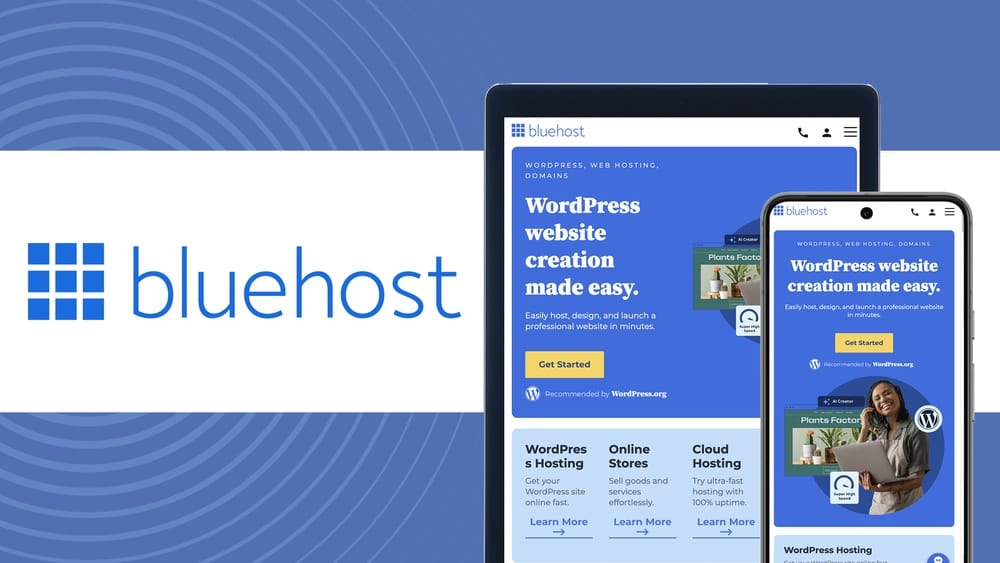
Bluehost is one of the most recognized names in the web hosting industry. It offers a range of hosting services suitable for small businesses. This makes it a popular choice for entrepreneurs and startups. Let's dive into why Bluehost stands out as a top choice for cloud hosting.
Overview
Bluehost provides robust cloud hosting services with high reliability. They offer scalable resources and exceptional uptime. Their user-friendly control panel is easy to navigate, even for beginners. This ensures that managing your website is straightforward and stress-free.
For more details about their plans and features, visit the official Bluehost website. Their cloud hosting packages include automatic scaling, free SSL certificates, and a dedicated IP address.
Pros And Cons
| Pros | Cons |
|---|---|
| – 99.99% uptime ensures your site is always available. | – Higher renewal rates after the initial term. |
| – Offers 24/7 customer support via chat, phone, and email. | – Additional costs for some advanced features. |
| – Comes with a free domain for the first year. | |
| – Easy-to-use control panel for managing hosting features. |
Best Use Cases
Bluehost is ideal for small businesses that need reliable hosting. Here are some specific scenarios:
- eCommerce websites : The platform supports secure transactions and online stores.
- Blogs : Easy integration with WordPress makes it perfect for bloggers.
- Portfolios : Creative professionals can showcase their work effectively.
- Business websites : Offers tools to help you build a professional online presence.
With its user-friendly interface and powerful features, Bluehost is a solid choice for small businesses.
If you plan to use a page builder to customize your site, Bluehost’s managed WordPress environment works well with drag‑and‑drop tools. The automatic updates and built‑in caching can also improve site speed without manual tuning.
For small businesses just starting out, Bluehost’s bundled domain and free SSL make it a convenient one-stop shop. To keep costs predictable, lock in a multi-year plan during your initial sign-up — the renewal premium is worth noting, but the introductory price is hard to beat.
Bluehost’s control panel for managing small business cloud hosting

Bluehost’s control panel for managing small business cloud hosting
Credit: www.bluehost.com
Cloud Hosting Comparison Table
To help you evaluate the five providers side by side, here is a quick comparison of key factors small businesses care about:
| Provider | Starting Price (approx.) | Free Tier | Uptime SLA | Managed WP | Best For |
|---|---|---|---|---|---|
| AWS | Pay-as-you-go | Yes (12 months) | 99.99% | No | Maximum flexibility and scale |
| GCP | Pay-as-you-go | Yes ($300 credit) | 99.95% | No | Data analytics & ML |
| Azure | Pay-as-you-go | Yes (12 months) | 99.95% | No | Microsoft ecosystem integration |
| DigitalOcean | $6/month | No | 99.99% | No | Developers & simple projects |
| Bluehost | $9.99/month | No | 99.99% | Yes | WordPress beginners |
Prices are approximate as of 2026 and may vary based on region and resource usage. Always check the provider’s latest pricing page before committing.
Migration Tips for Small Businesses
Moving from shared hosting or an on‑premises server to the cloud doesn’t have to be stressful. Here are a few practical guidelines based on common experiences:
- Start with a staging environment. Most providers allow you to spin up a temporary copy of your site. Test your theme, plugins, and database queries there before pointing your domain to the new server.
- Use provider-specific migration tools. AWS has the Migration Hub, Azure offers Azure Migrate, and many hosts provide free automated plugins for WordPress. If you’re moving to DigitalOcean or Bluehost, their support teams can often help for a small fee.
- Check for IP reputation. If you send emails from your server, verify that your new IP isn’t on a blacklist. Some cloud providers let you request a clean IP.
- Plan for DNS propagation. Update your DNS records during a low‑traffic period and keep your old host running for at least 48 hours so that visitors are not interrupted.
For a deeper look at the migration process, see our detailed inmotion hosting review — that guide covers common pitfalls and step‑by‑step transfer instructions.
Choosing The Right Provider
Choosing the right cloud hosting provider is crucial for small businesses. The right provider ensures reliability, security, and scalability. Below, we will cover three key areas to help you make an informed decision.
Assessing Your Needs
Begin by understanding your business needs. Consider the following:
- Traffic : Estimate the amount of traffic your website will handle.
- Storage : Determine how much storage you need for files and databases.
- Scalability : Ensure the provider offers easy scaling options.
Knowing these needs helps you narrow down your choices.
Comparing Features
Not all providers offer the same features. Compare the following:
| Feature | Provider A | Provider B |
|---|---|---|
| Uptime | 99.9% | 99.95% |
| Support | 24/7 | Business hours |
| Cost | $15/month | $12/month |
Uptime and support are critical. Compare cost to find the best value.
Making The Decision
After assessing your needs and comparing features, it's time to decide. Consider:
- Budget : Choose a provider that fits your budget.
- Reviews : Read reviews from other small businesses.
- Trial Period : Take advantage of free trials to test the service.
Making an informed decision ensures your business is in good hands.
Before you finalize, think about which additional tools you’ll need — such as designing custom layouts or growing your online presence through targeted marketing efforts. A hosting platform that integrates well with your existing workflow will save you time and headaches down the road.
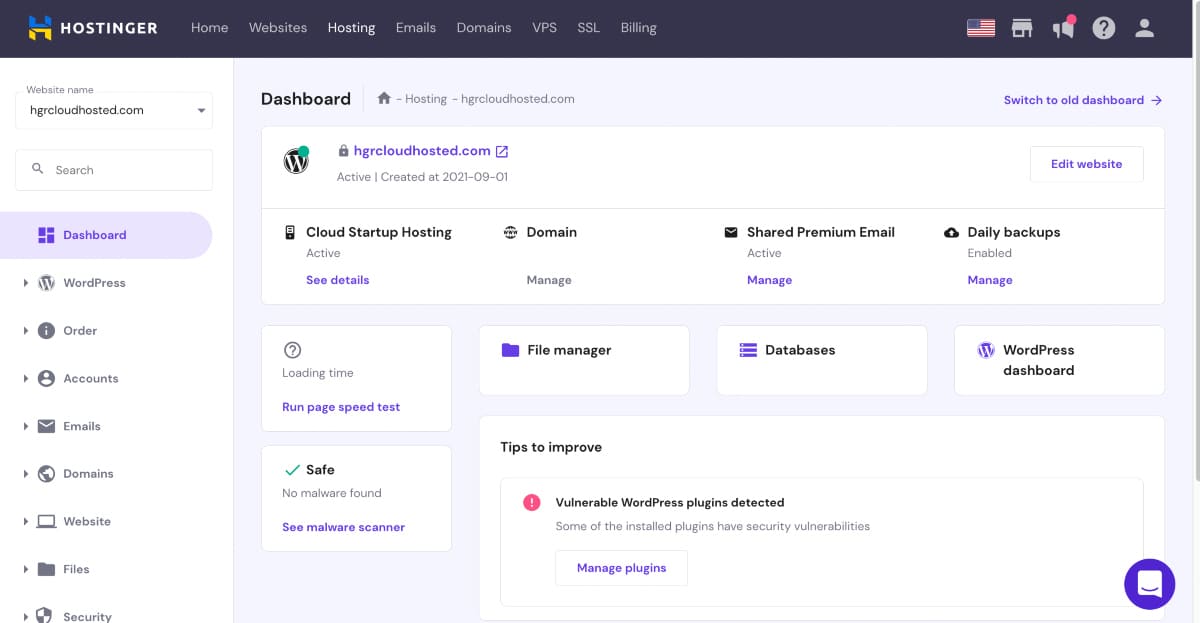
Ready to move forward? Pick the provider that matches your needs and start your free trial now — seeing the dashboard first-hand is the best way to confirm it’s the right fit.
https://www.youtube.com/watch?v=nYNQNsi7kCA
Frequently Asked Questions
What Is Cloud Hosting For Small Business?
Cloud hosting uses virtual servers to host websites and applications. It's ideal for small businesses needing scalable, flexible, and cost-effective solutions.
Why Choose Cloud Hosting Over Traditional Hosting?
Cloud hosting offers better scalability, reliability, and performance. It allows small businesses to handle traffic spikes and reduces downtime.
How Does Cloud Hosting Save Money?
Cloud hosting uses a pay-as-you-go model. Small businesses only pay for the resources they use, reducing costs.
Is Cloud Hosting Secure For Small Businesses?
Yes, cloud hosting is secure. Providers offer advanced security features like encryption, firewalls, and regular backups to protect data.
How Do I Migrate My Existing Website to Cloud Hosting?
Most providers offer migration tools or plugins. For WordPress sites, you can use a dedicated migration plugin or request manual assistance from the host’s support team. Always back up your site before moving, and test the new environment with a staging copy first.
What Level of Support Can I Expect?
It varies by provider and plan. Basic plans often include ticket or chat support during business hours, while premium plans offer 24/7 phone support. For mission‑critical sites, consider paying for priority support to resolve issues faster.
Which Cloud Hosting Is Best for E‑commerce?
For online stores handling transactions, look for providers with PCI DSS compliance, CDN integration, and auto‑scaling. Bluehost’s e‑commerce plans include dedicated IPs and SSL certificates, while AWS and GCP allow you to build a fully customised storefront. If you expect seasonal traffic spikes, auto‑scaling (available on AWS and GCP) can prevent checkout slowdowns.
How Do I Calculate My Monthly Cloud Costs?
Use each provider’s pricing calculator (AWS Calculator, GCP Pricing Calculator, Azure Pricing Calculator) before you deploy. Factor in storage, data transfer, and any managed services (databases, caching). A good rule of thumb is to add 20% to your estimate for unexpected usage.
Conclusion
Choosing the best cloud hosting for your small business is crucial. It impacts your performance, security, and growth. Consider your budget, needs, and support. Reliable hosting ensures smooth operations. Evaluate different options carefully. Read reviews and test customer support. Good cloud hosting can make a big difference.
So, invest wisely and enjoy better efficiency. Your business deserves the best. Take the next step and sign up for a free trial to experience the reliability of cloud hosting firsthand.

Similar Posts


















[…] small and large companies with flexible solutions. To learn more about cloud hosting options, visit best cloud hosting for small business. Embracing the cloud means simpler technology and greater convenience for […]
[…] to a paid plan. For a deeper dive into building a reliable tech stack, check out our guide on selecting robust hosting infrastructure that supports your email sending […]
[…] security across the board. That kind of efficiency is why many agencies pair this tool with a reliable hosting environment to further streamline […]
[…] to run an online business, securing a solid web presence is equally important; you might explore reliable cloud hosting for small businesses to get your site up quickly. And once your LLC is formed, effective email marketing tools for […]
[…] In practice, a blog that loads in under two seconds keeps visitors engaged and ranks higher in search results. According to Google's research on why website speed matters, a one-second delay can reduce conversions by up to 20%. For a new blogger, that lost engagement means fewer subscribers and slower growth. Even budget hosting can deliver acceptable speeds when paired with a content delivery network (CDN) and proper caching—features many low-cost providers now include. For more on this, see our guide on best cloud hosting for small business. […]