
Title: What Is a Lifetime Deal? Discover Smart Ways to Save Money for Life
Discover what is a lifetime deal is, how it works, and why paying once for lifetime access can save you money on tools and software forever!
It’s a special offer that lets you use a product or tool forever—without monthly fees—as long as it’s still available and working. Imagine getting a great tool at a discount, paying once, and never worrying about recurring charges again. Sounds like a smart way to save money, right? But there’s more to lifetime deals than just a one-time payment. They can shape how you use the product, how companies grow, and even how you get support over time. Whether you’re a buyer looking to get the best value or a business owner wondering if offering a lifetime deal makes sense, understanding the ins and outs is key. Ready to discover what makes lifetime deals so popular, how they work, and when they’re a win or a risk? Dive deeper and learn everything you need to know here: What is a Lifetime Deal?
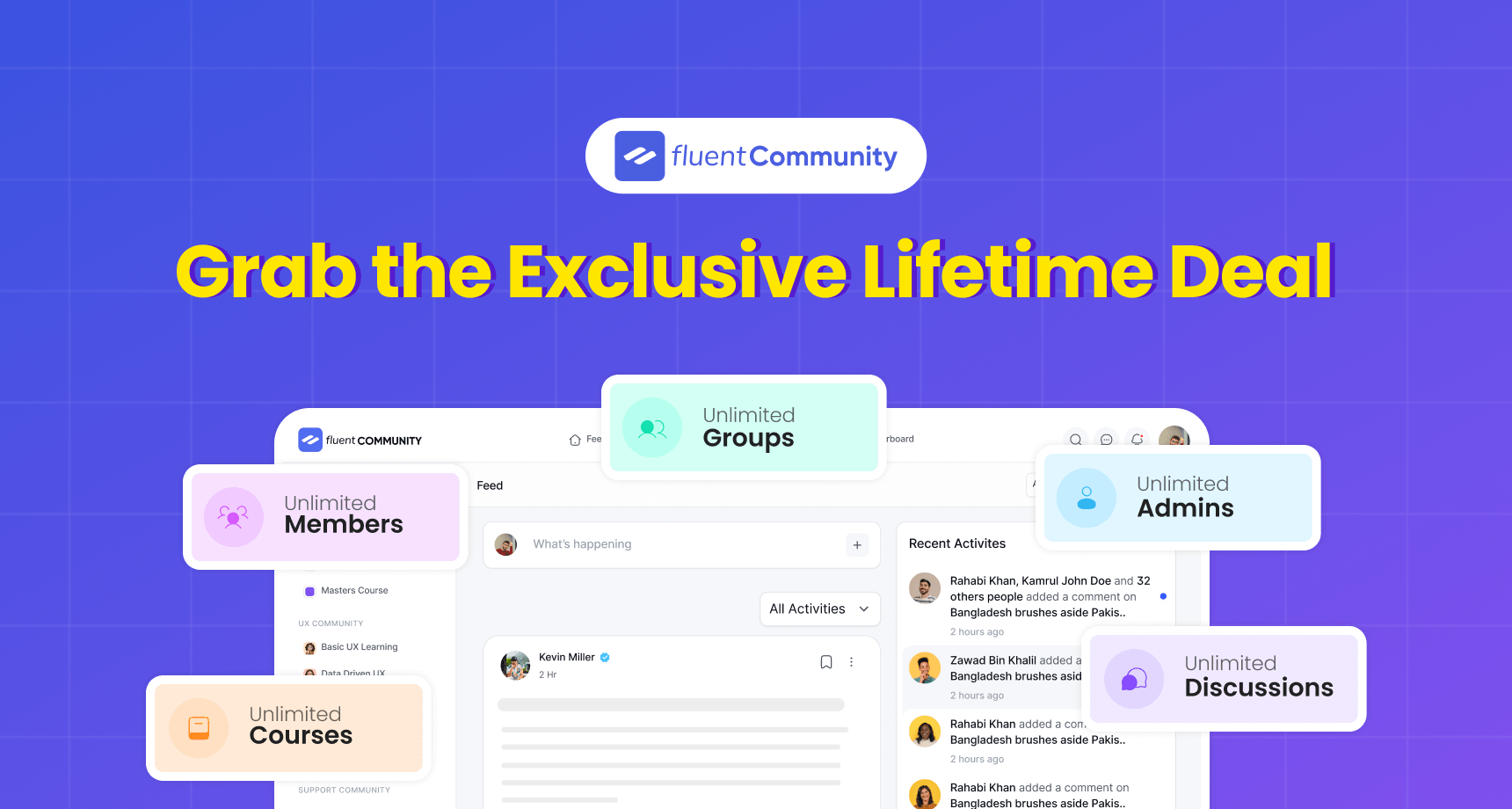
A single-payment checkout page found on a lifetime deal marketplace.
Credit: fluentcommunity.co
Lifetime Deals In 2026: What Has Changed
The lifetime deal marketplace has matured a lot. In 2026, most reputable platforms require vendors to state refunds, update policy, and the meaning of “lifetime” in plain language. Buyers are also savvier: they treat “lifetime” as “the product’s lifetime,” not their own, and they expect a clear renewal-free service. The practical upside is that the best deals are less risky than they used to be, but the caveat is that a great deal still requires reading the terms closely.
What Is A Lifetime Deal? An Overview
Lifetime deals offer customers unlimited access to a product or service for a single payment. This type of deal is common in the software industry, especially with SaaS (Software as a Service) products. Customers pay once and use the service for as long as it exists.
Businesses use lifetime deals to attract early users, test their products, and generate quick revenue. These deals often come at a discount compared to regular monthly subscriptions. Lifetime deals can build loyalty and reduce customer churn over time.
Definition And Origin Of The Term
The term lifetime deal refers to a one-time purchase granting permanent access to a product or service. It began in the digital and software sectors to encourage early adoption.
Unlike traditional subscriptions, lifetime deals remove the need for ongoing payments. The concept grew popular with online tools and apps offering special launch promotions.
General Usage Vs. Business Context
General usage of lifetime deals can apply to many products, like gym memberships or warranties. Usually, it means paying once for a service that lasts a long time.
In a business context , lifetime deals mostly relate to software products. Companies offer these deals to:
Build an initial user base
Get customer feedback
Improve cash flow quickly
This strategy helps companies gain traction and test market fit without committing to monthly billing.
Examples Of Lifetime Deals In Everyday Life
Lifetime deals appear beyond the software world. Some everyday examples include:
Example Description
Gym Membership Pay once for unlimited access to gym facilities for life.
Extended Warranties One-time fee covering product repairs or replacements indefinitely.
Software Lifetime Deals Single payment for continuous access to SaaS products or apps.
These deals benefit customers who want long-term use without recurring charges.
Key Features Of Lifetime Deals
Lifetime deals offer unique benefits that attract many users. They provide a simple way to access software without ongoing costs. These deals help users save money and enjoy long-term use of valuable tools.
One-time Payment For Indefinite Access
A lifetime deal requires a single payment . This payment grants indefinite access to the software or service. Users do not need to pay monthly or yearly fees. This feature makes lifetime deals very appealing for budget-conscious customers.
Elimination Of Recurring Subscription Fees
Recurring fees can add up over time. Lifetime deals remove these recurring subscription fees . Users pay once and avoid future charges. This feature simplifies budgeting and reduces financial stress.
Ownership And Long-term Value
With lifetime deals, users gain a sense of ownership . They keep access as long as the product exists. This creates long-term value beyond typical subscription limits. Customers benefit from continuous updates and support without extra cost.
Access To Premium Features Without Additional Costs
Lifetime deals often include premium features . Users get full access without paying extra. This means no hidden fees or upgrades later. Customers enjoy the complete product experience immediately.
In practice, the word “lifetime” is not always literal. Some deals promise access for the product’s lifetime; others define lifetime as a fixed number of years; and a few tie access to the vendor staying in business. The safest assumption is that lifetime means “as long as the product is supported.” Always look for the exact wording in the terms before paying.
How Lifetime Deals Benefit Consumers
Lifetime deals offer a unique value to consumers by providing long-term access to software products or services. These deals eliminate recurring fees, making them attractive for users who want to save money and avoid the hassle of monthly payments. Consumers gain more control over their spending and enjoy convenience through a one-time purchase.
Cost Savings Over Time Compared To Subscriptions
Lifetime deals help consumers save money over months or years. Instead of paying monthly or yearly fees, users pay once and use the product indefinitely. This can lead to significant cost savings , especially for expensive tools or software.
Payment Type Cost Over 3 Years Benefit
Monthly Subscription $15 x 36 = $540 Ongoing payments
Lifetime Deal $199 one-time One payment, unlimited use
Paying once with a lifetime deal saves hundreds of dollars compared to subscriptions.
Convenience Of A Single Purchase
A single payment simplifies the buying process. Consumers avoid subscription renewals and the need to update payment details regularly. This convenience reduces stress and the chance of service interruptions.
No monthly or yearly billing
One-time setup
Access for as long as the product exists
Reduced Financial Uncertainty And Budgeting Ease
Lifetime deals provide clear costs upfront. Consumers know exactly what they pay, making budgeting easier and more predictable. There is no risk of price increases or surprise charges in the future.
Fixed one-time cost
No hidden fees
Stable financial planning
Ideal For Long-term Users And Businesses
Users planning to keep the product for years benefit most. Businesses with ongoing needs enjoy consistent access without worrying about monthly fees. Lifetime deals support long-term growth and reduce churn risks.
Best for steady, frequent users
Supports business budgeting
Encourages product loyalty
A useful habit is to compare a lifetime price against what you already spend in that same software category. If a tool has cost you $15 per month for two years, the next 12 months will cost another $180. A lifetime deal under that amount can pay for itself quickly — provided the product still fits how you work.
What Does “Lifetime” Actually Mean? Terms To Check
Not all lifetime deals treat “lifetime” the same way. Before you buy, check the offer page and the terms of service for a few exact phrases.
- Lifetime access usually means the product remains available for as long as the company keeps it running.
- Lifetime license may mean you own a software license for the current major version, but major upgrades could be sold separately.
- Lifetime updates usually includes new features and fixes during the lifetime of the product, but it can exclude future “generations” or AI credits.
- Lifetime support can be limited to a shorter period or a lower-priority queue than regular subscribers receive.
A common mistake is assuming a lifetime deal includes every future product the company makes. In practice, most lifetime deals cover one product or product tier only. If the deal includes credits, such as AI credits or email sends, check how many you get per month and whether unused credits roll over.
Pricing And Affordability Of Lifetime Deals
Lifetime deals offer a unique pricing structure that attracts many users. Instead of paying monthly or yearly fees, customers pay once for indefinite access to software or tools. This single payment model can make lifetime deals more affordable and appealing, especially for those who plan to use the product long term.
Understanding the pricing and affordability of lifetime deals helps decide if they fit your budget and needs. Below are key points that explain typical prices, what affects these prices, and how they compare to subscription models.
Typical Price Ranges And Variations
Lifetime deals usually range from $50 to $500 , depending on the product’s complexity and features. Simple tools may cost under $100, while advanced software with many features can reach several hundred dollars.
Product Type Typical Price Range Example
Basic SaaS tools $50 – $100 Simple task managers
Intermediate software $100 – $250 Marketing platforms
Advanced tools $250 – $500+ All-in-one business suites
Prices may vary based on offer timing and included features. Early bird deals often come with lower prices.
Factors Influencing Lifetime Deal Pricing
Product development stage: New products usually have lower prices to attract users.
Feature set: More features often mean higher prices.
Market demand: Popular products may charge more.
Competition: More competitors can push prices down.
Customer base size: Smaller audiences might get better deals to grow quickly.
Companies use lifetime deals as a strategy to get feedback and build loyal users. Pricing reflects this balance between value and growth goals.
Comparison With Subscription Models
Subscription models require monthly or yearly payments. Lifetime deals ask for one payment only. Both have pros and cons:
Aspect Lifetime Deal Subscription Model
Payment Frequency One-time Monthly or yearly
Long-term Cost Usually lower if used for years Can add up to more over time
Access Indefinite access Access only while paying
Updates & Support May vary; some limited Usually included
Lifetime deals can save money long-term but may lack ongoing support. Subscriptions offer steady updates but cost more over time.
Assessing The True Value: When To Invest
Consider these points before buying a lifetime deal:
Usage duration: Plan to use the product for years.
Product reliability: Company should be stable and active.
Feature needs: Confirm features meet your needs now and future.
Support and updates: Check if these are included or limited.
Price comparison: Compare total subscription costs versus deal price.
Invest in lifetime deals if you want long-term savings and trust the product’s future.
How To Calculate The Real Value Of A Lifetime Deal
A lifetime deal is only worth it if you actually use the product. Start with a simple break-even comparison: estimate how long you expect to use the tool, multiply your current subscription price by that number of months, and compare the total with the one-time deal price.
For example, if a tool costs $20 per month and you expect to use it for three years, the subscription would cost $720. A lifetime deal priced at $199 saves you more than $500 before counting optional upgrades. If another lifetime deal costs $149 but only covers one year of updates, your value depends on whether the product still works when updates stop.
For businesses, this calculation should also include setup time, training, and any paid add-on features you know you will need. In the United States, a one-time software purchase can sometimes be deducted as a business expense, so it is worth checking IRS business expense guidance for current rules before your next tax filing. The point is not to guess whether the deal is cheap — it is to compare the deal against what you would actually pay for the same result over the same period. Start by listing the current subscriptions you use every week and compare that total against the one-time price — then decide with real numbers, not hype.
Pros And Cons Of Lifetime Deals Based On Real-world Usage
Lifetime deals offer unique benefits and challenges. These deals give users permanent access to software for a single payment. Real-world use shows clear advantages but also some risks. Understanding these helps buyers decide wisely.
Advantages: Savings, Ownership, And Convenience
Lifetime deals save money by avoiding monthly or yearly fees. Users pay once and use the product indefinitely. This ownership model appeals to budget-conscious buyers.
Cost-effective: Pay once, no recurring payments.
Convenience: No need to renew subscriptions or remember payments.
Permanent access: Use the product anytime without extra charges.
Early adopters often get full product features at a lower price. Lifetime deals also build trust, encouraging users to stay loyal.
Potential Drawbacks: Limited Updates And Support
Some lifetime deals may come with restricted updates or customer support. After theinitial purchase, vendors might limit new features or fix bugs less often.
Updates may stop after a certain period.
Customer support could be slower or unavailable.
New features may require extra payment.
Users must check what level of support and updates the deal covers before buying.
Risks Of Vendor Shutdown Or Product Discontinuation
Lifetime deals depend on the vendor’s continued operation. If the company shuts down or stops the product, users lose access or support.
Product might become unusable if servers go offline.
No refunds if the vendor discontinues the software.
Important data or features could be lost.
Evaluating vendor stability helps reduce this risk.
Evaluating The Longevity And Reliability Of Offers
Before buying a lifetime deal, assess the product’s future. Check the vendor’s reputation and financial health. Consider how long the software has existed and user reviews.
Factor What to Check Why It Matters
Vendor Reputation Look for positive feedback and years in business Shows reliability and trustworthiness
Product Updates Frequency and quality of updates Ensures product stays functional and secure
Support Availability Access to timely help and resources Important for resolving issues quickly
Community Size Active user base and forums Offers shared knowledge and problem-solving
Careful evaluation helps pick lifetime deals that last long and deliver value.

A comparison chart showing lifetime deal savings versus subscription costs.
Credit: primeclub.co
Who Should Consider Purchasing A Lifetime Deal?
Lifetime deals offer a unique opportunity to access software or services for a one-time fee. These deals are attractive to certain groups who want long-term access without recurring costs. Understanding who benefits most helps make smart buying decisions.
Ideal Users: Freelancers, Entrepreneurs, And Small Businesses
Freelancers often work with limited budgets. A lifetime deal helps them access essential tools without monthly fees. This saves money and reduces financial stress.
Entrepreneurs
Small businesses benefit by locking in software costs. This allows better budgeting and avoids surprise price increases.
Access to tools with one payment
Reduce monthly software expenses
Use software for as long as needed
Ideal for limited budgets and startups
Best Scenarios For Lifetime Deal Utilization
Lifetime deals work best when:
Testing new software before full commitment
Needing a tool for long-term projects
Budgeting for fixed software costs
Seeking early access to new products
Scenario Why Lifetime Deal Works
Startup phase Lower cost, early user feedback, product growth
Long-term projects One payment, no recurring fees, continuous access
Limited budgets Cost-effective, fixed expense, less financial risk
When To Avoid Lifetime Deals
Lifetime deals may not suit everyone. Avoid if:
The product is unstable or lacks updates
You need features that may change or grow
The company offering the deal is new or unknown
Software requires ongoing support you may not get
Careful research is key before committing to lifetime access.
Tips For Making Informed Lifetime Deal Decisions
Follow these steps to choose wisely:
Research the product and company history.
Check user reviews and community feedback.
Understand limitations and included features.
Consider long-term needs for the software.
Evaluate support and update policies.
Think about how you will use the product over time. Avoid deals that seem too good to be true without proof.
A practical tip is to search for independent reviews of the lifetime deal you are considering. Look for real users who have owned the product for at least six months — they will tell you whether updates actually arrived and whether support responded. If you cannot find anyone who has used the product that long, treat the deal as a riskier bet. The same principle applies to tools like email marketing platforms where reliability matters. A one-time purchase is only valuable if the product keeps working for your real workflows.
Unlock Amazing Savings Today: How To Find And Secure The Best Lifetime Deals
Lifetime deals offer a unique chance to pay once and use software indefinitely. These deals often come at a big discount compared to monthly subscriptions. Many customers enjoy huge savings by securing these offers early. Finding the right lifetime deal needs some knowledge and timing.
To get the best value, customers must know where to look and how to act fast. This guide explains trusted platforms, the best timing, negotiation tips, and how to stay updated on new offers. The goal is to help you save money and enjoy tools without recurring fees.
Trusted Platforms And Marketplaces For Lifetime Deals
Several reliable websites specialize in lifetime deals. These platforms vet products before listing them, ensuring quality and legitimacy.
AppSumo: A popular marketplace with a wide range of SaaS lifetime deals.
PitchGround: Focuses on tech tools and software with verified offers.
Dealify: Known for marketing and growth tool deals.
RocketHub Lifetime Deals: Offers exclusive and curated lifetime deals with good support (RocketHub Lifetime Deals).
Check multiple platforms to compare prices and find the best option. Trust platforms that provide user reviews and clear refund policies.
Timing Your Purchase For Maximum Benefit
Timing affects the savings and availability of lifetime deals. Companies often launch deals:
When the product is new to attract early users.
During special sales events or holidays.
When the company needs quick cash flow.
Watch for limited-time offers that may disappear quickly. Early adopters usually get the best prices and bonuses.
Set alerts on deal sites or newsletters to catch offers as soon as they launch. Acting fast ensures you don’t miss out.
Negotiation And Trial Periods
Some lifetime deals allow negotiation or include trial periods.
Negotiation: Reach out to sellers for custom offers if buying multiple licenses or bundles.
Trial Periods: Use free trials to test features before committing to a lifetime purchase.
Always read the terms carefully to understand refund policies and product updates. Trials reduce risk and help confirm the product fits your needs.
Staying Updated On New And Exclusive Offers
New lifetime deals appear frequently. Staying informed is key to grabbing the best offers.
Subscribe to newsletters from trusted deal websites.
Follow social media channels of deal marketplaces.
Join online forums and communities focused on lifetime deals.
Use browser alerts or apps that notify about new deals.
Regular updates help you spot exclusive or early bird offers before others.
Before buying, check whether the lifetime deal includes cloud storage, API credits, or usage limits. Some deals cap certain features at a specific number of uses per month, even if you have purchased lifetime access. Understanding these limits early prevents frustration later. If you are looking at a tool for keeping your email-sending software affordable, check the monthly send limits carefully — some lifetime deals cap the number of emails you can send, while others charge extra for high-volume use. The best deals are the ones that match your actual usage pattern, not just the lowest price.
An athlete endorsement example showing a brand partnership lifetime arrangement.
Credit: boardroom.tv
Frequently Asked Questions
What Does A Lifetime Deal Mean?
A lifetime deal means a one-time payment grants unlimited, indefinite access to a product or service without recurring fees.
What Is The Nike Lifetime Deal?
The Nike lifetime deal is a one-time endorsement contract granting an athlete ongoing partnership benefits for life. It ensures continuous support and royalties without renewal.
How Much Is A Lifetime Nike Deal Worth?
A lifetime Nike deal is estimated to be worth tens of millions of dollars, depending on the athlete's fame and contract terms.
What Does Lifetime Purchase Mean?
A lifetime purchase means paying once to access a product or service forever. No recurring fees apply.
Does A Lifetime Deal Always Include All Future Updates?
Not always. Some lifetime deals include only bug fixes and security patches, while others include major new features. The exact terms are usually listed in the product description. If the terms are unclear, contact the vendor before buying.
Can I Transfer A Lifetime Deal To Someone Else?
It depends on the vendor. Some lifetime deals are tied to the original account and cannot be transferred. Others allow a one-time transfer or let you sell the license through a marketplace. Always check the transfer policy before purchasing if you think you might want to pass the license to a colleague later.
What Happens If The Company Gets Acquired?
When a company is acquired, the new owner usually honors existing lifetime licenses, but there is no guarantee. Some acquirers continue supporting the product, while others phase it out over time. Buying from a stable, well-funded company reduces this risk.
Conclusion
A lifetime deal offers unlimited access for a one-time fee. It helps companies attract early users and gain feedback. Customers enjoy savings compared to monthly subscriptions. Yet, it may limit long-term revenue growth for businesses. Support costs can be high without recurring income. Consider your goals before choosing this model. Learn more about lifetime deals and their benefits here. Understanding this option can guide smart decisions for software purchases.
If you are ready to start exploring current opportunities, look at the Subeasy AI lifetime deal for a practical example of a modern SaaS product offered under a one-time payment model. Getting started with a single deal is the best way to see how lifetime access works in practice.


2 thoughts on “What Is a Lifetime Deal? Discover Smart Ways to Save Money for Life”