WordPress Hosting Monthly: Affordable Plans for Every Budget
Founder & Lead SaaS Analyst at PCSaaS · Google Ads & Analytics Certified · SaaS Stack Architect · 500+ Software Tools Tested · 8+ years in B2B SaaS evaluation, AppSumo lifetime deal curation, performance marketing, and AI workflow automation
Title: WordPress Hosting Monthly: Affordable Plans for Every Budget
Choose flexible WordPress hosting monthly plans that fit your needs with excellent speed and uptime.
Choosing the right WordPress hosting can feel overwhelming. With various options available, it's important to find the best fit for your needs. Monthly hosting plans are popular for their flexibility and affordability. They allow you to manage your budget without long-term commitments.
This blog will explore the benefits of choosing a monthly WordPress hosting plan. We'll also discuss what to look for when selecting a provider. By the end, you'll have a clearer understanding of why monthly plans might be the perfect solution for your website. So, let's dive in and explore the world of WordPress hosting monthly options.
Introduction To WordPress Hosting
WordPress is a popular platform for building websites. It offers flexibility and ease of use. To get the best performance from your WordPress site, choose the right hosting. WordPress hosting is a service that caters specifically to WordPress websites. Let's explore why you should choose WordPress and the importance of good hosting.
Why Choose WordPress?
WordPress is user-friendly. Even beginners can create and manage a site. It offers numerous themes and plugins. This allows you to customize your site easily. It is also SEO-friendly. Search engines love WordPress sites. This can help improve your site's visibility. WordPress is also secure. Regular updates keep your site protected from threats. In practice, the platform powers over 40% of all websites globally, which means finding community support and third-party tools is almost effortless compared to niche CMS options. For official documentation and best practices, you can always refer to the WordPress project directly.
Importance Of Good Hosting
Good hosting ensures your site runs smoothly. It affects your site's speed and performance. Fast loading times improve user experience. This can lead to higher visitor retention. Good hosting also offers reliable uptime. This means your site is accessible to users most of the time. Security is another key factor. Good hosting providers offer strong security measures. This helps protect your site from attacks.
Customer support is essential. Good hosting providers offer 24/7 support. This can be a lifesaver if your site experiences issues. Finally, scalability matters. As your site grows, you need hosting that can handle increased traffic. Good hosting providers offer scalable solutions.
As of 2026, the baseline for good hosting has shifted — even budget monthly plans now include features like automatic Core Web Vitals optimization and server-level caching that were once reserved for premium tiers. When evaluating providers, pay special attention to PHP version support and the availability of a built-in content delivery network (CDN), as these directly affect both speed and SEO rankings.

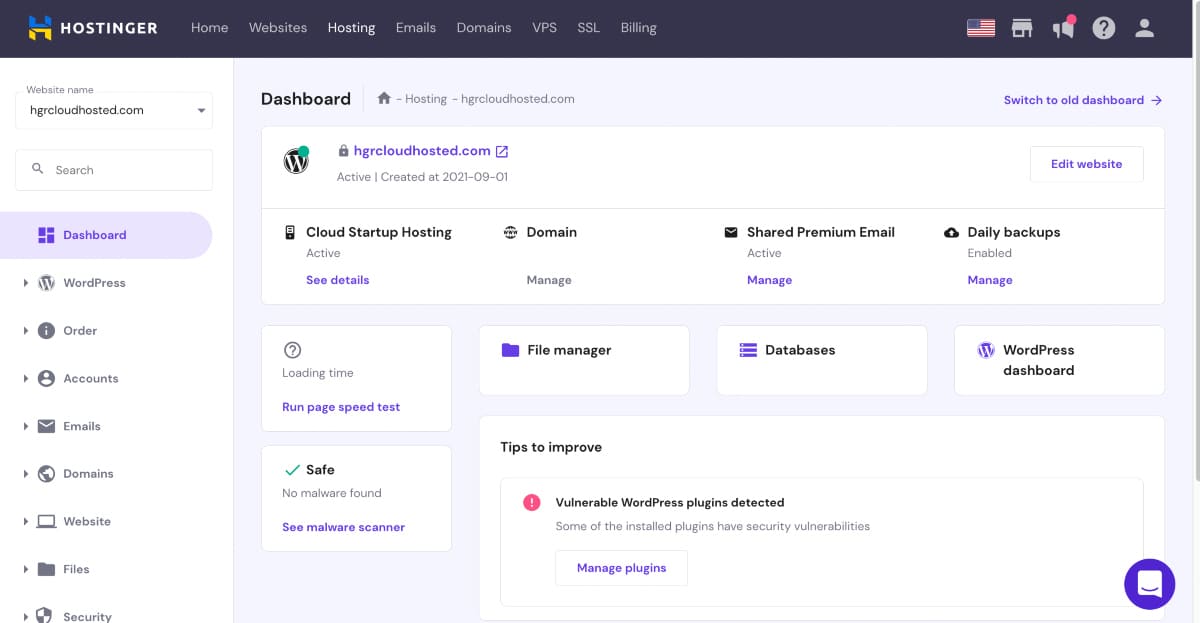
A direct comparison of features between shared hosting and managed WordPress hosting plans.
Budget-friendly Hosting Plans
Finding a cost-effective WordPress hosting plan can be challenging. Many providers claim to offer the best rates but often fall short in features. This guide will help you explore budget-friendly hosting plans that do not compromise on quality.
Top Affordable Options
Several hosting providers offer competitive prices. Bluehost is a popular choice with plans starting as low as $2.95 per month. HostGator offers plans starting at $2.75 per month. SiteGround, known for its excellent support, provides plans starting at $3.99 per month.
These providers offer affordable options without skimping on essential features. They also have good customer reviews. This ensures reliability and performance for your WordPress site. When evaluating these providers, it's worth browsing community forums and recent user testimonials to see which host has maintained consistent performance over the past year — a common mistake is picking solely on price without checking recent speed benchmarks.
A practical way to narrow your list is to look at the provider's track record with budget-friendly options for your blog — the same features that help bloggers often benefit any small site. For instance, free SSL, daily backups, and easy WordPress installation are non-negotiable, but also check if the plan includes a staging environment so you can test changes before going live.
Features To Expect
Budget-friendly plans do not mean fewer features. Most affordable plans include free SSL certificates, which are essential for site security. You can also expect one-click WordPress installations. This makes setting up your site easy.
Free domain registration for the first year is another common feature. This can save you money. Many providers also offer 24/7 customer support. This ensures help is available when you need it.
Other useful features include daily backups, which protect your data. Some plans even offer free site migrations. This is helpful if you are moving your site from another host. Additionally, look for built-in caching tools and a content delivery network (CDN) — these directly impact load times and are often included at no extra cost on the cheapest tiers.
A less obvious but equally important feature is support for the latest PHP version. Running WordPress on PHP 8.x can improve performance by up to 30% compared to older versions. Most budget monthly hosts now default to PHP 8.x, but it is worth confirming before you sign up, especially if you plan to use resource-heavy plugins like page builders or ecommerce modules.
Monthly Vs. Annual Plans
Choosing between monthly and annual plans for WordPress hosting can be challenging. Each option has unique benefits and drawbacks. Understanding these can help make an informed decision.
Pros And Cons Of Monthly Plans
Monthly plans offer flexibility and lower upfront costs. This can be ideal for those just starting or testing a new website. Here are some key points:
Pros: No long-term commitment
Easy to switch providers
Lower initial cost
Cons: Higher monthly cost
Possible price increases
Less discount compared to annual plans
Another practical advantage of monthly billing is the ability to test a host's support quality without risk. If you experience slow response times or unresolved issues during the first month, you can move to another provider immediately. For businesses that rely on email campaigns, pairing your hosting with a reliable email automation platform during the trial period can help you assess overall stack compatibility before committing.
Comparing Costs
When comparing costs, monthly plans generally have higher per-month fees. However, they avoid a large upfront payment. Here is a quick comparison:
Plan Type Monthly Cost Annual Cost
Monthly Plan $10 per month $120 per year
Annual Plan $8 per month $96 per year
Annual plans usually come with discounts. This makes them more economical over time. Consider your budget and needs before deciding.
Bear in mind that many hosts lock introductory rates for the first term only. A monthly plan at $10 may renew at $15, while an annual plan at $96 may renew at $120. Always check the renewal price displayed in the checkout flow — it is often buried in the terms and conditions. If you anticipate needing support for multiple sites, a monthly plan gives you the freedom to consolidate or split resources as your portfolio changes.
When Monthly Makes More Sense
Despite the higher per-month rate, monthly billing is the smarter choice in several scenarios. If you are building a temporary campaign site, testing a new niche, or waiting for a provider's seasonal sale, month-to-month billing avoids being locked into a plan that no longer fits. Many developers and freelancers also prefer monthly plans when managing multiple client sites, since they can pause or reassign resources without penalty. For bloggers launching a side project on a tight budget, the lower upfront cost of monthly billing leaves cash available for other essentials like premium themes or an email marketing tool.
Key Features Of Affordable Plans
Choosing a reliable WordPress hosting plan is crucial. You want a plan that ensures security, performance, and speed, all while being affordable. Here, we explore the essential features you should look for in affordable WordPress hosting plans.
Security Measures
Security is a top priority for any website. Affordable WordPress hosting plans should offer robust security features.
SSL Certificates: Ensure data encryption between your website and visitors.
Firewall Protection: Shields your site from malicious attacks.
Automatic Backups: Regular backups help you recover your site easily.
These measures protect your website from potential threats. They also provide peace of mind knowing your data is secure. By 2026, most reputable hosts also include malware scanning and removal as a standard feature — verify that your chosen plan includes proactive threat monitoring rather than just reactive cleanup.
A common oversight is neglecting to check the provider's approach to DDoS mitigation. Even on budget plans, look for a web application firewall (WAF) that filters out malicious traffic before it reaches your site. Some hosts offer this only as a paid add-on, while others bake it into their entry-level monthly packages.
Performance And Speed
Performance and speed are critical for user experience and SEO. Affordable WordPress hosting plans should include these features to optimize your site's performance:
Feature Description
SSD Storage Faster data access compared to traditional HDDs.
CDN Integration Distributes content globally, reducing load times.
Caching Stores static versions of your site, speeding up load times.
These features ensure that your site runs smoothly and quickly, improving the overall user experience. A common oversight is ignoring the PHP version your host supports — running the latest stable PHP version (currently 8.x) can improve WordPress performance by up to 30% over older versions, and most budget hosts now support it.
In addition to PHP version, verify whether the plan includes server-level caching (such as Varnish or Redis) or relies solely on WordPress caching plugins. Server-level caching is more efficient and can make a noticeable difference on high-traffic days. If you run an online store, consider choosing a plan that also offers reliable hosting for your business with built-in performance monitoring tools.
https://www.youtube.com/watch?v=HKJCZd4ceM8
Customer Support And Reliability
Customer support and reliability are crucial for any WordPress hosting service. Reliable hosting ensures your site runs smoothly. Excellent support helps solve issues quickly. This combination is essential for a successful online presence.
24/7 Support Options
WordPress hosting services offer 24/7 support. This means help is available anytime. Day or night, you can reach out. Support teams are ready to assist you. They can answer questions and solve problems. This level of support reduces stress. It ensures your site stays up and running.
When testing a provider's support before committing, try reaching out via live chat during non-peak hours — 3 AM in your time zone. A host that responds quickly at that hour likely has a well-staffed support team. Also note whether they offer phone support; some budget monthly plans restrict phone support to higher tiers. If phone support is critical for your workflow, confirm it is included in the monthly plan you are evaluating.
Uptime Guarantees
Uptime guarantees are a promise from the host. They ensure your site remains accessible. Most hosts offer 99.9% uptime. This means minimal downtime for your site. Uptime guarantees build trust. They show that the host is reliable. Your site visitors will not face frequent issues.
Real-world uptime often differs from advertised numbers — look for third-party monitoring reports or independent review sites that track actual uptime over months rather than relying solely on the host's marketing.
A good host will also have a transparent status page where you can see historical uptime and any ongoing incidents. Before signing up, check if the provider offers a service-level agreement (SLA) that credits your account if uptime falls below the promised threshold. This is more common with managed WordPress hosts, but some budget providers now offer it as well.
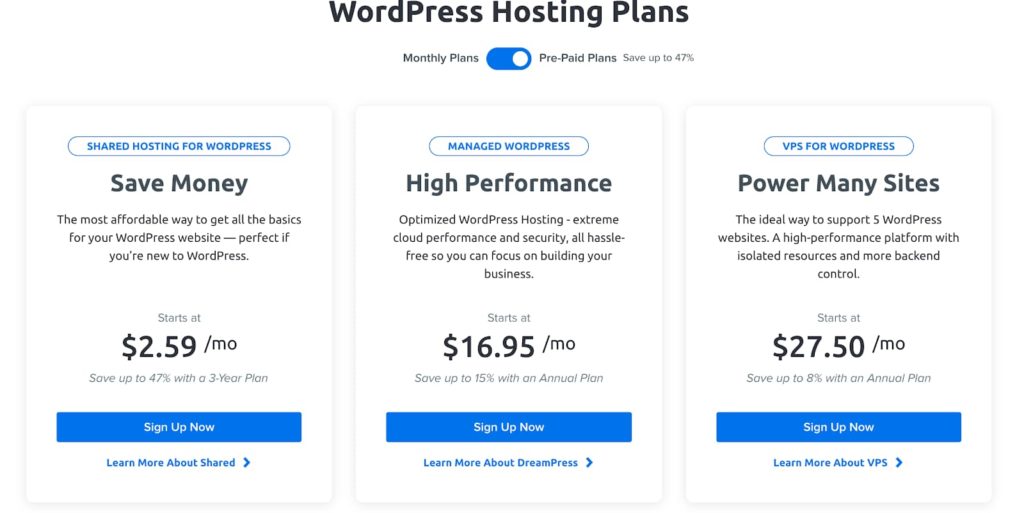
An example of WordPress hosting plan tiers from one major provider, illustrating how features scale with pricing.
A screenshot showing how storage limits, site count, and monthly cost increase across plan levels.
Scalability And Flexibility
WordPress hosting monthly plans are designed for growth. They offer the ability to scale your resources. This is crucial for growing websites. Flexibility in features allows for customized solutions. Let's dive into how you can benefit from these aspects.
Upgrading Your Plan
As your website grows, so does the need for resources. A good WordPress hosting plan allows easy upgrades. This means more storage, better speed, and enhanced performance. You can start with a basic plan. Then, upgrade to a more advanced one as your traffic increases. This ensures your site runs smoothly, even during high traffic periods. Most providers let you upgrade within minutes from your dashboard — no need to migrate between platforms when you outgrow your current tier.
Some providers also offer auto-scaling, where the server allocates additional resources temporarily during traffic spikes. This is especially useful for sites with unpredictable traffic, such as seasonal businesses or news blogs. When evaluating a monthly plan, ask whether upgrades are instantaneous or require a new billing cycle to take effect.
Customizing Features
Every website has unique needs. WordPress hosting plans offer customizable features. You can choose the tools that suit your site best. This includes themes, plugins, and security measures. Customization makes your site more efficient. It also enhances user experience. With the right features, your website can stand out and perform better. For instance, some hosts allow you to toggle between PHP versions, enable Redis caching, or assign dedicated IP addresses — options that were once reserved for premium plans but are now available on many monthly budget tiers.
Another form of customization is the ability to choose your data center location. If your audience is concentrated in a specific region, selecting a server near them can reduce latency. Not all budget monthly plans offer this choice, so check the provider's server locations before signing up. For ecommerce sites, pairing a customized hosting setup with a trusted ecommerce hosting solution can further optimize checkout speed and conversion rates.
User Reviews And Feedback
User reviews and feedback offer valuable insights into the quality of WordPress hosting services. They help potential users make informed decisions. Let's explore what users have to say about different providers.
Popular Providers
Provider Rating Comments
Bluehost 4.5/5 Reliable and user-friendly
SiteGround 4.7/5 Excellent support and fast servers
HostGator 4.2/5 Affordable but occasional downtime
Common Customer Experiences
Bluehost : Users appreciate the ease of use and reliability. Many note that the customer support is helpful and responsive.
SiteGround : Customers often praise the speed and performance. The support team receives high marks for their quick and effective solutions.
HostGator : Users like the affordable pricing. Some users mention occasional downtime but still find it a good value for the price.
Overall, user reviews and feedback provide a clear picture of what to expect from WordPress hosting providers. They highlight strengths and point out areas for improvement, helping you choose the best service for your needs.
Red Flags To Watch For In Reviews
When reading user feedback, pay attention to recurring complaints about hidden renewal fees — a budget-friendly monthly plan may jump significantly after the first billing cycle. Also note reports about migration difficulty, as some hosts charge for site transfers that competitors offer free. Reviews mentioning slow ticket response times (over 24 hours) from a provider with otherwise good chat support can indicate inconsistent service quality across channels.
Another red flag is a lack of recent positive reviews. If most reviews are older than six months, the provider may have changed ownership or degraded service. Cross-reference reviews on multiple platforms — a host that scores well on Trustpilot but poorly on Reddit or WordPress forums may be gaming its ratings. For a deeper dive into host-specific experiences, you can explore user feedback on this hosting platform for website performance and support.

Hosting provider banner highlighting performance and protection features.
Making The Right Choice
Choosing the right WordPress hosting monthly plan is essential. It ensures your website runs smoothly and efficiently. Make the best decision for your site's needs.
Choosing the right WordPress hosting plan can feel overwhelming. Many options exist. Each promises different benefits. Understanding your needs is crucial. It helps in making a sound decision.
Assessing Your Needs
Identify your website's purpose. Is it a blog? An online store? Or a portfolio? Knowing this helps narrow down choices.
Consider your audience size. A small blog needs less power. A busy online store needs more resources.
Check your budget. Monthly hosting plans vary in price. Find one that fits your budget.
Look at customer support. Good support can save headaches. Ensure 24/7 support is available.
Beyond these basics, consider the plugins and tools you plan to run. For example, an SEO plugin, caching plugin, and email marketing integration each consume server resources. If you intend to use a tool like Grammarly vs ProWritingAid for content editing, or connect your site to a lead management system, make sure the monthly plan's CPU and memory limits are sufficient. Many budget plans cap the number of PHP workers, which can slow down sites with multiple plugins active.
Final Tips For Selection
Research hosting providers. Read reviews and compare features.
Test their customer service. Contact them with questions. See how quickly they respond.
Ensure they offer backups. Data loss can be devastating. Regular backups are essential.
Check for scalability. Your website might grow. Ensure the plan can handle growth.
Consider security features. Protect your site from threats. Look for SSL certificates and firewalls.
By assessing your needs and following these tips, you can make an informed choice. Your website deserves reliable and efficient hosting.
Frequently Asked Questions
What Is WordPress Hosting Monthly Plan?
A WordPress hosting monthly plan offers flexible, month-to-month billing for hosting services. It is ideal for short-term projects or testing purposes.
How Much Does WordPress Hosting Cost Monthly?
Monthly WordPress hosting costs vary from $3 to $30. It depends on the provider, features, and performance levels.
Is Monthly WordPress Hosting Worth It?
Yes, monthly WordPress hosting is worth it for flexibility. It's great for short-term needs, budget management, and avoiding long-term commitments.
Can I Switch From Monthly To Annual WordPress Hosting?
Yes, you can switch from monthly to annual WordPress hosting at any time. Check your provider's policies for seamless transitions.
Do Monthly Hosting Plans Include A Free Domain Name?
Some providers include a free domain for the first year even on monthly billing, but this is less common than on annual plans. If you need a domain, check whether the monthly rate covers it or if you'll need to register separately.
Will My Site Load Slower On A Budget Monthly Plan?
Not necessarily. Many budget-friendly plans use the same underlying infrastructure as their premium tiers — the difference is often in resource limits (storage, bandwidth, number of sites). Choose a plan with SSD storage and a CDN, and your site will load quickly even on a monthly budget tier.
Can I Get A Refund If I Cancel My Monthly Plan?
Most hosts offer a 30-day money-back guarantee, but some prorate refunds only for unused time on annual plans. Monthly subscribers can typically cancel anytime without penalty, though the refund window may be shorter — always read the provider's refund policy before paying.
How Do I Migrate My Existing WordPress Site To A Monthly Hosting Plan?
Most budget providers include free automated migration plugins or a team that handles the move for you. If your host charges for migration, consider providers offering it free as part of their monthly plan — it can save both time and money. For detailed guidance, check a hosting platform for website migration steps.
Do I Need A Dedicated IP Address For My WordPress Site On A Monthly Plan?
Not usually. Most monthly plans use shared IP addresses, which work fine for standard blogs and small business sites. A dedicated IP is only necessary if you need an SSL certificate for a specific subdomain or if your site sends a high volume of transactional emails. If you later require a dedicated IP, check whether your host offers it as a monthly add-on without requiring a plan upgrade.
Can I Host Multiple Websites On A Single Monthly Plan?
It depends on the plan. Entry-level monthly plans often limit you to one website, while mid-tier plans allow three to five. If you manage several micro-sites or client projects, look for a monthly plan that explicitly lists the number of sites allowed. Some hosts also offer reseller-style monthly plans with unlimited sites, though these may come with stricter resource caps.
What Happens If My Traffic Spikes On A Monthly Budget Plan?
Most budget monthly plans include resource limits (CPU, RAM, I/O). If your traffic spikes beyond those limits, your site may slow down or even get temporarily suspended. To avoid surprises, choose a plan that offers burstable resources or allows you to upgrade quickly. Also, consider using a CDN to offload static assets — this reduces the load on your server and helps you stay within allocated resources.
How Often Should I Backup My Site On A Monthly Plan?
Even if your host provides daily backups, it is wise to create your own off-site backups before making major changes (plugin updates, theme edits, content overhauls). Many monthly plans include a one-click backup tool, but verify whether those backups are stored on the same server or on a separate, secure location. A good rule of thumb is to keep at least three recent backups — one daily, one weekly, and one monthly — in different locations.
Conclusion
Choosing the right WordPress hosting monthly plan is crucial. It impacts your site's speed, security, and reliability. Evaluate your needs carefully. Look for features that match your requirements. Also, consider customer support quality. A good hosting provider helps you manage technical issues.
Your website deserves the best foundation. Make an informed decision for optimal performance. Happy hosting!
Ready To Get Started?
Compare current deals from trusted providers offering flexible monthly WordPress hosting. Whether you're a blogger looking for budget-friendly options for your blog or an entrepreneur needing reliable hosting for your business, starting with a monthly plan gives you the freedom to scale without risk. Explore the best monthly hosting options available today and lock in a plan that grows with you.

Similar Posts