Website Hosting Comparisons: Find the Best Plan for Your Needs
Lead SaaS Analyst & Software Developer at PCSaaS · Software Developer (GitHub @Ratankarmakar) · Google Ads & Analytics Certified · 500+ SaaS Tools Tested · 8+ years in software engineering, B2B SaaS evaluation, AppSumo deal auditing, and performance marketing
Explore detailed website hosting comparisons to choose the perfect plan for your needs. Choosing the right website hosting can be challenging. Many options exist, each with unique features.
Comparing website hosting services helps you find the best fit for your needs. It saves time and ensures you get the best value for your money. Our guide breaks down various hosting options, highlighting key features and benefits. Whether you're a beginner or a seasoned pro, understanding these differences is crucial. For more on this, see our guide on best website hosting for bloggers.
From uptime guarantees to customer support, we cover it all. Dive in to make an informed decision and pick the best hosting service for your website.
Introduction To Website Hosting
Creating a website is a significant step for any business or individual. It is the foundation of your online presence. But where should you start? Understanding website hosting is essential. This section will introduce you to the basics of website hosting and its importance. For more on this, see our guide on hosting platform for website.
What Is Website Hosting?
Website hosting is a service that allows your website to be accessible on the internet. It involves storing your website's files on a server. When someone types your website's URL, the server delivers your site to their browser.
There are various types of hosting services available. These include shared hosting, VPS hosting, dedicated hosting, and cloud hosting. Each type offers different levels of performance, security, and control. For more on this, see our guide on cheap website domain and hosting.
Shared hosting is where multiple websites share the same server resources. It is cost-effective but may lead to slower performance. VPS hosting gives you more control with a virtual private server. It is more expensive but offers better performance. Dedicated hosting means you have an entire server to yourself. It is ideal for large websites with high traffic. Cloud hosting uses multiple servers to balance the load. It provides flexibility and reliability.
Importance Of Choosing The Right Plan
Choosing the right hosting plan is crucial for your website's success. The wrong plan can lead to poor performance, downtime, and security issues. Consider these factors when selecting a plan:
Website Traffic: Estimate the number of visitors your site will receive.
Speed and Performance: Ensure the server can handle your site's needs.
Security: Look for features like SSL certificates and backups.
Support: Reliable customer support is essential for resolving issues.
Cost: Find a plan that fits your budget without compromising quality.
To help you compare different hosting plans, consider creating a table like the one below:
Hosting Type Performance Security Cost
Shared Hosting Low Basic Low
VPS Hosting Medium High Medium
Dedicated Hosting High Very High High
Cloud Hosting High High Medium to High
By understanding these factors, you can choose the best hosting plan for your needs. Remember, investing in the right hosting can save you time and money in the long run. For more on this, see our guide on blog website hosting.
A practical way to compare plans is to list your top three must-haves before you look at prices. For example, a weekend hobby site might only need low cost and an SSL certificate, while a growing business site may need daily backups and a staging environment. Writing those needs down makes it easier to ignore features you will never use.
Managed vs Unmanaged Hosting
When comparing hosting options, one crucial distinction is between managed and unmanaged services. Managed hosting means the provider handles server maintenance, security patches, software updates, and backups for you. Unmanaged hosting gives you full control but requires you to perform these tasks yourself. For beginners or those who prefer focusing on content rather than server administration, managed hosting is the safer choice—especially if you're running a content management system like WordPress. On the other hand, developers and tech-savvy users often prefer unmanaged VPS or dedicated servers to customize every aspect. A common mistake is choosing unmanaged hosting solely to save money, only to later find that managing server security and updates is far more time-consuming than expected. If you're starting a personal blog or a small business site, opting for a managed plan that includes automatic updates and daily backups can save you countless headaches.
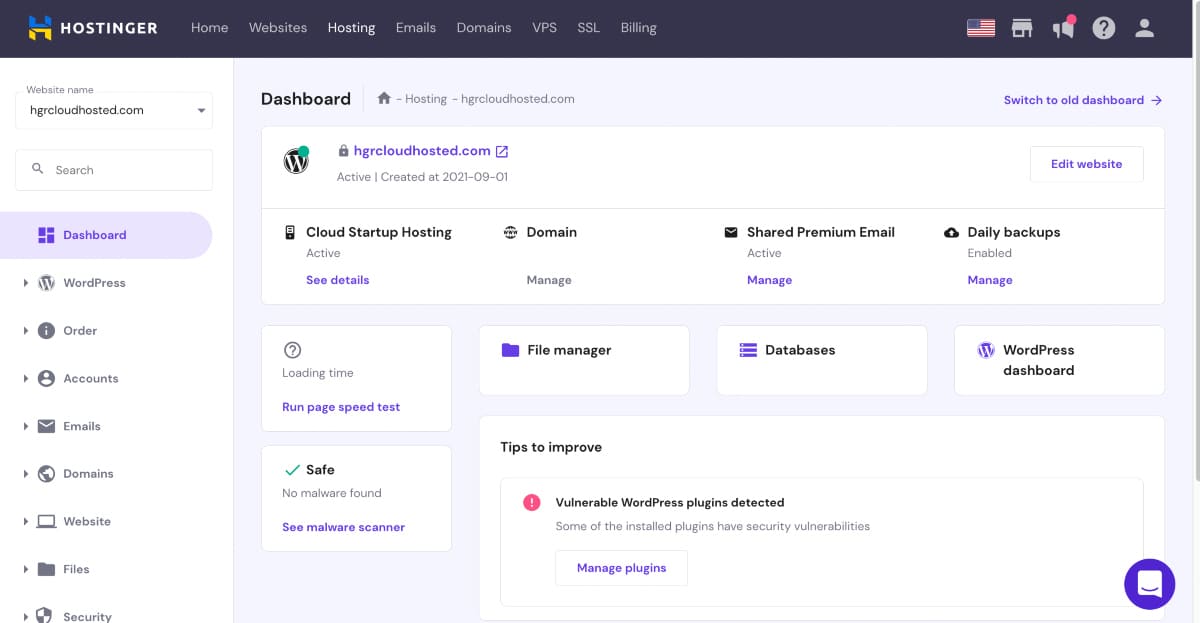
Credit: www.24hoursupport.com
Types Of Website Hosting
Choosing the right hosting is crucial for your website's success. There are several types of hosting, each with its benefits and limitations. Let's explore the most common types: Shared Hosting, VPS Hosting, Dedicated Hosting, and Cloud Hosting.
Shared Hosting
Shared hosting is the most affordable option. Your website shares server resources with other websites. This keeps costs low. But it can slow down your site if others use too many resources. It's ideal for small websites or beginners.
In practice, shared hosting works well for sites that receive fewer than a few thousand visitors per month, such as personal portfolios or small local business pages. A common limitation is that many shared plans throttle CPU usage—if you run a resource-heavy plugin or a sudden traffic spike occurs, your site may be temporarily suspended. For those just getting started with a low-traffic blog, shared hosting provides a low-risk entry point. If you're targeting budget-conscious bloggers, you can find affordable entry-level plans that still include a free SSL certificate and a one-click installer for platforms like WordPress.
Vps Hosting
VPS stands for Virtual Private Server. It offers more control and resources than shared hosting. Your site is hosted on a virtual server, giving you dedicated resources. It is a good choice for growing websites needing better performance.
VPS hosting is ideal when you outgrow shared hosting but aren't ready for a full dedicated server. The virtual environment guarantees a minimum amount of CPU and RAM, so a neighbor site's traffic spike won't drag yours down. Many providers now offer managed VPS plans, blending the control of a virtual server with the convenience of automatic updates. If you're running an e-commerce store or a membership site, VPS often provides the necessary stability without the premium price of dedicated hardware.
Dedicated Hosting
Dedicated hosting means your website has its own server. No sharing with others. This offers the best performance and security. It is suitable for large websites with high traffic. But it is more expensive than other options.
With dedicated hosting, you have complete root access, allowing you to configure the server environment exactly to your needs. This level of control is essential for applications that require specific software stacks or high compliance standards (such as handling sensitive customer data). While the cost is higher, many businesses find that the predictable performance and absence of noisy neighbors justify the investment. For enterprises expecting millions of monthly visits or needing to run resource-intensive databases, dedicated hosting remains a top choice.
Cloud Hosting
Cloud hosting uses multiple servers to host your site. It ensures better uptime and scalability. If one server fails, another takes over. This makes it reliable and flexible. It is perfect for websites with varying traffic levels.
Cloud hosting shines when your traffic fluctuates dramatically, such as during seasonal sales or viral content spikes. Because you pay for what you use (or can scale on demand), it can be more cost-effective than dedicated hosting for unpredictable loads. However, configuration can be more complex than traditional shared or VPS plans. Many providers now offer pre-configured cloud stacks with load balancing and auto-scaling, reducing the technical barrier. If you anticipate rapid growth or run a SaaS application, cloud hosting gives you the flexibility to expand without migrating servers.
Choosing Between The Main Hosting Types
Once you understand the four main hosting types, the next step is mapping them to your situation. A personal portfolio, a local business site, a fast-growing store, and a high-traffic media site all make different demands on the server.
| Website Type | Good Starting Point | Why |
|---|---|---|
| Portfolio or small blog | Shared hosting | Low cost and simple setup |
| Business site with moderate growth | Managed VPS or entry cloud | More resources without full server administration |
| E-commerce store | Cloud or VPS | Handles traffic spikes and scales during peak sales |
| High-traffic media site or app | Dedicated or enterprise cloud | Full resources and control |
A common mistake is buying the largest plan available “to be safe.” That wastes money on resources you may not use for years. Start with the smallest plan that meets your current needs, then upgrade when your traffic or server metrics show you are consistently using 70–80% of your allowance.
The right cloud choice also depends on your workload. A local business with steady traffic can often use a small-business cloud plan rather than paying for unused capacity. An online store with seasonal peaks should look for ecommerce cloud setups that include auto-scaling and a CDN.
In-depth Comparison of Select Providers
To help you make an informed decision, we'll take a closer look at six popular web hosting providers: Bluehost, SiteGround, DreamHost, A2 Hosting, Wix, and HostGator. We'll compare them across key factors such as cost, features, uptime, customer support, and user reviews.
Provider Shared Hosting Starting Price Key Features Uptime Guarantee Customer Support
Bluehost $2.95/month Free domain, unmetered bandwidth, WordPress integration, enhanced security 99.95% 24/7 phone, live chat, email
SiteGround $2.99/month Google Cloud Platform, exceptional support, free SSL, daily backups, CDN 99.99% 24/7 live chat, phone, email; award-winning service
DreamHost $2.59/month Unlimited bandwidth and storage, free WordPress migrations, affordable pricing 100% 24/7 support, one-touch resolution
A2 Hosting $2.99/month Fast loading speeds, optimized servers, green hosting initiative 99.9% 24/7/365 support, high customer satisfaction
Wix Free – $500/month AI website builder, website templates, SEO tools, marketing integrations 99.9% Comprehensive knowledge base and support resources
HostGator $3.75/month Unmetered bandwidth, free SSL, one-click installs, free domain for a year 99.9% 24/7 phone and chat support
Key Features To Consider
Choosing the right website hosting is crucial for your online presence. A good host can make your site fast, secure, and reliable. Here are some key features to consider when comparing hosting providers.
Bandwidth And Storage
Bandwidth and storage are essential for your website’s performance. Bandwidth determines how much data your site can transfer to users. If your site gets a lot of traffic, you need more bandwidth. Storage refers to the amount of space you have for your website files.
Unlimited Bandwidth: Ideal for high-traffic sites.
SSD Storage: Faster data access and better performance.
Scalability: Easily upgrade as your site grows.
Uptime And Reliability
Uptime is the time your website is accessible to users. A reliable host offers high uptime, ensuring your site is always available. Look for uptime guarantees from your hosting provider. Aim for at least 99.9% uptime.
Hosting Provider Uptime Guarantee
Provider A 99.9%
Provider B 99.8%
Customer Support
Good customer support can save you time and hassle. Look for hosts that offer 24/7 support. Check if they provide multiple support channels like chat, email, and phone.
24/7 Support: Help is available anytime.
Multiple Channels: Chat, email, and phone support.
Knowledge Base: Helpful articles and tutorials.
Security Features
Security features protect your website from threats. Ensure your host offers strong security measures. Look for features like SSL certificates, firewalls, and malware scanning.
SSL Certificates: Encrypts data for secure transactions.
Firewalls: Protects against unauthorized access.
Malware Scanning: Detects and removes malicious software.
Security is not a one-size-fits-all feature. Beyond the basics, consider whether the host provides DDoS mitigation, automatic backups with off-site storage, and a Web Application Firewall (WAF). Many industry standards, such as those outlined in the NIST Cybersecurity Framework, recommend layered defenses. A host that offers free automatic malware removal and daily backups can save you from costly recovery efforts. For e-commerce sites handling payment data, PCI compliance support is non-negotiable.
Performance Metrics to Evaluate
In addition to the features above, understanding the actual performance metrics of a hosting provider can prevent surprises after launch. The most important metrics include Time To First Byte (TTFB), page load time, and how the provider handles concurrent connections.
TTFB (Time To First Byte): Measures how quickly the server responds to a browser request. A TTFB under 200 ms is excellent; above 500 ms may indicate server overload or poor infrastructure. Shared hosting often has higher TTFB during peak hours.
Page Load Time: Affects user experience and SEO. Google’s documentation on PageSpeed Insights recommends a load time under 2.5 seconds. Providers with built-in caching, CDN integration, and SSD storage generally perform better.
Concurrent Connections: How many simultaneous visitors your server can handle without slowing down. VPS and dedicated hosting have dedicated resources, so they handle spikes more gracefully than shared hosting.
A honest trade-off: cheap shared hosting may advertise “unlimited” bandwidth, but if your site uses too many server resources, your account could be throttled or suspended. Always check the fine print on resource usage policies.
Data Center Location, CDNs, and Edge Caching
Server location affects latency. If your audience is mainly in Europe and your server is in North America, every request takes a slower round trip. Look for providers with data centers near your visitors, or use a CDN to cache static files at edge locations around the world.
In practice, many site owners focus only on CPU and RAM, then wonder why a “fast” server still feels slow. A CDN reduces the load on your origin server by serving images, CSS, and JavaScript from geographically closer locations. When comparing hosting plans, ask whether the advertised price includes CDN bandwidth or charges extra for it.
Before committing, confirm that the host supports current PHP versions and HTTP/2 or HTTP/3. Older hosting stacks can hold back even the best server hardware.
Price Comparison
Choosing the right website hosting plan can be overwhelming. One key factor is price. Understanding the cost differences will help you make a better decision.
Budget-friendly Options
For those with tight budgets, there are many affordable hosting plans. These plans offer essential features at low costs. Shared hosting is a popular budget-friendly option. It’s suitable for small websites or blogs. Many providers offer plans starting at just a few dollars per month. Some even include free domain names or SSL certificates.
When comparing budget options, be aware of renewal rates. Many hosts advertise an introductory price (e.g., $2.95/month) that jumps to $7–$10/month upon renewal. Look for plans that lock in the rate for the length of your contract, or consider alternative options like monthly billing (though often slightly higher). For budget-conscious bloggers, finding stable pricing from the start is more important than a low teaser rate.
Mid-range Plans
Mid-range hosting plans provide more features and better performance. They are ideal for growing websites or small businesses. These plans often include more storage and bandwidth. You might also get better customer support. Prices for mid-range plans usually range from $10 to $30 per month. Some providers offer managed hosting in this price range. This means they take care of technical tasks for you.
Mid-range plans often include performance enhancements such as dedicated IP addresses, staging environments, and advanced caching. If you’re expecting 10,000–50,000 monthly visits, a mid-range VPS or managed WordPress plan is usually the sweet spot. A common mistake is staying on a budget plan too long, which can lead to slow load times and frustrated visitors.
Premium Plans
Premium hosting plans are for high-traffic websites and large businesses. These plans offer top-notch performance and advanced features. You get dedicated resources and enhanced security. Premium plans often include dedicated hosting or VPS hosting. The price for premium plans starts around $50 per month. Some can go up to several hundred dollars. These plans ensure your website runs smoothly, even with heavy traffic.
For enterprises, premium plans may also include SLAs (Service Level Agreements) with financial guarantees for uptime, expert-level support, and dedicated account managers. If your site generates revenue directly from traffic, the investment in premium hosting is quickly justified by reduced downtime and faster load speeds.
Top Hosting Providers
Choosing the right web hosting provider is crucial for your website's success. The market offers numerous options. Each provider offers unique features. This section explores the top hosting providers. We aim to help you make an informed decision.
Hostgator
HostGator is a popular choice. They offer reliable uptime and excellent customer support. Their plans are affordable. HostGator provides a user-friendly control panel. They also offer a 45-day money-back guarantee. This makes it a risk-free option to try.
HostGator Hosting Plans and Features
Hosting Plan Description Storage Server Type Resource Limits
Shared Hosting Affordable hosting, suitable for beginners 10GB – 100GB SSD Linux Up to 25% use of server resources, 25 simultaneous processes
WordPress Hosting Optimized for WordPress websites 20GB – 100GB SSD Linux Up to 25% use of server resources, 25 simultaneous processes
VPS Hosting Dedicated resources on a shared server 120GB – 240GB SSD Linux Up to 100% use of container resources
Dedicated Hosting Full control over your server 1TB HDD or 512GB – 1TB SSD Linux 100% use of server resources
Bluehost
Bluehost is known for its strong performance. They offer a free domain for the first year. Their plans include free SSL certificates. Bluehost provides 24/7 customer support. They have a one-click WordPress install. This makes it easy for beginners to set up.
Bluehost Hosting Plans and Features
Hosting Plan Description CPU Cores RAM Storage Bandwidth
Basic For single websites with low to moderate traffic. Not specified. Not specified. 50 GB SSD Unmetered
Plus For multiple websites with moderate traffic. Not specified. Not specified. Unlimited SSD Unmetered
Choice Plus Offers enhanced privacy and security features. Not specified. Not specified. Unlimited SSD Unmetered
Pro Provides more speed and processing power for demanding websites. Optimized CPU resources Not specified. Unlimited SSD Unmetered
Online Store Designed for eCommerce businesses with features like unlimited products and secure online payments. Not specified. Not specified. 100 GB SSD Unmetered
Online Store + Marketplace Suitable for selling across multiple marketplaces with multi-channel inventory management. Not specified. Not specified. 100 GB SSD Unmetered
Cloud 1 Offers cloud hosting with scalability and high availability. 2 vCPU Not specified. 10 GB SSD Unrestricted
Cloud 10 Provides more resources and capacity for growing websites. 20 vCPU Not specified. 125 GB SSD Unrestricted
Cloud 25 Suitable for larger businesses with resource-intensive websites. 75 vCPU Not specified. 175 GB SSD Unrestricted
Cloud 50 Ideal for large businesses and agencies with high traffic and demanding requirements. 150 vCPU Not specified. 225 GB SSD Unrestricted
Standard NVMe 32 Entry-level dedicated hosting with ample resources for moderate traffic. 8 cores 32 GB DDR5 1000 GB NVMe Unmetered
Enhanced NVMe 64 Mid-tier dedicated hosting with increased resources for growing websites. 16 cores 64 GB DDR5 2000 GB NVMe Unmetered
Premium NVMe 128 High-end dedicated hosting with powerful resources for demanding applications. 32 cores 128 GB DDR5 3000 GB NVMe Unmetered
Siteground
SiteGround is renowned for its excellent customer service. They offer daily backups and free CDN. Their servers are fast and secure. SiteGround includes free email accounts. They also have a 30-day money-back guarantee. This ensures customer satisfaction.
Siteground Hosting Plans and Features
Hosting Plan Description Websites Web space Monthly visits Starting price Key features
StartUp Best for a single website. 1 10 GB SSD ~10,000 $2.99/month Essential features, managed WordPress, free CDN, email, SSL
GrowBig Best for multiple websites. Unlimited 20 GB SSD ~25,000 $6.69/month All StartUp features plus speed and performance boosters, on-demand backups, staging
GoGeek Best for demanding websites and agencies. Unlimited 40 GB SSD ~100,000 $10.69/month All GrowBig features plus highest tier of resources and support, pre-installed Git, white-label clients
A2 Hosting
A2 Hosting is known for its speed. They offer turbo servers for faster loading times. Their plans include free site migration. A2 Hosting provides 24/7 support via chat, phone, and email. They also offer an anytime money-back guarantee. This adds flexibility for users.
A2 Hosting Hosting Plans and Features
Hosting Plan Description Websites Storage Monthly visits Starting price Key features
STARTUP Great for a single website. 1 100 GB SSD Not specified. $2.99/month Free SSL, Perpetual Security, 99.9% uptime commitment, money-back guarantee
DRIVE More resources for multiple websites. Unlimited Unlimited SSD Not specified. $4.99/month All STARTUP features plus 2X resources
TURBO BOOST Optimized for speed and performance. Unlimited Unlimited NVMe Not specified. $6.99/month All DRIVE features plus Turbo servers, A2 Optimized software
TURBO MAX The fastest shared hosting plan with the most resources. Unlimited Unlimited NVMe Not specified. $12.99/month All TURBO BOOST features plus 4X more resources
Additional Hosting Considerations
Beyond the core features, two often-overlooked aspects can affect your long-term satisfaction: green hosting initiatives and domain privacy protection.
Green Hosting
Many hosting providers now power their data centers with renewable energy or purchase carbon offsets. If environmental impact is important to you, look for providers that publicly report their energy sources and sustainability certifications. A2 Hosting, for example, participates in a green hosting initiative. Choosing a host that prioritizes renewable energy can reduce your website’s carbon footprint without sacrificing performance.
Domain Privacy
When you register a domain, your personal contact information (name, address, phone) is published in the WHOIS database unless you purchase domain privacy protection. Many hosting plans include free domain privacy for the first term; after that, it may cost an additional fee per domain per year. For business websites or anyone concerned about spam and identity theft, always confirm that domain privacy is either included or offered at a reasonable cost.
Email Hosting And Marketing Deliverability
One of the most misunderstood parts of a hosting plan is email. Shared hosting plans typically include POP3/IMAP mailboxes and webmail access, which are fine for basic contact forms and personal messages. However, those mailboxes are not designed for bulk campaigns.
Your IP reputation affects email deliverability. If you send a large newsletter from a shared server and another site on that same server is flagged for spam, your inbox rates can suffer. To keep your domain healthy, separate operational email from marketing campaigns. Many teams rely on dedicated newsletter services for broadcasts while keeping lightweight mailboxes on their host.
If you plan to run automated welcome sequences or cart abandonment emails, a dedicated platform is worth the separate cost. And if you are already comparing providers, it helps to see how other newsletter providers handle deliverability, templates, and automation.
Pros And Cons Of Each Hosting Type
Choosing the right web hosting type can be challenging. Each option has its own strengths and weaknesses. This section explores the pros and cons of shared, VPS, dedicated, and cloud hosting. Understanding these will help you make an informed decision.
Shared Hosting Pros And Cons
Shared hosting is popular among beginners and small businesses. It offers affordable pricing. Users share server resources, which keeps costs low. This makes it budget-friendly.
Pros:
Low cost
Easy to set up
Basic support included
Cons:
Limited resources
Slower performance
Less control over server settings
Vps Hosting Pros And Cons
VPS hosting stands for Virtual Private Server hosting. It offers more control and resources. Users get dedicated portions of a physical server. This option suits growing websites.
Pros:
More control
Better performance
Scalable resources
Cons:
Higher cost than shared hosting
Requires technical knowledge
Limited scalability compared to cloud hosting
Dedicated Hosting Pros And Cons
Dedicated hosting means renting an entire server. This option offers maximum control and performance. It is ideal for large websites with high traffic.
Pros:
Full control over server
High performance
Enhanced security
Cons:
Expensive
Requires advanced technical skills
Higher maintenance
Cloud Hosting Pros And Cons
Cloud hosting uses multiple servers to host websites. It offers flexibility and reliability. This option suits businesses with fluctuating traffic.
Pros:
Scalable resources
High uptime
Pay-as-you-go pricing
Cons:
Complex setup
Higher costs for small sites
Possible security concerns
https://www.youtube.com/watch?v=eIFQdytm_Yg
Specialized Hosting Options: Managed WordPress and Website Builders
Not every site is best served by a traditional hosting account. Depending on your skill level and goals, a managed WordPress plan or an all-in-one website builder might be a better fit.
Managed WordPress Hosting
WordPress runs on any hosting type, but managed WordPress hosting is different. The provider handles WordPress-specific updates, caching, security scans, automatic backups, and often includes a staging environment. The benefit is convenience and speed. The trade-off is usually a higher price and stricter limits on which plugins you can install.
A common mistake is choosing managed WordPress because a host is popular, not because your workflow requires it. For a simple personal blog, a well-configured shared plan is often enough. For an agency running multiple client sites, managed WordPress is easier to justify. Whichever route you choose, pairing your host with a performance-focused theme can reduce page weight and improve load times.
Website Builders vs. Traditional Hosting
Website builders like Wix bundle hosting, templates, and a drag-and-drop editor into one monthly price. Traditional hosting gives you a server and lets you install platforms like WordPress or custom code.
If you want to launch a simple site without touching files or databases, a website builder saves time. If you want full ownership, custom plugins, or advanced SEO flexibility, traditional hosting is more practical. A common misconception is that a website builder gives you the same server-level control as a hosting account. You can usually export your content, but you cannot configure the server itself.
Decide first whether you need an editor included, then compare hosts based on performance, support, and long-term cost.
How To Choose The Best Plan
Choosing the best website hosting plan can be a daunting task. With many options available, understanding what you need is crucial. This guide will help you make an informed decision by focusing on three key aspects: assessing your needs, scalability considerations, and budget constraints.
Assessing Your Needs
First, determine what your website will require. Is it a small blog or an online store? Do you need special features like email hosting or SSL certificates? Make a list of your needs. This will narrow down your options.
Think about your website's purpose. Will you be running a simple blog or a complex e-commerce site? Different types of websites have different requirements. Knowing your website's purpose helps you choose the right features.
Scalability Considerations
Consider the future growth of your website. Will your current plan support increased traffic and data? Scalability is essential. Your hosting plan should grow with your website. Look for options that allow easy upgrades.
Think about the potential for more visitors. Will your hosting plan handle sudden traffic spikes? A scalable plan ensures your website remains fast and reliable, even as it grows.
Budget Constraints
Budget is a significant factor in choosing a hosting plan. Determine how much you can afford to spend. Hosting plans come in various price ranges. Choose a plan that fits your budget but doesn't compromise on essential features.
Cheap hosting plans might save money but can lack important features. Balance cost with quality. Ensure the plan offers good value for your money.
When evaluating budget, also factor in the cost of add-ons you may need later, such as additional storage, SSL certificates (if not included), or premium support. A plan that seems cheap initially may become expensive once you add these extras. Look for transparent pricing and read the terms carefully.
Common Migration and Setup Tips
Moving your website from one host to another can feel intimidating, but most providers offer free migration services for new customers. If you’re migrating yourself, follow these steps:
Back up all files and databases first (use a plugin like UpdraftPlus for WordPress).
Export your database via phpMyAdmin.
Upload your files to the new server using FTP.
Update DNS records to point to the new host’s nameservers (this can take up to 48 hours to propagate).
A common mistake is forgetting to update hardcoded URLs in your database. Use a search-and-replace tool during migration to avoid broken links. Many hosting companies, including SiteGround and A2 Hosting, include free automated migration plugins. For a straightforward transfer, consider using a reliable hosting foundation that explicitly offers expert migration assistance.
Questions To Ask Before Signing Up
Experienced site owners ask a few pointed questions before they buy. The answers can reveal whether a low price is actually a good deal.
What happens after the introductory price expires?
Is the uptime guarantee backed by an SLA, or is it just a marketing claim?
How quickly does support respond outside business hours?
Are backups automatic, and how easy is the restore process?
What is the cancellation and migration policy if you want to leave?
Does the plan include a free SSL certificate, CDN, and staging environment?
In practice, sending one pre-sales question to support is a useful test. If you wait days for an answer before you pay, the same provider is unlikely to surprise you after you become a customer. Make a shortlist of two providers, ask each these questions, and choose the one that gives you the clearest, most honest answers.
Frequently Asked Questions
What Is The Best Website Hosting Service?
The best website hosting service depends on your needs. For reliability, consider Bluehost or SiteGround. For affordability, HostGator is a good option.
How Much Does Website Hosting Cost?
Website hosting costs vary. Shared hosting can start as low as $3 per month. Premium services may cost $100 or more monthly.
What Is The Difference Between Shared And Dedicated Hosting?
Shared hosting means multiple websites share one server. Dedicated hosting provides an entire server for your site alone. Dedicated hosting offers better performance.
How To Choose The Right Hosting Plan?
Choose a hosting plan based on your website's traffic and resource needs. Consider reliability, speed, and customer support.
Should I choose monthly or yearly billing for hosting?
Yearly billing often gives you the best discount (up to 50% off the monthly rate). However, if you’re testing a host, a flexible month-to-month contract lets you switch without penalty. Many providers offer monthly plans at a slightly higher price—this can be worth the flexibility for short-term projects.
What is a staging environment and do I need one?
A staging environment is a clone of your live site where you can test changes (themes, plugins, updates) before pushing them to production. It is essential for businesses that cannot afford downtime or errors. Providers like SiteGround and A2 Hosting include staging in mid-range plans.
Is managed WordPress hosting worth the extra cost?
Managed WordPress hosting is worth it if you want automatic WordPress updates, server-level caching, and expert support without managing the technical side yourself. It can cost more and restrict certain plugins. For a simple site where you rarely change themes or plugins, a good shared hosting plan is usually enough.
Do I need a separate email marketing service if my host includes email?
Yes, for most growing sites. Hosting mailboxes are fine for contact forms and personal email, but they are not built for sending bulk campaigns. A dedicated email service protects your domain reputation and usually gives you better templates, automation, and deliverability reporting.
Can I migrate to a new host without losing SEO?
Yes, if you keep your URLs the same and maintain HTTPS. Back up your files and database, move everything to the new server, and update your DNS when ready. Use the same domain and page paths so search engines can continue finding your pages without redirects.
Conclusion
Choosing the right website hosting is crucial for your online success. Compare features, pricing, and support before deciding. Each host offers unique benefits. Find one that matches your needs. Consider speed, reliability, and scalability. A good hosting service helps your site perform well.
Research thoroughly and read user reviews. Make an informed choice to ensure a smooth online experience. Remember, a reliable host keeps your website running smoothly. Happy hosting!

Similar Posts


















[…] for business owners who want to focus on content and sales rather than server administration. The website hosting comparisons guide can help you weigh features like support response times and resource […]