
What is the Best Alternative to Mailchimp: Top Competitors Revealed
What is the Best Alternative to Mailchimp and Mailchimp is a popular email marketing tool. But sometimes, you need a different option.
Finding the best alternative to Mailchimp can be challenging. Each business has unique needs. Some may require advanced features, while others seek simplicity or affordability. Maybe you want better customer support or a more intuitive interface. Exploring alternatives can help you find a tool that fits your specific requirements. For more on this, see our guide on popcorn theme review.
This blog post will guide you through some top choices. By the end, you’ll have a clearer idea of which option might be the best fit for you. Stay tuned to discover the best alternative to Mailchimp for your email marketing needs.
Constant Contact
Searching for the best alternative to Mailchimp? Consider Constant Contact . It is a powerful email marketing tool. Many businesses prefer it. Let's explore its features, pricing, and pros and cons. For more on this, see our guide on elementor pro review.
Features
Constant Contact offers several robust features. These include:
Email Templates: Choose from many customizable templates.
List Management: Easily manage and segment your contacts.
Automation: Automate your email campaigns.
Analytics: Track your email performance with detailed reports.
Social Media Integration: Connect your campaigns with social media platforms.
Pricing
Understanding Constant Contact's pricing is simple. The pricing is based on the number of contacts. Here is a breakdown:
Plan Price Contacts
Email $20/month Up to 500
Email Plus $45/month Up to 500
Pros And Cons
Like any tool, Constant Contact has its strengths and weaknesses. Here are some:
Pros:
Easy to use for beginners.
Excellent customer support.
Variety of templates available.
Effective list management features.
Cons:
Higher cost for larger lists.
Limited automation features.
Fewer integrations compared to competitors.
In practice, Constant Contact shines for local businesses and non‑profits that value hands‑on phone support. A common mistake is underestimating the cost as your list grows – budget for the Email Plus plan ($45/month) once you exceed 500 contacts. If you plan to run complex automation sequences, you may outgrow its capabilities within a year.
Sendinblue
Sendinblue is a strong alternative to Mailchimp. It provides powerful email marketing tools. This platform helps businesses connect with their audience efficiently. It offers a range of features to improve marketing campaigns. For more on this, see our guide on astra pro review.
Features
Sendinblue offers advanced email automation. You can create complex workflows easily. It also has a user-friendly drag-and-drop editor. This makes designing emails simple. Additionally, the platform includes SMS marketing. This feature allows multi-channel campaigns. Sendinblue also supports transactional emails. This ensures reliable email delivery for important messages.
Pricing
Sendinblue's pricing is straightforward. It offers a free plan. This plan includes up to 300 emails per day. Paid plans start at $25 per month. These plans offer more emails and advanced features. You can choose a plan based on your needs. Sendinblue does not charge per contact. This can be cost-effective for growing lists. For more on this, see our guide on generatepress pro review.
Pros And Cons
Pros:
Easy-to-use interface
Includes SMS marketing
Free plan available
Advanced automation features
No charge per contact
Cons:
Limited integrations compared to competitors
Daily email limit on the free plan
Reporting features could be better
Many users find the free plan’s daily email cap restrictive once their audience grows. A practical tip: pair Sendinblue’s transactional email engine with a separate customer relationship tool if you need deeper CRM features. Its pricing per email volume rather than per contact makes it particularly appealing for lists that grow quickly but send infrequently.
https://www.youtube.com/watch?v=R4VU4xzgzRk
Getresponse
GetResponse is a powerful email marketing tool that rivals Mailchimp. It offers a range of features suited for businesses of all sizes. Whether you need email marketing, automation, or landing pages, GetResponse has you covered. Let's dive into its key aspects.
Features
GetResponse provides many useful features. You can create and send emails easily. The drag-and-drop editor makes it user-friendly. You can also set up automated email sequences. This saves time and ensures timely communication with your audience.
GetResponse includes a landing page builder. This helps in capturing leads effectively. You can also use its webinar feature. This is great for hosting live or recorded events. Analytics and reporting tools give insights into your campaigns. You can track performance and make data-driven decisions.
Pricing
GetResponse offers flexible pricing plans. The Basic plan starts at $15 per month for 1,000 subscribers. This plan includes essential features. The Plus plan is $49 per month. It provides advanced automation and webinars for up to 100 attendees. The Professional plan costs $99 per month. It includes unlimited automation and webinars for up to 300 attendees. There is also an Enterprise plan. This is for larger businesses with custom needs.
Pros And Cons
GetResponse has many advantages. Its user interface is simple and intuitive. You can set up campaigns quickly. The automation tools are robust. You can create complex workflows without difficulty. The webinar feature is a standout. It allows you to engage with your audience in real-time.
There are some downsides. The pricing can be steep for small businesses. The learning curve for advanced features can be steep. Some users find the customer support response time slow. Despite these cons, GetResponse remains a solid choice.
One area where GetResponse excels over Mailchimp is its built‑in webinar capability – you can host live product demos and Q&A sessions directly from the platform. For e‑commerce stores, the professional plan’s unlimited automation workflows can replace a costly marketing automation suite. Just be prepared to invest time in training if you plan to use the advanced segmentation rules.

Thirteen popular Mailchimp alternatives shown in a feature grid.
Credit: zixflow.com
Aweber
AWeber is a popular email marketing tool often considered a great alternative to Mailchimp. It provides a robust set of features for businesses of all sizes. AWeber helps in creating engaging email campaigns, managing subscribers, and tracking performance.
Features
AWeber offers a variety of features that make email marketing easy and effective.
Drag-and-Drop Editor: Create emails with a simple drag-and-drop interface.
Automated Email Campaigns: Set up automated emails to nurture leads.
Templates: Over 700 pre-designed templates to choose from.
Subscriber Management: Easily manage and segment your subscriber list.
Analytics: Track your email performance with detailed reports.
Pricing
AWeber offers flexible pricing plans to suit different business needs.
Plan Monthly Cost Features
Free $0 Up to 500 subscribers, basic features
Pro Starting at $19.99 All features, unlimited emails
Pros And Cons
Here are the pros and cons of using AWeber:
Pros: Easy to use with a drag-and-drop editor.
Good customer support.
Free plan available.
Cons: Limited customization options.
Higher cost for large subscriber lists.
AWeber has been in the email marketing space for over two decades, so its deliverability infrastructure is well‑tested. The free plan is generous for startups, but be aware that advanced features like split testing and dynamic content require the Pro plan. A practical workflow: use AWeber’s built‑in landing pages to grow your list, then segment based on tag behavior for higher engagement rates.
Activecampaign
ActiveCampaign is a powerful alternative to Mailchimp. It is known for its advanced marketing automation features. It helps businesses connect and engage with their audience effectively.
Features
Marketing Automation: Create automated workflows easily.
Email Marketing: Send personalized and segmented emails.
CRM Integration: Manage customer relationships within the platform.
Customer Experience Automation: Enhance user experience with automated messages.
Reporting and Analytics: Track and measure campaign performance.
Pricing
Plan Monthly Cost Features
Lite $15 Email Marketing, Marketing Automation
Plus $70 CRM Integration, Lead Scoring
Professional $159 Customer Experience Automation, Predictive Content
Enterprise Custom Custom Features, Dedicated Support
Pros And Cons
Pros:
Advanced automation capabilities.
Comprehensive CRM integration.
Detailed analytics and reporting.
Scalable plans for different business sizes.
Cons:
Higher cost compared to basic email tools.
Steeper learning curve for beginners.
ActiveCampaign is best suited for businesses that already have a clear automation strategy and need to map complex customer journeys. A common mistake is signing up for the Lite plan and later realising you need the Plus plan’s CRM and lead scoring – factor that into your budget from the start. If your primary need is simple newsletter blasts, a simpler tool may be more cost‑effective.
Mailerlite
MailerLite is a popular alternative to Mailchimp for email marketing. It offers a user-friendly interface and a range of features. Many businesses and individuals find it suitable for their email marketing needs. Let's explore the features, pricing, and pros and cons of MailerLite.
Features
MailerLite provides various tools to create and manage email campaigns. These include a drag-and-drop editor, email automation, and customizable templates. Users can also segment their audience for targeted campaigns. Analytics tools help track the performance of your emails. Plus, MailerLite integrates with popular platforms like WordPress, Shopify, and Zapier.
Pricing
MailerLite offers a free plan for up to 1,000 subscribers and 12,000 emails per month. Paid plans start at $10 per month for more subscribers and features. The pricing scales with the number of subscribers. This makes it affordable for small businesses and scalable for growing enterprises.
Pros And Cons
Pros:
Easy-to-use interface
Comprehensive free plan
Good customer support
Integration with popular platforms
Cons:
Limited advanced features
Automation could be more robust
Occasional deliverability issues
MailerLite’s simplicity is its greatest strength, but the trade‑off becomes clear once you need conditional automation or advanced split testing. Many users pair it with a third‑party analytics tool to compensate. A practical next step: start with the free plan, and as you approach 1,000 subscribers, evaluate whether the Pro plan (currently $10/month) covers your growing needs without a painful jump in cost.
Comparison Table
Choosing an alternative to Mailchimp can be overwhelming. A comparison table can help simplify this process. Below, you’ll find a detailed comparison of features and pricing for top Mailchimp alternatives. This will help you make an informed decision.
Feature Comparison
Understanding the features each platform offers is crucial. Here’s a breakdown:
Feature Platform A Platform B Platform C
Email Automation Yes Yes No
Templates 100+ 50+ 30+
Integrations 200+ 150+ 100+
Support 24/7 Business Hours Email Only
Pricing Comparison
Cost is a significant factor. Here’s a look at the pricing for each platform:
Plan Platform A Platform B Platform C
Free Plan Yes, up to 500 contacts No Yes, up to 300 contacts
Basic Plan $15/month $10/month $12/month
Pro Plan $30/month $25/month $22/month
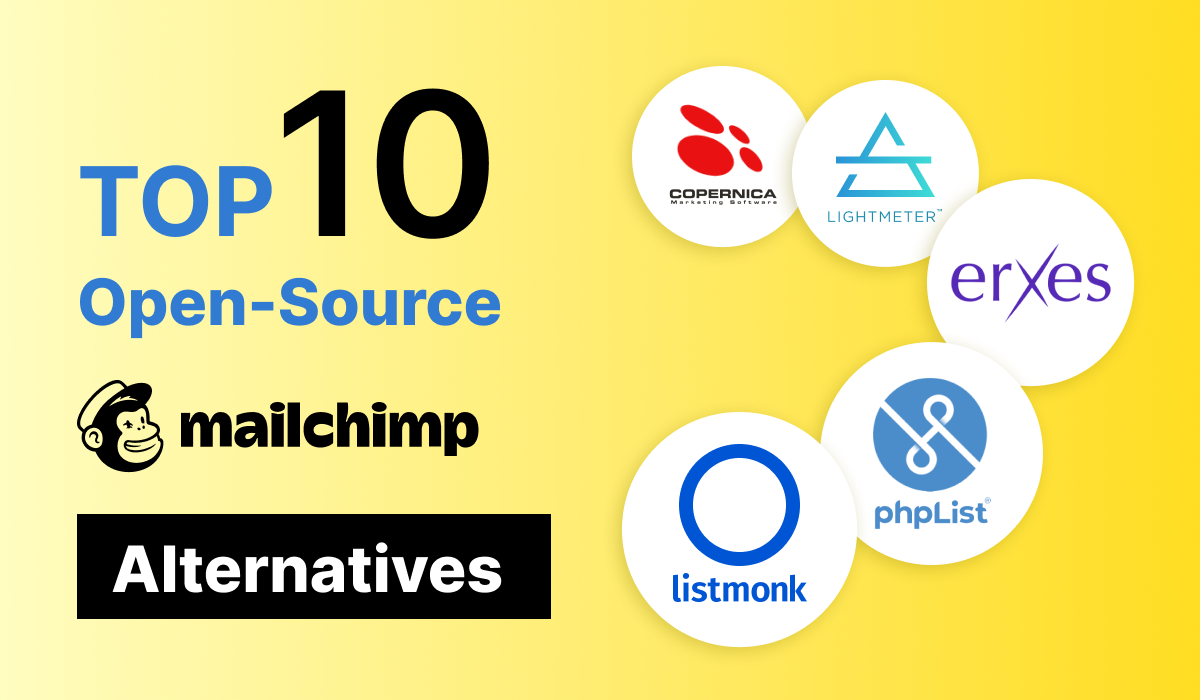
Feature comparison chart across top email marketing tools.
Credit: meetrix.io

Overview infographic of Mailchimp competitors in 2026.
Credit: moosend.com
Key Factors to Consider When Choosing an Alternative
Choosing the right email marketing platform goes beyond comparing features and price. Here are five factors that often make the difference between a tool that works and one that frustrates.
Deliverability rates – A high feature count means nothing if your emails land in spam folders. Look for platforms that publish their deliverability statistics or maintain dedicated IP addresses. Tools like ActiveCampaign and MailerLite have invested heavily in sender reputation.
Scalability and list growth – The best alternative should grow with you without forcing a sudden price jump. For example, Sendinblue charges by email volume, not contacts, which can be cheaper for large lists that send infrequently. Constant Contact, by contrast, can become expensive quickly once you exceed 500 subscribers.
Integrations with your existing tech stack – If you rely on tools like WordPress, Shopify, or a CRM, check the integration list carefully. A lightweight tool with fewer integrations might still work well if you can connect via Zapier. Consider whether the platform supports direct API access for custom workflows. For deeper insight on connecting your marketing tools, explore our comprehensive guide on digital marketing and social media marketing.
Customer support quality – When a campaign goes wrong, you need help fast. Platforms such as Constant Contact and AWeber offer phone and live chat support, while others rely on email tickets. Reading independent reviews helps gauge real‑world response times. Many businesses also benefit from using a dedicated deal management software to track follow‑ups from support interactions.
Email compliance and legal requirements – Every platform must follow CAN‑SPAM compliance guidelines. Ensure the tool enforces opt‑in confirmation, provides unsubscribe links automatically, and stores consent records. The American Marketing Association also publishes industry‑standard email marketing practices that can help you benchmark your provider.
How to Migrate from Mailchimp to a New Platform
Switching email providers can feel daunting, but following a structured process reduces risk.
Step 1 – Export your data. In Mailchimp, go to Audience → Manage Contacts → Export. Download your subscriber list as a CSV, including tags and custom fields. Also export any campaign templates you want to reuse.
Step 2 – Clean your list. Remove inactive subscribers (those who haven’t opened in six months) and hard bounces. A clean list improves deliverability from day one on the new platform. This is a good time to segment your audience by engagement level.
Step 3 – Import into the new tool. Most alternatives provide a guided import wizard. Map your custom fields carefully. For example, a “birthday” field in Mailchimp should match the corresponding field in your new tool.
Step 4 – Set up automation and forms. Recreate your welcome sequence and any trigger‑based emails. Many platforms offer templates, but review each step manually to avoid broken links. If you need to coordinate multiple automated workflows, consider using a robust marketing automation platform that can integrate with your email provider.
Step 5 – Test and verify. Send a test campaign to a small segment, then to your full list. Monitor open rates and spam complaints for the first two weeks. Use a dedicated sending domain (DKIM and SPF records) to establish sender reputation.
Step 6 – Cancel Mailchimp. Only cancel after you are confident everything runs smoothly. Keep your Mailchimp account active for at least one billing cycle so you can retrieve historical reports if needed.
If you are looking for a particularly affordable email marketing tool for your migration, our review of the Sendfox Lifetime Deal explores a budget‑friendly alternative that also supports automation and list segmentation.
For businesses that rely heavily on customer relationship management during migration, pairing your email tool with streamlined sales tracking software can prevent lost leads during the transition.
Frequently Asked Questions
What Is A Good Mailchimp Alternative?
A good Mailchimp alternative is ActiveCampaign. It offers robust email marketing features, automation, and integrations. It's user-friendly and cost-effective.
Why Choose An Alternative To Mailchimp?
Choosing an alternative to Mailchimp can offer better pricing, features, and customer support. Different tools may better suit your business needs.
Is Activecampaign Better Than Mailchimp?
ActiveCampaign is often considered better than Mailchimp for its advanced automation capabilities and comprehensive CRM features. It’s ideal for growing businesses.
What Are The Benefits Of Using Activecampaign?
ActiveCampaign provides excellent automation, CRM integration, and user-friendly interface. It’s also cost-effective and supports scalable marketing efforts.
Conclusion
Choosing the right email marketing tool is essential for your business. Mailchimp is popular, but alternatives exist. Many options offer unique features and better prices. Consider your needs, budget, and goals. Test different platforms before making a decision. Find the best fit for your strategy.
Your perfect email marketing tool is out there. Happy emailing! Choose one of these top alternatives today and start building more engaged subscriber relationships with confidence.


2 thoughts on “What is the Best Alternative to Mailchimp: Top Competitors Revealed”