Best SEO Tools for Small Businesses to Grow Traffic and Sales Fast
Lead SaaS Analyst & Software Developer at PCSaaS · Software Developer (GitHub @Ratankarmakar) · Google Ads & Analytics Certified · 500+ SaaS Tools Tested · 8+ years in software engineering, B2B SaaS evaluation, AppSumo deal auditing, and performance marketing
Discover the best SEO tools for small businesses to boost rankings, drive traffic, and attract more customers without hiring expensive experts.
Choosing the right tools can make a huge difference in how easily potential customers find your website. The good news? There are powerful, easy-to-use SEO tools designed specifically to help small businesses like yours grow without breaking the bank or requiring expert skills.
You’ll discover the best SEO tools that can save you time, improve your rankings, and attract more customers. Keep reading to find the perfect SEO helpers tailored just for your business needs.
Top Seo Suites
Top SEO suites provide small businesses with powerful tools to improve their online presence. These suites combine multiple SEO functions in one platform. They help track keywords, analyze competitors, and audit websites. Choosing the right suite can boost your website’s ranking and visibility. Here are three leading SEO suites that suit small business needs.
Semrush Features
Semrush offers extensive keyword research tools to find valuable search terms. Its site audit feature detects technical SEO issues quickly. Competitor analysis helps identify gaps and opportunities in your market. Semrush also tracks your rankings daily, keeping you informed. The platform includes content marketing tools for better page optimization. It supports local SEO, ideal for small businesses with physical locations.
Ahrefs Strengths
Ahrefs is strong in backlink analysis, showing who links to your site. It helps discover content gaps by comparing your site with competitors. Ahrefs provides detailed keyword research with accurate search volume data. The site audit tool spots SEO problems and suggests fixes. Its user-friendly interface suits beginners and experienced users. Ahrefs also tracks your ranking changes over time for better strategy adjustments.
Moz Pro Benefits
Moz Pro offers easy-to-use keyword research and site auditing features. It gives clear recommendations to improve your website’s SEO health. Moz’s link explorer reveals important backlink information for link building. The platform provides local SEO tools for targeting nearby customers. Moz Pro’s rank tracker monitors keyword positions daily. Its beginner-friendly reports help small businesses understand SEO progress.
Read More : Exploring the Semrush 14-Day Trial: An In-Depth Look
Content Optimization Tools
Content optimization tools help small businesses improve their website's visibility and ranking. These tools analyze content and suggest changes to make it more search-engine friendly. Optimized content attracts more visitors and keeps them engaged. Using the right tools saves time and effort in content creation. It also ensures your content matches what people search for online.
Surfer Seo Insights
Surfer SEO analyzes top-ranking pages for your keywords. It shows word count, keyword density, and content structure. The tool offers clear guidelines to improve your articles. It helps balance keywords naturally within your text. Surfer SEO also provides real-time feedback as you write. This tool is perfect for small businesses aiming to rank higher.
Chatgpt For Seo
ChatGPT generates ideas and drafts for your content quickly. It helps create meta descriptions and keyword variations. The AI can write clear, simple sentences for better readability. Using ChatGPT reduces writer’s block and speeds up content production. It is a useful assistant for small businesses with limited resources.
Beyond basic drafting, you can use ChatGPT to build content clusters by identifying subtopics and related questions that your target audience is searching for. This helps you create a comprehensive resource hub that search engines reward with higher rankings. Just remember to fact-check and add your own expertise — AI is a starting point, not a replacement for human insight.
Technical Seo Tools
Technical SEO tools help small businesses improve their website’s health and search engine ranking. These tools identify issues like broken links, slow pages, and indexing errors. Fixing these problems makes websites easier for search engines to read and rank higher.
Small business owners can use technical SEO tools without needing deep coding knowledge. These tools provide clear data and easy-to-follow recommendations. Using them regularly keeps websites optimized and competitive.
Google Search Console Uses
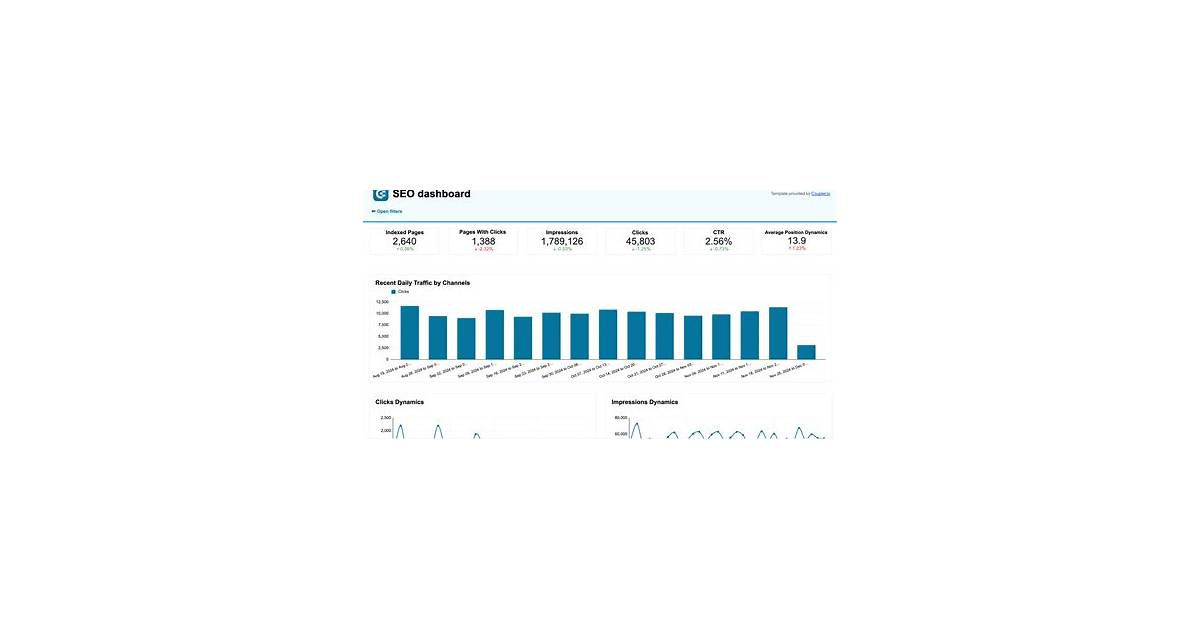
Google Search Console shows how Google views your website. It helps track website performance in search results. You can see which keywords bring visitors and how pages rank. The tool alerts you about crawl errors or security issues. It also submits sitemaps to help Google index pages faster. Small businesses get valuable insights to improve site visibility.
Yoast Seo Advantages
Yoast SEO is a popular WordPress plugin for on-page SEO. It guides you to optimize content with keyword focus. The tool checks readability and suggests improvements for better user experience. It also manages meta titles and descriptions easily. Yoast helps add structured data for rich search results. This makes your site more attractive in search listings.
Pair Yoast SEO with Google PageSpeed Insights to address Core Web Vitals — a ranking factor that measures loading speed, interactivity, and visual stability. A fast, mobile-friendly site keeps visitors on your pages longer and signals quality to search engines.

Credit: feather.so
Specialized Seo Tools
Specialized SEO tools focus on specific aspects of SEO. They help small businesses target key areas efficiently. Using these tools saves time and improves results.
Some tools excel in backlink analysis, while others suit beginners or handle various SEO tasks. Choosing the right tool depends on your business needs and skills.
Majestic For Backlinks
Majestic offers detailed backlink data. It shows where your links come from and their quality. This tool helps find strong backlinks to improve your site’s authority. You can monitor link-building campaigns and spot harmful links. The interface is clear and focused on link metrics.
Mangools For Beginners
Mangools is easy to use and great for beginners. It combines keyword research, rank tracking, and site audits in one place. The tool explains SEO terms simply, making it ideal for small business owners. Mangools provides reliable data without overwhelming new users. It also includes helpful tutorials to guide your SEO efforts.
Additional Tools
Other specialized tools cover unique SEO needs. For example, Screaming Frog crawls your site to find technical issues. Google Search Console gives direct data from Google about your site’s performance. Yoast SEO helps optimize content on WordPress sites for better search rankings. Using a mix of tools can cover all SEO bases effectively.
For local search visibility, consider tools like BrightLocal or Moz Local that manage your business listings across directories, monitor reviews, and track local keyword rankings. These are especially valuable if you run a brick-and-mortar store or serve a specific geographic area.
Local SEO Tools for Small Businesses
Local SEO tools help you appear in Google Maps and local search results when nearby customers are looking for your services. Unlike general SEO suites, these tools focus on the specific signals that matter for local ranking: Google Business Profile optimization, citation consistency, review management, and local keyword tracking.
A dedicated local SEO platform like BrightLocal or Moz Local can automatically distribute your business information across hundreds of directories, flag duplicate listings, and alert you to negative reviews. This saves hours of manual work and ensures your NAP (name, address, phone) data is accurate everywhere. For a deeper dive into the best options, explore our roundup of dedicated local SEO platforms.
Choosing The Right Tool
Choosing the right SEO tool is essential for small business success. The perfect tool fits your needs and helps improve your website’s search ranking. With many options available, selecting one can feel overwhelming. Focus on what your business requires most. Consider your budget and the tool’s features carefully. This approach makes the decision easier and more effective.
Matching Tools To Needs
Identify your main SEO goals first. Are you focusing on keyword research, site audits, or content optimization? Some tools offer all-in-one solutions, while others specialize in certain tasks. Pick a tool that aligns with your top priorities. This ensures you use features that bring real value. Avoid paying for extras you won’t use.
Budget Considerations
Small businesses often work with limited budgets. Choose tools that offer good value for money. Free or low-cost options can be great starting points. Many paid tools offer tiered plans based on features or usage. Start with basic plans and upgrade as your business grows. This saves money and prevents unnecessary expenses.
Small Business Focus
Some SEO tools are designed specifically for small businesses. These tools usually have simple interfaces and easy-to-understand reports. They provide guidance suitable for beginners or small teams. Look for tools with strong customer support and clear tutorials. This helps you get the most out of your investment.
Most premium tools offer free trials or limited free versions — take advantage of these to test workflows before committing. A 14-day trial can reveal whether a tool’s interface matches your team’s skill level and whether its reporting covers the metrics you actually check.
Tracking SEO Progress and ROI
Measuring the impact of your SEO efforts is just as important as choosing the right tools. Without tracking, you won’t know which strategies are working or where to adjust. Set up Google Analytics goals to monitor conversions from organic traffic, and use rank tracking features inside your chosen suite to see keyword movements over time.
To connect SEO data to actual business outcomes, tag your campaigns with UTM parameters and compare traffic growth against sales figures. This helps you calculate the return on investment for each tool and tactic. If you’re new to the fundamentals, start by reviewing foundational SEO concepts to understand what you should be measuring.
Common SEO Tool Mistakes to Avoid
Even with the best tools, small businesses can waste time and money by falling into a few common traps. Here are the top mistakes to sidestep:
- Over-reliance on a single tool. No tool covers everything. Use a combination — for example, a suite for keyword research and audits, plus a dedicated tool for local SEO or backlink analysis.
- Ignoring technical issues. It’s easy to focus on content and keywords, but broken links, slow pages, and missing meta tags can undermine all your work. Run a site audit monthly.
- Not updating content. SEO isn’t set-and-forget. Refresh old blog posts, update internal links, and remove outdated information to keep your site relevant.
- Forgetting about video SEO. If you create video content, optimize titles, descriptions, and thumbnails. The rise of visual search makes this increasingly important — explore AI video marketing tools to streamline your workflow.
Seo Effectiveness For Small Business
SEO is a powerful tool for small businesses. It helps them stand out online and reach more customers. Effective SEO improves website visibility and builds trust.
Small businesses often have limited budgets. SEO tools help use resources wisely. These tools simplify tasks like keyword research, content creation, and site audits.
Seo Benefits
SEO increases the chances of being found by potential customers. It improves website ranking on search engines like Google. Higher rankings lead to more clicks and visits.
Good SEO builds brand awareness. Customers trust websites that appear on the first page of search results. This trust can turn visitors into loyal buyers.
Over time, consistent SEO efforts compound — a well-optimized page can continue attracting organic traffic for months or years without additional ad spend, making it one of the most cost-effective traffic channels for small businesses.
Driving Traffic And Sales
SEO drives targeted traffic to your website. Visitors find what they need through relevant keywords and content. This leads to higher chances of making sales.
Effective SEO tools track which keywords bring visitors. They also analyze competitors and suggest improvements. These insights help small businesses grow their online sales steadily.
Frequently Asked Questions
Which Seo Tool Is Best For Small Businesses?
Ahrefs and Semrush offer comprehensive SEO features ideal for small businesses. Google Search Console provides free performance data. Yoast SEO enhances on-page optimization for WordPress users. Mangools suits beginners with easy-to-use tools. Choose based on your budget, goals, and technical skills.
What Is The Most Effective Tool For Seo?
Semrush and Ahrefs lead for comprehensive SEO and competitive analysis. Surfer SEO excels in content optimization. Google Search Console offers essential technical insights. Choose tools based on your business size, goals, and budget for the most effective SEO results.
Does Seo Really Work For Small Businesses?
Yes, SEO works well for small businesses by increasing online visibility and attracting local customers actively searching for services.
Can Chatgpt Do Seo?
ChatGPT helps with SEO by generating content ideas, writing drafts, and creating meta descriptions. It supports keyword variations and content optimization but does not replace full SEO tools. Use ChatGPT alongside dedicated SEO software for best results.
Additional Frequently Asked Questions
How often should I check my SEO tools?
Check your rank tracker and site audit reports weekly, and review Google Search Console data every few days after making changes. Core metrics like keyword positions and crawl errors can shift quickly, so regular monitoring helps you catch issues early.
Do I need to buy multiple SEO tools?
Not necessarily. Start with one all-in-one suite like Semrush or Ahrefs, then add a specialized tool only if you identify a gap — for example, a local SEO tool if you rely on foot traffic, or a dedicated content optimizer if you publish frequently. Avoid tool overload; focus on what you’ll actually use.
Can I succeed with only free SEO tools?
Yes, especially if you’re just starting out. Google Search Console, Google Analytics, and Google PageSpeed Insights are all free and cover the basics. Pair them with a free browser extension like MozBar for quick on-page analysis. As your business grows, consider a paid tool for deeper competitor insights and automated reporting.
Should I use email marketing alongside SEO?
Absolutely. Email marketing lets you nurture the traffic you’ve earned through SEO, turning one-time visitors into repeat customers. Use your SEO tools to find high-intent keywords, then capture leads with a relevant email offer. For a reliable setup, compare Mailchimp alternatives that integrate with your existing stack.
Conclusion
Choosing the right SEO tools helps small businesses grow online. Use tools that fit your budget and skill level. Start with free options like Google Search Console to track your website. Explore keyword research and content tools to improve rankings.
Regularly check your site’s health and backlinks to stay competitive. Keep learning and adjusting your SEO strategies over time. Consistency matters more than complexity in SEO success. Small steps lead to bigger results in search visibility. Pick tools that make SEO easier and more manageable.
Get Started Today
Take the first step by signing up for a free Google Search Console account — it costs nothing and gives you a clear picture of how your site performs in search. Then pick one trial from the tools listed above and test it for a week. Consistent action, not perfection, drives real traffic and sales growth.

Similar Posts