
Disclosure: This article contains affiliate links. If you buy through them, we may earn a commission at no extra cost to you.
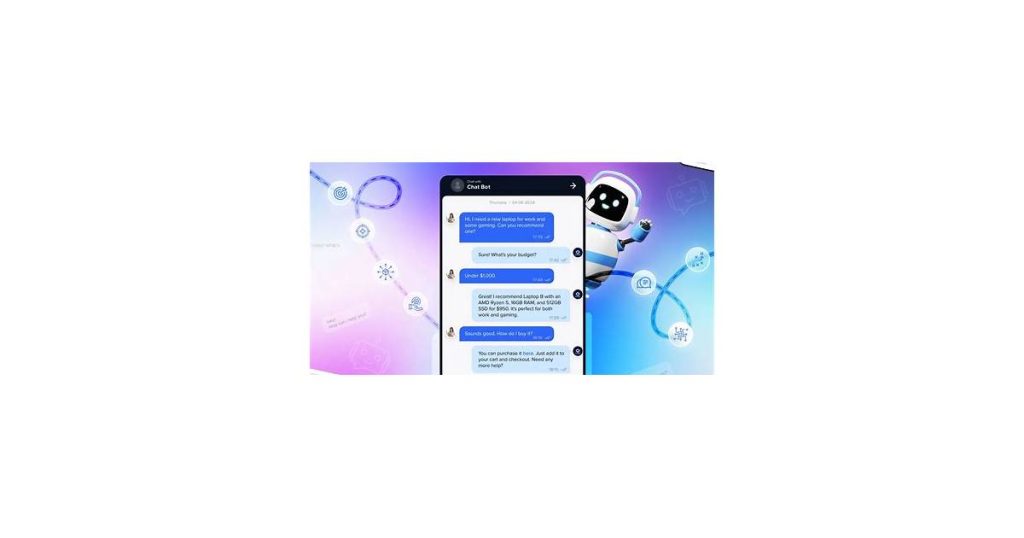
Audio Forge AI customer support options include a help center, support tickets, email, live chat, and user forums. These resources matter because they provide timely solutions whether you’re troubleshooting technical issues, learning advanced features, or seeking workflow advice—helping you maintain productivity without interruptions.
Introduction to Audio Forge AI

Audio Forge AI is a suite of artificial intelligence-powered tools designed for audio processing, editing, and enhancement. It caters to podcasters, musicians, sound engineers, and content creators who need efficient ways to clean up recordings, remove background noise, or enhance vocal clarity without extensive manual editing.
The platform stands out by automating traditionally time-consuming tasks like noise reduction, equalization, and audio restoration. Instead of manually tweaking waveforms, users can apply AI-driven presets or customize processing parameters to achieve professional results quickly. This makes it particularly useful for creators working under tight deadlines or those lacking advanced audio engineering skills.
Key functionalities include real-time voice enhancement, automatic level balancing, and adaptive noise suppression that adjusts to different recording environments. Whether handling interview recordings with inconsistent microphone quality or polishing rough musical demos, Audio Forge AI aims to streamline post-production workflows while maintaining natural-sounding results.
See also: Audio Forge AI Software: Features, Setup, and Usage Guide.
What is Audio Forge AI?
Audio Forge AI is a powerful audio editing tool designed to simplify complex tasks for both professionals and beginners. It uses artificial intelligence to enhance audio quality, remove background noise, and optimize sound levels with minimal manual effort. The software is particularly useful for podcasters, musicians, and video creators who need clean, professional-grade audio without spending hours on editing.
One of its standout features is its ability to intelligently detect and correct common audio issues, such as clipping, distortion, or inconsistent volume. This saves users time and ensures consistent results. Additionally, Audio Forge AI offers customizable presets tailored to specific use cases, like voiceovers, interviews, or music production, making it adaptable to a wide range of projects.
With its intuitive interface and AI-driven capabilities, Audio Forge AI empowers users to focus on their creative process rather than the technical intricacies of audio editing. Whether you’re refining a podcast episode or polishing a music track, it streamlines workflows and delivers high-quality output efficiently.
See also: Audio Forge AI Features Overview: Enhancing Sound Editing.
Supported Features and Platforms

Audio Forge AI supports core audio editing capabilities like noise reduction, vocal isolation, and background music generation. The AI can enhance low-quality recordings by removing hiss, clicks, and background chatter while preserving vocal clarity. It also offers tools for adjusting tempo, pitch, and EQ settings without specialized audio engineering knowledge.
The platform currently operates as a web-based application, compatible with Chrome, Firefox, and Safari browsers. There’s no native mobile app, but the responsive interface adapts to tablet screens. Projects can be exported as MP3, WAV, or FLAC files at various bitrates depending on subscription tier.
Key limitations include no real-time collaboration features and a 2GB maximum upload size for free tier users. Enterprise plans unlock batch processing and API access for integration with existing workflows.
See also: Audio Forge AI System Compatibility: A Comprehensive Guide.
Compatibility with macOS and Other Platforms
Audio Forge AI supports macOS alongside Windows and Linux, ensuring broad accessibility for users across different operating systems. The macOS version offers native performance, taking advantage of Apple’s hardware for efficient audio processing. Users on recent macOS versions (10.15 Catalina and newer) report smooth operation, though older Macs may experience limitations with resource-intensive tasks.
The software maintains consistent functionality across platforms, with minor interface adjustments to match each OS’s design language. Windows users benefit from full DirectX support, while Linux installations typically require ALSA or PulseAudio configurations. Mobile operating systems aren’t currently supported, focusing development resources on desktop-grade audio processing capabilities.
Cross-platform projects are possible through Audio Forge AI’s standardized project file format, allowing seamless collaboration between macOS and Windows users. System requirements scale similarly across platforms:
- Minimum: Quad-core processor, 8GB RAM, dedicated audio interface recommended
- Recommended: 6-core processor, 16GB RAM, SSD storage for large projects
Key Features
Audio Forge AI distinguishes itself with robust technical integrations that streamline audio processing workflows. Its MQTT support enables seamless IoT connectivity, allowing users to trigger audio transformations through automated systems—ideal for smart home devices, industrial monitoring, or broadcasting setups where real-time audio processing is critical.
FFmpeg integration unlocks advanced media handling capabilities. Users can leverage FFmpeg’s extensive codec library for format conversion, extract audio from video files, or apply filters without leaving the Audio Forge AI interface. This eliminates the need for external conversion tools when working with niche formats like FLAC, OPUS, or MXF.
Additional standout features include:
- Batch processing with customizable presets for repetitive tasks
- AI-powered noise reduction that preserves voice clarity in recordings
- Low-latency live audio processing for broadcast and streaming
- Cross-platform compatibility (Windows/Linux/macOS) with consistent performance
How to Use Audio Forge AI
Getting started with Audio Forge AI is straightforward, whether you’re enhancing voice recordings, removing background noise, or generating synthetic speech. First, upload your audio file or record directly within the platform. Supported formats typically include MP3, WAV, and AAC—check the interface for the full list.
Key functions like noise reduction or voice cloning become available once your file loads. Use sliders to adjust intensity for features such as echo removal or vocal clarity—subtle adjustments often yield more natural results than maximum settings. For AI-generated voiceovers, select your preferred tone (e.g., “professional narration” or “casual dialogue”) and pacing before generating the output.
Export options appear after processing. For critical projects, download a test segment first—some users report artifacts at certain bitrates. If you encounter issues, Audio Forge AI customer support options include an in-app chat for real-time troubleshooting during business hours.
Installing FFmpeg
FFmpeg is required for certain audio processing tasks in Audio Forge AI. Here’s how to install it on different operating systems:
Windows Installation
- Download the latest Windows build from the official FFmpeg website
- Extract the ZIP file to a permanent location (like C:\FFmpeg)
- Add FFmpeg to your system PATH:
- Open System Properties > Advanced > Environment Variables
- Edit the PATH variable and add your FFmpeg bin folder path
- Open a new Command Prompt and type
ffmpeg -versionto verify
macOS Installation
- Install Homebrew if you don’t have it:
/bin/bash -c "$(curl -fsSL https://raw.githubusercontent.com/Homebrew/install/HEAD/install.sh)" - Run
brew install ffmpeg - Verify with
ffmpeg -version
Linux Installation
For Debian/Ubuntu:
sudo apt update
sudo apt install ffmpeg
For Fedora/RHEL:
sudo dnf install ffmpegAfter installation, restart Audio Forge AI to ensure it detects FFmpeg. If you encounter issues, check the path settings in Audio Forge AI’s preferences.
Running from Source
If you need to modify Audio Forge AI or just prefer running the latest code directly, the project’s GitHub repository provides full source access. This approach requires Python 3.8+ and basic familiarity with command-line tools.
Start by cloning the repository:
git clone https://github.com/audioforge-ai/core.git
cd core
Create a virtual environment (recommended) and install dependencies:
python -m venv venv
source venv/bin/activate  # On Windows use: venv\Scripts\activate
pip install -r requirements.txt
The main entry point is audioforge/cli.py. You can run basic commands like:
python -m audioforge.cli --help
python -m audioforge.cli process input.wav --output processed.wav
For development work, install in editable mode with pip install -e .. This lets you modify code without reinstalling. The repository includes pytest configurations if you need to run tests.
Customer Support Options
Audio Forge AI offers multiple avenues for users to seek assistance, ensuring that help is readily available whenever needed. The primary support option is their dedicated help center, which hosts a comprehensive library of articles, tutorials, and FAQs. This resource is ideal for users who prefer self-guided solutions or quick answers to common questions.
For more personalized assistance, users can submit a ticket through the support ticket system. This method allows for detailed inquiries or issues to be addressed directly by the support team. Response times are typically swift, making it a reliable option for troubleshooting or technical problems.
Additionally, Audio Forge AI provides email support for users who prefer direct communication. This option is particularly useful for non-urgent queries or feedback. For those needing immediate help, the platform also offers live chat support during business hours, enabling real-time interaction with a support representative.
Finally, users can engage with the Audio Forge AI community through their user forums. Here, users can share tips, ask questions, and connect with others who might have encountered similar challenges. This peer-to-peer support adds an extra layer of assistance beyond the official channels.
Accessing Support
Audio Forge AI offers multiple avenues for users to seek assistance. The most direct method is through the company’s support email, where users can detail their issues or questions. Responses are typically prompt, ensuring minimal disruption to your workflow.
For quicker resolutions, the official website features a comprehensive FAQ section. This resource addresses common problems and provides step-by-step guides for troubleshooting. Additionally, users can submit support tickets directly through the website, which are prioritized based on urgency.
Audio Forge AI also maintains an active presence on social media platforms, where users can reach out for help or stay updated on the latest fixes and updates. For those who prefer real-time assistance, live chat support is available during business hours.
Common Issues and Solutions
Even with intuitive software like Audio Forge AI, users may encounter technical hiccups. Here are some frequent issues and how to resolve them:
- Failed installations or crashes on launch: Check your system meets minimum requirements (64-bit OS, 8GB RAM minimum). Disable antivirus temporarily during installation, as some falsely flag AI audio tools.
- Audio artifacts in processed files: If output contains pops or distortion, try increasing the “processing quality” setting, which allocates more CPU time. For voice recordings, enable the “voice optimization” preset before processing.
- Plugins not recognized: Audio Forge AI scans for VST/AU plugins on first launch. If new plugins don’t appear, manually rescan via Settings > Plugins > Refresh List.
- Export formats grayed out: Some export options require a project to be in a specific sample rate or channel format. Convert your audio to stereo/44.1kHz first under Edit > Project Settings.
For timezone-specific delays in customer support responses, check the knowledge base first—common troubleshooting steps for latency, licensing errors, and driver conflicts are documented with screenshots.
App Privacy and Accessibility
Audio Forge AI prioritizes user privacy with a clear, no-nonsense policy: it doesn’t store recordings or processed files on its servers unless explicitly uploaded for troubleshooting. Voice data is processed locally on your device by default, minimizing exposure. The app requests only microphone access during active use, and you can revoke permissions anytime through your device settings.
For accessibility, Audio Forge AI includes adjustable playback speeds, keyboard shortcuts for desktop users, and high-contrast UI options. The interface avoids complex gestures, relying instead on straightforward button controls—helpful for users with motor impairments. While it lacks full screen reader compatibility, transcripts generated by the AI can be exported for use with assistive tools.
Three key privacy controls let you customize data handling:
- Auto-delete processed files: Toggle to remove audio immediately after export
- Anonymous analytics: Opt out of performance data collection
- Cloud processing consent: Manual approval required before uploading sensitive recordings
Privacy Policies
Audio Forge AI prioritizes user privacy, ensuring that personal data is handled securely and transparently. The platform collects minimal information necessary for account creation and service functionality, such as email addresses and payment details. This data is encrypted during transmission and stored on secure servers to prevent unauthorized access.
The company adheres to strict data protection regulations, including GDPR compliance for users in the European Union. Audio Forge AI does not share or sell user data to third parties, except as required by law or to facilitate essential services like payment processing. Users can request access to their data or its deletion at any time through the customer support options provided.
For added transparency, Audio Forge AI maintains a detailed privacy policy on its website, outlining how data is collected, used, and protected. Regular updates to the policy ensure alignment with evolving privacy standards and user expectations.
Accessibility Features
Audio Forge AI includes several accessibility features designed to make audio editing more intuitive for users with varying needs. The interface supports keyboard shortcuts for common actions, allowing users who may struggle with fine motor control to navigate efficiently. High-contrast themes and adjustable UI scaling improve visibility for those with low vision or light sensitivity.
For users relying on screen readers, Audio Forge AI provides comprehensive label descriptions and logical tab ordering. The software also offers optional audio feedback during editing tasks—like pitch adjustment or noise reduction—to reinforce visual cues. Subtle haptic feedback (on supported devices) can indicate successful tool activation or process completion.
- Navigation aids: Customizable hotkeys, sequential tab navigation, and voice command support
- Visual adjustments: Dark/light mode switching, UI element resizing up to 200%, and dyslexia-friendly font options
- Audio enhancements: Spoken tooltip descriptions, sound-based progress indicators, and adjustable playback speeds
These features are accessible during setup and can be modified at any time through a dedicated accessibility panel in settings. Audio Forge AI periodically updates these options based on user feedback from its disability advisory group.
Frequently Asked Questions
What customer support options does Audio Forge AI offer?
Audio Forge AI provides a help center, support tickets, email, live chat during business hours, and user forums. These options cover troubleshooting, feature guidance, and workflow advice to minimize disruptions to your audio projects.
How do I contact Audio Forge AI support for immediate help?
For real-time assistance, use the live chat feature during business hours. If your issue isn’t urgent, you can submit a support ticket or email—both typically receive prompt responses according to the article.
Does Audio Forge AI have a community forum for user support?
Yes, Audio Forge AI hosts user forums where you can ask questions and share tips with other podcasters, musicians, and creators. This complements official support channels like tickets and live chat.
Where can I find self-help resources for Audio Forge AI?
The help center includes articles, tutorials, and FAQs for common issues. It’s the first stop for troubleshooting audio artifacts, installation problems, or plugin recognition before contacting support.
What are Audio Forge AI’s support response times?
The article notes that support tickets and emails receive swift responses, while live chat provides instant help during business hours. Forums rely on community engagement rather than guaranteed response times.
Conclusion
Navigating customer support often determines how smoothly you can resolve issues with AI-powered audio tools. Audio Forge AI provides several support avenues—email, live chat, and knowledge base—each suited to different needs. Quick troubleshooting tips or FAQs might suffice for minor problems, while direct contact options help with complex technical issues.
Prioritize understanding these support channels before encountering problems. Whether you’re working with tight deadlines or experimenting with new audio projects, knowing where to find help can save time and frustration. Choosing the right support method depends on urgency and the nature of your issue—speed versus documentation depth.

