
Discover the best database deals and discount offers to save money on powerful, secure, and scalable data management tools today!
Whether you’re managing a small business, building apps, or organizing personal projects, finding the right database at the right price can save you time and money. Imagine getting powerful, reliable tools that boost your productivity while keeping costs low — sounds good, right?
You’ll discover top database options, where to find exclusive discounts, and how to choose the perfect plan for your unique situation. Ready to unlock the best deals and take control of your data? Let’s dive in!
A typical customer database interface used for managing contacts and sales data.
Credit: fluentsupport.com
Top Database Deals
Finding the best database deals can save you money and improve your data management. Top database deals offer discounts on popular software and services. These deals help businesses and individuals get reliable databases at lower costs.
Explore current discounts, exclusive offers, and seasonal sales to maximize your savings. This section highlights the best opportunities to invest in databases without overspending.
Current Discounts
Many database providers offer ongoing discounts to attract new users. These discounts often include price reductions on monthly subscriptions and annual plans. Check popular platforms like Microsoft SQL Server, MongoDB, and Amazon DynamoDB for special pricing. These discounts help reduce costs while gaining access to powerful database tools.
In practice, these discounts often apply to annual commitments rather than monthly billing. A common mistake is focusing only on the upfront percentage off without checking renewal rates — always compare the total cost of ownership over two years.
Exclusive Offers
Exclusive offers provide unique savings not available to the general public. These may include bundle deals, free trial extensions, or additional features at no extra cost. Signing up through partner websites or newsletters can unlock these special offers. Exclusive deals are perfect for businesses seeking extra value from their database investments.
Many providers partner with technology review sites to offer time-limited coupon codes. Sign up for their email alerts to catch flash deals that expire within 48 hours.
Seasonal Sales
Seasonal sales occur during holidays and special events. These sales feature deep discounts on database licenses and subscriptions. Black Friday, Cyber Monday, and end-of-year sales are common times for great deals. Planning purchases around these sales can lead to significant savings on database software and services.
Plan your database procurement calendar around known sale windows. For example, back-to-school season and AWS re:Invent in late November often bring additional enterprise-tier discounts.
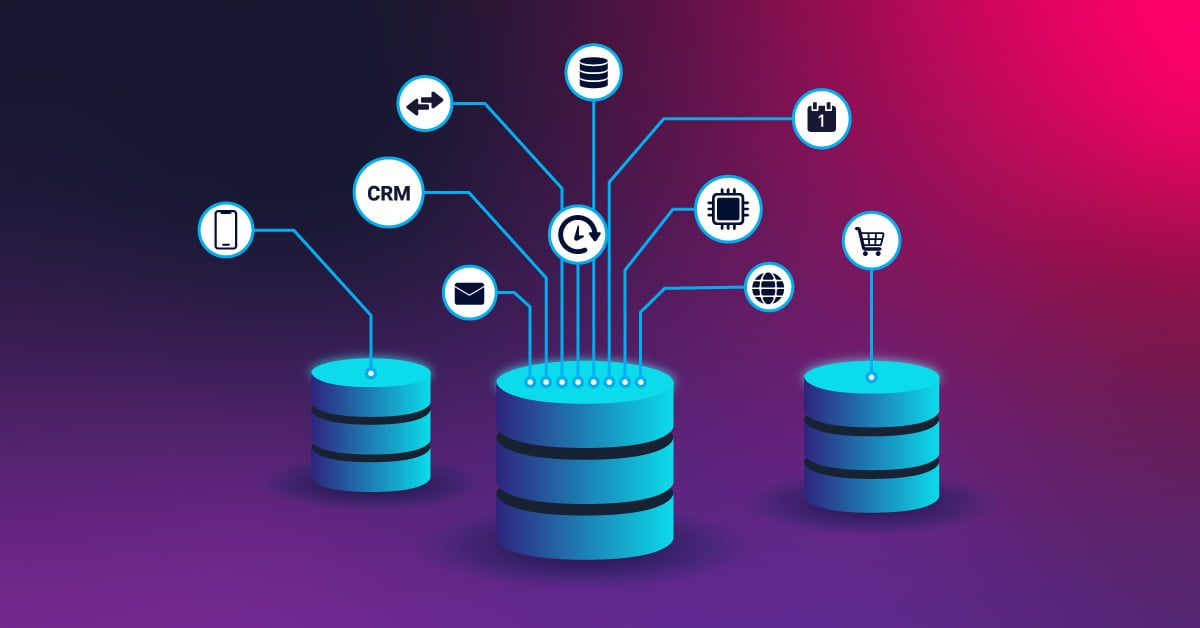
Monitoring tools help track database health and optimize spending.
Credit: blog.paessler.com
Popular Database Options
Choosing the right database can save money and boost efficiency. Popular options cover many needs, from simple data storage to complex applications. Each type offers unique features and pricing. Understanding these helps find the best deals and discounts.
Relational Databases
Relational databases organize data in tables with rows and columns. They use structured query language (SQL) to manage data. Popular relational databases include MySQL, PostgreSQL, and Microsoft SQL Server. These options suit businesses needing clear data relationships and strong consistency. Many providers offer discounts for long-term plans or bundled services.
For teams just getting started with relational data, exploring cloud fundamentals can clarify which hosting environment best supports your SQL workloads.
Nosql Databases
NoSQL databases store data in flexible formats like documents, key-value pairs, or graphs. They handle large volumes of unstructured data well. MongoDB, Cassandra, and Redis are top NoSQL choices. These databases fit projects with changing data or big data needs. Discounts often appear for cloud hosting or enterprise versions.
The official PostgreSQL website provides comprehensive documentation on licensing and community support for open-source database users.
Cloud-based Platforms
Cloud databases run on remote servers accessible via the internet. They reduce hardware costs and simplify scaling. Amazon Web Services, Google Cloud, and Microsoft Azure offer popular cloud databases. These platforms provide pay-as-you-go pricing and frequent promotions. Cloud databases suit startups and growing businesses requiring easy access and quick setup.
Understanding cloud service categories helps you pick the right pricing model for your database needs.
Best Databases For Small Business
Choosing the right database is vital for small business success. It helps organize data, track customers, and manage operations smoothly. The best databases offer balance between cost, features, and ease of use. Small businesses should select systems that fit their size and budget. Here are some top options worth considering.
Affordable Open-source Choices
Open-source databases offer great value without heavy costs. MySQL and PostgreSQL are popular picks. Both provide reliable performance and strong community support. Small businesses can customize these databases to suit their needs. They run well on modest hardware, saving money on infrastructure. These options are perfect for businesses with technical skills or access to developers.
Small businesses running an online store can benefit from a database that scales with inventory and customer data.
No-code Platforms
No-code platforms simplify database management for non-technical users. Airtable and Knack allow building databases with drag-and-drop tools. These platforms reduce setup time and require no coding. They often include templates for sales, inventory, and project tracking. Pricing plans start with free tiers and grow with your needs. Small teams benefit from quick deployment and easy collaboration.
For teams already using email campaign management tools, integrating a no-code database can streamline customer segmentation.
Lightweight Solutions
Lightweight databases work well for small datasets and simple apps. SQLite is a common embedded choice. It requires minimal setup and runs directly on devices. This makes it ideal for mobile apps or desktop software. Another option is Microsoft Access, known for its user-friendly interface. These solutions keep data local and fast, avoiding complex server setups. They fit small businesses that need straightforward data handling.
If your lightweight database eventually grows, you may need to transition to a solution that handles larger datasets — planning that migration early saves rework. Consider online data storage options for future expansion.
Printed coupons can still be found for some database software purchases.
Credit: savingslifestyle.com
Saving Tips For Database Purchases
Saving money on database purchases is key for businesses of all sizes. Smart choices reduce costs without losing essential features. Simple strategies help find the best deals and discounts. This section shares practical tips to save on your next database investment.
Using Trial Versions
Trial versions let you test software before buying. They help you check features and usability at no cost. Use trial periods to avoid paying for unwanted functions. Many companies offer free trials for days or weeks. Try multiple options to compare performance and price.
Before committing, review your overall tech stack, including tools for managing customer relationships that may integrate with your trial database.
Bundled Software Deals
Bundled deals combine databases with other useful software. Bundles often come at a lower price than buying separately. Look for packages that fit your business needs. Bundled offers may include tools for analytics, backup, or security. These deals save money and improve overall productivity.
Bundling your database with an email service can reduce per-tool costs and simplify vendor management.
Subscription Vs One-time Purchase
Subscription plans charge monthly or yearly fees. They often include updates and support services. One-time purchases require a single payment upfront. Choose subscriptions for flexibility and regular upgrades. Select one-time purchase if you prefer no ongoing costs. Compare total expenses over time to decide the best option.
Comparing Pricing Plans
Choosing the right database plan depends on your needs and budget. Pricing plans vary across providers. Understanding each plan helps you pick the best deal. This section breaks down common pricing options and what to expect.
Free Tiers And Limits
Many database providers offer free tiers. These plans allow limited usage at no cost. Free tiers usually include a set amount of storage and connections. They work well for testing or small projects. Watch for limits on data size and query volume. Exceeding limits may lead to extra charges or forced upgrades.
A practical approach is to prototype on a free tier and then estimate the cost of the next tier once you exceed its storage or throughput caps. Many users unknowingly cross those limits during development, leading to surprise bills.
Business And Enterprise Plans
Business plans offer more features and higher limits. These plans suit growing companies needing reliable performance. Enterprise plans focus on large-scale needs and advanced support. They include enhanced security, backup options, and priority service. Pricing often scales by usage, number of users, or server capacity. Compare features carefully to find value for your business size.
For enterprise-grade capabilities, refer to the Microsoft SQL Server documentation for detailed pricing and licensing options.
Add-ons And Upgrades
Providers sell add-ons to extend functionality. Common upgrades include extra storage, faster processing, or premium support. Some add-ons improve analytics or integration with other tools. Consider your future growth when choosing add-ons. These extras can increase monthly costs but boost efficiency. Evaluate if the benefits justify the added expense.
Database-as-a-Service (DBaaS) Deals
Managed cloud databases like Amazon RDS, Google Cloud SQL, and Azure SQL Database reduce administrative overhead. DBaaS deals often include free credits for new accounts — for example, AWS offers a 12-month free tier for certain RDS instances. Look for serverless options that charge only per query, which can be cost-effective for intermittent workloads. Some providers offer "burstable" instances at a discount for development environments. Always check data transfer costs, as egress fees can erode savings.
Where To Find Deals
Finding the best database deals and discounts is easier when you know where to search. Several reliable sources offer competitive prices and special offers. Exploring these sources can save money and provide access to quality database products.
Official Vendor Sites
Official vendor sites are the first place to check. Vendors often run promotions and seasonal sales. These sites provide accurate product information and verified discounts. Signing up for newsletters helps receive exclusive offers. Purchasing directly ensures genuine software and support.
Many vendors also offer bundled services with cloud service bundles that reduce overall spend when purchased together.
Daily Deal Platforms
Daily deal platforms offer limited-time discounts on various products. These sites update deals regularly, so frequent visits pay off. They often feature bundles or software packages at reduced prices. Examples include DealNews and Woot. Deals here can be lower than vendor prices.
Be cautious with third-party resellers; verify that the license is legitimate and not restricted to non-production use.
Tech Marketplaces
Tech marketplaces connect sellers and buyers in one place. Marketplaces like Amazon and Newegg list many database solutions. User reviews and ratings assist in choosing the best product. Marketplaces sometimes run flash sales or offer coupon codes. These sites provide variety and competitive pricing.
Check the seller's ratings and return policy before purchasing cloud marketplace listings, as some deals are non-refundable.
Student and Non-Profit Discounts
Educational institutions and non-profit organizations often qualify for substantial discounts on database software. Microsoft offers Azure for Students with free credits, and GitHub's Student Developer Pack includes free access to several database tools. Non-profits can apply for Amazon Web Services' non-profit program, which provides up to $2,000 in free credits annually. Always verify eligibility requirements, as these offers may require a .edu email or proof of non-profit status.
Maximizing Value
Maximizing value from database deals and discounts requires smart choices. Focus on features that boost efficiency and lower costs. Pay attention to how well databases fit your needs today and tomorrow.
Choosing the right database means more than just price. Consider tools that save time and grow with your business. Make every dollar count by picking solutions that add real value.
Leveraging Ai Features
AI features help automate data tasks and improve accuracy. They reduce manual work and speed up data analysis. Choose databases with built-in AI to save time and cut errors. AI can also help predict trends from your data.
AI-driven databases often require more storage and compute, so factor in those costs when comparing deals.
Integration With Existing Tools
Good databases work well with tools you already use. Check if the database connects easily to your software. Seamless integration avoids extra costs and hassle. It also keeps your workflow smooth and efficient.
For example, linking your database with an email marketing platform can automate personalized campaigns based on customer behavior.
Scalability Considerations
Pick databases that grow with your business needs. Scalability means adding more users or data without big extra costs. Avoid switching databases as your data grows. A scalable solution saves money and stress in the long run.
Long-Term vs Short-Term Database Contracts
Choosing between annual and monthly subscriptions affects both cost and flexibility. Annual contracts typically offer 15–30% savings compared to month-to-month billing, but lock you in for a year. For rapidly changing projects, short-term plans or pay-as-you-go models are safer. Some vendors allow mid-contract downgrades without penalty — check the terms before signing. Negotiate a 30-day cancellation clause to retain flexibility.
Read More : Nocodebackend Lifetime Deal – Build APIs Without Code in Minutes
Frequently Asked Questions
What Is The Best Daily Deal Site?
The best daily deal sites include DealNews, Woot!, and Amazon Haul. They offer reliable, updated discounts on various products.
What Is The Most Recommended Database?
The most recommended databases are Microsoft SQL Server, PostgreSQL, and MongoDB. Choose based on your data type, scalability, and budget.
What Is The Best Database Provider?
Amazon DynamoDB suits enterprises needing high availability. MongoDB Atlas excels in scalability. SAP HANA Cloud fits growing teams. Choose based on your business size, data type, and scalability needs.
What Is The Best Database For A Small Business?
The best database for a small business depends on needs. MySQL, PostgreSQL, and Microsoft SQL Server suit structured data. Airtable fits no-code users. SQLite works for lightweight, embedded use. Consider data type, budget, scalability, and technical skills before choosing.
What is the best way to compare database pricing annually?
Create a spreadsheet listing your required storage, connections, and features. Multiply monthly rates by 12 and compare to annual prepaid plans. Include add-on costs for backups, support, and data transfer to see the true annual expense.
Are there discounts for startups or accelerator programs?
Yes. Many cloud providers offer startup programs with credits — AWS Activate, Google for Startups, and Microsoft for Startups each provide thousands of dollars in free credits. Y Combinator and Techstars alumni often get additional discounts. Apply before purchasing to maximize savings.
Conclusion
Finding the best database deals and discounts saves both time and money. Choose options that fit your needs and budget. Compare features before making a decision. Affordable databases can still offer strong performance and reliability. Stay updated on promotions to get the best value.
Smart choices help your business manage data efficiently. Keep exploring deals regularly to catch new offers. This approach ensures you get quality services without overspending.
Start comparing today's best database deals and lock in savings before the next price adjustment.


1 thought on “Best Database Deals and Discount: Save Big on Top Data Solutions”