

Discover top Etsy SEO tools to optimize listings, beat competitors, and drive more traffic and sales to your Etsy shop today.
That’s where Etsy SEO tools come in—they help you discover the exact keywords your buyers are searching for, analyze your competition, and optimize your listings to stand out. Imagine having a clear roadmap that guides your shop to more views, clicks, and sales every single day.
Whether you’re just starting out or looking to boost an established store, the right tools can make all the difference. Ready to unlock the secrets behind Etsy’s search engine and take your shop to the next level? Keep reading to find the best Etsy SEO tools that will work for you.
Top Etsy Seo Tools
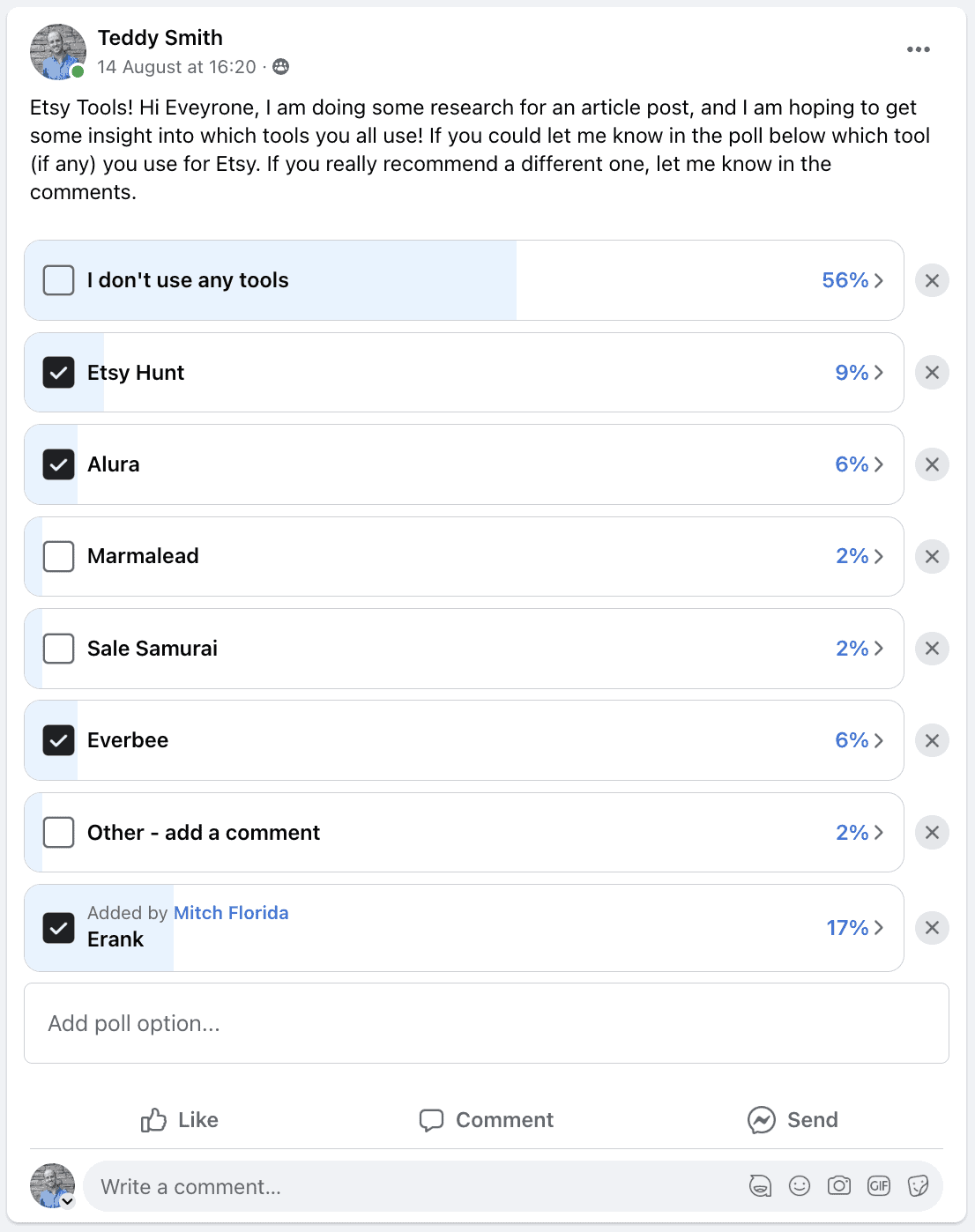
Choosing the right SEO tools can improve your Etsy shop’s visibility and sales. Many sellers use specialized tools to find keywords, analyze competitors, and optimize their listings. These tools save time and help you understand what buyers search for.
Here are some of the top Etsy SEO tools that offer valuable features for sellers.
Erank Features
eRank offers keyword research, competition tracking, and trend analysis. It helps identify popular search terms and shows how hard it is to rank for them. The tool also gives suggestions to improve your listings and track your shop’s performance over time.
Marmalead Benefits
Marmalead focuses on keyword quality and Etsy SEO best practices. It provides real-time data on search volume and competition. Users get insights to create better titles, tags, and descriptions that attract buyers. Marmalead also includes pricing and shipping advice.
Alura Advantages
Alura combines keyword research, product research, and marketing tools. It offers easy-to-understand suggestions for improving listings. The platform also helps discover trending products and analyze competitors. Alura’s interface is user-friendly, making it good for beginners.
Etsyhunt Insights
EtsyHunt specializes in keyword research and competitor analysis. It tracks top-selling items and popular keywords in your niche. The tool provides data to optimize your listings and stay ahead of trends. It also offers pricing and sales estimates for products.
Sale Samurai And Everbee
Sale Samurai delivers detailed keyword research and SEO tools tailored for Etsy sellers. It helps find high-traffic keywords with low competition. Everbee focuses on product research, marketing, and sales analytics. Both tools support better decision-making to grow your shop effectively.
 A collage of Etsy SEO tool logos and analytics dashboard.
How to Choose the Right Etsy SEO Tool for Your Shop
Not every tool fits every seller. Beginners often appreciate an intuitive interface like Alura, while data-driven sellers may prefer the depth of eRank or Marmalead. Consider your budget, the size of your product catalog, and which features you’ll actually use. A common mistake is signing up for multiple paid tools at once — start with one, master it, then add another if needed.
Below is a quick comparison of the top tools to help you decide.
| Tool | Best For | Key Strength | Price Range |
|---|---|---|---|
| eRank | Keyword research & competition | Detailed keyword difficulty scores | Free tier + paid |
| Marmalead | Keyword quality & listing health | Real-time search volume & seasonality | Monthly paid |
| Alura | Beginners & all-in-one features | User-friendly interface & product research | Paid |
| EtsyHunt | Competitor & trend spotting | Sales estimates & top-item tracking | Free + paid |
| Sale Samurai | High-traffic low-competition keywords | Deep keyword data for niche sellers | Paid |
| Everbee | Product research & analytics | Sales analytics & marketing insights | Paid |
In practice, many seasoned sellers use eRank for initial keyword lists and Marmalead for refining tags. If you are working with a strict budget, check out budget-friendly SEO solutions that can supplement your Etsy efforts.
Free Etsy Seo Tools
Free Etsy SEO tools help sellers improve their shop’s visibility without extra cost. They provide simple ways to find keywords and understand what buyers want. These tools are easy to use and can boost your Etsy shop’s chances of being found.
Using free tools regularly can save money and give valuable insights. They help find popular search terms and trends. This allows you to create listings that match what customers search for.
Etsy Search Bar Tips
The Etsy search bar is a great free tool to find keywords. Start typing a product name and watch the autocomplete suggestions. These suggestions show what buyers often search for. Use these phrases in your titles and tags.
Try different words and note which ones appear most. This method gives real-time ideas from actual Etsy users. It helps you target popular and relevant keywords easily.
Using Google Search
Google Search can also help with Etsy SEO. Type your product keywords and check the results. Look for common phrases and related terms on other websites. This expands your keyword list beyond Etsy.
Read product descriptions and blog posts to see how others describe similar items. This helps create better listings with clear, simple language. Google shows what buyers might use outside Etsy too.
Google Trends For Etsy
Google Trends shows how popular a search term is over time. Enter your keywords to see if interest is growing or falling. This helps you pick keywords that bring more traffic to your shop.
Use it to spot seasonal trends or new product ideas. For example, some items sell better in certain months. Adjust your listings to match these trends for better sales.
While free tools are a great starting point, they have limitations. The Etsy search bar only shows a handful of suggestions, and Google Trends lacks Etsy-specific data. For deeper analysis, consider pairing them with a paid tool. Also remember that foundational SEO knowledge will help you interpret the data correctly.
Read More : Why a White Label SEO Tool is Essential for Smart Agency Growth
Keyword Research Strategies
Keyword research is the base of strong Etsy SEO. It helps sellers find words buyers use to search. Using the right keywords improves shop visibility and sales.
Good strategies make your listings easier to find. They also connect your products to the right audience. Focus on keywords that bring quality traffic and match your items well.
Finding High-value Keywords
Start by identifying keywords with high search volume and low competition. These keywords attract many buyers but face less rivalry. Use Etsy SEO tools like eRank or Marmalead to find these terms. Look for keywords that describe your product clearly and match buyer intent. Avoid overly broad or generic keywords that don’t target specific buyers.
Analyzing Customer Search Terms
Customer search terms reveal what buyers type in Etsy’s search bar. Use tools to analyze these terms for trends and patterns. Check the phrases that lead shoppers to similar products. This helps to understand customer language and preferences. Adjust your listings’ titles and tags to include popular and relevant search terms. This improves the chance to appear in search results and attract buyers.
Long-Tail Keywords and Buyer Intent
Long-tail keywords — phrases of three or more words — often convert better because they reflect precise buyer intent. For example, “handmade wooden baby rattle” signals a ready-to-buy shopper more than “baby rattle” alone. Use your Etsy SEO tools to filter for longer phrases with decent search volume but lower competition. A common mistake is ignoring these gems; they can be the difference between a listing that sits and one that sells.
 Example of keyword research results with search volume and competition scores.
Competition Analysis Techniques
Analyzing your competition is vital for Etsy shop success. It helps you see what others offer and how you can stand out. Using smart competition analysis techniques, you learn from top sellers. This knowledge guides your product choices and listing strategies. Below, explore two key methods to analyze competitors effectively.
Evaluating Competitor Listings
Start by examining top-performing listings in your niche. Look at their titles, descriptions, and tags. Notice the keywords they use and how they describe their products. Check their pricing and shipping options. Observe the quality of photos and customer reviews. This helps you understand what attracts buyers. Use this data to improve your own listings. Aim to offer clearer, more appealing, or better-priced options.
Spotting Market Gaps
Search for products or styles with few sellers. These gaps show chances to offer something unique. Compare popular items and find what’s missing. Maybe a color, size, or style is not common. Check customer feedback on competitors to find complaints or wishes. Filling these gaps can attract buyers wanting something different. Use Etsy SEO tools to find these gaps quickly. Offering unique products boosts your chances of success.
When studying competitors, always respect their intellectual property. Do not copy product photos or descriptions verbatim — instead, use their success as inspiration for your own unique angle. This ethical approach builds long-term trust with customers and the Etsy platform.
Listing Optimization Hacks
Listing optimization is key to getting your Etsy shop noticed. It helps your products rank higher in search results. Simple changes can make a big difference in clicks and sales.
Use clear strategies to improve titles, tags, and descriptions. Each part plays a role in how Etsy’s search algorithm finds your listings. Focus on what buyers type and what grabs their attention.
Crafting Effective Titles
Titles should include main keywords buyers use. Put the most important words at the start. Keep titles clear and easy to read. Avoid keyword stuffing, which can confuse shoppers.
Think about what your product is and who will buy it. Use simple language and phrases that describe your item well. This helps Etsy match your listing to search queries.
Choosing The Right Tags
Tags are short phrases that help Etsy understand your product. Use all 13 tags allowed. Include keywords that customers might type to find your items.
Mix broad and specific tags. Broad tags reach more people. Specific tags attract buyers looking for something unique. Keep tags relevant to your product.
Writing Persuasive Descriptions
Descriptions tell the full story of your product. Start with key details like size, color, and use. Write in short sentences to keep it simple.
Explain benefits and why buyers should choose your product. Use words that create trust and excitement. Clear, honest descriptions help shoppers decide faster.
Don’t forget mobile optimization. Over 60% of Etsy traffic comes from mobile devices, so check how your listings appear on a phone. Short paragraphs, bullet points, and high-quality images that zoom well all improve the mobile experience. Also consider using video marketing tools for product demos to showcase your items in action.
Trend Identification Methods
Identifying trends is key to staying competitive on Etsy. Sellers who spot popular patterns early can adjust their shops to meet demand. Trend identification methods help sellers find seasonal shifts and new niches. These methods rely on data from SEO tools and market observation. Understanding trends guides product creation and marketing strategies. It keeps shops fresh and attractive to buyers.
Spotting Seasonal Trends
Seasonal trends repeat every year around holidays or events. Etsy SEO tools track keyword spikes during these times. For example, searches for “Christmas ornaments” rise in late autumn. Sellers can prepare listings ahead of these peaks. Using tools like Google Trends reveals when interest grows. Adjusting inventory for seasons ensures products match buyer needs. Seasonal trends bring predictable sales boosts.
Capitalizing On Emerging Niches
Emerging niches are new or growing market segments. Etsy SEO tools help find rising keywords with low competition. These niches offer fresh opportunities before they get crowded. Monitoring social media and forums uncovers what customers want next. Sellers can create unique products for these niches early. Acting fast builds a loyal audience and strong sales. Emerging niches keep shops innovative and relevant.
Another powerful source: Etsy’s own “Trending” page on the homepage and the “Gifts” section. Browse these regularly to spot what’s gaining traction. Also follow relevant subreddits and Pinterest boards to see real customer conversations. Pairing these observations with Etsy SEO tool data gives you a well-rounded view of where demand is headed.
Using Analytics For Growth
Using analytics is essential for growing your Etsy shop. Analytics help you understand what works and what does not. By studying data, you can make smart decisions to improve your sales and visibility.
Analytics show how customers find your shop and which keywords bring traffic. They reveal patterns and trends over time. This knowledge lets you adjust your listings and marketing to fit what buyers want.
Tracking Keyword Performance
Tracking keyword performance helps you see which words bring visitors to your shop. You can find out which keywords lead to more clicks and sales. This lets you focus on the best keywords and drop the weak ones.
Use Etsy SEO tools to monitor keyword rankings regularly. Check how your keywords perform in search results. Update your titles and tags based on this data to improve your shop’s visibility.
Monitoring Shop Metrics
Monitoring shop metrics shows important numbers like views, favorites, and sales. These metrics tell you how well your shop is doing overall. Look for trends in daily, weekly, or monthly data to spot growth or decline.
Track customer behavior and product popularity. Use this information to adjust prices, promotions, or inventory. Keeping an eye on metrics helps you stay competitive and meet customer needs better.
Set clear benchmarks for each metric. For example, aim for a 5% conversion rate from views to orders, then test changes to improve it. A simple A/B test — trying two different titles or main photos for the same product — can reveal what resonates. Use your analytics to decide which variation wins and apply those learnings across your shop.
 Example of an Etsy shop analytics chart tracking views and sales over time.
Combining Tools For Best Results
Combining different Etsy SEO tools can improve your shop’s performance significantly. Each tool offers unique features that help you understand keywords, competition, and trends. Using several tools together gives a clearer picture of what your customers want. This approach leads to better product listings and higher visibility on Etsy search results.
Integrating Free And Paid Tools
Free tools like the Etsy Search Bar and Google Trends help find popular keywords without cost. They show what buyers search for and what is trending. Paid tools such as eRank and Marmalead offer deeper analysis. They provide data on competition, keyword scores, and listing quality. Combining both types lets you save money and access advanced features. Start with free tools to gather basic data. Then use paid tools to refine your listings and improve rankings.
Creating A Daily Seo Routine
Check your SEO tools every day to track changes in keyword trends and competition. Update your product titles and tags based on fresh insights. Monitor your shop’s performance regularly to spot new opportunities. This daily habit keeps your listings relevant and competitive. Use short sessions focused on one task, like keyword research or competitor analysis. Consistency helps improve your Etsy shop’s search visibility over time.
To scale your efforts, consider using AI-powered lead generation tools to identify potential buyer personas and tailor your listings accordingly. Also, targeted email campaigns can re-engage past customers and drive repeat sales — a strategy many shop owners overlook.
Common Etsy SEO Mistakes to Avoid in 2026
Even with the best tools, sellers often fall into familiar traps. Here are the most common mistakes and how to sidestep them.
- Ignoring search intent — Stuffing keywords without matching what buyers actually want leads to high bounce rates. Always ask: does this keyword reflect what my customer is ready to buy?
- Neglecting mobile shoppers — If your listings look cluttered on a phone, you lose sales. Test your shop on a mobile device before publishing.
- Setting and forgetting — SEO is not a one-time task. Trends shift, competitors update their listings, and Etsy’s algorithm evolves. Revisit your keywords every month.
- Using the same tags for every product — Each item deserves unique tags that target its specific niche. Copy-pasting tags wastes an opportunity.
- Overlooking the power of photos — Images are part of SEO. Use descriptive file names and alt text, and ensure your photos load quickly.
Avoiding these mistakes will help your tool-driven efforts pay off faster.
Frequently Asked Questions
What Are The Best Etsy Seo Tools For Sellers?
Top Etsy SEO tools include eRank, Marmalead, Alura, and EtsyHunt. These help with keyword research, competitor analysis, and listing optimization to boost shop visibility and sales.
How Do Etsy Seo Tools Improve Product Listings?
Etsy SEO tools analyze keywords, competition, and trends. They help sellers create better titles, tags, and descriptions that attract more buyers and increase traffic.
Are There Free Etsy Seo Tools Available?
Yes, free tools like the Etsy Search Bar, Google Search, and Google Trends help find relevant keywords and identify trending products without any cost.
Can Etsy Seo Tools Identify Trending Products?
Yes, many Etsy SEO tools track search trends and customer behavior. This helps sellers spot popular products and niches to increase sales potential.
Do I need to use more than one Etsy SEO tool?
Not necessarily, but combining a free tool (like Google Trends) with a paid one (like eRank) often gives the best results. Each tool has unique strengths, and layering them provides a fuller picture of your market.
How often should I update my Etsy listings based on SEO data?
Aim for a monthly review of your top 20 listings. Update titles, tags, and descriptions whenever you spot a shift in keyword popularity or competitor activity. Seasonal items may need more frequent tweaks.
Conclusion
Etsy SEO tools help sellers find the right keywords fast. They show what customers search and what competitors use. Using these tools improves your shop’s visibility and sales. Free options like Etsy Search Bar and Google Trends work well. Paid tools offer deeper insights and easier optimization.
Regular use can keep your shop updated with trends. Try different tools to see which fits your needs best. Simple steps can lead to better Etsy results and more customers. Stay consistent and watch your shop grow over time. Start optimizing your listings today with one of these tools – your next sale is just a keyword away.


1 thought on “Boost Your Etsy Sales with the Best Etsy SEO Tools in 2026”